
Clermont-Ferrand, the black city built on a sleeping volcano
Back in 2017, seismologists monitoring the region's volcanic activity jumped in their seats. Sudden, massive tremors seemed to originate right beneath the Place de Jaude. Imminent evacuation? Not quite. It was an ASM rugby match day, and fans were jumping in unison to cheer on their team. That single moment captures Clermont-Ferrand in a nutshell: a city built on a volcano, passionate enough to make the earth shake, yet largely overlooked by mainstream tourist itineraries.
Clermont-Ferrand: the right pick for nature and cheese lovers
If you dream of a destination where a day of hiking ends with a steaming plate of truffade and a board of five PDO cheeses, this Auvergne capital delivers. Walkers, geology buffs, and food lovers will find an exceptional playground here: 80 volcanoes within driving distance, crater lakes, and villages built from dark volcanic stone.
On the flip side, anyone looking for Mediterranean glamor or postcard-famous monuments will likely feel underwhelmed. Clermont-Ferrand lacks the instant name recognition of Lyon or Bordeaux. Its appeal works on travelers willing to scratch beneath the surface, wander into alleyways, and climb the heights to see why the Romans settled here two millennia ago.
A remarkably gentle budget for a regional capital
Plan on $68 to $113* a day for two, lodging included. Downtown hotels run well below the rates found in major metropolises, hovering around $79* a night. A hearty meal featuring truffade and local cheeses runs $17-$23* per person.
Old Clermont: a black cathedral and secret alleyways
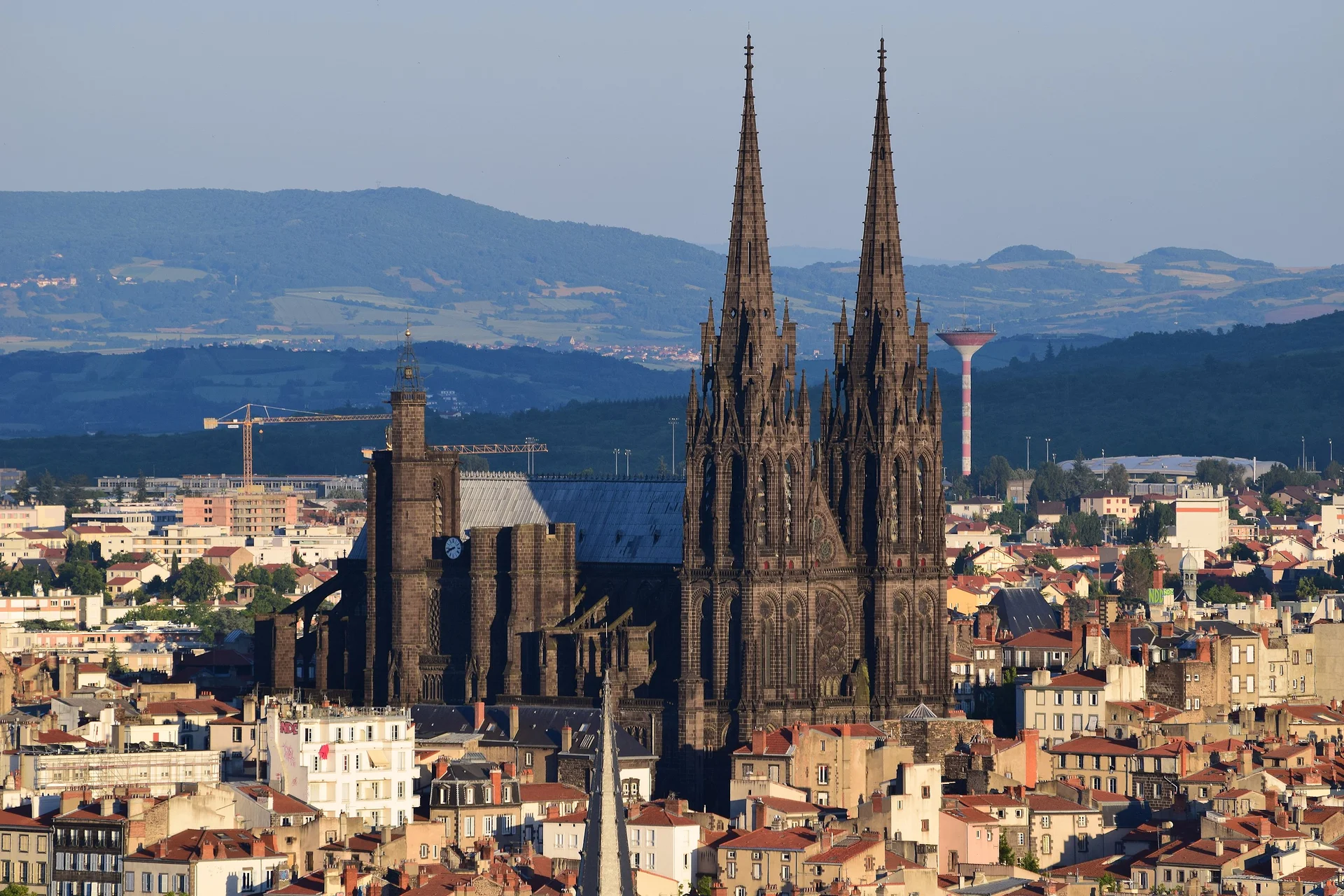
The Cathedrale Notre-Dame-de-l'Assomption makes an immediate impression. Built entirely from dark lava stone, its twin spires reach nearly 100 meters into the sky. The architect Viollet-le-Duc restored it in the 19th century, giving it that distinct Gothic silhouette visible from almost anywhere in town. Inside, stained glass windows flood the nave with color, creating a sharp contrast against the dark stone.
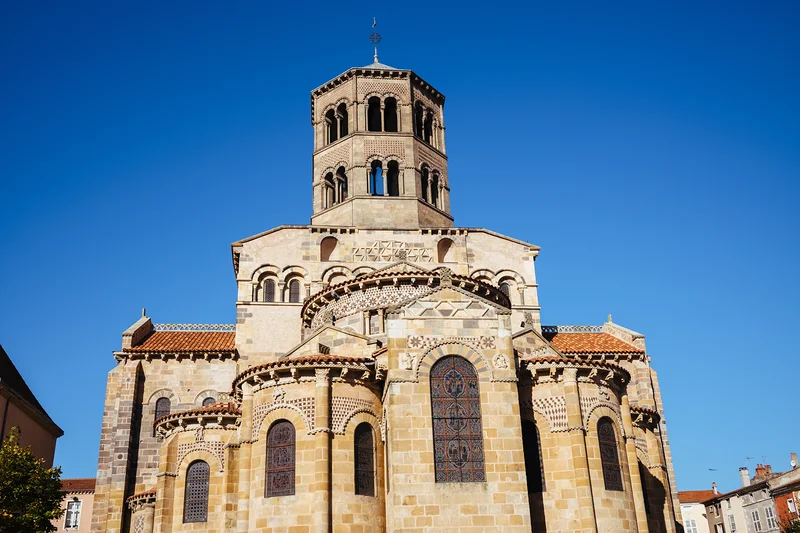
Just a few streets away, the Basilique Notre-Dame-du-Port presents an entirely different face. This 12th-century Romanesque church, listed as a UNESCO World Heritage site as a stop on the Camino de Santiago, hides in a residential neighborhood. Its carved capitals retain their original polychrome paint, and the atmosphere feels intimate and quiet.
Friendly tip: Book a guided tour through the tourist office to gain access to the interior courtyards of Renaissance townhouses. The city is full of secret passages and hidden staircases that you will easily miss without a local guide.
Le Quartier du Port: the bohemian soul of the city
Surrounding the basilica is the Quartier du Port, the most lively part of town. Mornings bring quiet cafes and sunlit terraces. Evenings bring live music bars and busy restaurants. Rue du Port leads straight to the Fontaine d'Amboise, where you get a clear view of the volcanic mountain chain.
This neighborhood holds the best spots to sample local specialties without falling into tourist traps. L'Alambic, a local fixture, serves aligot cheese so stretchy it practically defies physics. The Fromagerie Nivesse near the cathedral offers guided tastings of the region's five PDO cheeses.
Place de Jaude and Montferrand: a dual city
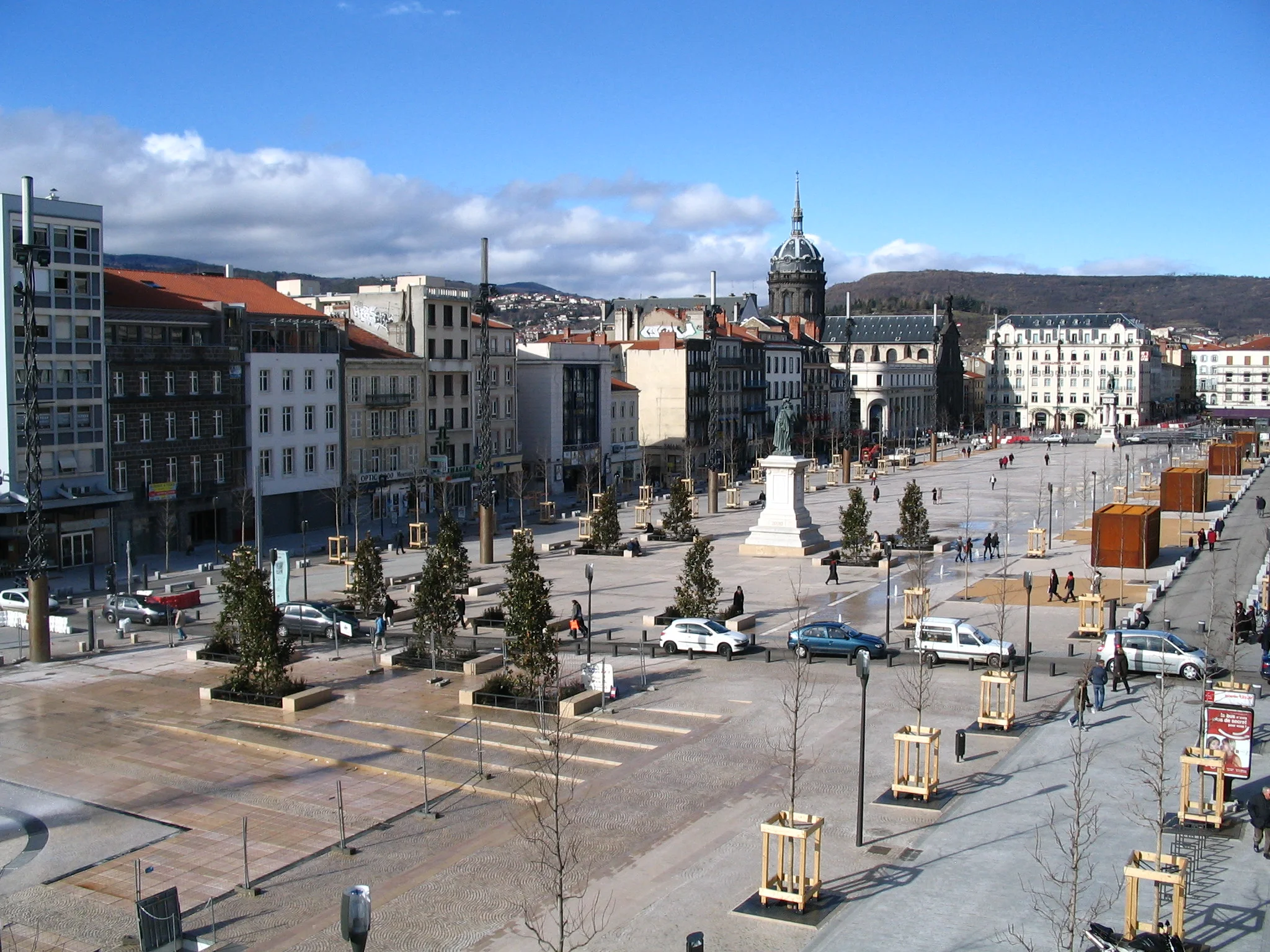
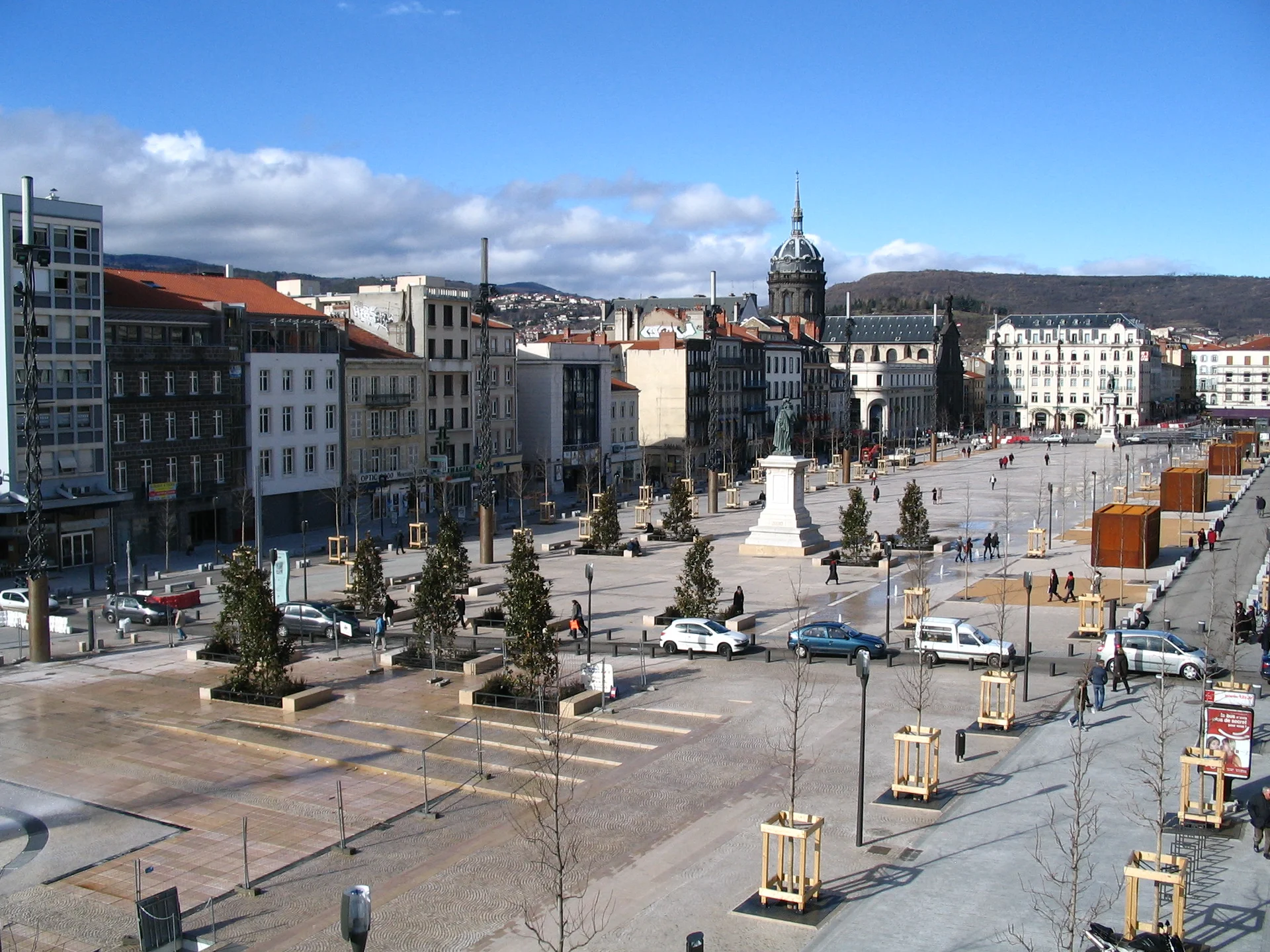
The Place de Jaude, a massive public square lined with magnolias, serves as the commercial heart of town. Right in the center stands the equestrian statue of Vercingetorix, sculpted by Bartholdi, the artist behind the Statue of Liberty. The Gallic chieftain famously defeated Caesar's legions nearby in 52 BC.
Few visitors make the trek to Montferrand, the other historic half of the city. This neighborhood preserves a remarkable medieval core complete with turreted houses, 15th- and 16th-century townhouses, and fifty public fountains. The two rival towns only merged in 1630 by royal decree of Louis XIII.
La Chaine des Puys: the call of the volcanoes
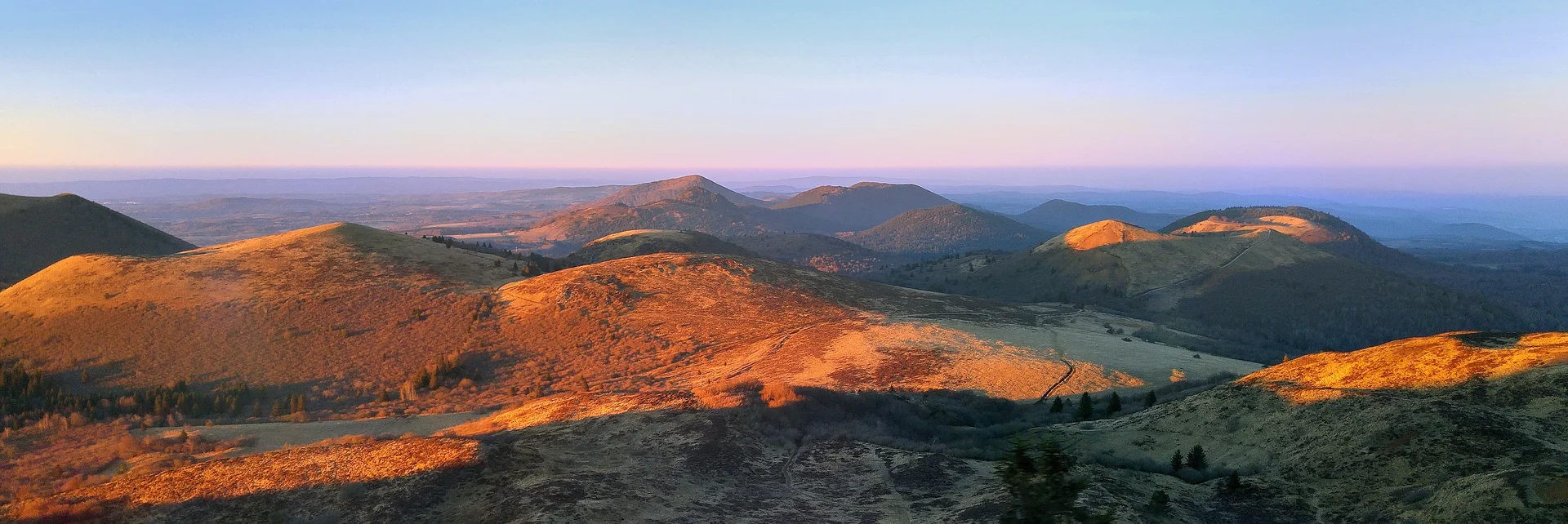
The Puy de Dome peaks at 1,465 meters, just 15 kilometers from downtown. This 11,000-year-old lava dome offers 360-degree views across the entire chain of 80 volcanoes, recognized as a UNESCO World Heritage site since 2018. At the summit, the ruins of a Gallo-Roman temple dedicated to Mercury hint at the site's long history.
Two options get you to the top: the Panoramique des Domes, a cog railway that makes the trip in 15 minutes, or the Chemin des Muletiers hiking trail, which takes anywhere from 45 minutes to 2 hours depending on your pace. The Vulcania theme park rounds out the experience with interactive exhibits and immersive films on volcanology.
Friendly tip: In the summer, a shuttle connects the Clermont-Ferrand train station directly to the Panoramique des Domes. You do not need a car to explore the volcanoes.
Where to eat and drink in Clermont-Ferrand
Auvergne accounts for 25% of all French PDO cheeses. Saint-Nectaire, Cantal, Salers, Fourme d'Ambert, and Bleu d'Auvergne define the local dairy scene. The Ronde des fromages stall inside the Marche Saint-Pierre indoor market sells an aged Saint-Nectaire matured on a bed of straw that is well worth seeking out.
Truffade remains the ultimate comfort food here: sliced potatoes sautéed and folded with fresh Cantal cheese until it achieves a stretchy, melted texture. La Cassolette near the courthouse and Le Dome on the top floor of the Jaude shopping center rank among the top recommendations. Plan on $17 to $23* for a generous serving of truffade paired with cured ham and a green salad.
How to get to and around Clermont-Ferrand
Intercités trains connect Paris to Clermont-Ferrand in 3.5 hours, with tickets starting around $33*. From Lyon, the train takes 2.5 hours. The Aulnat airport, 7 kilometers from the center, handles a handful of European flights. By car, the A71 highway from Paris and the A75 from Montpellier lead straight into the city.
Once you arrive, the tramway and bus network cover the downtown and surrounding neighborhoods efficiently. A single ticket costs $1.80*. The pedestrian downtown is entirely walkable. For exploring the volcanic chain, a car remains useful outside the peak summer season, even though shuttles make getting to the Puy de Dome straightforward.
When to go?
May through September brings ideal conditions for hiking the volcanoes and enjoying the outdoor cafe terraces. The International Short Film Festival in early February draws 160,000 attendees, transforming the city into the global capital of short-form cinema. Winter brings snow to the peaks and opens the ski resorts of the Sancy Massif, just 45 minutes away.
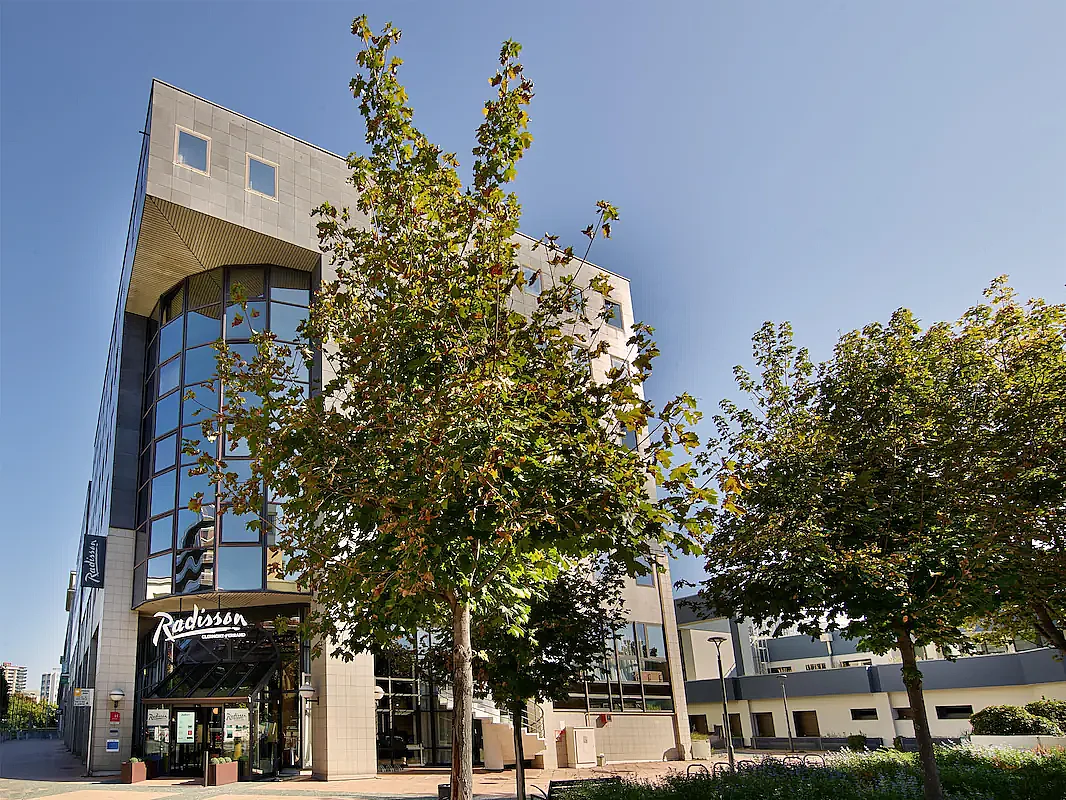
As an almost mandatory stopover for visiting the Puy de Dôme, Clermont-Ferrand does not have the charm of mountain towns at all. The cathedral is pretty, but I found the city quite dreary, sad, and not very safe. The concrete architecture has no character and reinforces the feeling of suffocation. When it is hot, it is a real nightmare. If you can, I advise you to stay elsewhere and flee toward the Puy de Dôme to breathe some fresh air.