

Bordeaux, the Sleeping Beauty That Woke Up
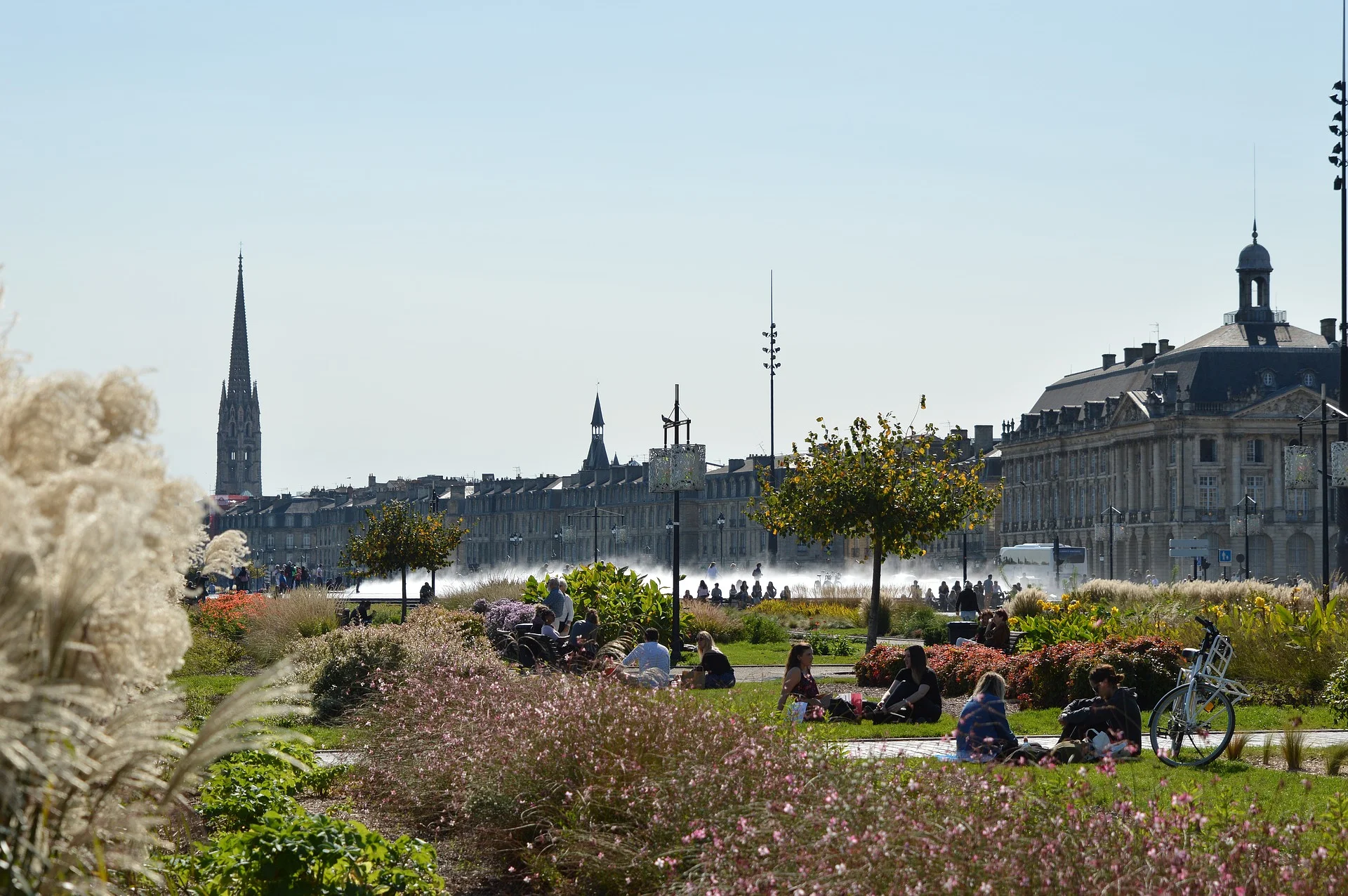
The streetcar glides silently over the cobblestones of the place de la Bourse, and suddenly, that 18th-century facade reflects in the water mirror like a golden mirage. For decades, Bordeaux dozed under its reputation as a conservative, wine-obsessed city. Since the early 2000s, the transformation has been absolute: industrial brownfields have turned into cultural hubs, the right bank has woken up, and the city now draws wine lovers and curious travelers alike.
Is This Destination Right for You?
Bordeaux appeals to epicures, architecture enthusiasts, and anyone who wants a major French city without the overwhelming scale of Paris. Wine lovers find a concentration of expertise here that is unmatched anywhere else in the world. Families appreciate the streetcar network, the updated riverbanks, and the green spaces. Couples easily find outdoor tables right on the banks of the Garonne River.
Bordeaux is less suited for travelers who want to check off a city in 24 hours. The place requires actual time. Plan for at least three days just for the historic center, and add more if you want to explore the vineyards. If you are rushed anyway, here is a link to visit Bordeaux in 1 day with a Ryo audio guide.
Best suited for:
- Wine lovers and food enthusiasts
- Fans of classical and contemporary architecture
- Travelers who want a major city on a human scale
- Families with kids (streetcar, riverbanks, parks)
- Extended weekend trips from Paris or Northern Europe
Not recommended for:
- Travelers looking for exotic escapes or beaches
- Very tight budgets (restaurants and wine add up quickly)
- Nightlife seekers looking for intense clubbing compared to other big cities
Budget: Reasonable until wine enters the picture
Bordeaux remains sensible compared to Paris or Lyon when it comes to lodging and everyday meals. But top-tier bottles and tasting menus will make your bill climb fast. Here is a realistic daily price range:
| Expense | Estimated range |
|---|---|
| Night in basic lodging (hostel, simple hotel) | $34 to $79* |
| Night in comfortable lodging (3-4 star hotel) | $102 to $210* |
| Quick bite (sandwich, market food) | $9 to $17* |
| Restaurant meal (bistrot, brasserie) | $23 to $45* |
| Transit and activities per day | $12 to $29* |
| Total daily backpacker budget | $62 to $124* |
| Total daily comfort budget | $146 to $290* |
Estimated rates subject to change
Practical realities
The streetcar covers the main tourist districts with four efficient lines. The historic center is easy to walk: everything is flat and distances are short. For the vineyards, a car or a guided tour is the only practical option.
The climate is a temperate oceanic type with warm summers that are rarely stifling and mild winters. Rain happens year-round, but it rarely sticks around long. Bordeaux is a safe city with no neighborhoods that pose specific safety concerns for visitors.
The Golden Triangle and Saint-Pierre: Postcard Bordeaux
The Golden Triangle, enclosed by cours de l'Intendance, cours Clemenceau, and allées de Tourny, packs in luxury boutiques, historic cafes, and landmark facades. This is where the blonde stone of Bordeaux shines brightest, especially in the late afternoon when low sunlight rakes across the buildings.
place Gambetta is worth a quick stop. Just to the south, the Saint-Pierre neighborhood shifts gears with narrow cobblestone alleys, wine bars jammed side by side, and a livelier working-class feel. The Saint-Michel Basilica and its detached bell tower mark the border with the Saint-Victor neighborhood, which is quieter and largely residential.
Friendly tip: Avoid the Golden Triangle on weekdays between 5:00 PM and 7:00 PM. The pedestrian streets fill up with delivery vans and traffic. Come back in the evening or early morning when the blonde stone takes on a completely different hue and you have the sidewalks to yourself.
The Quays and Chartrons: The Bordeaux Renaissance
The quays of the Garonne sum up the transformation of Bordeaux on their own. Where cargo and warehouses once piled up, a multi-mile promenade now runs alongside the river. The pont de Pierre offers the most photographed angle of the quayside facades, which hold UNESCO World Heritage status.
Further north, the Chartrons neighborhood has converted old wine warehouses into galleries, restaurants, and independent designer shops. rue Notre-Dame concentrates antique dealers and concept stores. The bassins à flot, located even further north, embody contemporary Bordeaux with their bold modern architecture.
The marché des Capucins opens its doors at 7:00 AM and shows off the edible side of Bordeaux: Arcachon Bay oysters eaten standing up, Aquitaine cheeses, and cured meats from the neighboring Basque Country. In our view, this is one of the best hours you can spend in the city.
The Vineyards: Saint-Émilion, Médoc, and Beyond
Saint-Émilion sits 45 minutes away by drive, combining a protected medieval village with prestigious wine cellars. Its monolithic church carved straight into limestone rock is worth the trip even if you do not care about wine. The village is heavily touristed and gets packed in the summer, so arrive early.
Head northwest toward the Médoc and its legendary wine estates like Margaux, Pauillac, and Saint-Estèphe. The wine route winds between vineyards and the Gironde estuary, featuring landscapes that turn surprisingly wild in places. For tighter budgets, the côtes de Bourg and Blaye appellations offer excellent value.
Friendly tip: Book your wine estate tours several weeks ahead if you are visiting between May and October. Some Médoc properties offer architectural tours separate from the tastings, which is ideal if wine is not your main focus.
Where to Eat and Drink in Bordeaux
Three local specialties deserve your attention. Arcachon Bay oysters are traditionally paired with grilled sausages. The combo sounds strange, but it is deeply rooted in local habits. Canelés, small rum-and-vanilla pastries with a caramelized crust, are everywhere, but the quality varies wildly. Buy them from an independent local bakery rather than a souvenir shop. Pauillac lamb, suckled by its mother and raised indoors, ranks among the best meats produced in the region.
For wine, downtown wine bars offer tastings by the glass alongside charcuterie boards. It is the most accessible way to try different appellations without shelling out for a whole bottle.
How to Get to Bordeaux
Bordeaux-Mérignac Airport (code BOD) sits about 30 minutes from downtown. A direct shuttle bus connects the airport regularly to Saint-Jean train station. From Paris, the high-speed TGV train links the two cities in just over two hours since the high-speed line opened in 2017. The A10 highway makes driving down from the north straightforward.
How to Get Around Bordeaux
The streetcar network serves all tourist neighborhoods efficiently across four lines. Downtown is easy to navigate on foot since the terrain is flat and distances are manageable. Bike lanes run alongside the riverbanks, allowing you to reach parks without mixing with car traffic. For the vineyards, several organized tours run daily out of the center, though renting a car gives you the most flexibility.
When to go
Spring (April through June) and fall (September through October) deliver the best conditions: comfortable temperatures, flattering light, and the grape harvest season in the vineyards during autumn. Summer brings heat and heavy crowds, especially in Saint-Émilion.
Winter reveals a much quieter city, which makes it perfect for museums and restaurants, even though some wine estates close their doors to visitors.
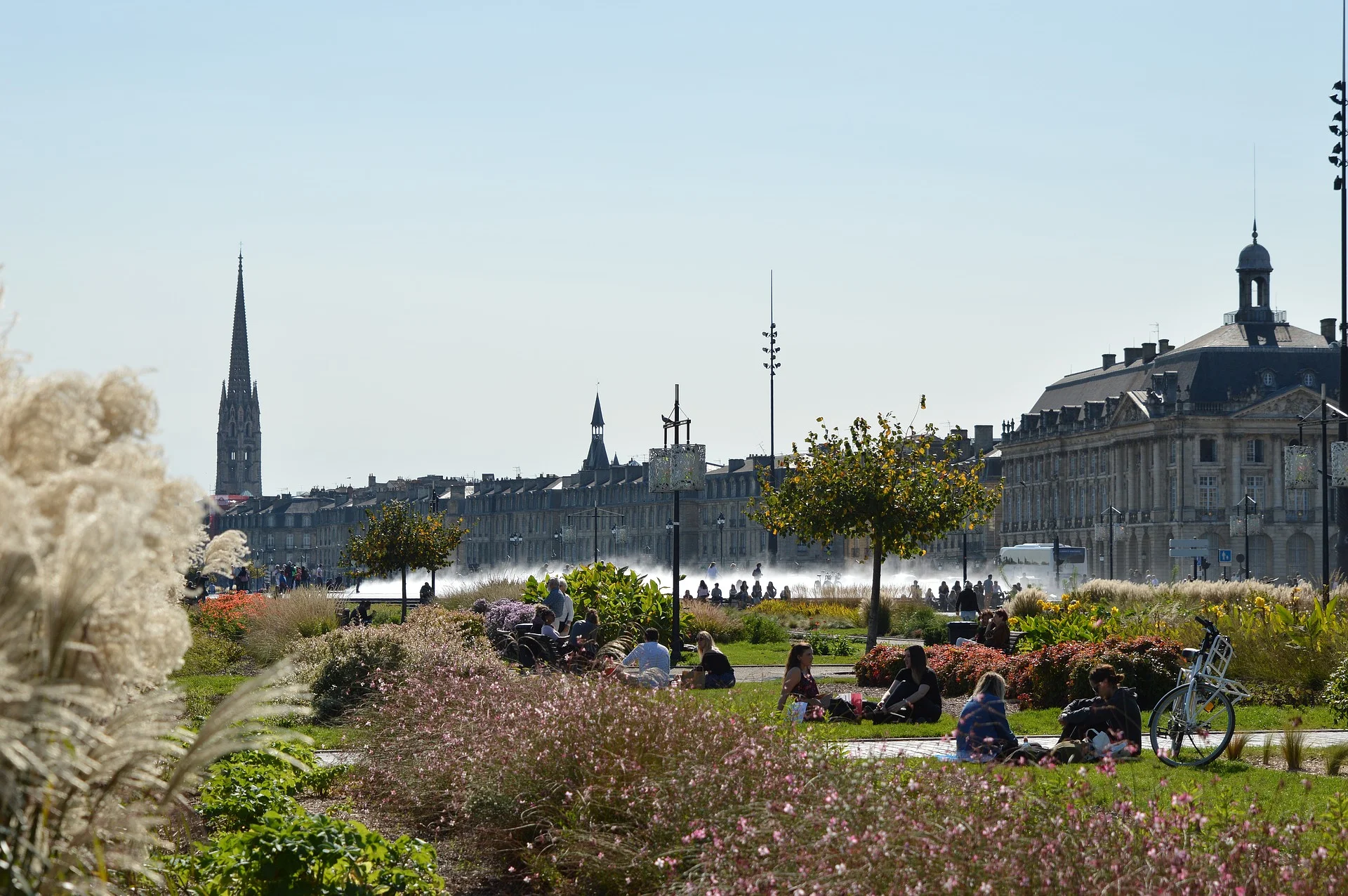
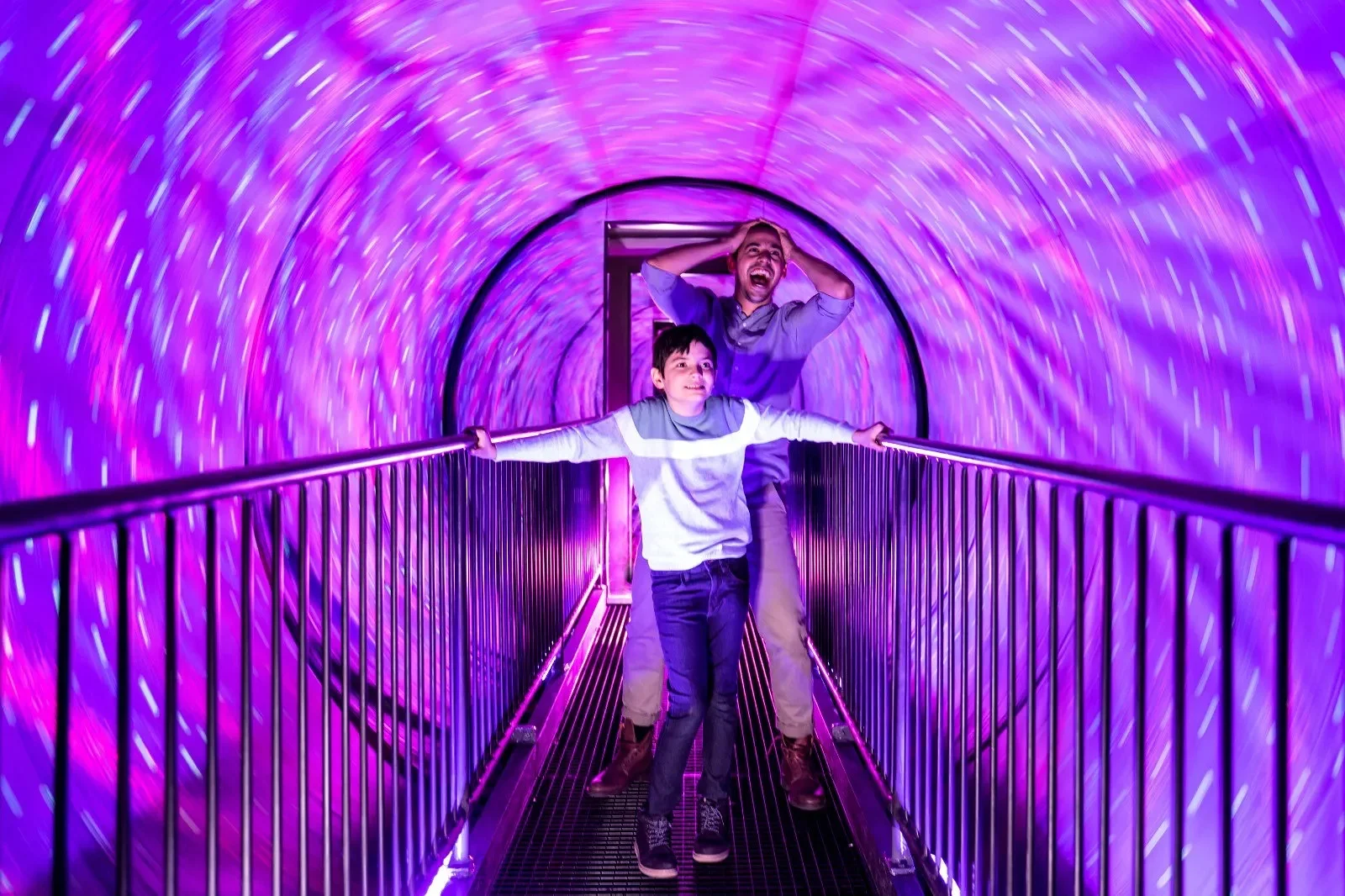
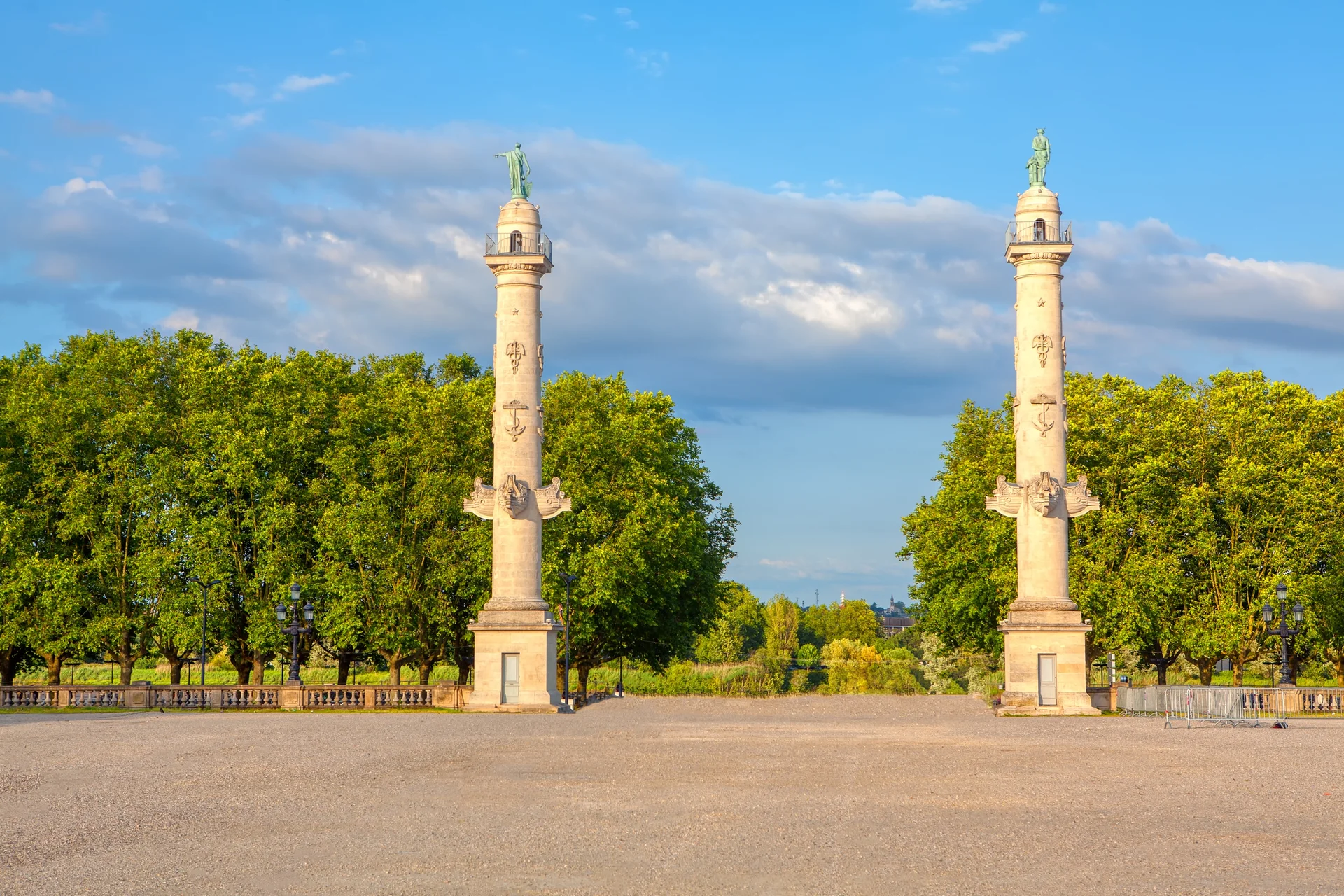
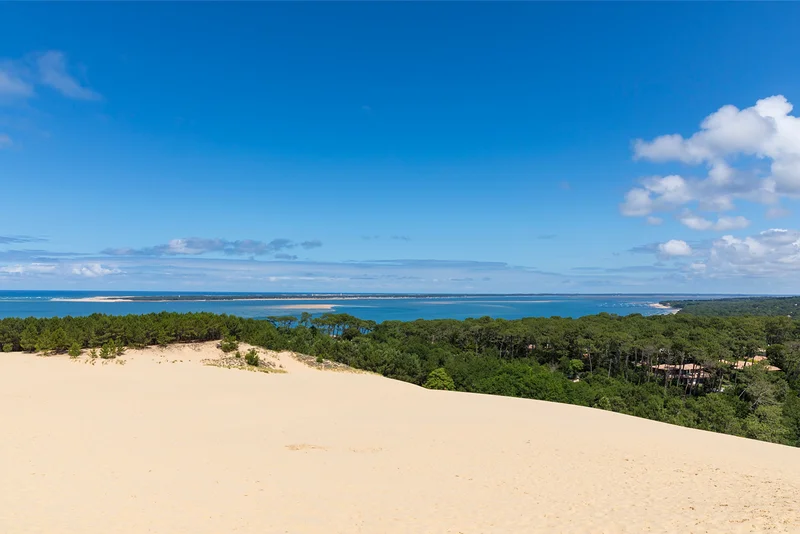
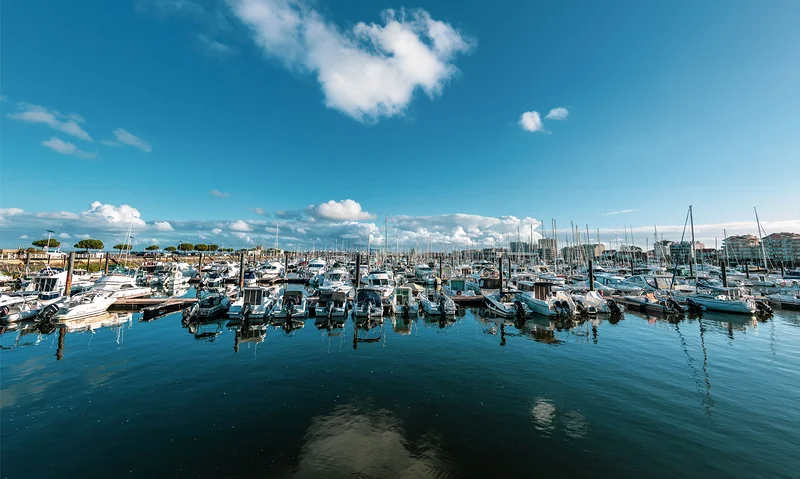
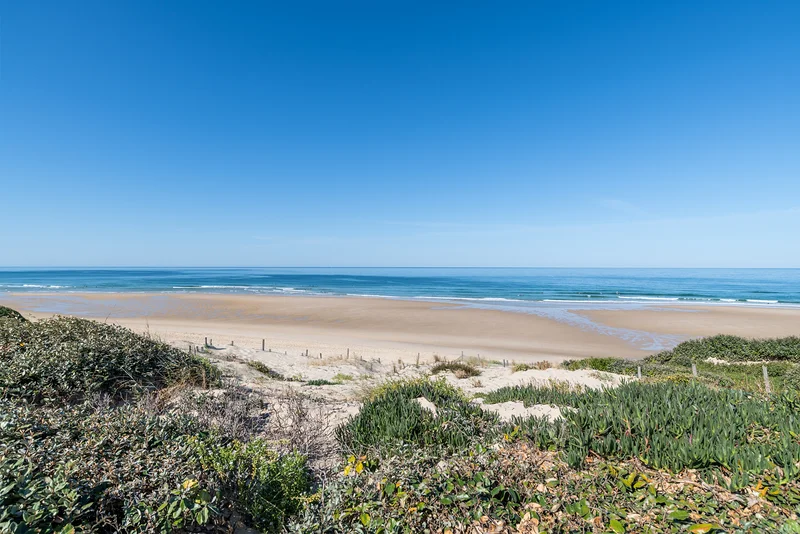
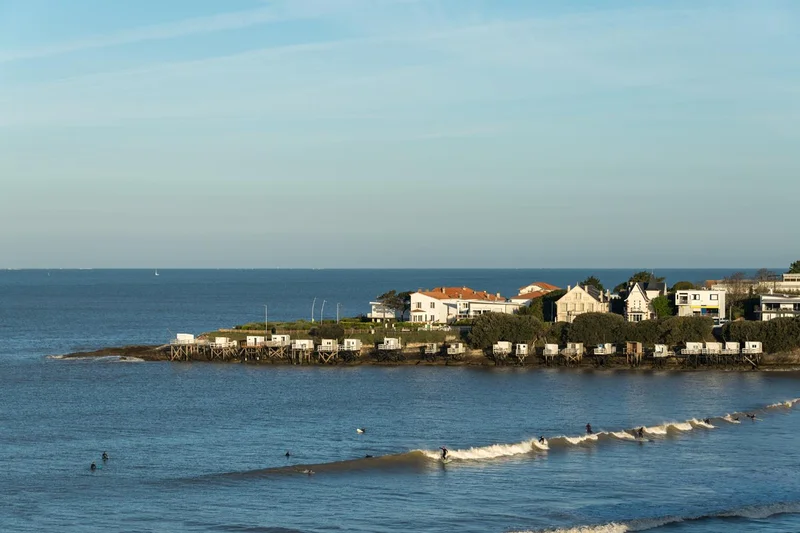
Not too far from the ocean, a lively city full of heritage. Take a walk along the docks, or through the city, and grab a seat on a terrace in one of the old town squares. To get some fresh air, you have your choice between the Landes coast, the Dordogne and its picturesque villages, or even the wine route.