
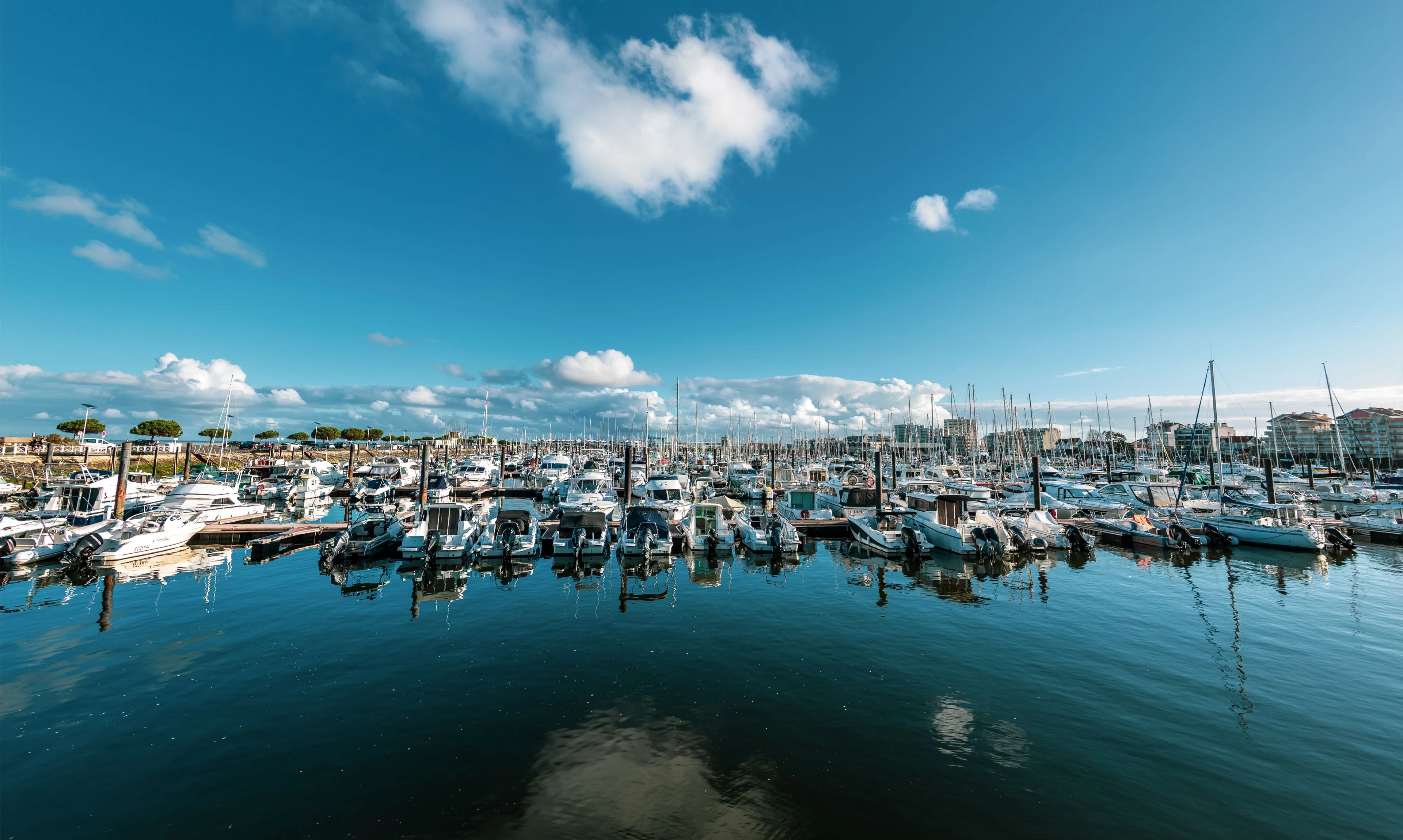
Arcachon, a seaside resort where time slows down
The scent of sea salt mixes with the aroma of maritime pine. Out on the bassin, oyster farmers haul up their mesh bags from flat-bottomed boats. In the distance, the massive sandy wall of the Dune of Pilat dominates the horizon at 103 metres high. Arcachon moves to the rhythm of the tides, the oyster farming seasons, and a certain French art of living. Here, people take the time to taste, walk, and watch.
Arcachon: a destination for sea and slow-travel lovers
This southwestern resort town suits families and nature lovers well. The Arcachon Bay provides calm waters that are safe for children, while the ocean side near Cap Ferret draws surfers. Food lovers find plenty to enjoy with the local oysters, rated among the best in France.
Conversely, Arcachon might disappoint travelers looking for wild nightlife or endless white sand beaches. The bay remains an inland sea with occasionally murky water, far from tropical turquoise lagoons. Rushed visitors will miss the point of this destination, which requires several days to savor at the pace of the tides.
A moderate budget for a famous resort
Plan for $113 to $210* per day for a couple. A dozen oysters with a glass of white wine costs between $14 and $23* at the oyster huts. Renting a bicycle, which is essential for exploring the area, runs about $17* per day.
The Ville d'Hiver: eclectic villas and pine forests
Perched on the heights, the Ville d'Hiver stands out as Arcachon's main architectural curiosity. This neighborhood was created in the 19th century to welcome tuberculosis patients who came to treat their lungs in the resin-scented pine air. Wealthy winter visitors built extravagant villas here, mixing Moorish, colonial, and neo-Gothic styles.
A two-hour walk lets you admire these architectural eccentricities. Villa Teresa and Villa Toledo rank among the most striking. The Parc Mauresque offers a sweeping view over the bay.
Friendly tip: pick up a map of the villas at the tourist office. Without it, you will walk right past these wonders without noticing them behind their lush greenery.
The Dune of Pilat: a mountain of sand
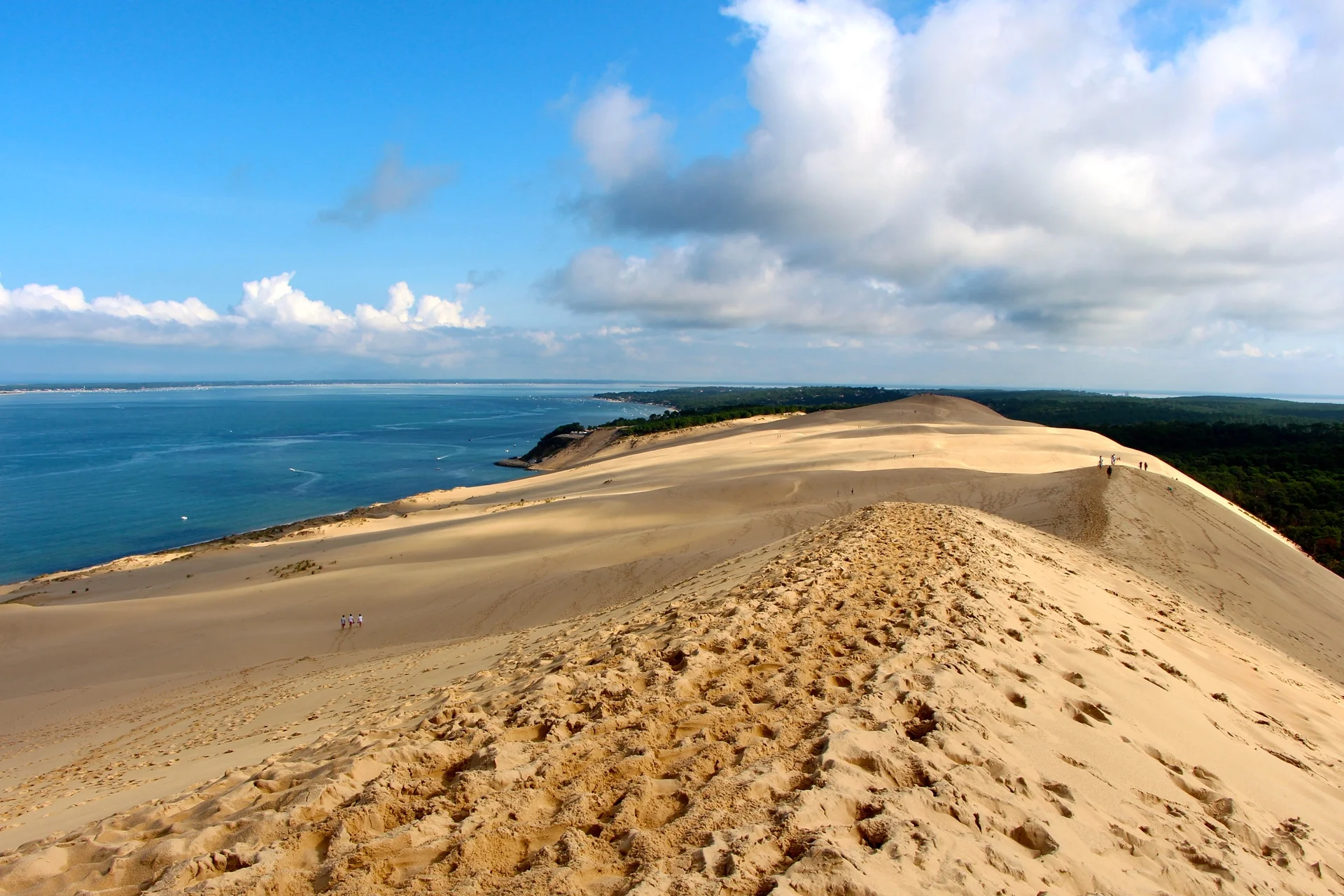
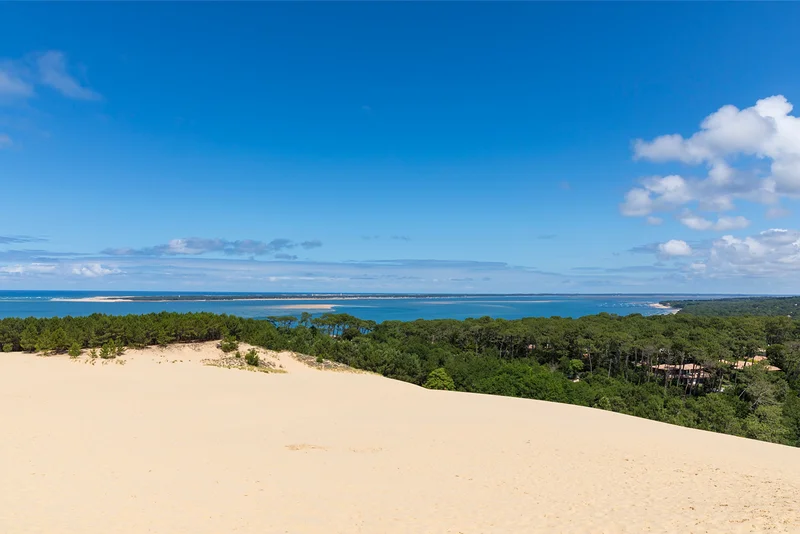
The Dune of Pilat is the tallest sand dune in Europe. It advances inland by roughly 1 to 5 metres each year, slowly swallowing the forest. A wooden staircase makes the climb easier, but purists prefer to hike straight up the sand. Expect about 20 minutes of effort to reach the top.
The panorama rewards the climb: the bay on one side, the ocean on the other, and the Banc d'Arguin in the middle. Sunset up here is memorable.
Friendly tip: parking costs $9* minimum. Come early in the morning or late in the day to dodge the crowds and the heat. The sand gets scorching under the midday sun.
The bay and its oyster villages
The Arcachon Bay holds several villages where oyster farming shapes the landscape. Gujan-Mestras, the oyster capital, lines up colorful ports: Larros, Le Canal, and La Barbotière. Tasting huts serve freshly shucked oysters with rye bread and salted butter.
Even more picturesque, the Village de l'Herbe on the Cap Ferret peninsula is worth a detour. Brightly painted fishermen's cabins line narrow alleyways.
Île aux Oiseaux and the cabanes tchanquées
In the middle of the bay, Île aux Oiseaux remains accessible only by boat. Its two cabanes tchanquées, perched on wooden stilts, have become the symbol of the bay. Several companies offer tours in traditional pinasse boats, costing $23 to $40* per person.
The beaches: bay or ocean
Arcachon offers two very different swimming experiences. On the bay side, beaches like Pereire or Plage du Moulleau feature calm, shallow water. The lack of waves reassures parents, though the water can feel a bit warm in the summer.
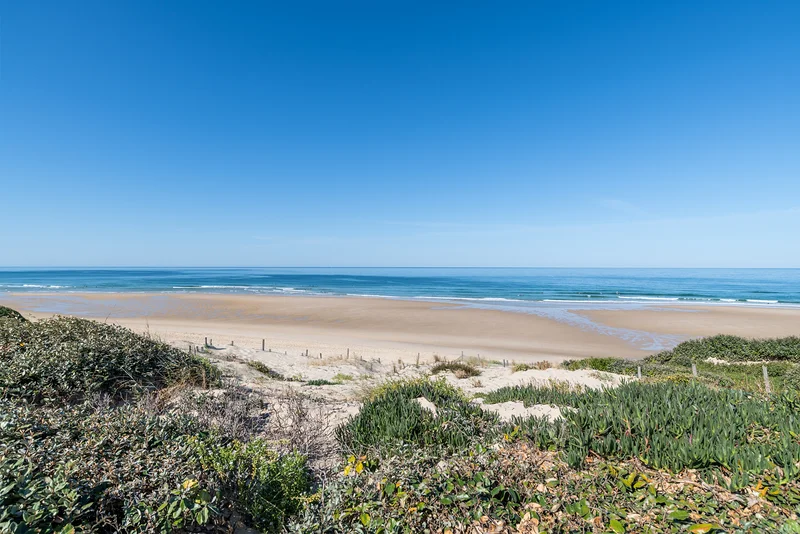
On the ocean side, past the Dune of Pilat, the beaches at La Salie and Petit Nice draw surfers. Lifeguards patrol the swimming areas, but the rip currents can be treacherous.
Where to eat and drink in Arcachon?
The bay's oysters remain the absolute specialty. Flat or cupped, you can enjoy them at the oyster huts in the ports of Gujan-Mestras or at the covered market in Arcachon. A glass of Entre-deux-Mers or dry Graves makes an ideal pairing. Agneau de Pauillac, a protected-origin milk-fed lamb, rounds out the local culinary spread.
For a more formal meal, the waterfront lines up seafood restaurants. Prices climb quickly alongside the view. The quieter Moulleau neighborhood hides a few less touristy spots. The covered market, open every morning, is great for putting together a quality picnic.
How to get to and around Arcachon?
The regional TER train connects Bordeaux to Arcachon in 50 minutes, with frequent departures. Bordeaux-Mérignac airport sits 60 km away. Driving from Paris takes about 6 hours via the A10. Parking downtown is difficult and requires payment in the summer.
Once you arrive, biking is the best way to get around. Bike paths connect the various towns around the bay over more than 200 km. A passenger ferry crosses the bay between Arcachon and Cap Ferret in 30 minutes.
When to go?
June and September offer the best balance of pleasant weather and moderate crowds. Summer is enjoyable, but prices spike and the Dune of Pilat overflows with visitors. Winter has its own appeal for fans of ocean storms and oysters, with peak tasting season running from November to March.
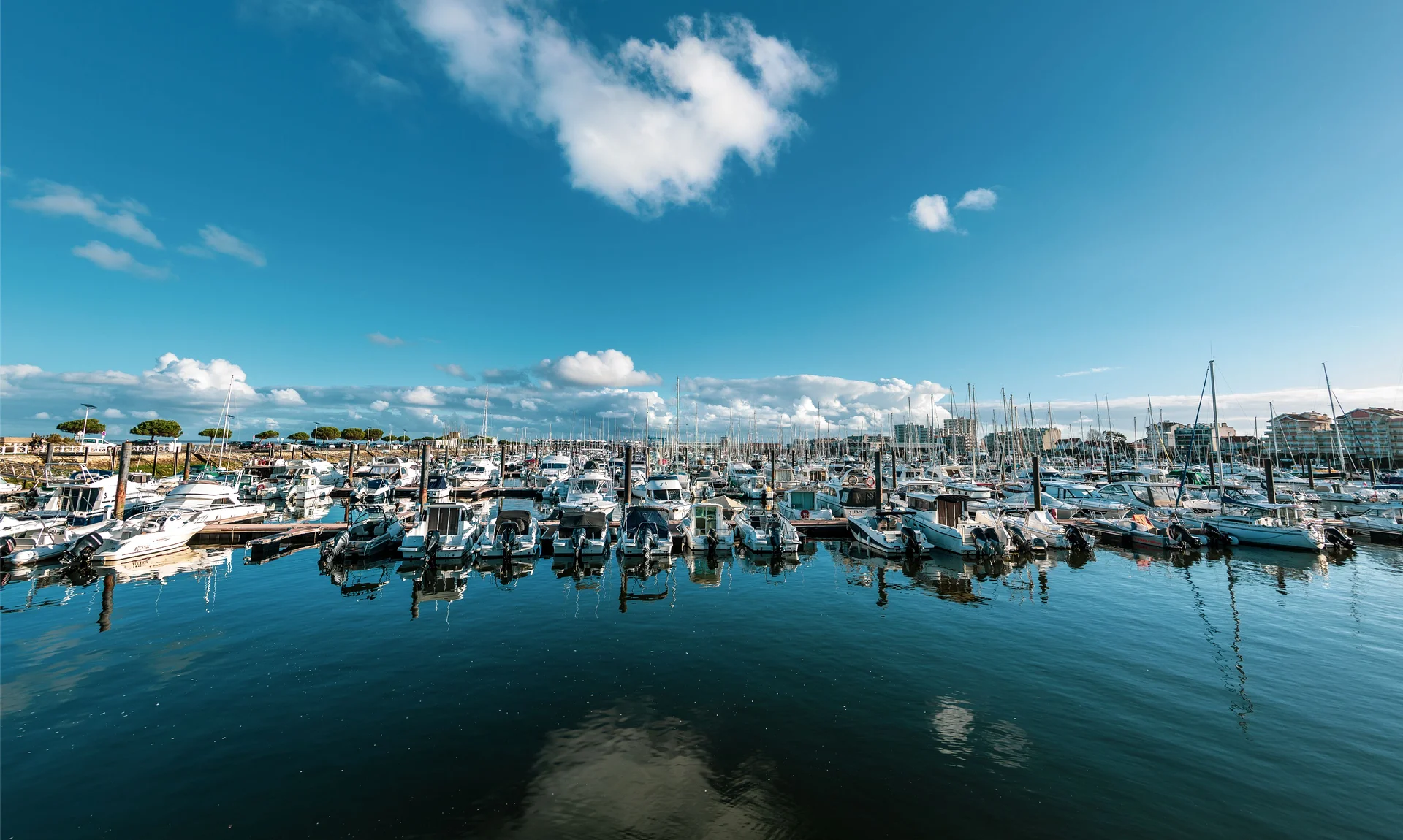
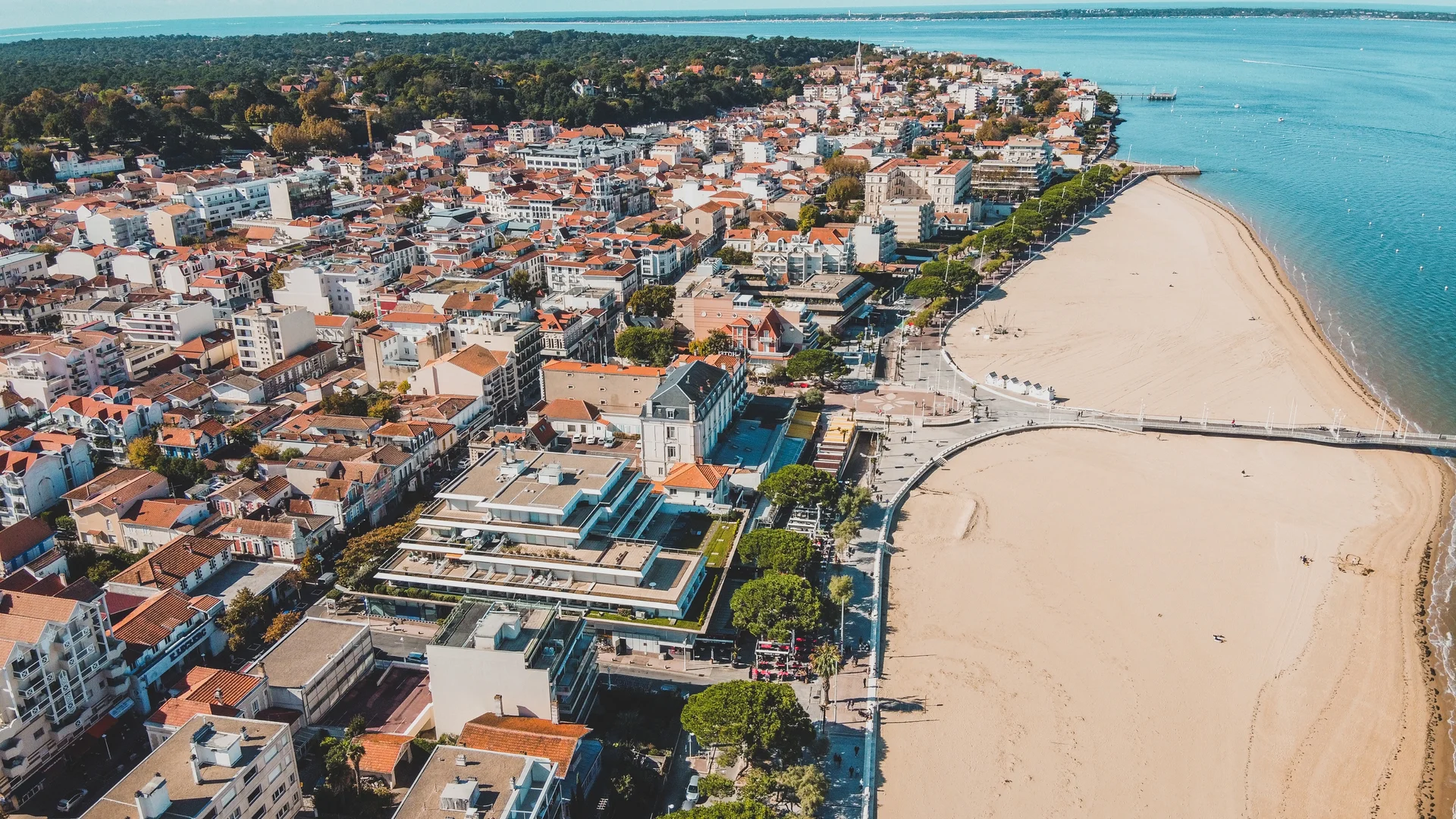
A tourist town focused on the ocean, at its own pace. No stress here, just relaxing :)