


La Rochelle: Maritime History and Atlantic Ease
Picture a harbor guarded by three medieval towers, arcaded streets that keep you dry in a sea shower, and an Atlantic breeze that follows you everywhere. La Rochelle, on France's west coast, pairs a gripping past and well-preserved maritime architecture with a mild, welcoming feel.
A Port Steeped in History
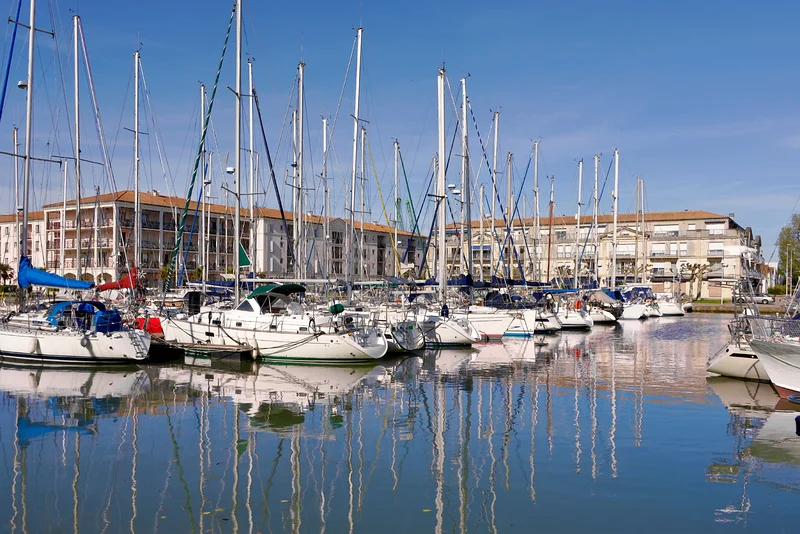
The Vieux-Port is the historic heart of La Rochelle. It's lined by the famous medieval towers: the Saint-Nicolas Tower, the Chain Tower and the Lantern Tower, and together they recall the city's seafaring glory. It's also where you can feel the traces of La Rochelle's turbulent past, especially its ties to England during the Hundred Years' War, when the city was under English rule from 1360 to 1372.
The context is obviously very different today, but here's a surprise: La Rochelle and the wider Charente-Maritime area are one of the favorite destinations of British travelers in France. British guidebooks recommend the region regularly.
A Heritage Marked by the Siege of 1627
La Rochelle also bears the scars of a major episode in French history: the siege Louis XIII led in 1627-1628 to crush the Protestants, who held real power in the city. The Musée du Nouveau Monde and the Musée protestant cover this troubled period and give an instructive look at the impact of the siege, one of the longest and harshest in French history.
Walks Between Land and Sea
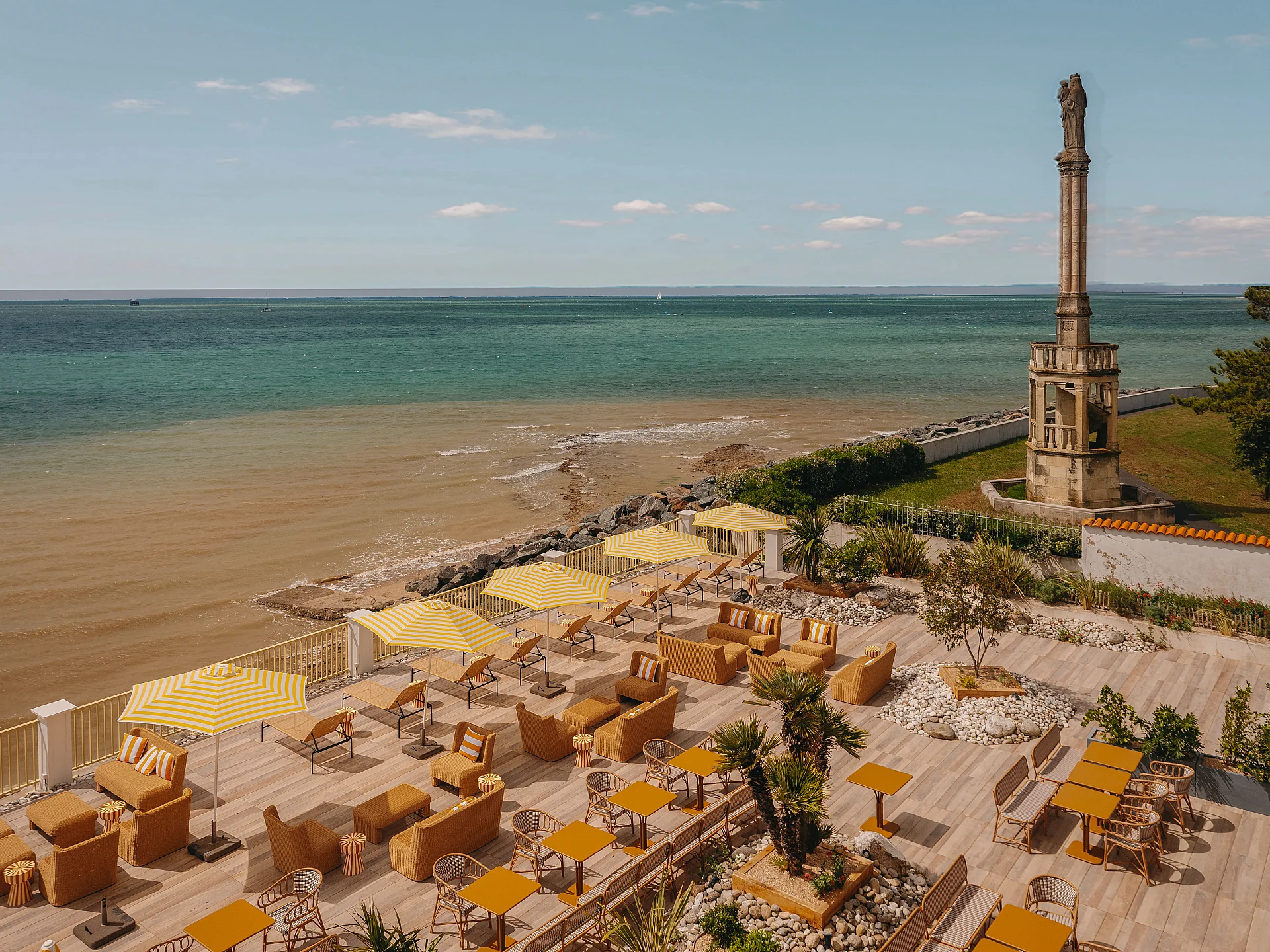
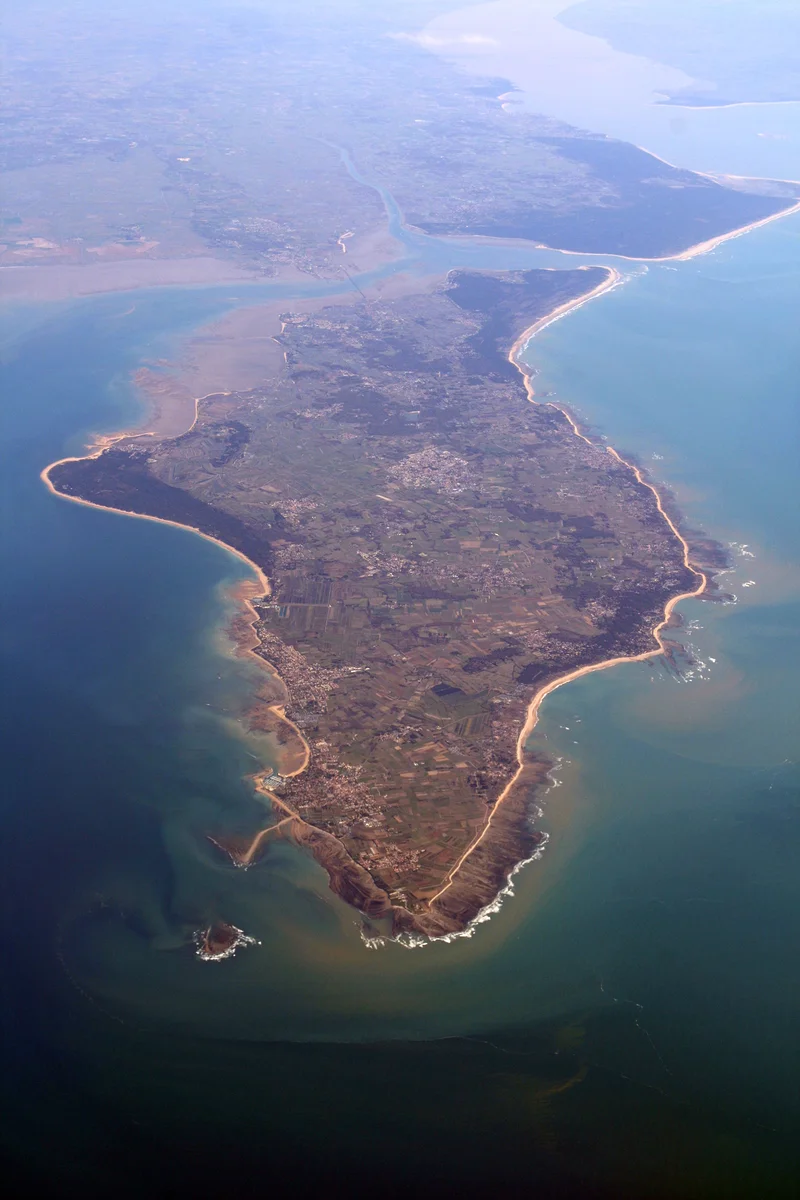
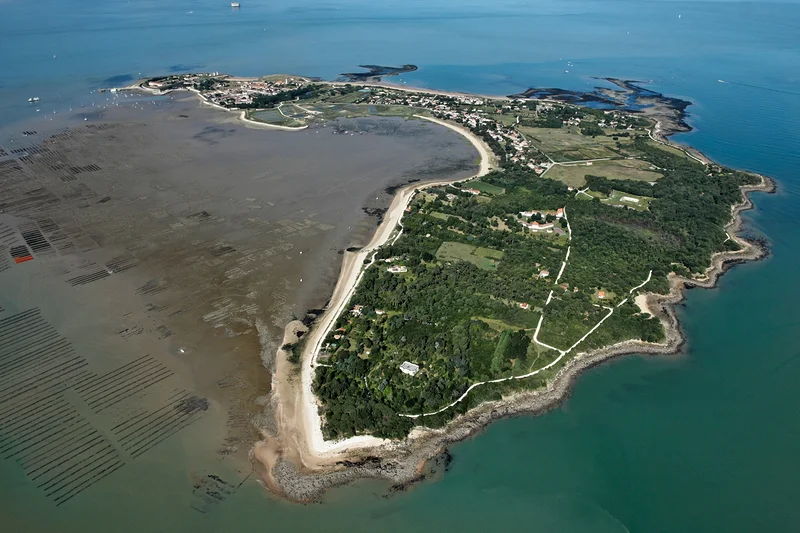
To soak up the city's maritime charm, stroll the quays of the Vieux-Port or the arcaded streets of the historic center. Nearby, you can walk out to the Plage des Minimes, make an excursion to the Île de Ré (quickly reached by a bridge), or head to the 3 km of sand at Châtelaillon-Plage, just 7 minutes away by regional train (TER). All three make for relaxed, easygoing outings.
Culture and Leisure
La Rochelle also has a varied cultural scene. The well-known Aquarium de La Rochelle, one of the largest in Europe, is well worth a visit.
The Saint-Nicolas neighborhood has an artistic vibe, with independent shops and alternative cafés, a clear contrast to the more classic feel of the historic center.
The Briny Flavors of the Atlantic
Seafood rules here, with must-try specialties like moules de bouchot (mussels grown on wooden stakes), Marennes-Oléron oysters and fresh fish from the central market. To drink, pair your meal with a local white wine from the Charente vineyards, a natural match for anything from the ocean.
Where to eat
- Bar André (Vieux-Port): known for its shellfish and fresh fish.
- Les Flots (Vieux-Port): refined cooking with a view of the towers.
- La Boussole (Saint-Nicolas neighborhood): creative dishes with international touches.
- Le Comptoir Saoufé (city center): friendly atmosphere, local specialties.
When to go
The best time to visit La Rochelle runs from May to September, with mild weather and plenty of sunshine. Worth knowing: the famous Francofolies take over in July, a major music festival that energizes the whole city and draws big crowds.
How to get there
From Paris, the train takes about 3 hours (one-way fares start at $55* for a standard ticket). La Rochelle-Île de Ré Airport also has regular flights from several European cities, notably in the UK.
How to get around
The historic center is easy to explore on foot or by bike. The city also has an efficient, eco-friendly bus network, plus water shuttles for crossing the harbor.



La Rochelle is a city I really enjoy.
Its harbor is lively and full of charm, the lighthouse adds an iconic touch, and the old town is pleasant to discover while wandering through the narrow streets.
Its proximity to the île de Ré is a real plus.
An original way to discover the city is also to participate in its marathon, organized every year in November.