
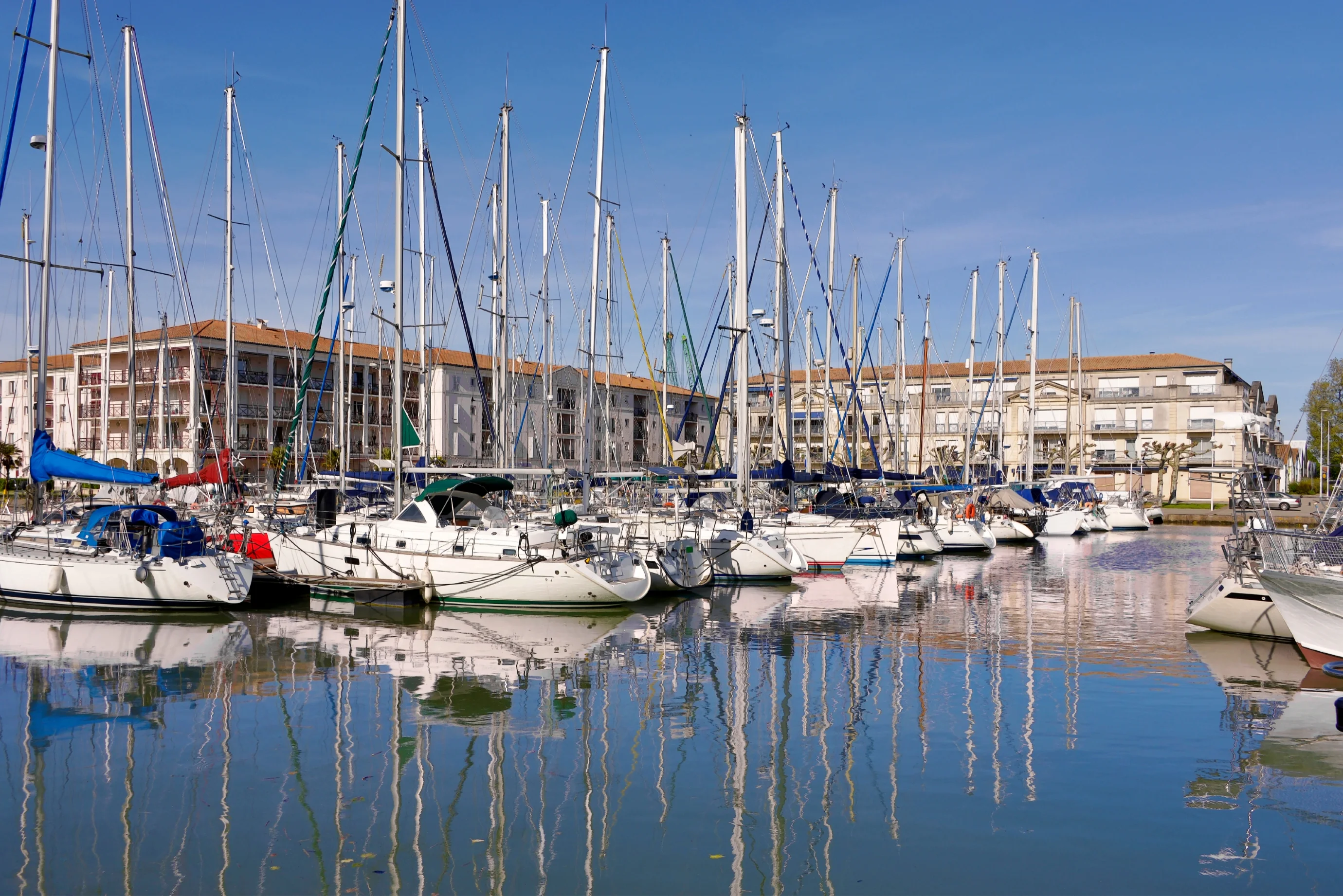
Rochefort: The Arsenal Town Where Time Stopped in 1666
Louis XIV wanted "the finest arsenal in the realm." In 1666, along a bend in the Charente River, Colbert raised an entire city from the marshes, laid out in a strict grid with straight avenues and limestone townhouses.
Three and a half centuries and 550 built ships later, the 17th-century facades still stand, the Corderie Royale stretches its 374 metres along the water, and a replica frigate serves as a reminder that La Fayette once set sail from here. Rochefort still smells of hemp and tar.
The Ideal Destination for Maritime History Enthusiasts
This city of 25,000 residents appeals primarily to fans of naval heritage and classical architecture. Families find engaging activities here, notably at the Corderie Royale or on the rope-climbing course through the masts. Cyclists make it a stop along the Vélodyssée or the Flow Vélo. Film buffs recognize the sets from The Young Girls of Rochefort, Jacques Demy's musical filmed here in 1966.
On the flip side, those looking for a traditional beach vacation will find the coast 15 km away toward Fouras or Châtelaillon. Downtown stays quiet at night, and restaurants close early in the off-season. Plan for a full day to see the highlights and two days if you want to explore the surrounding area. A car is useful for reaching the islands and the Marennes basin.
A Controlled Budget for the Atlantic Coast
Expect $79 to $113* per day for a couple, lodging included. A double room in a 2 to 3-star hotel costs between $68 and $107*. Lunch menus run around $17 to $23*, while dinner goes for $29 to $40*. Admission to the Corderie Royale runs $12*, or $13* from 1 July to 31 August. The Hermione has been in dry dock at the port of Bayonne since 2021 and can no longer be visited in Rochefort.
L'Arsenal des Mers: The Beating Heart of the City
The Corderie Royale captivates at first sight. This 374-metre building, longer than the Eiffel Tower is tall, once manufactured hemp ropes for the entire royal fleet. Burned down by German forces in 1944 and restored in the 1970s, it now houses the International Sea Center. Interactive exhibits let you try out traditional rope-making techniques and understand how cordage was produced.
Just steps away, the Louis XV dry dock hosts the Hermione, an exact replica of the frigate that carried La Fayette to America in 1780. Rebuilt over 17 years using 18th-century methods, it is toured with a guide dressed as a topmast sailor whenever the ship is berthed here, which has not been the case since it left for its refit. For the adventurous, the accro-mâts offers an aerial adventure course 30 metres up from mast to mast, overlooking the Charente.
Friendly tip: Check the Arsenal des Mers website to see whether the Hermione is back before planning that visit, then book online: time slots fill up fast and visitor numbers per tour are capped.
The Historic Center: A Grand Siècle Planned City
Place Colbert forms the heart of the town, featuring a fountain, cafe terraces, and the City Hall. The surrounding alleyways maintain the grid pattern ordered by Colbert. Two bronze statues of characters from The Young Girls of Rochefort recall the filming of the cult classic. Nearby, Saint-Louis Church blends baroque architecture with maritime motifs.
The Musée des Commerces d'autrefois reconstructs 1,000 m² of shops from 1900 to 1945, including a grocery store, a bistro, a pharmacy, a hatter, and a shoemaker. It is a nostalgic deep dive that delights both kids and adults. The Musée national de la Marine, set inside the Hôtel de Cheusses, displays ship models, navigational instruments, and figureheads.
The Pierre Loti House: A Journey Without Moving
Behind an ordinary facade on the street bearing his name, the writer and naval officer Julien Viaud, known as Pierre Loti, created a mind-bending interior world. A Turkish salon, a Chinese pagoda, an Arab bedroom, and a Gothic hall each room transposes a travel souvenir. Closed since 2012 for a massive restoration project, the house reopened in June 2025 after 13 years of work.
Friendly tip: The 90-minute guided tour must be reserved several months in advance on the city hall website. Tours depart from the Musée Hèbre, where a permanent exhibition covers Loti's life.
The Transporter Bridge: France's Last One
This iron and steel colossus, a contemporary of the Eiffel Tower, has spanned the Charente since 1900. Built by Ferdinand Arnodin, it allowed people to cross the river without blocking tall ships heading to the arsenal. Its suspended car still ferries pedestrians and cyclists from one bank to the other. Voted France's third favorite monument in 2022, it offers striking views over the estuary. On the Rochefort side, the Terrasses du Transbordeur has housed an eco-responsible restaurant and shop since 2024.
Where to Eat and Drink in Rochefort
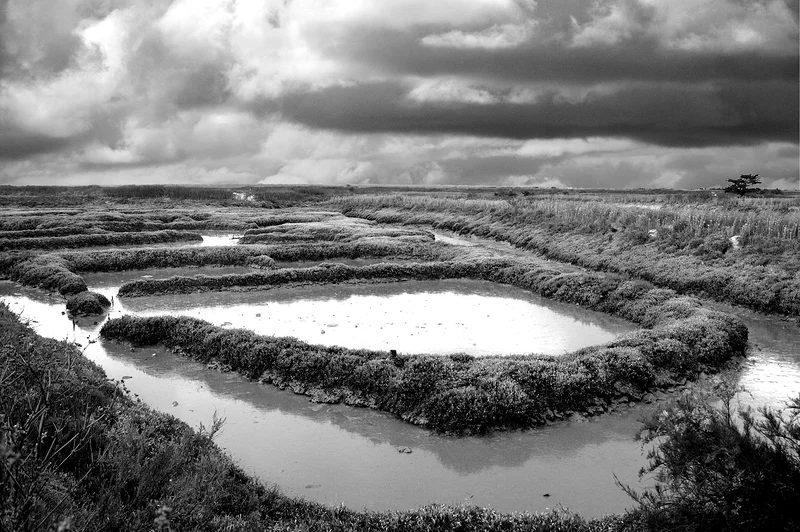
Local cooking marries seafood with the culinary traditions of the Charente countryside. Fines de claires oysters from Marennes-Oléron take top honors, aged in nearby salt-marsh basins. Mouclade, mussels prepared with curry and Pineau des Charentes wine, appears on almost every menu. Be sure to try chaudrée, a traditional regional white fish stew, or grillons charentais, which are confit pork rillettes.
Restaurants cluster around Place Colbert and the marina. The oyster shacks at Port des Barques and Fouras, 15 km away, offer tastings on-site with views of the estuary. Expect to pay $14* for a dozen oysters. The Rochefort market, held every Tuesday and Saturday morning, is ideal for putting together a generous picnic.
Where to Stay in And Around Rochefort
The town center hosts several boutique hotels within walking distance of the sights. The Hôtel de la Corderie Royale pairs comfort with history right across from the Jardin des Retours. B&Bs are popping up across the historic lanes. For a beach vacation, look toward Fouras-les-Bains or Châtelaillon-Plage, 15-20 km away, with direct beach access.
Rates jump and availability vanishes during high season. Book three weeks ahead if you are visiting in July or August.
How to Get There and Around Rochefort
By train, Rochefort sits 3 hours and 30 minutes from Paris, 2 hours from Bordeaux, and 2 hours and 30 minutes from Nantes. Regional TER trains run frequently to La Rochelle in 20 minutes. The closest airport is La Rochelle-Île de Ré, 30 km away. If driving from Paris, plan for 4 hours and 30 minutes via the A10 and N137 highways.
Once you arrive, the historic center is easy to navigate on foot. The Flow Vélo and Vélodyssée bike routes pass right through town for cyclists. The transporter bridge links the two banks of the Charente in minutes. To reach the islands or the Marennes basin, a car remains the most practical option.
When to go
Spring and autumn strike the best balance between pleasant weather and manageable crowds. Summer pulls heavy crowds toward major sights and nearby beaches. The International Maritime Film Festival brings energy to the Corderie Royale in April. The Voiles de la Corderie Royale, a gathering of classic sailing ships in July, turns the harbor into a continuous show. Skip November and February if you want to avoid damp Atlantic weather.
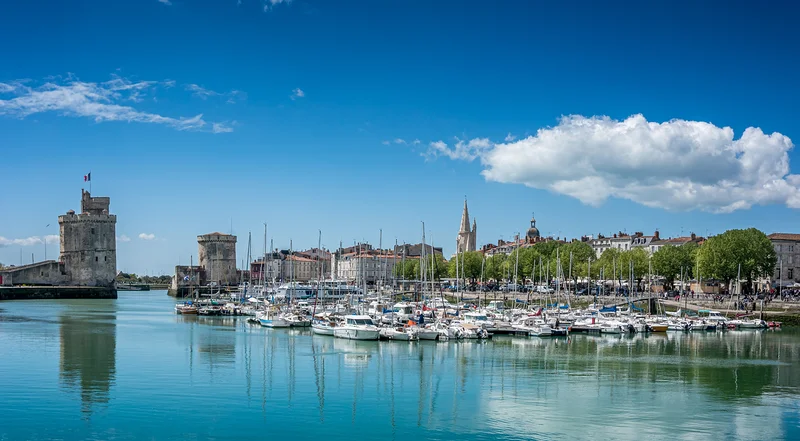
Rochefort is a city marked by its military and maritime past, which is visible through its imposing buildings and its arsenal.
The Corderie Royale is particularly impressive.
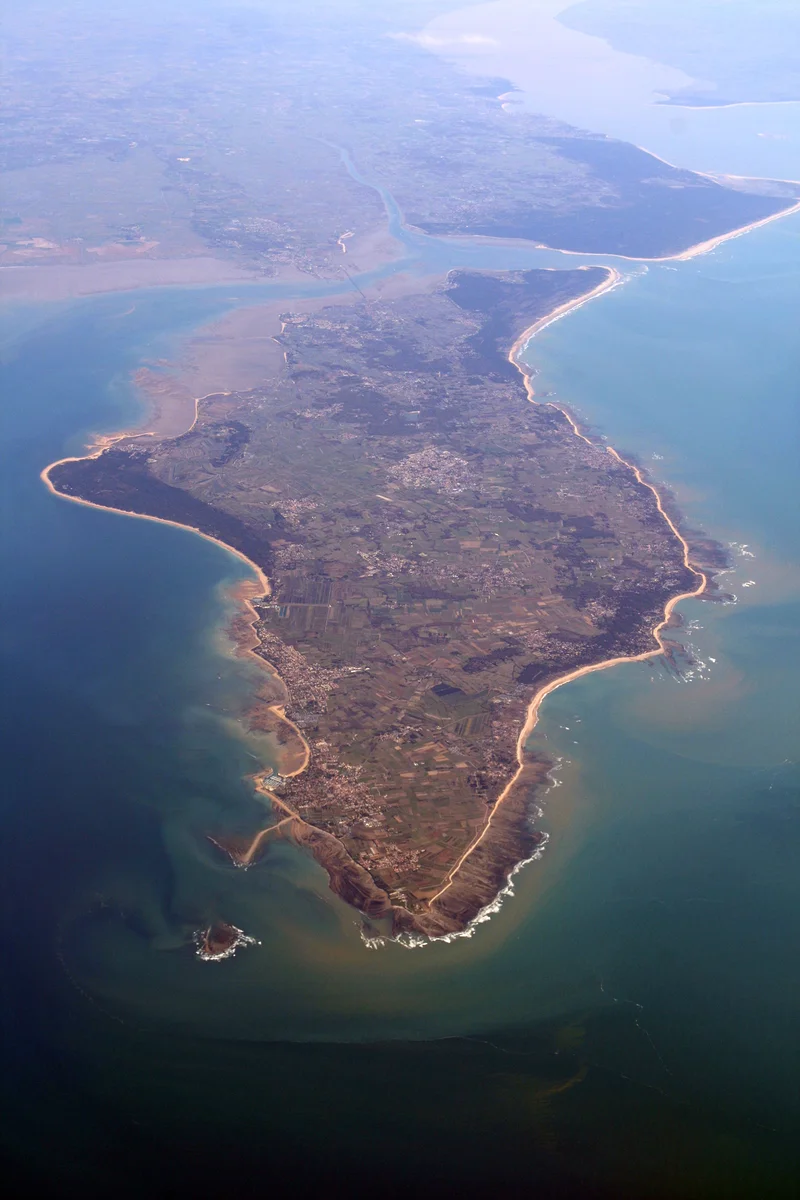
Its geographic location, on the banks of the Charente and not far from the ocean, gives it an interesting setting, right between the river and the heritage sites.
I recommend it.