

Île d'Aix, where time stands still
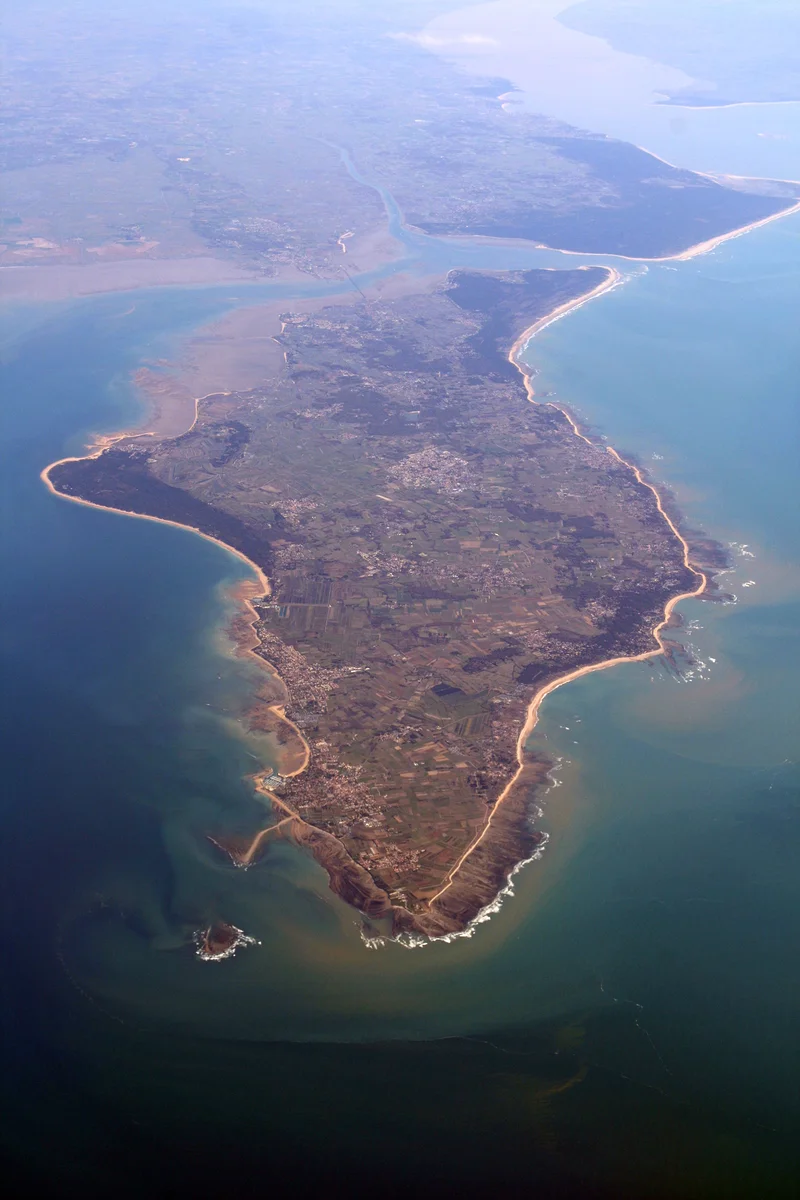
Have you ever heard a silence broken only by the lapping of water and the cries of gulls? That is the first thing that strikes you when you set foot on this crescent of land off the Atlantic coast. Île d'Aix is not just a destination, it is a complete disconnect. Forget the roar of engines; here, the only rhythm is the pace of your footsteps or the spin of your bicycle wheels along paths bordered by hollyhocks.
Île d'Aix: a well-kept secret just for you
This 130-hectare sliver of land is a waking dream for souls seeking tranquility, families looking for a simple escape, and history buffs fascinated by the lingering shadow of Napoleon. If you thrive on big-city adrenaline or the thought of relying on a ferry schedule gives you anxiety, you might find the pace challenging. This island demands to be earned and experienced in slow motion.
It is a destination you tackle without a car, wearing comfortable walking shoes and carrying some cash since there are no ATMs on the island. A modest budget goes a long way for a day trip, but plan ahead if you want to stay overnight, as lodging options are as charming as they are limited. Île d'Aix is made for those ready to unplug.
The core of the experience: exploring at an island pace
Pedaling between history and nature
Bicycles reign supreme on the island. As soon as you disembark, you will find rental shops ready to set you up with a ride for the day. It is the best way to get a feel for the place: rolling through the fortified village, skirting hidden coves with crystal-clear water, and slipping into the holm oak forest. The paths are flat and accessible to everyone, and a two-to-three-hour ride is enough to circle the entire island.
Exploring the fortifications feels like a treasure hunt. To the north, Fort Liédot, tucked away in the greenery, is an architectural surprise. To the south, Fort de la Rade guards the entrance to the harbor. In between, abandoned military batteries hint at the strategic importance of this little pebble that once locked down access to the Rochefort naval arsenal.
Friendly tip: do not stick strictly to the main road. Take the small trails branching off toward the coast. That is where you will get the best views of Fort Boyard and find quiet, secluded beaches far from the crowds at the ferry landing.
In the footsteps of the Emperor
You cannot talk about Aix without mentioning Napoleon Bonaparte. This is where he spent his final days on French soil before his exile to Saint Helena. The house where he stayed is now the Musée Napoléon, a poignant site chronicling that historic episode. The entire island carries his mark, from Place d'Austerlitz to rue Napoléon.
For an unexpected change of pace, stop by the Musée Africain. Inside, you will find the zoological and ethnographic collections brought back by Baron Gourgaud, a former governor of the island. It is a journey within a journey, an eccentric curiosity in the Charente landscape.
Friendly tip: buy a combination ticket for both museums. It helps you grasp both sides of the island story, from the imperial saga to the far-flung explorations of its residents.
The coastline, an invitation to unwind
The beaches on Île d'Aix each have their own personality. Grande Plage, facing west, is ideal for its fine sand and wild backdrop. Closer to the village, Anse de la Croix is the most family-friendly option, lifeguarded in the summer and offering a postcard view. For more privacy, seek out coves like Baby Plage or plage aux Coquillages, tucked behind the pine grove.
Friendly tip: watch the tides. They are strong and can completely transform the landscape in a matter of hours. A massive beach at low tide can vanish entirely at high tide. Check the schedule so you do not get caught off guard.
Where to eat and drink on Île d'Aix
The culinary scene is straightforward and ocean-focused. Try the local oysters, often served straight from the producers. Several restaurants serve fresh catch from La Rochelle and local seafood. Grab a table at spots like Le Pressoir for traditional cooking or Isola Nostra for wood-fired grills. For a quick bite, a crêpe at La Crêperie du Port always hits the spot.
How to get to and around Île d'Aix
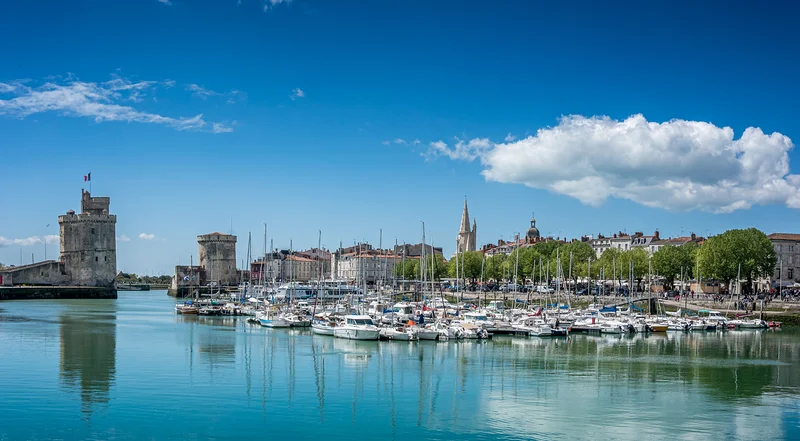
The only way in is by boat. The main ferry crossing runs year-round from Pointe de la Fumée in Fouras and takes about twenty minutes. In the summer, additional cruises depart from La Rochelle and neighboring islands. Leave your car in the mainland paid parking lots. Once you arrive, your best options are your own two feet, a bicycle, or a horse-drawn carriage for a guided tour. The island is compact enough to explore entirely on foot within a few hours.
When to go
May, June, and September are ideal for catching pleasant weather without the summer crowds. You will feel like you have the island to yourself. Summer brings heavy traffic; arrive on the first boat of the morning to enjoy a few hours of quiet before the day-trippers pour in. You may want to skip long holiday weekends if absolute solitude is what you are after.



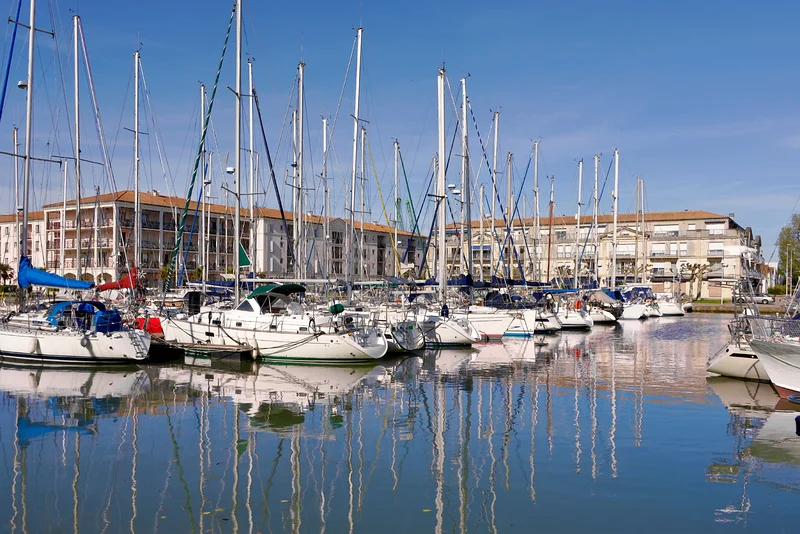
I had a really beautiful day on the île d'Aix. Taking the boat from La Rochelle makes it very easy to get there, and you can also see Fort Boyard on the way. While the port isn't particularly pretty, I really loved the natural and peaceful setting of the island, with its coastline that is still wild. Once you are there, you can rent bikes. It is a good option for riding around the entire island in a few hours and enjoying the beach.
The île d'Aix is also home to a charming little village with colorful houses. Something I appreciated is that the place isn't overrun with tourist shops. I brought back some pretty seashells as a souvenir. Go when the weather is nice, because the boat ride can be a bit bumpy.