
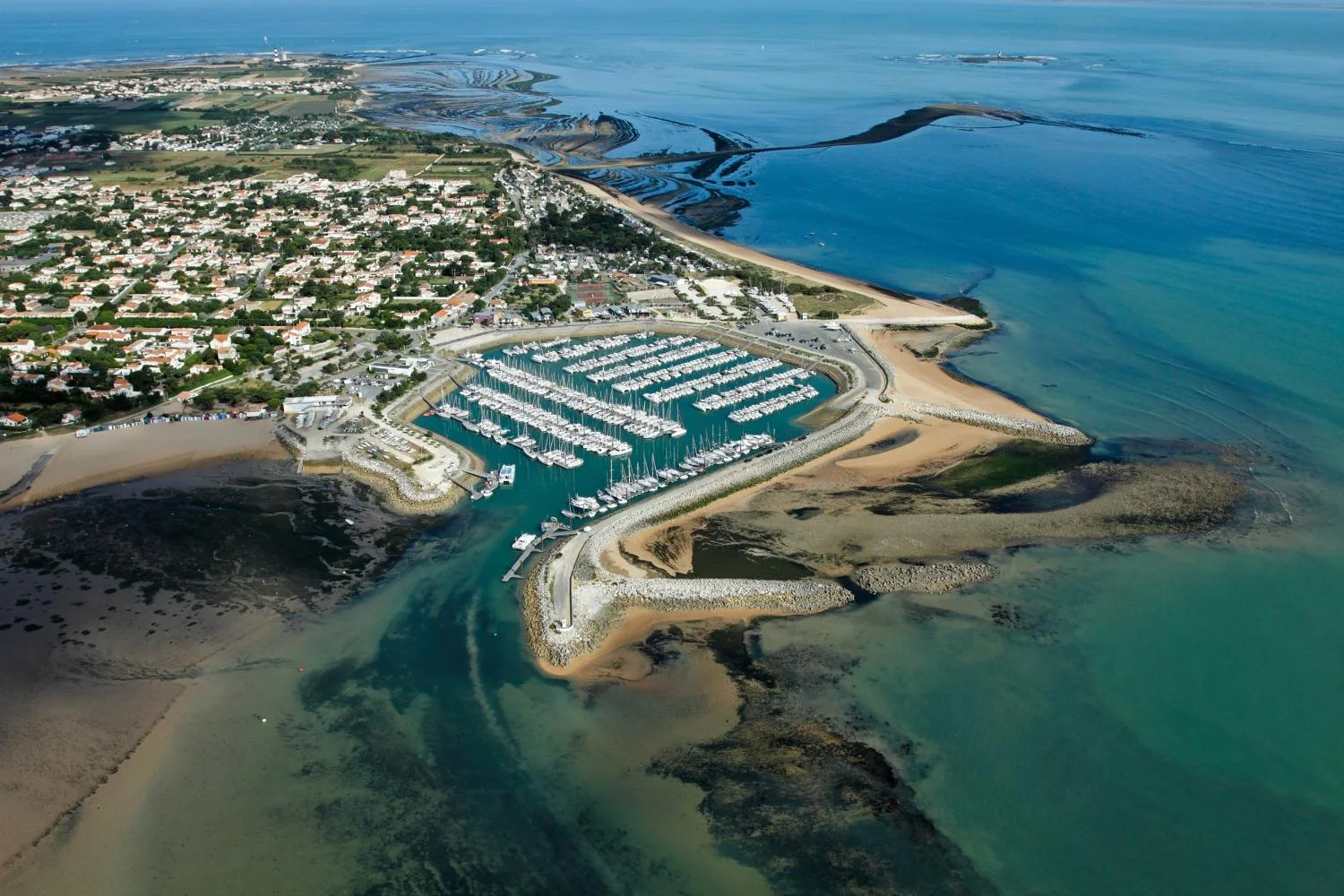
Saint-Denis-d'Oléron, the end of the world at the tip of the island
From the cliffs of Chassiron, stone fish weirs trace massive horsehoes across the intertidal zone. These semicircular low walls trap fish as the tide pulls back. A few figures in rubber boots wade through the seaweed. Welcome to the northernmost tip of the island of Oléron, facing the Pertuis d'Antioche strait.
Saint-Denis-d'Oléron, the quiet side of the island for those escaping the crowds
This village of 1,400 residents appeals to travelers looking for the slow pace of a former fishing port. Families enjoy the Plage de la Boirie, protected and lined with 1900s-style colorful beach huts. Surfers find five kilometers of sand on the Plage des Huttes, on the Atlantic side.
If you are looking for nightlife or elaborate dining, keep driving. Saint-Denis remains a quiet village where daily life follows the tides. A few sidewalk cafes on the harbor, a morning market in season, and the sun sets early.
A reasonable budget, typical of the island of Oléron
Expect to pay from $57 to $135* a night for a campsite or vacation rental, and from $14 to $23* for a simple meal on the harbor. A combined visit to the Chassiron lighthouse costs $5.70*. Bicycles remain the most economical way to get around the island.
The Chassiron lighthouse, sentinel of the Pertuis d'Antioche
The Chassiron lighthouse is the primary reason visitors make the trip up here. Standing 46 meters tall and marked by three black bands added in 1926, it has watched over the Pertuis d'Antioche since 1836. Before it stood, a tower built under Colbert in 1685 already guided ships toward the naval arsenal of Rochefort.
Its 224 steps lead to a panorama that rewards the effort. On a clear day, you can spot La Rochelle, the island of Ré, Aix Island, and Fort Boyard. At the base, a compass-rose garden designated as a Remarkable Garden and an audio-guided museum in the rotunda focus on coastal life.
Friendly tip: nighttime tours of the lighthouse, offered in summer, let you watch the sunset from the top and see the lantern automatically turn on. Reserve by phone at 05 46 75 18 62.
Beaches and weirs, the sea on two sides
On the east side, the Plage de la Boirie overlooks the Rade des Basques. Calm water, fine sand, and those painted wooden beach huts that recall the 19th-century craze for sea bathing. It is the quintessential family beach, complete with a sailing school and beach club in season.
On the west side, everything changes. The Plage des Huttes rolls out five kilometers of sand facing the Atlantic, offering ideal conditions for surfing, bodyboarding, and kitesurfing. The wind blows hard here, which is great for athletes but less than ideal for families with young children.
At low tide, the Pointe de Chassiron reveals its fish weirs, dry-stone structures centuries old. Seventeen remain in operation on the island. Guided tours explore the rocky foreshore and its edible seaweeds. Bring boots.
Nature and heritage beyond the lighthouse
The Grand Marais Papineau bird reserve, a former salt marsh, hosts gray herons, greylag geese, and mallards. You cannot enter on foot, but a bike path loops all the way around it. In winter, up to 80,000 migratory birds gather here.
The seven hamlets in the municipality preserve about thirty ancestral stone wells that are still used, alongside narrow alleys designed to break the wind. Saint-Denis Church, an 11th-century Romanesque building, houses a frigate-shaped ex-voto named Le Napoléon, classified as a historical monument since 1958.
Friendly tip: the Chemin d'Oléron trail, an 18.5 km hike from Saint-Denis to Domino, crosses Chassiron, the weirs, the Papineau marsh, and the villages of Chaucre. It takes a full day to see the best of the northern part of the island.
Boat trips to Fort Boyard, Aix Island, and La Rochelle
The harbor also serves as a departure point for cruises. The most popular route passes right by Fort Boyard, the fortress made famous by the television game show. You cannot step ashore, but the view from the boat is worth the trip. Other cruises head to Aix Island, tiny and car-free, or La Rochelle via a seasonal shuttle.
Where to eat and drink in Saint-Denis-d'Oléron?
The culinary scene stays simple and ocean-focused. Marennes-Oléron oysters are the star attraction, best sampled at the oyster shacks along the Route des Huîtres or at the morning market on Place Charles de Gaulle. Blue mussels, Oléron early potatoes, and marsh samphire round out the menu.
On the harbor, restaurants housed in former colorful fishermen's huts serve seafood platters and grilled fish. Le Jour du Poisson in the town center is a dependable choice. Le Bistrot du Port wins visitors over with its harborfront setting facing the boats. For a quick bite, Le Bon Camion serves solid house-made mussels and fries.
Where to stay in Saint-Denis-d'Oléron and nearby?
Traditional hotels are practically nonexistent here. Lodging centers on campsites and vacation rentals. The municipal campsite Le Soubregeon, on the edge of the beach near the harbor, offers an unbeatable location. Le Sabia campsite offers mobile homes with rooftop terraces and sea views.
For more comfort, the Hameaux des Marines in Les Huttes rents chalets 300 meters from the ocean. In peak season, book several months ahead.
How to get to and around Saint-Denis-d'Oléron?
From Paris, figure on about 5 hours via the A10 through Saintes. From Bordeaux or Nantes, plan for about 2.5 hours. The Oléron Island bridge is toll-free, giving it an advantage over the island of Ré. By train, the stations in Rochefort and Saintes are under an hour away. In summer, a maritime shuttle connects Saint-Denis to La Rochelle. The nearest airport is La Rochelle, about 70 km away; from North America you fly into Paris or Bordeaux and drive from there.
Once you arrive, bikes reign supreme. Bike paths span the entire island, and rental shops line the harbor. Narrow roads and tough summer parking make two wheels the smart choice.
When to go?
The ideal season runs from June to September, boasting some of the highest sunshine totals on the Atlantic coast. July and August draw heavy crowds, and lodging prices spike. September offers the best compromise: the water is still warm, the light is golden, and the crowds thin out. In winter, most shops close, but it is the top season for watching migratory birds at the Papineau marsh.
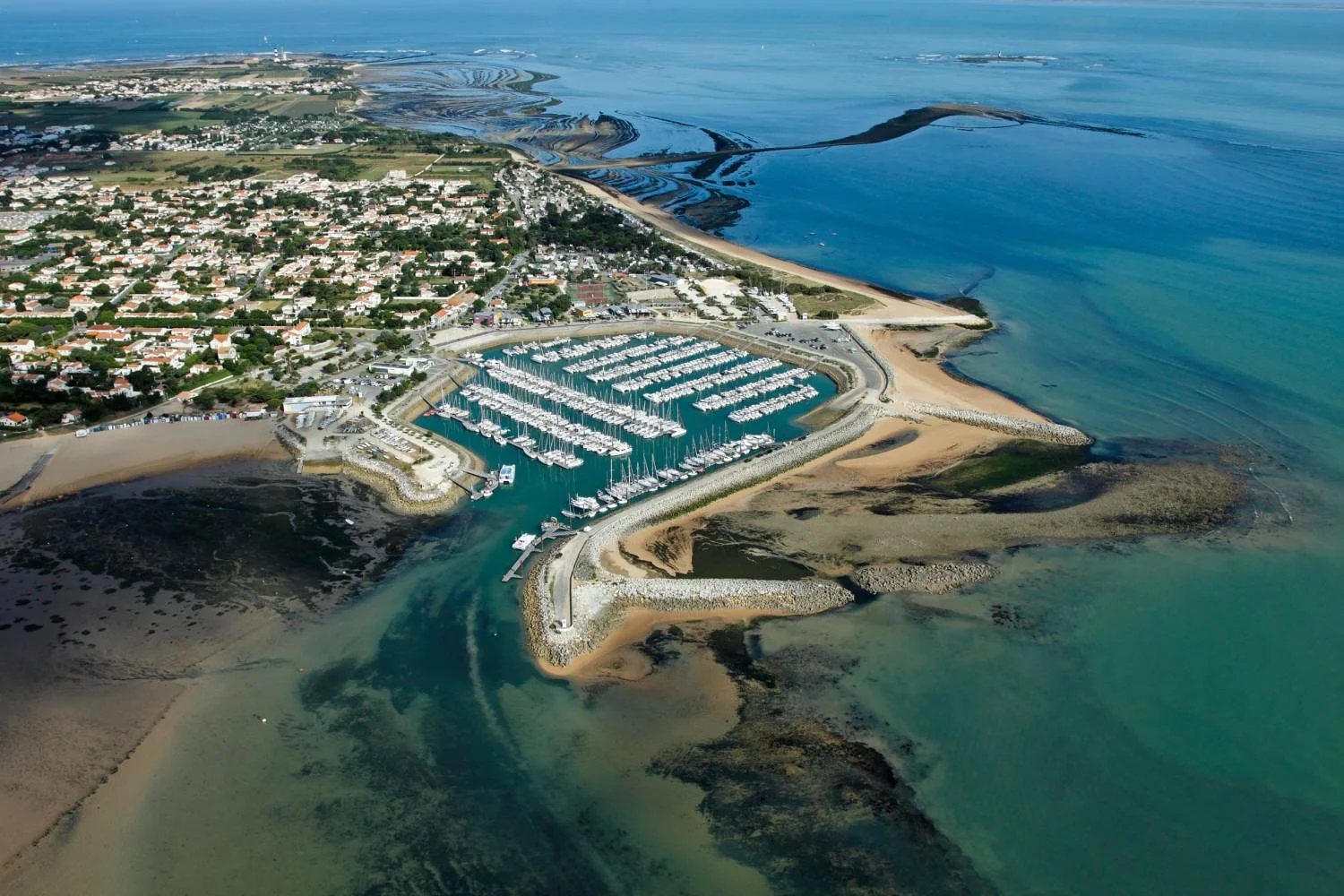
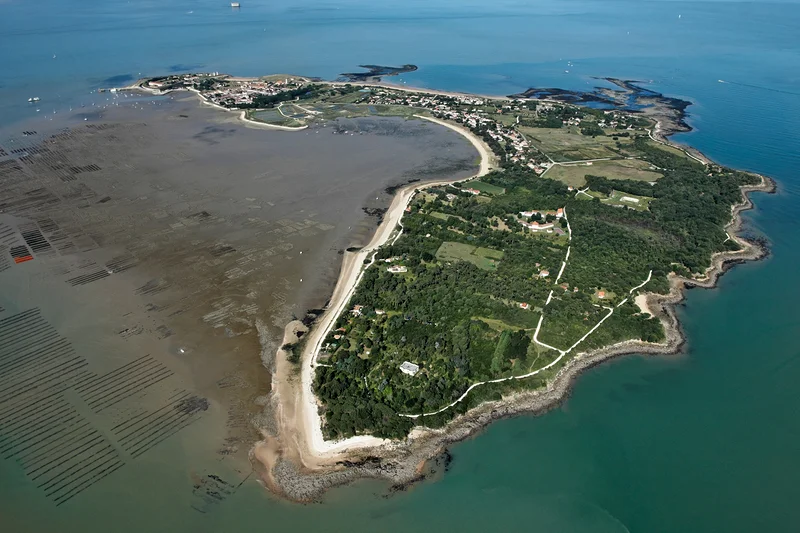
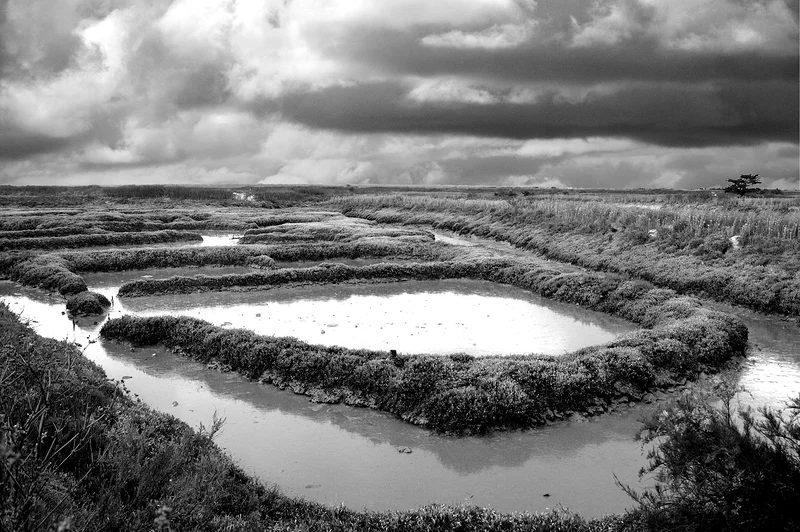
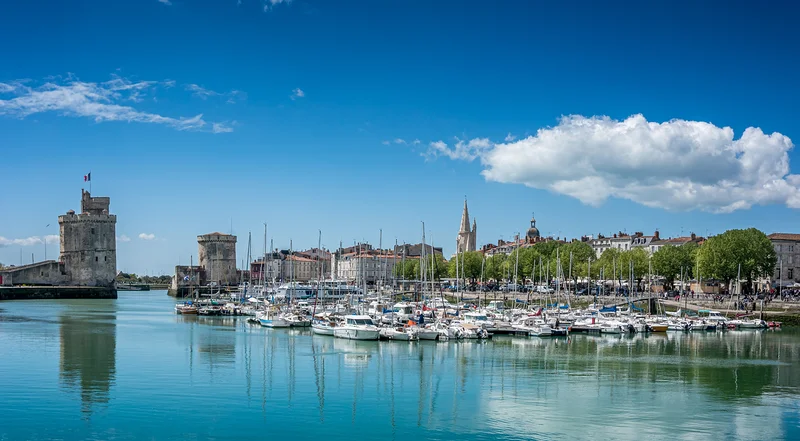
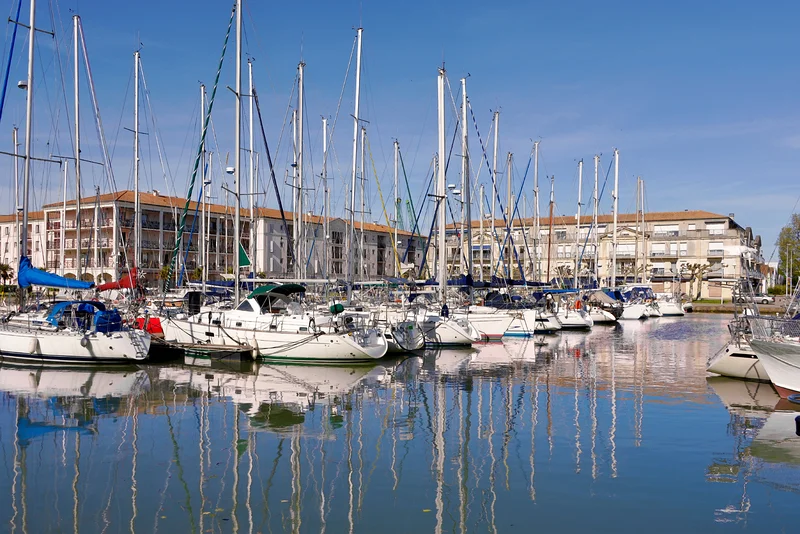
Saint-Denis-d’Oléron is a charming town located on the north side of the island.
I love its beaches, its lively port, and especially its iconic lighthouse that offers a superb view of the ocean.
The atmosphere is pleasant and family-friendly, ideal for walks or bike rides, with a well-preserved and refreshing natural setting.
I highly recommend the bike paths.