
Where to stay in Zagreb: the 4 neighborhoods to know in 2026
For many travellers, Zagreb is the stop before the coast: two nights, long enough to see the upper town and head on to the Adriatic. Our members say so plainly. That is useful information rather than a complaint: on such a short stay, what matters is sleeping inside the small perimeter where everything sits.
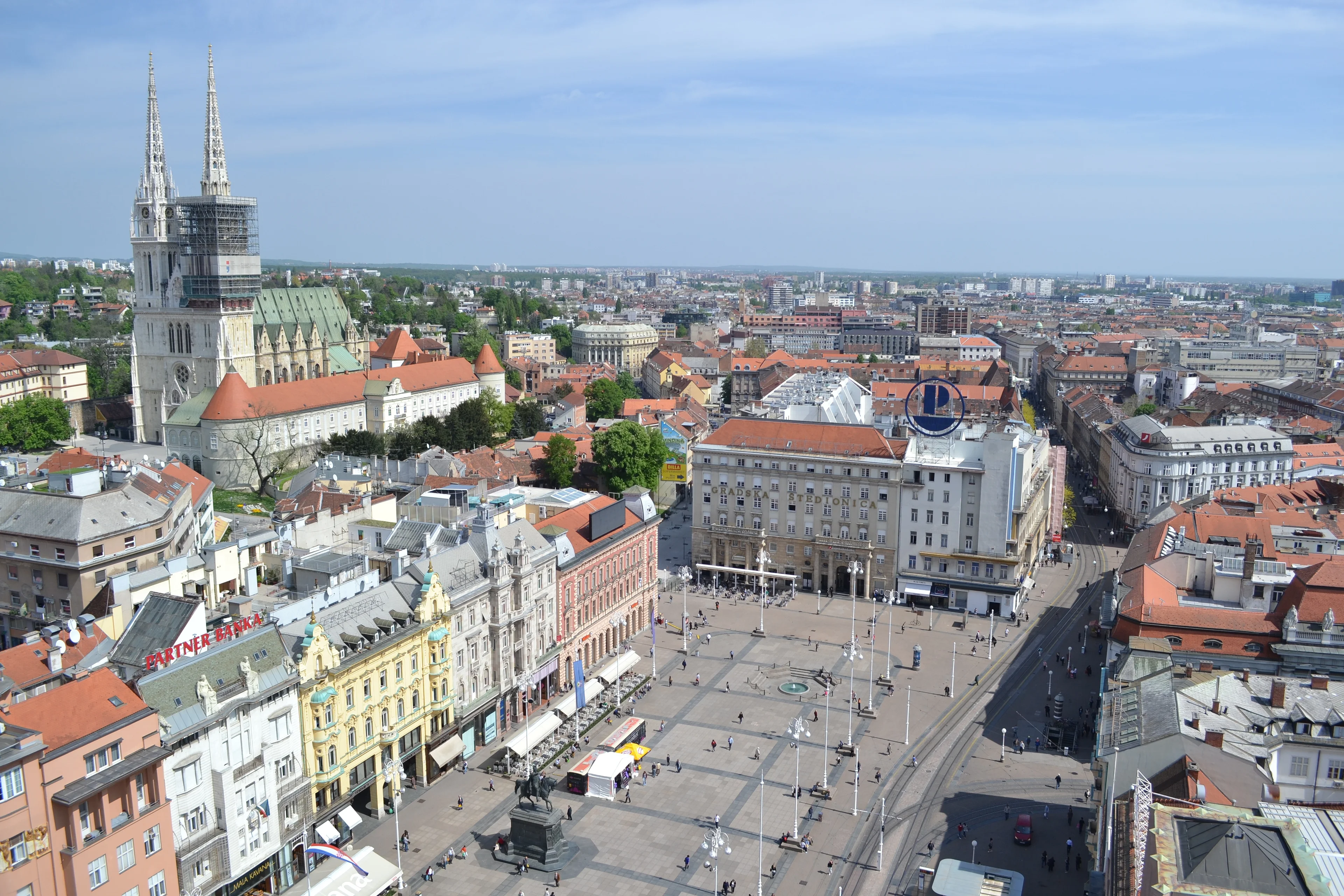
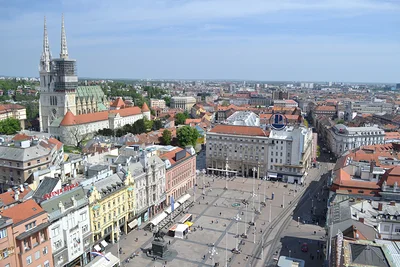
That perimeter is quickly described. The old town's two hills, Kaptol and Gradec, look down on the Dolac market and Ban Jelačić square, where the trams converge. Four sectors follow, three in the centre and one in the green. Zagreb stays cheap: a simple central double costs around $73*, a handsome room 110, a dorm under 20. Only December pushes the bill up.
The Croatian capital is interesting to visit, but you can see it pretty quickly and I preferred other destinations in the country.
Compare hotel prices in Zagreb
In a hurry? Find the best accommodation deals in 3 clicks.
Compare live deals from Booking, Expedia, Agoda and other partners.
At a glance: our picks by traveller type
Pick the profile that suits you to head straight to the recommended neighborhood.
The neighborhood map in Zagreb
Get your bearings on the neighborhoods and must-see sights before choosing where to drop your bags. Click a name to jump to its description.
Ban Jelačić, Dolac and Tkalčićeva The centre, between the two towns
for a first visit and for losing nothing to travel time
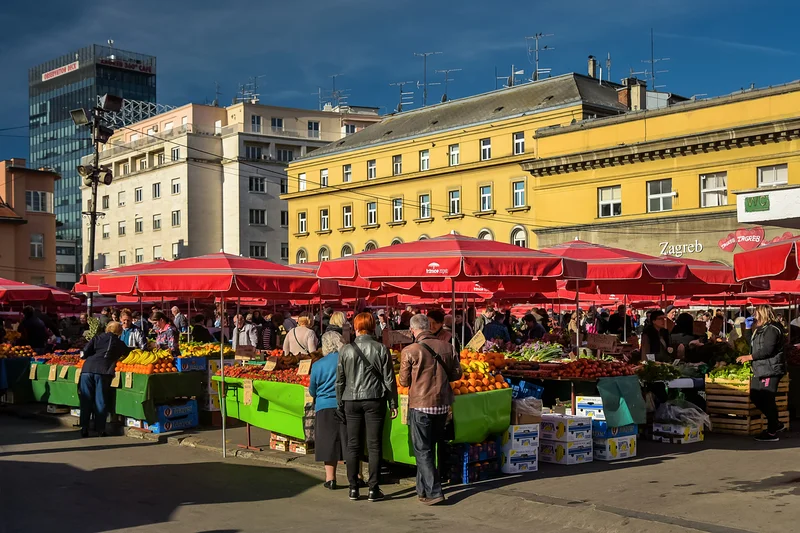
The handiest sector when you only stay two nights. Ban Jelačić square is the tram hub: For Jeanne-Sbrn it is « the meeting point for many tram lines », and the starting point for guided tours. Just behind, the Dolac market puts out its red parasols every morning, and Tkalčićeva street lines up cafés and bars until late in the night. The flip side is one word: noise. Ask for a courtyard-facing room.
What to see & do in the neighborhood
Where to stay in this neighborhood
Amadria Park Hotel Capital Luxury
A 1921 former bank turned hotel in 2018, on Jurišićeva street, five minutes from Ban Jelačić square. Spa, high ceilings and the exact centre at the door.
Hotel Dubrovnik Mid-range
The 1929 institution planted on the corner of Ban Jelačić square. Ask for a room over the square: it is the best view of Zagreb life, and the noise comes with it.
Main Square Hostel Budget
Twenty metres from the square, on Radićeva street, at the foot of the funicular. Dorms and private rooms, with a rooftop terrace nook.
Pros
- The Dolac market and the trams at your feet
- Nothing more than a ten-minute walk away
Cons
- The noisiest sector at night
- A courtyard room is essential
Gornji Grad and Kaptol The upper town, on the two hills
for the cobbles, the coloured roofs and quiet evenings
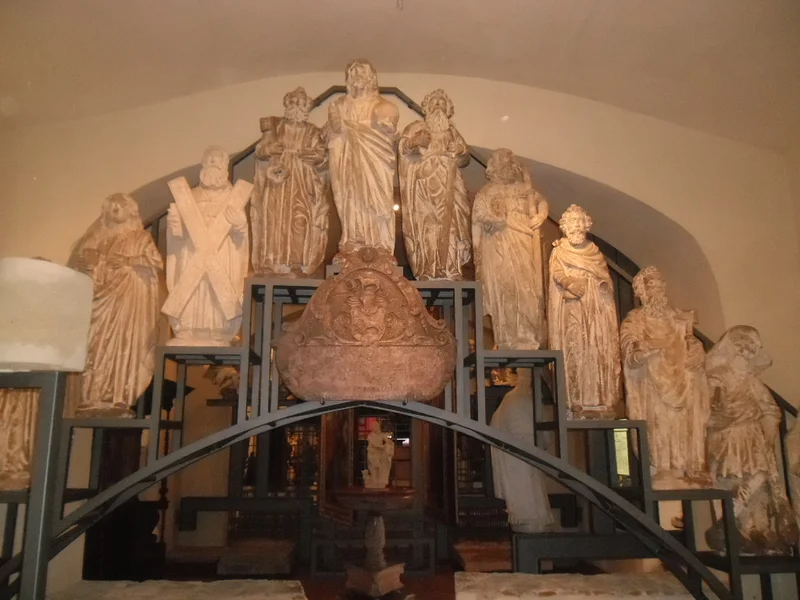
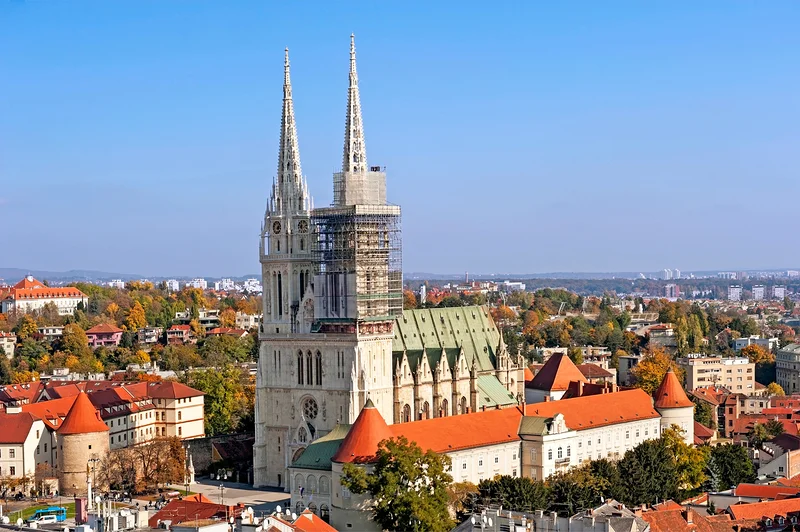
The old town sits on two neighbouring hills. On the Kaptol side, the cathedral and its two spires; on the Gradec side, St Mark's church and its coat-of-arms tiled roof, the Lotrščak tower whose cannon booms at noon, and the one-minute funicular back down to Ilica. What Mystic remembers of the upper town is « its old cobblestone streets, its flower-filled cafe terraces » and the view from the Strossmayer promenade. Worth knowing before you book: there are almost no hotels on the hill itself. You sleep below, on Ilica, and climb up on foot or by funicular.
What to see & do in the neighborhood
Where to stay in this neighborhood
Hotel Jägerhorn Luxury
The city's oldest hotel, opened in 1827, hidden at the end of an Ilica passage with a garden backed against Gradec hill. Only eighteen rooms, and the climb to the upper town right behind.
Hotel Park 45 Mid-range
Forty-five rooms on Ilica, the long shopping street running along the foot of the hill. Plain and well kept, a ten-minute walk from Ban Jelačić square.
Swanky Mint Hostel Budget
A 19th-century dye works turned hostel, with a courtyard bar and a rooftop pool in summer. The liveliest in Zagreb, two steps from the climb up to Gradec.
Pros
- The hill museums on foot
- Very quiet once the sightseeing ends
Cons
- Almost no hotels on the hill itself
- It climbs, and the cobbles are uneven
Donji Grad and the Green Horseshoe The lower town, down to the station
for arriving by train, for the museums and for space
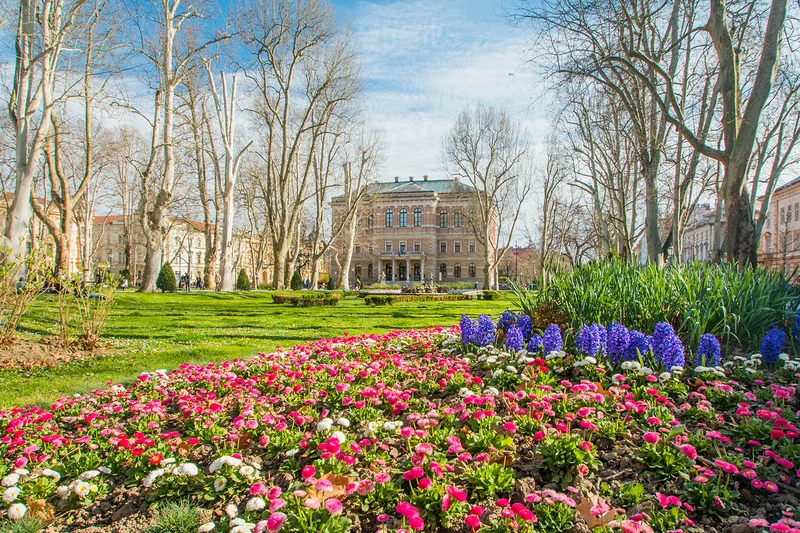
The Austro-Hungarian lower town lines up a run of planted squares, the Green Horseshoe, from Zrinjevac park down to the station. The great museums are here, from the Mimara to the archaeological, along with the National Theatre. Do not expect the calm of a country park: Ariane describes a pleasant Zrinjevac, but one where « It is pleasant, but there is a lot of foot traffic. ». It is the right pick if you arrive by train and want space; in the evening, though, life is elsewhere.
What to see & do in the neighborhood
Where to stay in this neighborhood
Esplanade Zagreb Hotel Luxury
The 1925 palace, built for Orient-Express travellers and still the city's most prestigious address. Facing the station, original Art Deco and a spa.
Hotel Le Premier Mid-range
A small five-star in the lower town, on kralja Držislava street, a quarter of an hour's walk from the central square. Contemporary rooms and a well-regarded restaurant.
Pros
- The station and the great museums on foot
- Wide streets and parks everywhere
Cons
- Very quiet once night falls
- The parks stay urban and busy
Maksimir, Medvednica and the hills East and north, in the green
for walking, for the zoo and for the mountain
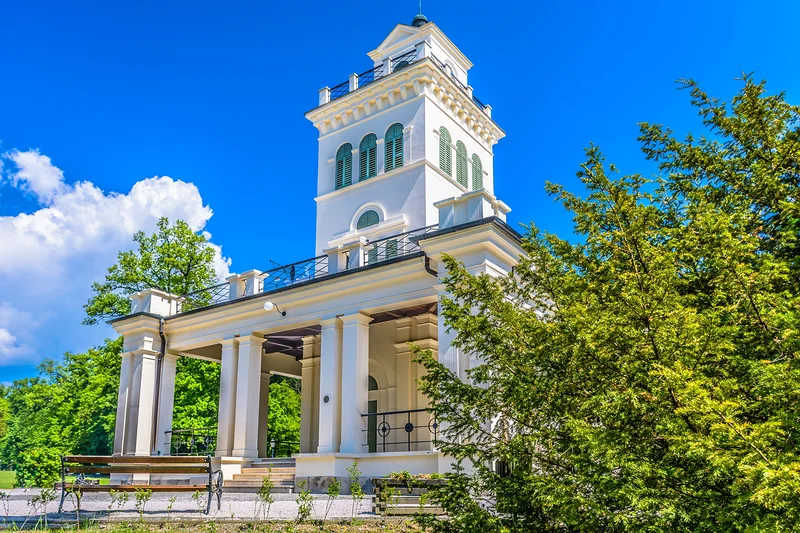
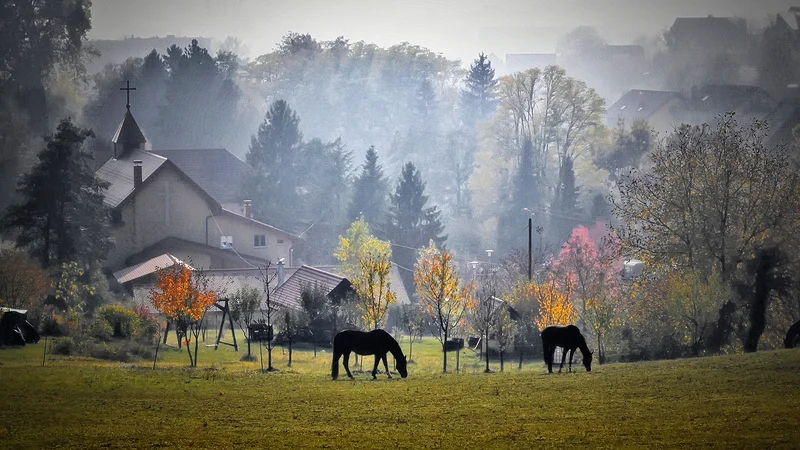
Zagreb's green side, and its drawback: the distance. To the east, Maksimir park and its zoo easily fill half a day; to the north, the Medvednica mountain climbs towards the Sljeme, with the Medvedgrad fortress and the Mirogoj cemetery on the way. This is a sector for people who come to walk, not to sightsee: every trip to the centre needs a tram or a bus, and there is nothing to do here in the evening.
I lived in Zagreb for a few months and this place became a real refuge. I went there very often, especially when it was really hot in the summer to look for a little bit of cool air.
What to see & do in the neighborhood
Where to stay in this neighborhood
Hotel Puntijar Luxury
A family house run by five generations in Gračani, on the road up the Medvednica, with a well-known restaurant and a Croatian gastronomy museum. The Sljeme is two kilometres away, the centre a seven-minute drive.
Hotel Vila Tina Mid-range
A twenty-five-room villa in the wooded quiet of Maksimir, with free parking. You need the tram to reach the centre, but the park is at the end of the street.
Pros
- The park and the mountain on waking
- Parking, which is rare here
Cons
- A tram or a bus for every trip
- Nothing to do here in the evening
Our tips for booking the right place
- Saturday morning belongs to the terraces: The špica is an institution: on Saturday, people in Zagreb dress up to drink a coffee on a terrace and watch the city go by, for hours. The centre and Tkalčićeva street fill up from mid-morning, and the tables go early. It is the moment of the week when staying in the centre pays off most: you just walk down.
- Everything is walked, except the mountain: The blue ZET tram grids the city, but the centre is covered on foot and the funicular links the two towns in one minute. The Medvednica, though, needs a bus and a genuine half day. Ariane, who hiked up to the Sljeme, advises going early: « It is better to get there early in the morning and on a weekday to enjoy the peace and quiet. »
- December fills the hotels: Zagreb's Christmas market has been voted Europe's best several times, and the city changes face: an ice rink near the station, stalls in Zrinjevac park, concerts. Jeanne-Sbrn, who lived there for five months, makes it her first recommendation. Book several weeks ahead for that period. Spring and early autumn offer the best climate-to-price balance; in summer, the city empties towards the coast.
- Rooms facing Tkalčićeva street and the bar lanes, if you sleep lightly: the terraces close late. Ask for a courtyard room, or move one street back.
- Cheap listings in Sesvete or Novi Zagreb described simply as « Zagreb »: these are outer districts, fifteen to twenty minutes by car from the centre. Over two nights, the journeys cost more than the saving.
- Hotels « near the airport » for a city break: Franjo Tuđman is about twenty minutes away by shuttle, with nothing around it. They only make sense for a very early flight.
FAQ: where to stay in Zagreb
Which neighbourhood for a first time in Zagreb?
Where to stay in Zagreb on a budget?
Which neighbourhood for families?
Which neighbourhood for going out at night?
Do you need a car in Zagreb?
How much does a hotel night cost in Zagreb?
 Keep exploring
Things to do in Zagreb
Keep exploring
Things to do in Zagreb
Comments (0)
No comments yet. Be the first!