
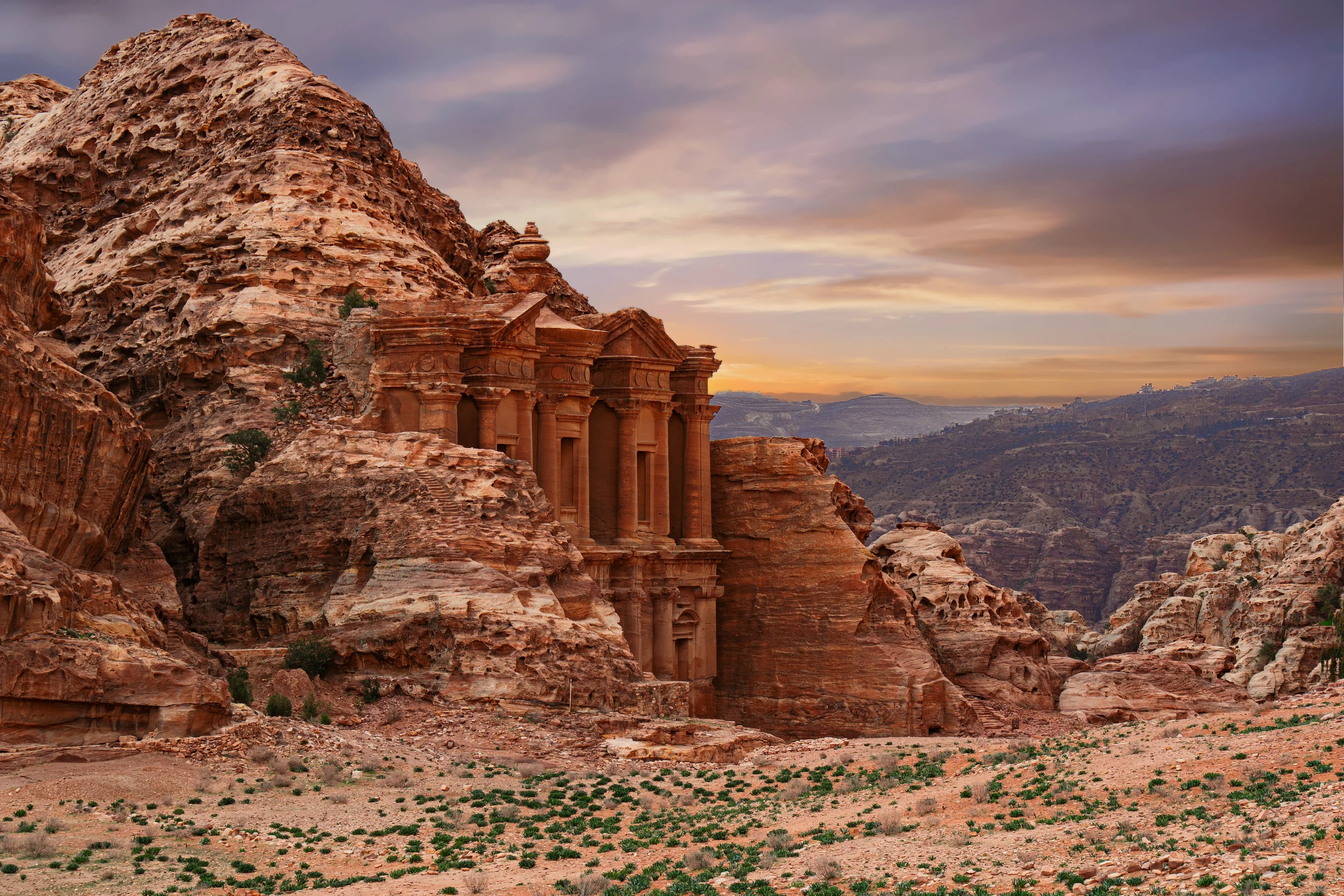
Visiting Wadi Musa, the Gateway to Petra and Beyond
A Town Built for Petra Visitors
Wadi Musa, literally meaning the Valley of Moses, is a Jordanian town located right next to the archaeological site of Petra. This location makes it an essential stop for anyone exploring the area. The town has grown to serve travelers, offering plenty of hotels, restaurants, and local craft shops, but it also holds enough character to warrant spending actual time here.
What to See in Wadi Musa and Around
Beyond Petra itself, the town provides a few points of interest. The Petra Museum, sitting right at the entrance of the archaeological park, displays a solid collection of artifacts and historical context to help explain the Nabataean civilization. The Spring of Moses is a modest yet symbolic site tied to regional biblical lore.
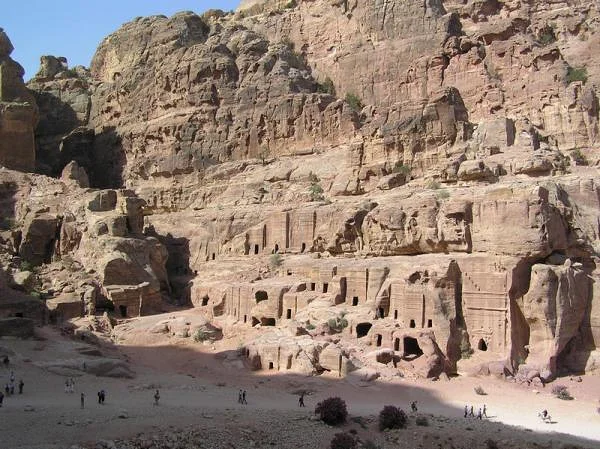
Nearby, the village of Beidha, next to Siq al-Barid, the Nabataean site nicknamed Little Petra, offers a quieter atmosphere. This Neolithic site is known for its history and well-preserved cave dwellings carved straight into the rock face.
Things to Do
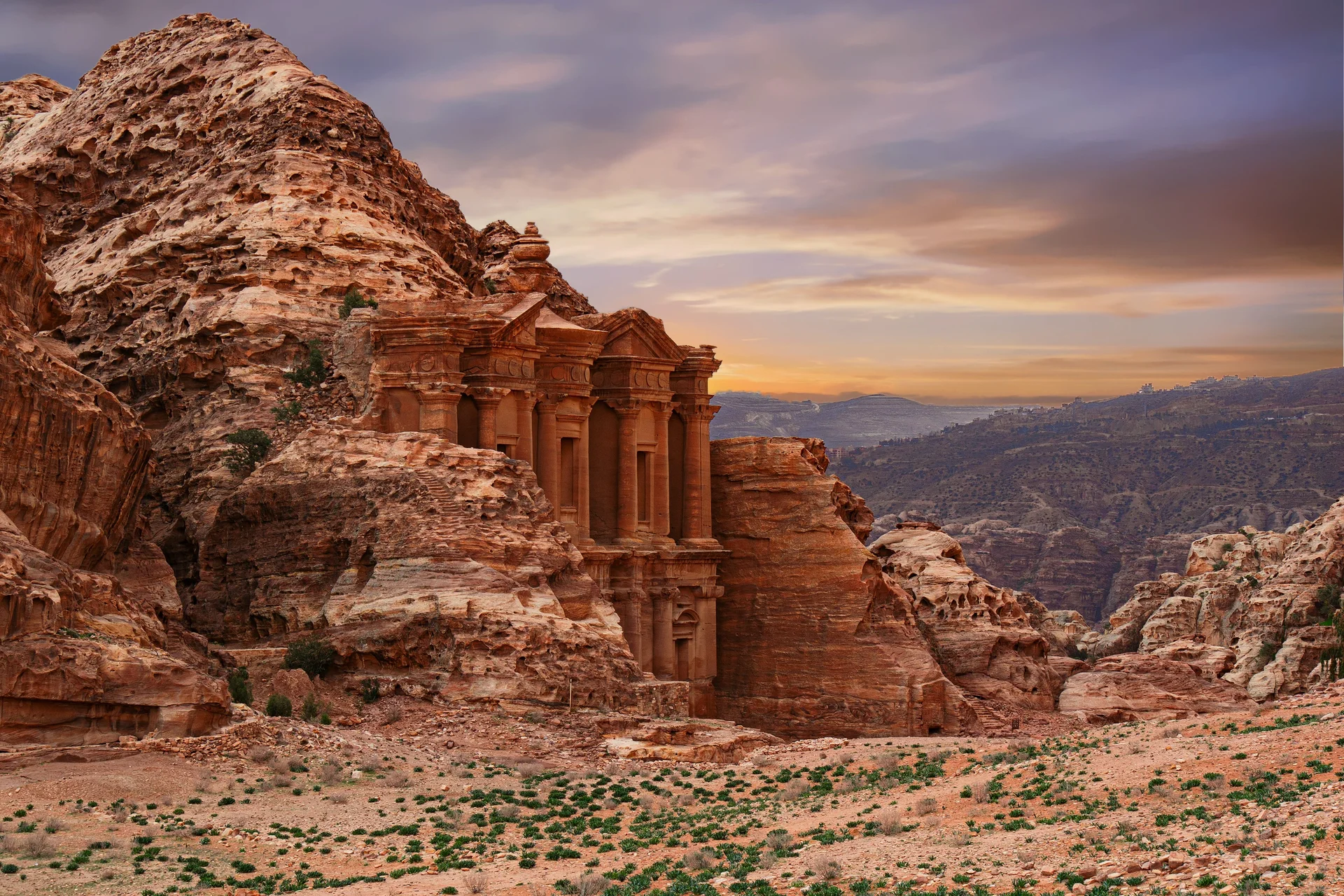
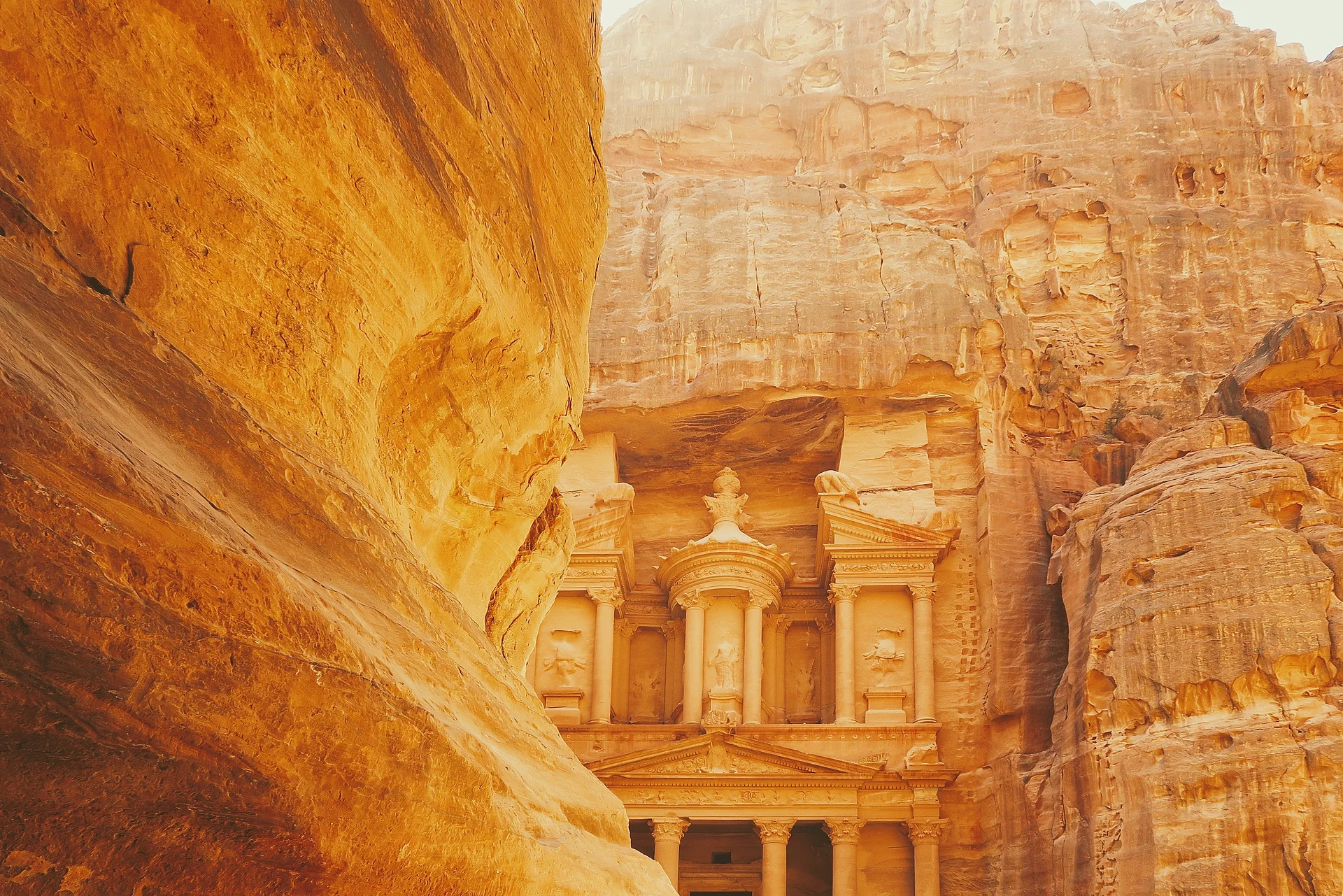
Wadi Musa works well as a base for outdoor excursions. Guided hikes through the surrounding mountains lead through rugged terrain away from the main tourist paths. The Al-Khubtha trail, for instance, rewards the climb with a high-angle view looking down onto the Treasury from a secluded ledge.
In town, wandering through the local souk is straightforward and rewarding, where you will find handmade Bedouin jewelry and woven textiles.
Local Food to Try
Wadi Musa gives you a solid opportunity to sample traditional Jordanian cooking. Make sure to try mansaf, the national dish featuring lamb cooked in fermented dried yogurt and served over a mound of rice. For dessert, look for knafeh, a warm cheese and semolina pastry soaked in sweet sugar syrup. Some local spots also serve traditional Bedouin zarb meals cooked in underground sand ovens.
When to go
The ideal times to visit Wadi Musa are spring (March to May) and autumn (September to November). Daytime temperatures stay manageable, avoiding the extreme summer heat and chilly winter nights. October often brings cultural gatherings like evening Bedouin music sessions set up around the area.
How to get there
Wadi Musa is accessible from Amman, the Jordanian capital, located 250 km away. Driving or taking a taxi takes 3 hours, with private fares running 80 to 100 JOD. Public bus lines like JETT provide a direct route starting at 11 JOD. International flights land at Queen Alia International Airport in Amman, the primary entry point for the country; Royal Jordanian flies there nonstop from New York, Chicago, Detroit and Montreal. The closest airport to Wadi Musa is actually Aqaba, about 120 km and two hours away, though it handles far fewer routes.
This is likely the town where you will stay for a few nights if you are visiting Petra.
Comfortable hotels, and quality dining if you are willing to pay the price. As you might expect, prices in this region are higher than in the rest of the country.