Jordan, a Kingdom of Lost Cities and Cinematic Deserts
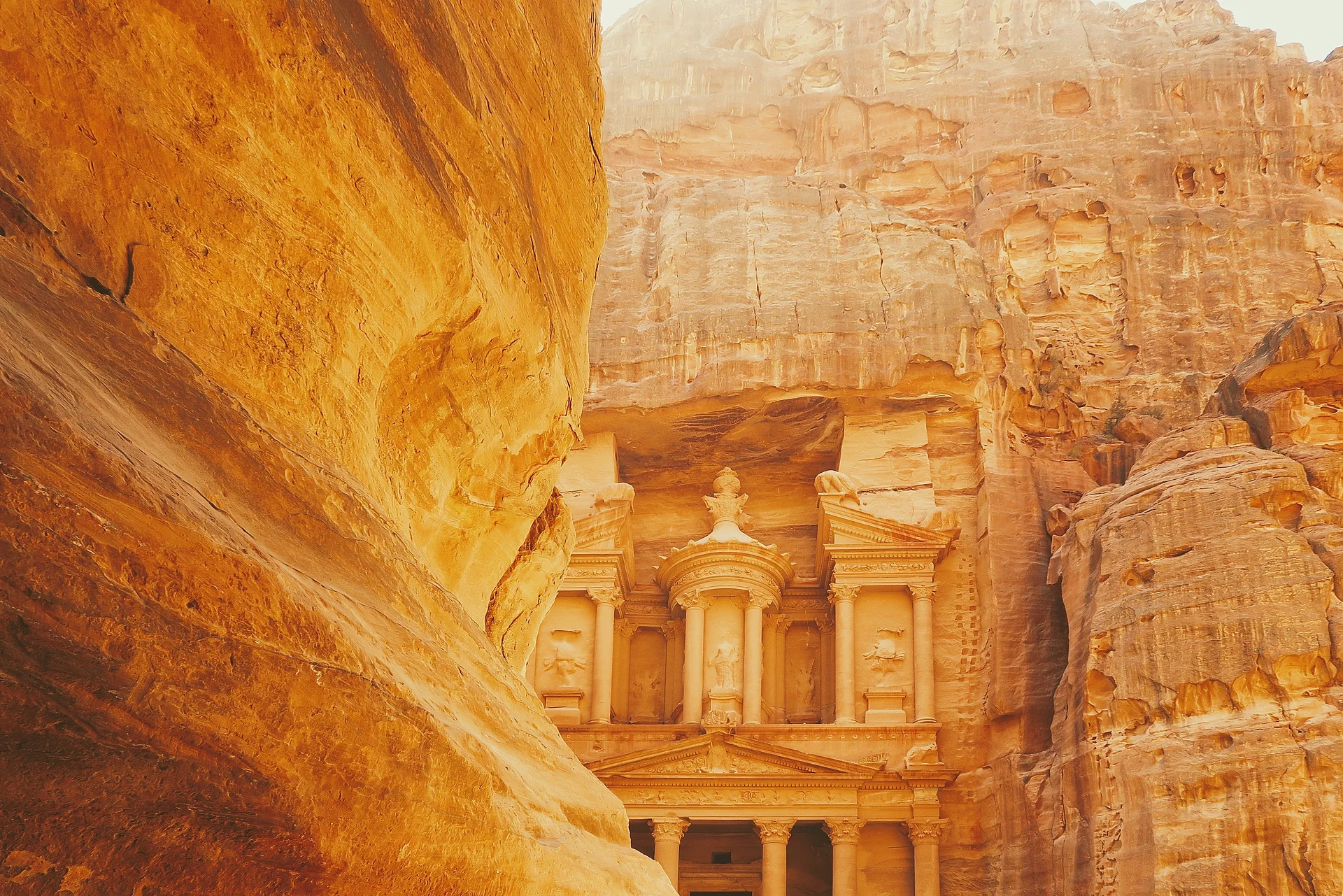
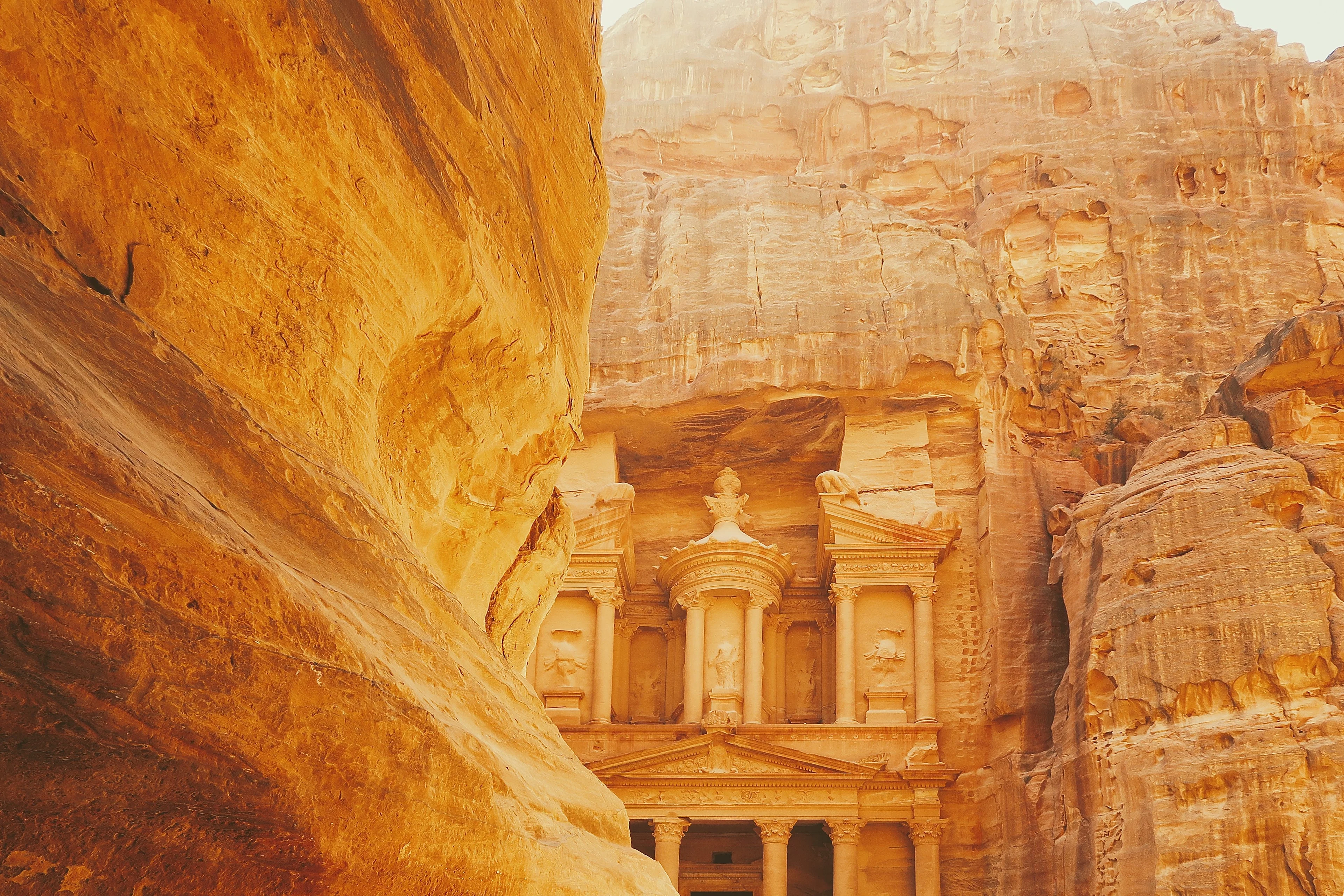
The Siq opens up in front of you after a sharp bend. Rose-colored walls 260 feet high cut against the sky, and then the Khazneh appears, a monumental facade carved into the sandstone two millennia ago. That moment when you first lay eyes on Petra justifies a trip to the Hashemite Kingdom all on its own. But Jordan hides plenty of other secrets beyond its famous Nabataean city.
Jordan: the Middle East for cautious travelers
Tucked between volatile neighbors, this small country stands out as a peaceful oasis in the region. Jordan suits travelers curious about the Arab world who want a reassuring first experience. The tourism infrastructure is solid, English is widely spoken in visited areas, and Jordanian hospitality is real. Solo female travelers generally feel secure here, though keeping shoulders and knees covered remains smart.
The country appeals less to anyone looking for nightlife or lively beach resorts. Aqaba provides access to the Red Sea, but it is a far cry from Mediterranean coastal hubs. As for climate, temperatures climb past 104°F in summer in Petra and Wadi Rum, making sightseeing grueling between June and August. Aim for spring or fall instead.
A budget to watch despite appearances
Jordan is no longer a cheap destination. Plan for $57 to $90* per day for a comfortable style with double room lodging, meals at local spots, and transportation. The Jordan Pass for 70-80 JOD includes your visa and entry to over 40 sites, including Petra and Wadi Rum. It pays for itself the moment you visit Petra.
Petra: at least two days to see past the postcard
Most visitors show up, take a photo of the Khazneh, and leave. That is a mistake. Petra spans over 30 km of trails through the mountains. The Al-Deir monastery, reached after 800 steps, offers a facade just as impressive as the Treasury with a tenth of the crowds. The royal tombs, the Roman theater, and the high place of sacrifice each deserve several hours.
The town of Petra borders the site and concentrates most of the lodging. Options range from hostels at $17* a night to five-star hotels like the Mövenpick right at the site entrance. Skip the tour groups by heading in right at 6 AM or in the late afternoon.
Friendly tip: Do not miss Little Petra, 9 km to the north. This free site features similar Nabataean facades without the crowds, serving as a great warm-up before tackling the main site.
Petra by Night
Three nights a week, the Siq and the Khazneh light up with thousands of candles. The experience costs an extra 17 JOD and divides travelers. Some find the atmosphere magical, while others call it a bit of a tourist trap. The best compromise is heading there for twilight photos, then deciding on the spot whether to stay for the show.
Wadi Rum: sleeping on Mars
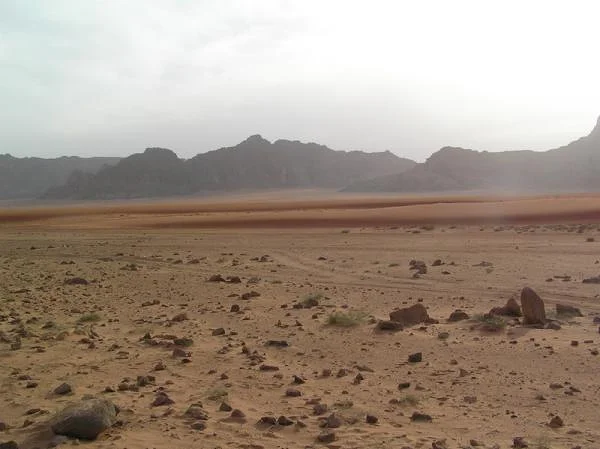
This red sandstone desert has served as a backdrop for The Martian, Dune, Lawrence of Arabia, and several Star Wars films. You understand why the second you arrive. Rock formations shaped by erosion create an otherworldly landscape. Exploring requires a 4x4 with a local Bedouin guide, which is usually included in the price of your camp.
Spending a night in the desert remains a powerful experience. Camps range from rustic setups to luxury Martian-style domes. The traditional Zarb dinner, cooked underground in an earth oven, usually highlights the evening. The desert silence and starry skies without light pollution make the drive from Petra worthwhile.
The Wadi Rum Village serves as the departure point for all tours. From Petra, count on about a 1h30 drive. From Aqaba, an hour is enough. Plan for at least one night on-site to catch both the sunset and sunrise.
The Dead Sea and canyons: the other side of Jordan
Floating effortlessly in water with 34% salinity, 430 meters below sea level. The Dead Sea experience is worth the detour, even if reality is less glamorous than the photos. The water stings your eyes and any minor scratch, luxury resorts monopolize the access points, and public beaches remain basic. Expect at least 20 JOD for a day pass at a resort with a pool and showers.
Wadi Mujib
For adventure seekers, the Wadi Mujib canyon offers a dramatic alternative. This 2 to 4-hour aquatic trail takes you up a narrow gorge between 500-meter cliffs, often with water up to your waist. Entry costs around 25 JOD and the site only opens from April to October. Book ahead during high season.
Dana Biosphere Reserve
Further south, the Dana Biosphere Reserve represents the best of Jordanian ecotourism. This 500-year-old village perched on the edge of a canyon offers guided hikes through varied geological landscapes. Community-run eco-lodges offer an alternative to standard itineraries. Plan for a full day of hiking to reach Feynan, a lodge that runs entirely on candles and solar power.
Amman and the north: Roman ruins and Ottoman towns
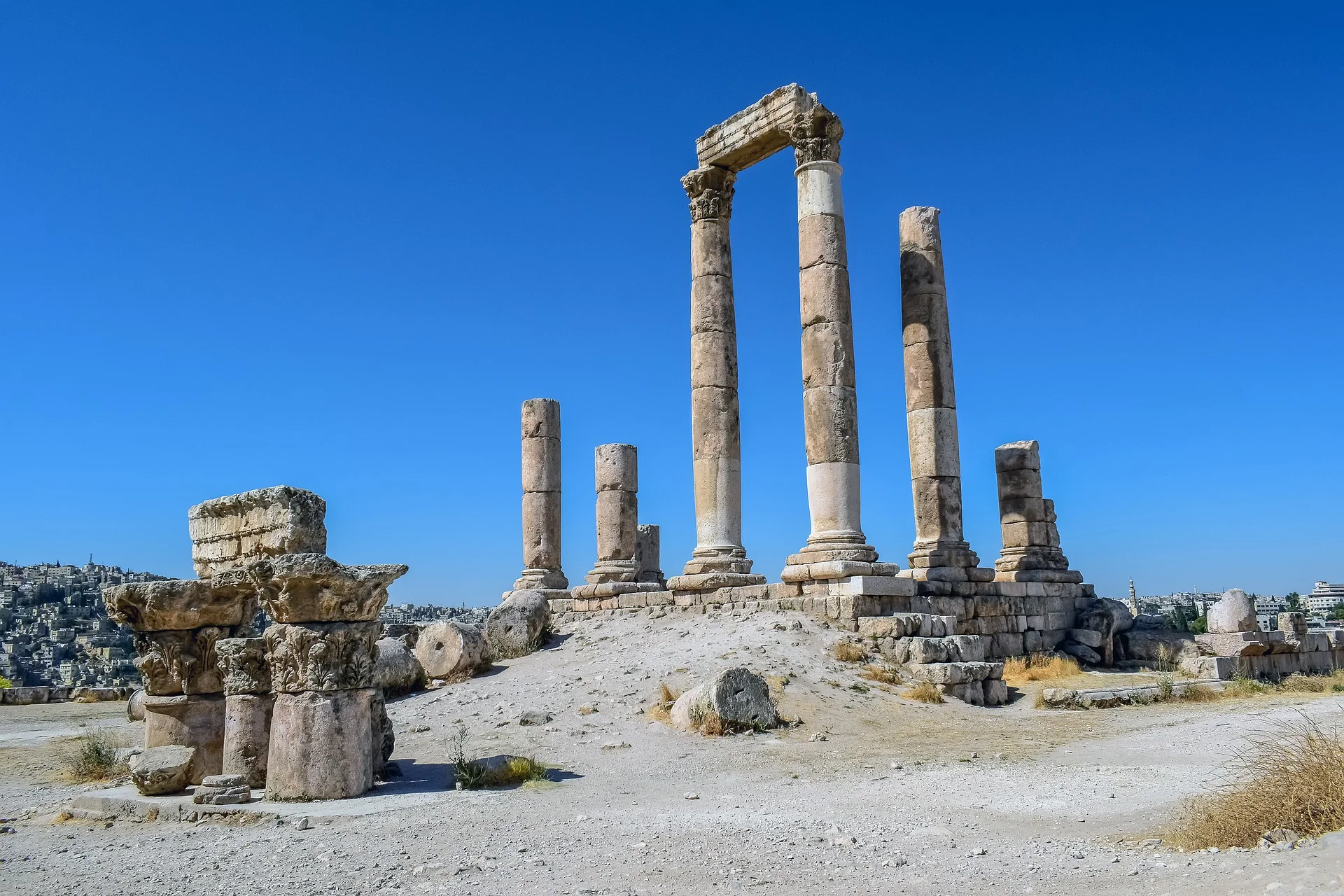
Amman is jarring at first glance. This capital of 4 million people spills across endless hills with no obvious historic center. Yet the Citadel with its Temple of Hercules and the 6,000-seat Roman Theater deserve half a day. The Rainbow Street neighborhood gathers trendy cafes and contemporary art galleries.
50 km to the north, Jerash holds the best-preserved Roman ruins in the Middle East. The Arch of Hadrian, the hippodrome, the colonnaded cardo maximus: experts estimate that 90% of the site is still unexcavated. Less crowded than Petra, Jerash lets you picture the daily life of a Decapolis city from 2,000 years ago.
Friendly tip: The town of As-Salt, 30 km from Amman, is worth a visit for its yellow stone Ottoman palaces. Named a UNESCO World Heritage site in 2021, it stays quiet and gives you a glimpse of Jordan away from the usual paths.
Jordan on your plate: generous mezze and Bedouin grills
Jordanian cuisine shares its fundamentals with the wider Levant: hummus, falafel, moutabal, and other mezze start off every meal. Small plates pile up on the table alongside warm Arabic flatbread. Mansaf, the national dish, pairs lamb cooked in fermented dried yogurt served over a bed of rice topped with pine nuts. Traditionally, you eat it with your right hand during important gatherings.
In the Bedouin camps of Wadi Rum, the Zarb turns dinner into a show. Vegetables and meats cook for hours in an underground pit oven buried beneath hot coals. Unearthing the meal is part of the ritual. For tighter budgets, street stalls in Amman sell shawarma and falafel for under 2 JOD.
As for drinks, sage tea accompanies every meeting. Bedouin playfully call it desert whiskey. Cardamom coffee, served in tiny cups, follows a strict protocol: accepting the first cup is polite, refusing after the third is fine.
When to visit Jordan?
Spring and fall offer the best conditions. From March to May and September to November, temperatures hover between the mid-60s and low 80s, making it comfortable to hike in Petra or the desert. These periods also draw the most visitors, particularly around European Easter holidays.
Summer can be punishing with temperatures topping 95°F in Petra and 104°F in Wadi Rum. The heat makes sightseeing tough between 11 AM and 4 PM. Winter brings lower prices and fewer crowds, but desert nights turn cold, and the Dead Sea loses its swim appeal. Rain showers are possible between December and February.
How to get to Jordan?
Queen Alia International Airport in Amman handles the bulk of international flights. Royal Jordanian flies nonstop from New York JFK, Chicago, Detroit and Montreal, around 11 hours eastbound. Airlines like Air France, Turkish Airlines, or Emirates offer flights with layovers that are often cheaper, ranging from $340 to $680* depending on the season.
The airport in Aqaba down south makes a solid alternative for anyone wanting to start with Wadi Rum and Petra. A few European charter flights land there, so it usually means a connection in Amman or Istanbul.
US and Canadian citizens do not need a visa in advance for stays under 30 days. Entry rules vary by nationality: check the requirements that apply to your own passport. You can get your visa on arrival or include it with the Jordan Pass, provided you stay at least three nights in the country. Your passport must remain valid for six months beyond your entry date.
Getting around Jordan?
Renting a car remains the most practical way to explore the country. Main roads are in good condition and well-signed in English and Arabic. Expect around 20 to 30 JOD per day for a compact car. Driving is on the right, and distances stay manageable: 3 hours and 30 minutes from Amman to Petra, 2 hours from Petra to Aqaba.
JETT buses run daily between Amman and Petra for about 10 JOD one-way. Departures are at 6:30 AM, with returns around 5 PM. For Wadi Rum, you will need to negotiate a taxi from Aqaba or Petra, or book a transfer through your camp. Ride-hailing apps Uber and Careem work well in Amman for getting around the city.
For connections between sites, many travelers opt for 2 to 3-day guided tours combining Petra, Wadi Rum, and the Dead Sea. This approach cuts out logistical hassles and usually includes lodging, meals, and entry tickets. Prices run between $169 and $340* depending on your comfort level.