
Visiting Panama City, a metropolis where modernity meets history
Casco Viejo: colonial charm and local energy
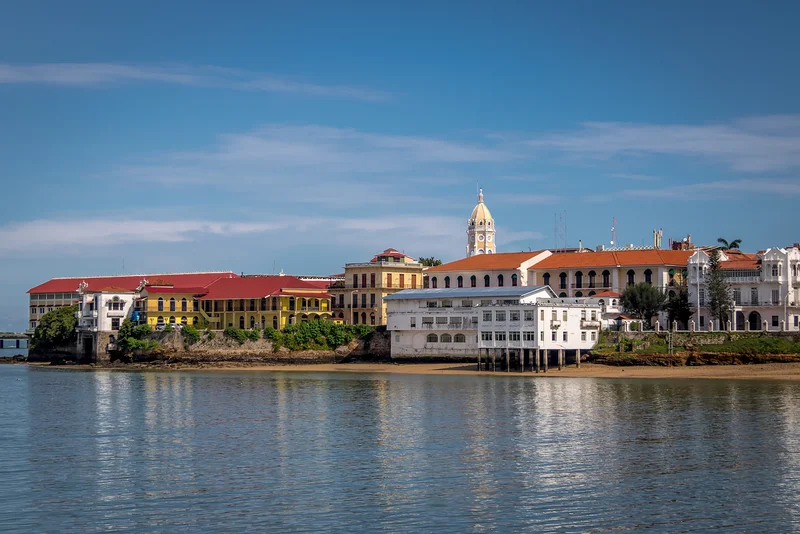
A UNESCO World Heritage site, Casco Viejo serves as the historic heart of Panama City. This neighborhood of cobblestone streets and colorful architecture bridges the gap between the past and the present. You will find colonial churches, lively squares like the Plaza de Francia, and a wide selection of trendy bars and restaurants. At night, the area illuminates, creating a distinct atmosphere for walking around or enjoying dinner on a terrace.
The Panama Canal and the Miraflores Locks
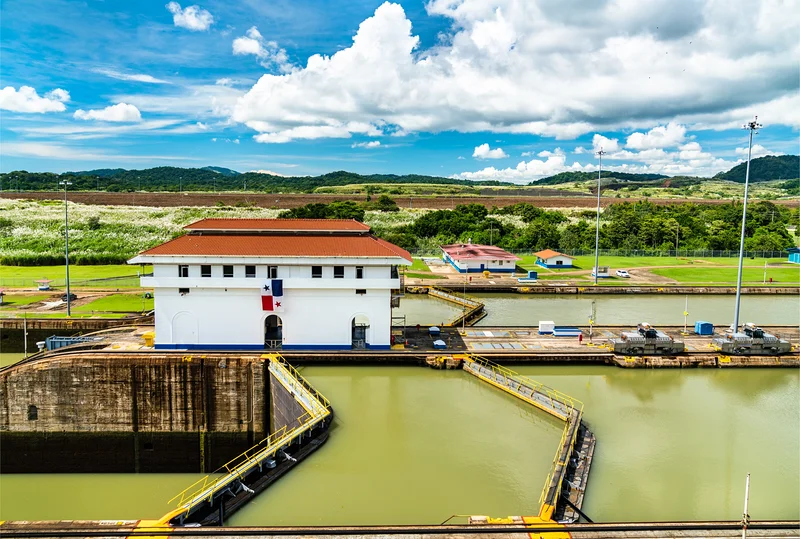
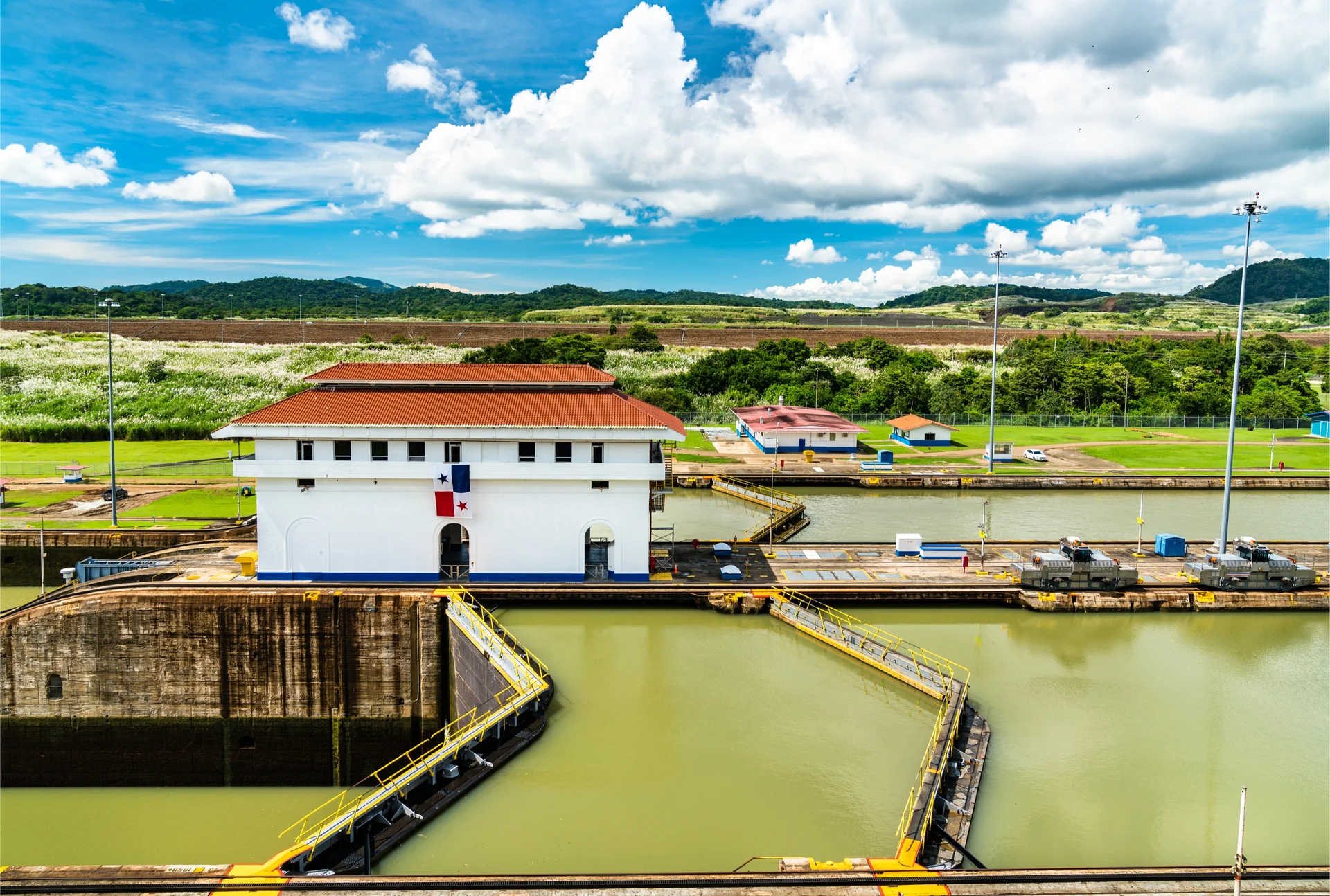
Just a few miles from the city center, the Miraflores Locks offer a front-row seat to the operation of the famous Panama Canal. The visitor center features interactive exhibits detailing the history and engineering of this maritime feat. Watching cargo ships navigate the locks is a sight to behold, especially in the morning or late afternoon when traffic is heaviest. It is an essential stop to appreciate the global impact of this waterway.
The Cinta Costera and the modern skyline
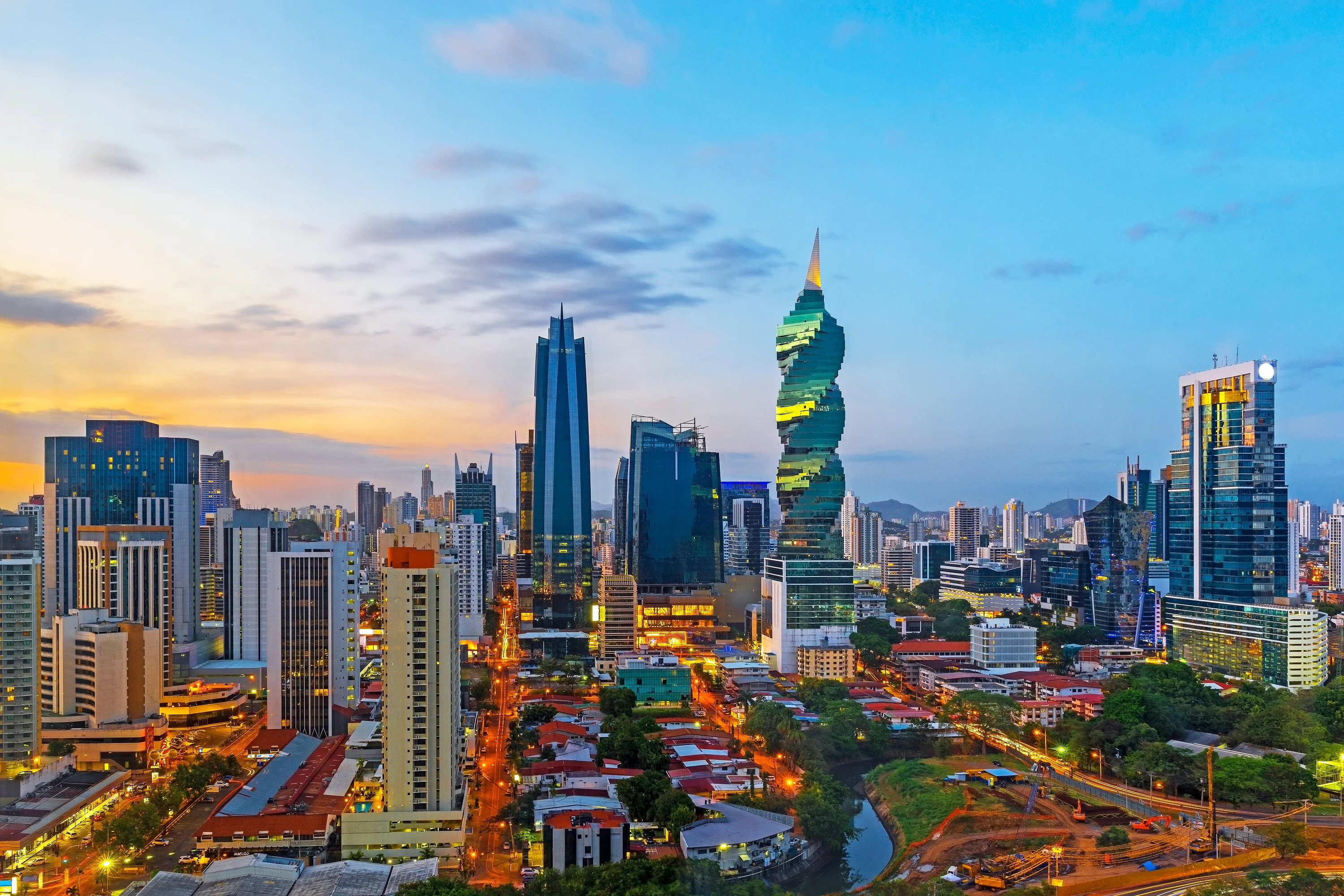
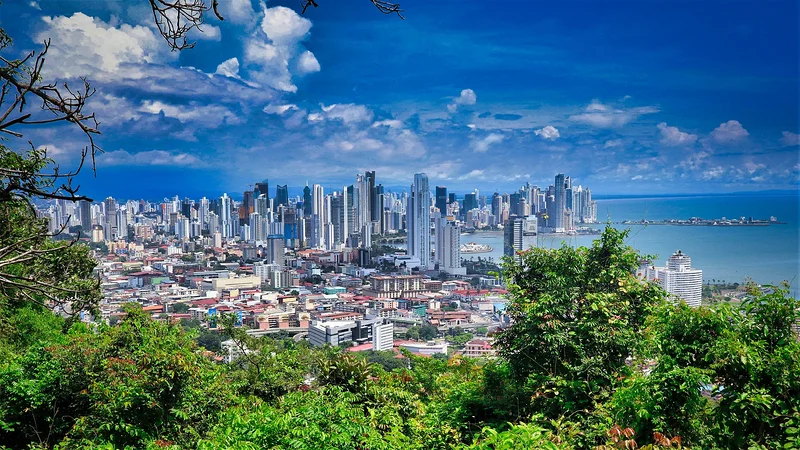
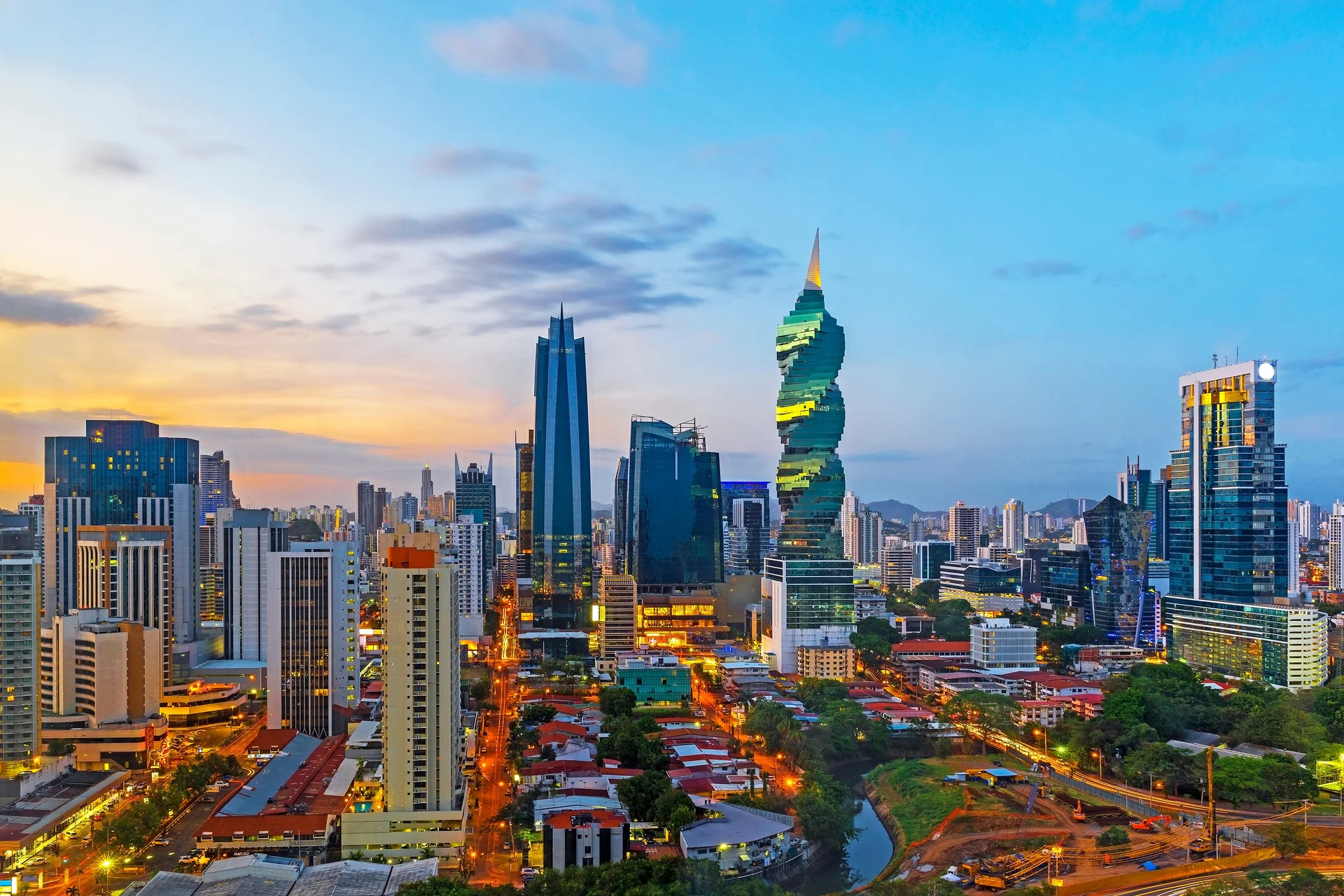
The Cinta Costera, a waterfront promenade that hugs the ocean, provides an unobstructed view of Panama City's futuristic skyline. This space is ideal for a walk, a bike ride, or simply soaking in the city vibe. You will find rest areas, sports fields, and street vendors selling local snacks. The contrast between the modern skyscrapers and the bay makes this a primary spot for photography.
Biodiversity at the Metropolitan Natural Park
For a nature break within city limits, the Metropolitan Natural Park is an ideal choice. Located just 10 minutes from the city center, it features accessible trails where you can spot capuchin monkeys, sloths, and a variety of birds. Cerro Cedro, the highest point in the park, provides panoramic views of the city and the canal. It is appreciated for its quiet environment and its proximity to the capital.
Local gastronomy and unique flavors
Panama City is an emerging culinary destination. Among traditional dishes, sancocho (a chicken and vegetable soup) is a must-try. Ceviches, often prepared with fresh fish marinated in lime juice, are extremely popular at the fish market. The city also offers a wide range of international cuisine, with modern restaurants serving fusion dishes that combine local and global influences.
When to go?
The best time to visit Panama City is from December to April, during the dry season, which offers sunny weather for exploring the city and its surroundings. The carnival, usually held in February, is one of the major events, featuring parades and celebrations. The rainy season (May to November), while wetter, remains a good time for cultural or culinary visits.
How to get there?
Panama City is served by the Tocumen International Airport, with direct flights from the United States (4 to 6 hours) and Europe (about 11 hours). Prices for round-trip flights from the U.S. typically range from 400 to 800 PAB (about $400 to $800), depending on the season. Once at Tocumen, the city center is reachable by taxi or public transport, with a travel time of about 30 minutes.
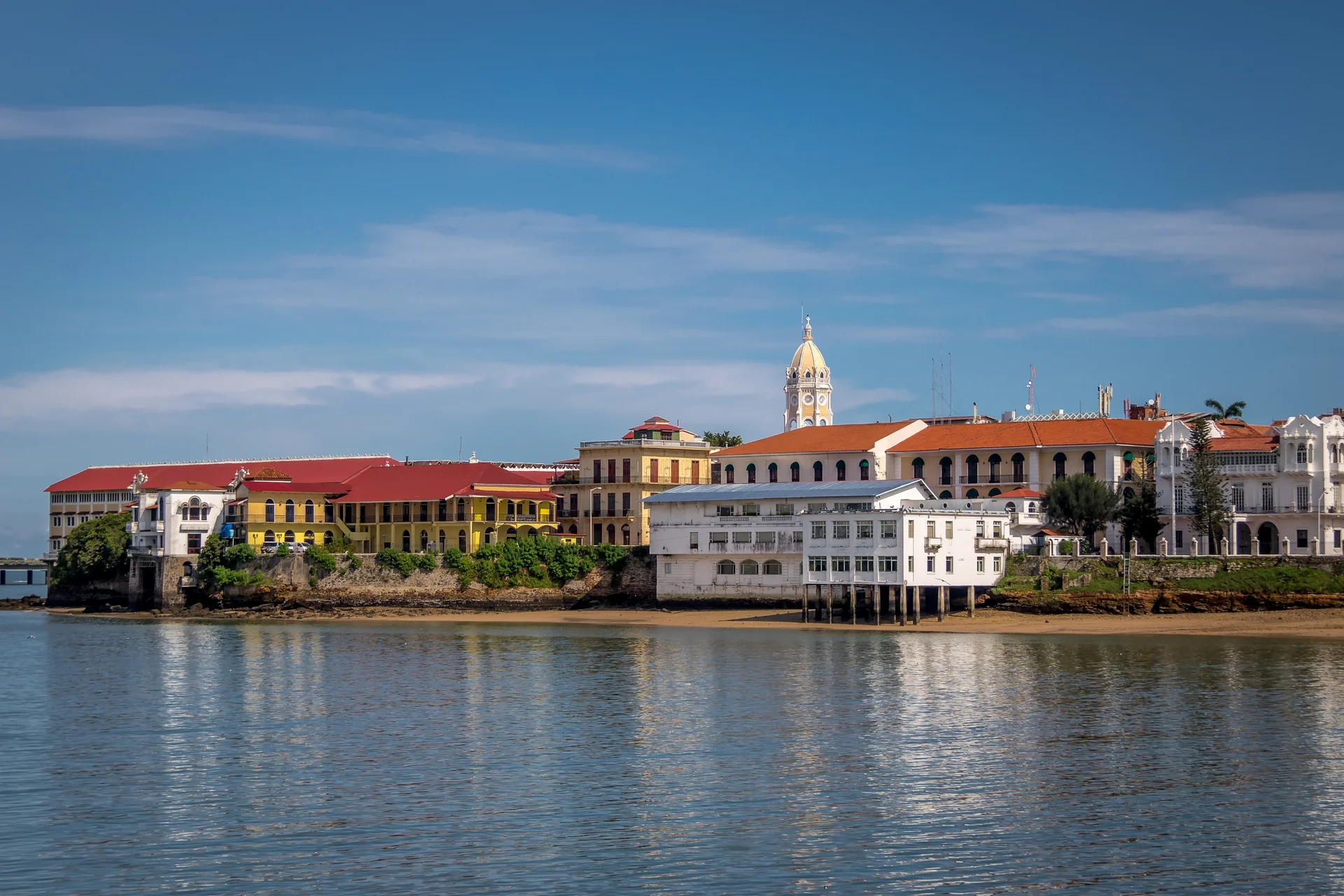
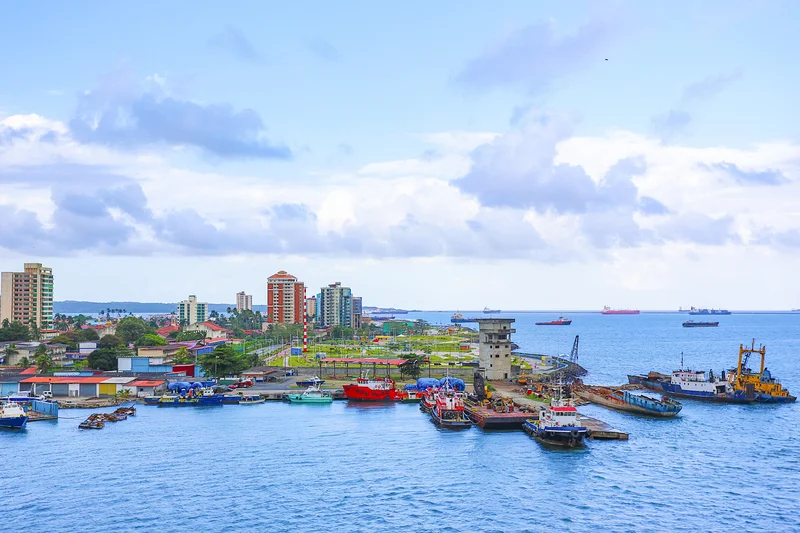
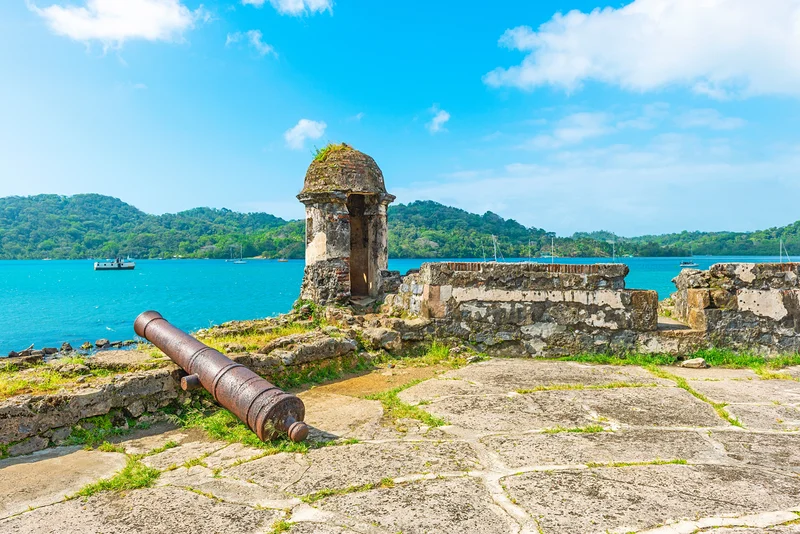
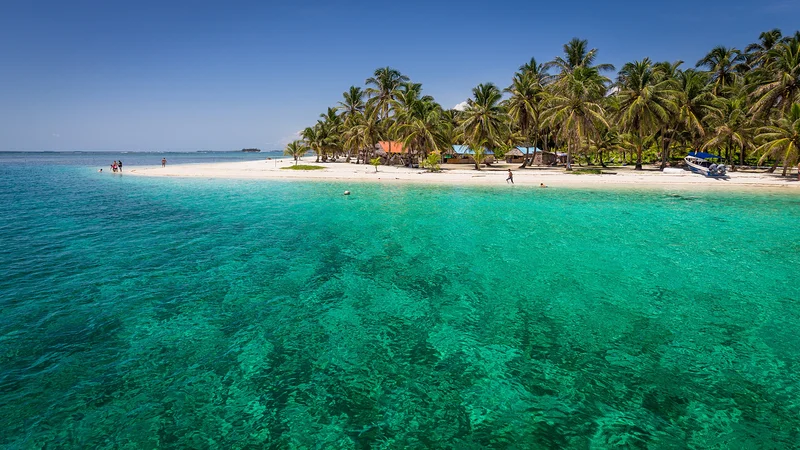
Panama City, the capital of Panama, is a very interesting city. On one hand, you can stroll through its colonial neighborhood, Casco Viejo. It is beautifully restored, and that is where you will find the most elegant shops, restaurants, and hotels. Go take a walk through the popular fish market area.
On the other hand, explore its skyscrapers, its artificial islands, its seaside boardwalk, or even the Causeway islands toward the biodiversity museum. Panama City is also the central hub of the country for heading out to visit the archipelagos, el interior, or even the Panama Canal.