
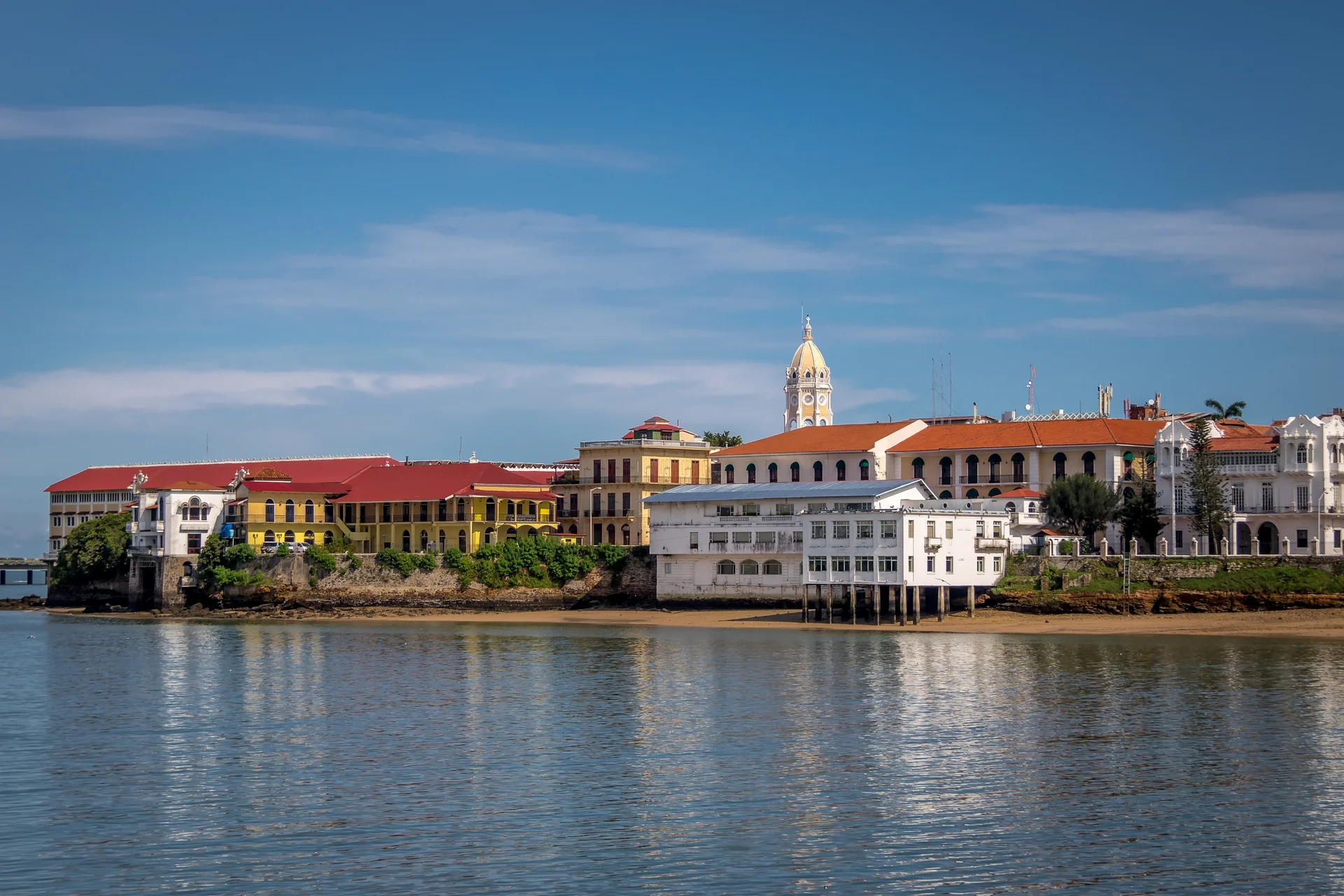
Casco Viejo, the colonial jewel of Panama facing modernity
Pastel facades peel under the tropical sun, and wrought-iron balconies overlook cobblestone alleys where the sound of Latin radio stations echoes. Casco Viejo breathes history at every corner, squeezed onto its peninsula between the Pacific Ocean and the futuristic skyscrapers of Panama City.
A phoenix born from the ashes of piracy
In 1671, the notorious Henry Morgan burned the original Panama City, Panama Viejo. Two years later, the Spanish rebuilt their city on this strategic peninsula, protected by defensive walls and the ocean. This rebirth created a unique district where three centuries of architectural influences overlap. You will find Spanish Baroque, French elegance, American neoclassical, and Art Nouveau touches.
Designated a UNESCO World Heritage site in 1997, Casco Viejo embodies the historic crossroads of Panama. Each architectural style reflects a trans-oceanic commercial boom. After decades of neglect, the neighborhood has been reviving since the 2000s thanks to an ambitious restoration that makes it one of the most dynamic cultural and culinary hubs in Central America.
Hidden treasures behind colonial facades
The golden altar of Iglesia de San José
Behind the modest facade of the Iglesia de San José hides one of the greatest treasures in Panama. This Baroque altar of bitter cedar covered in gold leaf stands in the main nave. Legend says that in 1671, a clever priest painted it black to hide it from Morgan's pirates, even managing to extract a donation from the captain to replace the "stolen" altar.
While historians date the work to the 18th century, the story remains anchored in the Panamanian imagination. The eight Solomonic columns frame Saint Joseph and the baby Jesus, illuminated by a natural skylight.
Historic plazas and their views
La Plaza de la Independencia marks the beating heart of the district. It was here that Panama proclaimed its independence from Colombia on November 3, 1903. The Catedral Metropolitana dominates the square with its bell towers inlaid with mother-of-pearl from the Pearl Islands.
To the south, the Plaza de Francia pays tribute to the 22,000 French workers who died from yellow fever and malaria during the construction of the canal. The obelisk topped with a rooster and the busts of Ferdinand de Lesseps recount this tragic epic. The old Spanish vaults (Las Bóvedas), once a prison and barracks, now house the Ministerio de Cultura (Ministry of Culture).
Experiencing Casco between tradition and renewal
The art of strolling through the alleys
Lose yourself in the maze of cobblestone streets. The contrast is striking, as a beautifully restored building sits next to a romantic ruin covered in vegetation. Multicolored doors, artistic graffiti, and balconies overflowing with flowers create a living painting. The Paseo Esteban Huertas runs along the 17th-century ramparts and offers a spectacular view of the Bay of Panama, the Bridge of the Americas, and the ultramodern skyline.
An explosive culinary and nightlife scene
The neighborhood is full of inventive restaurants that blend Afro-Caribbean, Spanish, and indigenous influences. Rooftop terraces are popping up everywhere, perfect for sipping a cocktail while watching the sunset over the Pacific. Nightlife comes alive in craft cocktail bars and clubs set in old colonial mansions.
The fish market (Mercado de Mariscos), at the entrance to the district, is worth the detour. Choose your catch of the day on the ground floor and have it prepared upstairs for a meal.
Friendly tip: Visit Casco early in the morning, around 7 a.m. or 8 a.m., when the golden light caresses the facades and residents go about their day. You will avoid the crushing midday heat and enjoy an authentic atmosphere, far from the tourist crowds. The churches are open and nearly empty, which is perfect for admiring the golden altar in peace.
Cultural and heritage immersion
The Museo del Canal Interoceánico occupies the former headquarters of the French Universal Interoceanic Canal Company. Its exhibits trace the fascinating history of this engineering feat that connects two oceans. The Teatro Nacional, built in 1908, features frescoes painted by Roberto Lewis and hosts classical concerts and cultural events. The Museo de la Mola celebrates the textile art of the Gunas, an indigenous people, with its molas featuring vibrant geometric patterns.
Other things to see on site:
- L'Arco Chato of the Santo Domingo church: this flat arch has defied the laws of physics since the 17th century and even convinced engineers that Panama was not in an active seismic zone.
- Le Palacio de las Garzas: the presidential residence is closed to the public, but you can admire the building from the outside and see the herons living in the courtyard.
- Free guided tours: The Casco Antiguo office offers free tours on Fridays and Saturdays at 10 a.m., 10:30 a.m., and 11 a.m. from the Plaza Catedral.