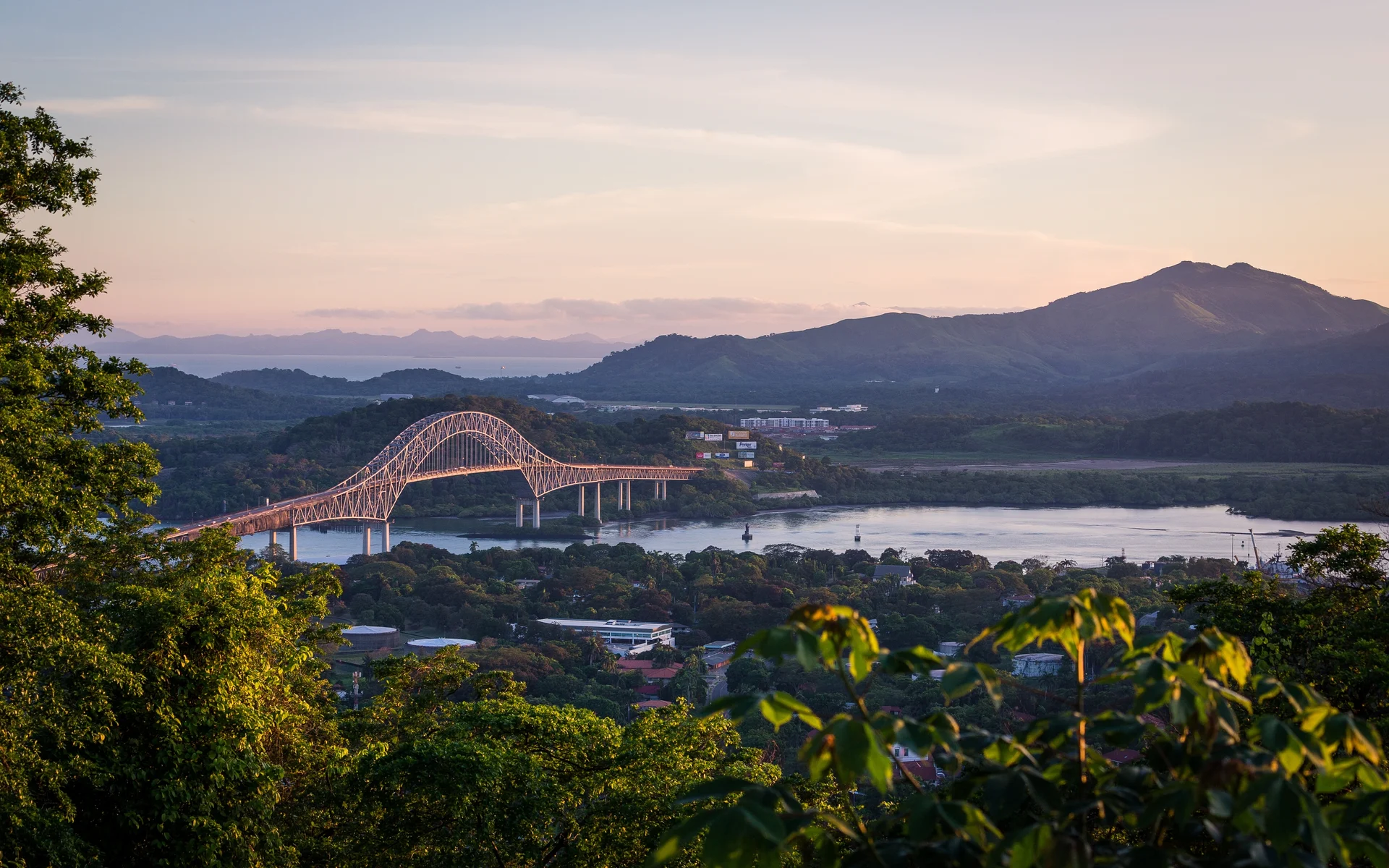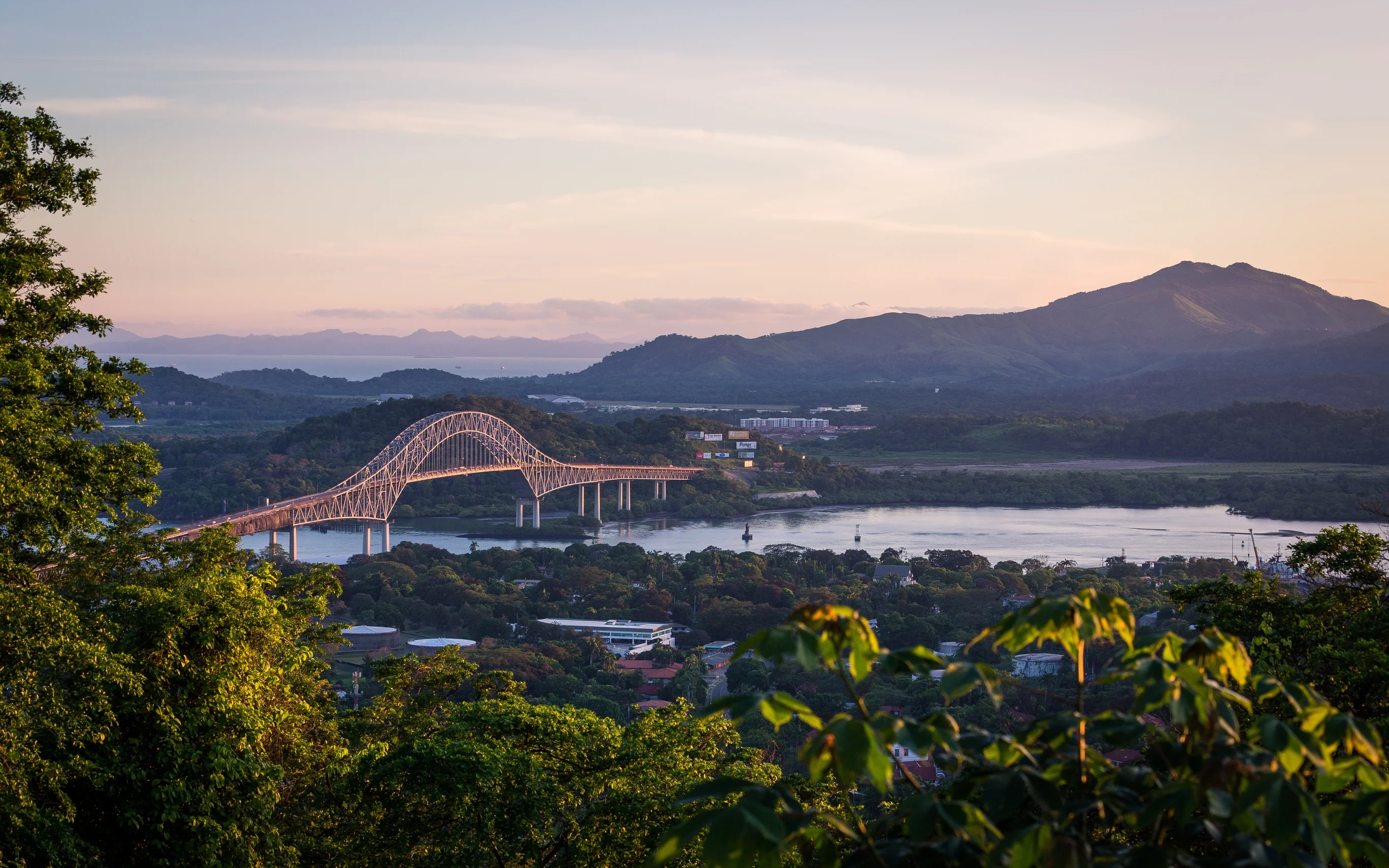
Exploring Panama, the Bridge of the Americas
Positioned right between North and South America, Panama packs a lot of contrast into a compact footprint. From quiet Caribbean beaches to dense rainforests and the engineering marvel of the canal, the country covers plenty of ground for an international trip. If you want a mix of wildlife tracking, urban exploring, and island downtime, Panama delivers.
The Panama Canal: An Engineering Landmark
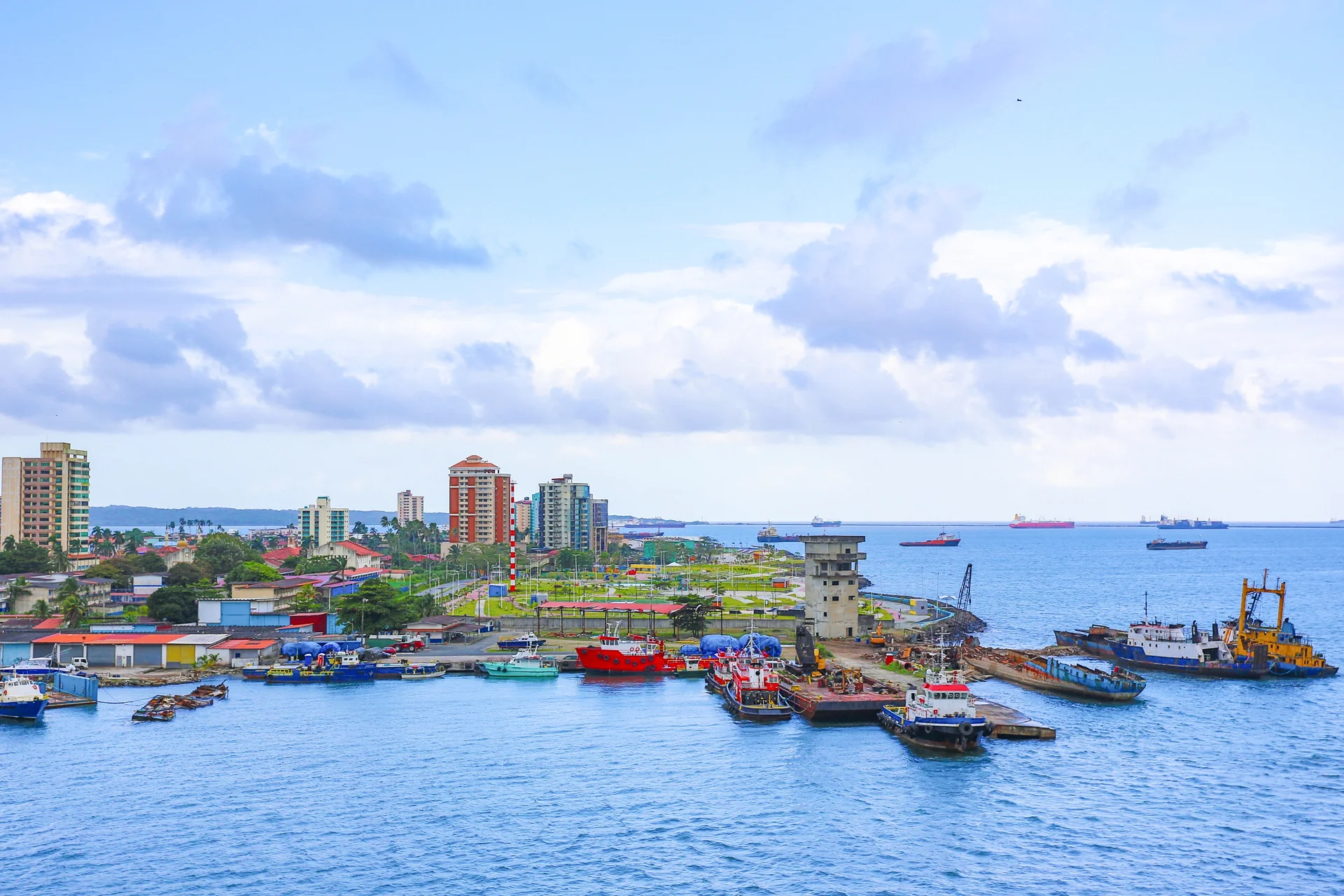
Visiting Panama means seeing the canal in action, the shortcut that stitches together the Atlantic and Pacific oceans. The Miraflores Visitor Center is the main spot to watch container ships and cruise liners pass through the lock system while exhibits break down the history of the project.
Panama City: A Capital of Contrasts
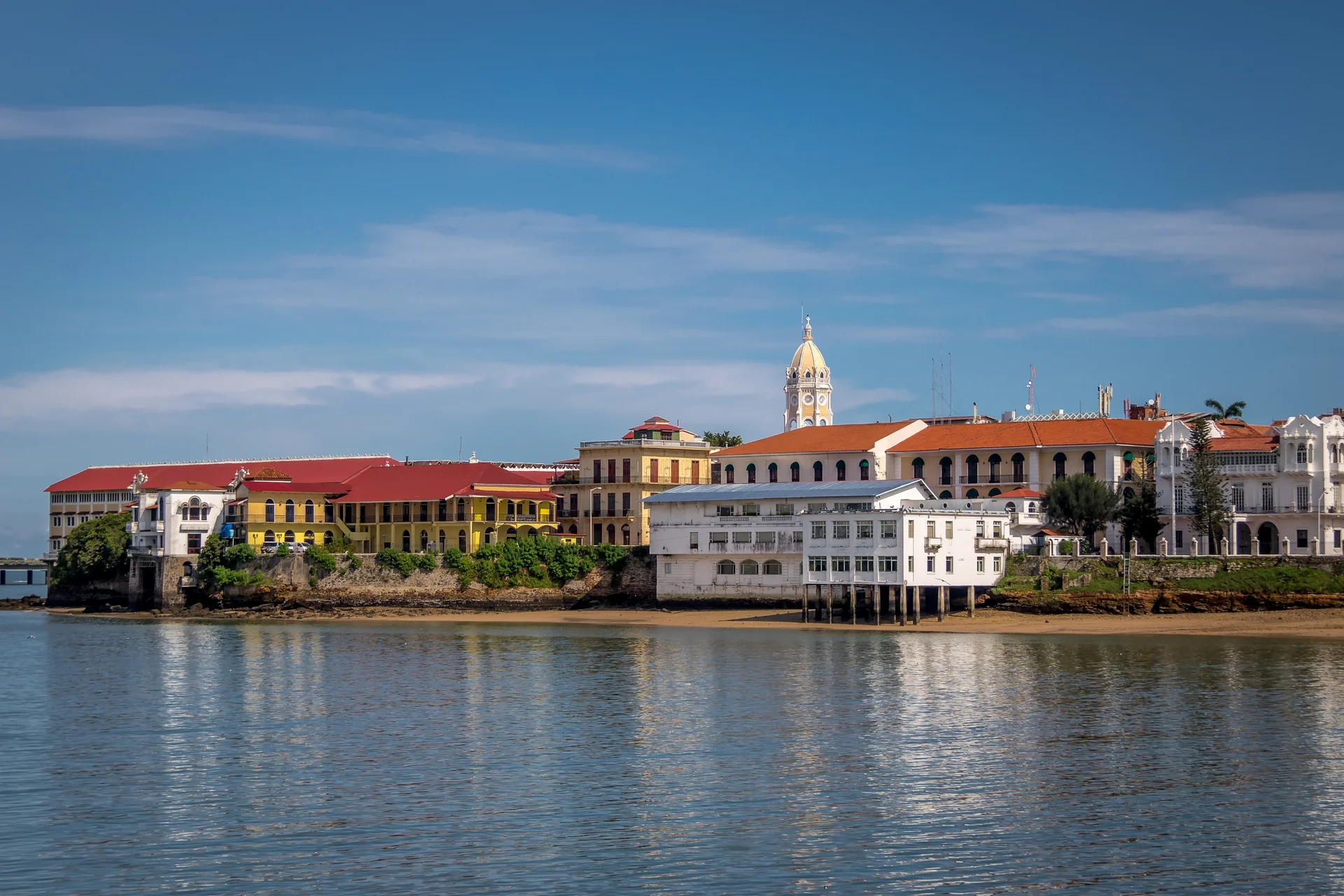
The country's capital pairs colonial history with a high-rise financial district that feels like a mini Miami. The historic neighborhood of Casco Viejo features cobblestone streets, weathered churches, and outdoor cafes. A short drive away, the dense cluster of skyscrapers shows off the local economy. For a view over the skyline and the bay, head up Cerro Ancón, a protected green hill right in the city.
The Biodiversity of National Parks
With more than half of its land under forest, Panama is a strong destination for wildlife spotting. Soberanía National Park sits right outside the capital and holds countless bird species, monkeys, and tropical plants along its trails. Farther south, Coiba National Park protects offshore islands and coral reefs known for hammerhead sharks, sea turtles, and manta rays.
Island Archipelagos: Bocas del Toro and San Blas
For island getaways, Panama splits into two very different coasts. Bocas del Toro sits on the Caribbean side with a surf culture and wooden stilt houses over clear water. On the other side, the San Blas Islands are managed autonomously by the Guna indigenous community, offering simple island camps, white sand, and traditional sailing canoes.
Panamanian Food Specialties
Local cooking pulls from indigenous, African, and Spanish traditions to create hearty, straightforward dishes.
Top of the list is sancocho, a chicken soup seasoned with culantro and corn that serves as the national comfort food. For quick bites, look for empanadas and carimañolas, which are yuca fritters stuffed with spiced meat. To finish, try hojaldras, fried dough pastries often served with breakfast or coffee.
When to go
The dry season runs from December to April, bringing steady sunshine and lower humidity. If you time your trip for February, you can catch the massive carnaval celebrations, especially in towns like Las Tablas. Divers often prefer the rainy season from May to November for calmer seas and better marine visibility in certain spots.
How to get there
Tocumen International Airport serves as a major hub for the Americas, with direct flights from dozens of US cities like Miami, Houston, Atlanta, and New York. Flight times range from three hours from Florida to around six hours from the West Coast.
How to get around
Panama uses a network of local buses known as diablos rojos and modern metro lines in the capital to keep transit costs low. Domestic flights and regional boats handle trips out to the islands and remote regions. Renting a car works well if you plan to drive out to mountain towns like Boquete or explore the Pacific coast at your own pace.