
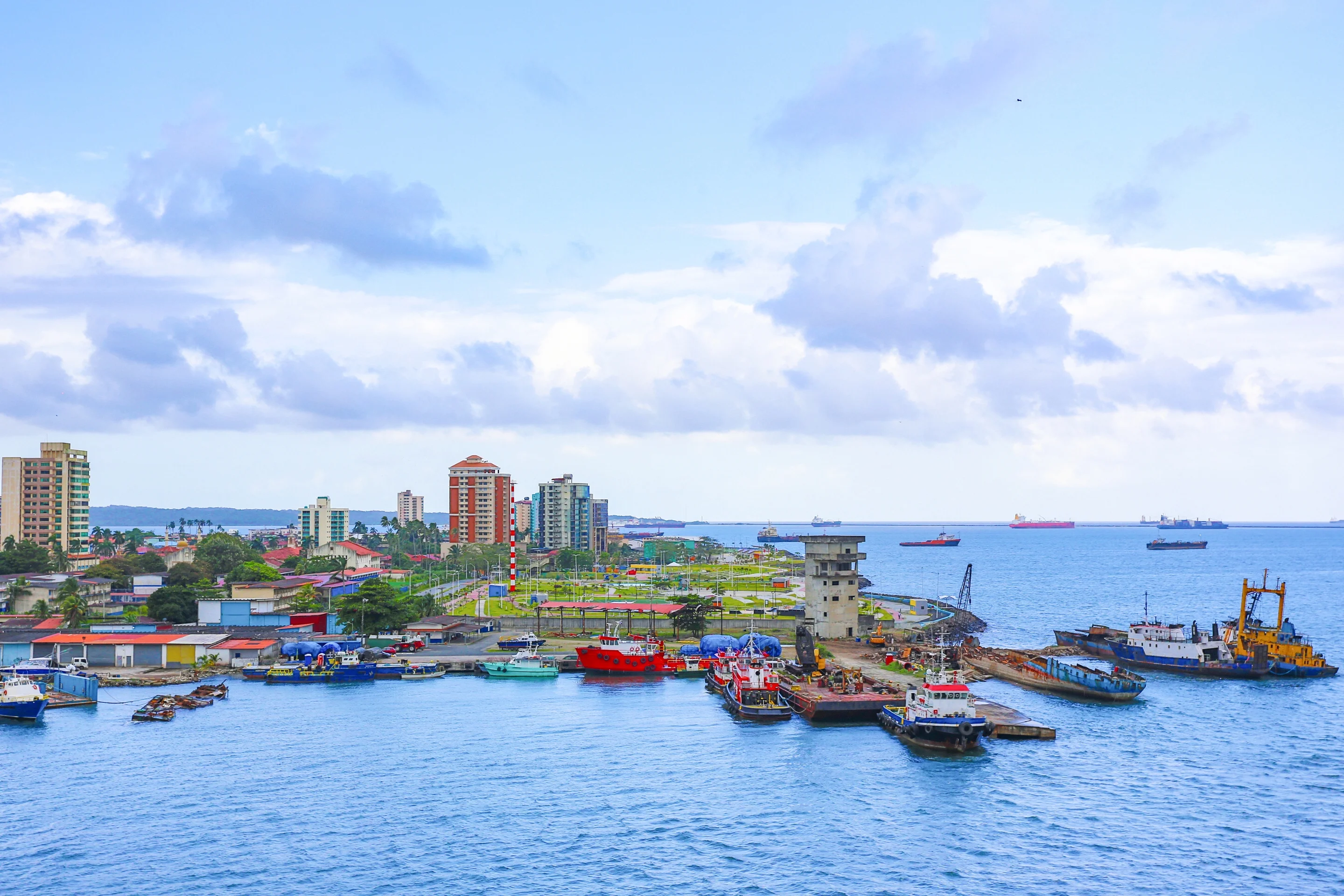
Visiting Colón, a historic and modern port city
A colonial and industrial legacy
Located at the Caribbean entrance of the Panama Canal, Colón is a city defined by its history and industry. Founded in the 19th century to support the construction of the transisthmian railroad, it became a critical hub for interoceanic trade. Today, remnants of its prosperous past are visible in various colonial buildings, though many show signs of significant wear. A walk through the center offers a look at this architecture, particularly around the Parque 5 de Noviembre, a site deeply tied to the history of Panamanian independence.
The Colón Free Trade Zone
Colón is home to the largest free trade zone in the Americas, an international commercial center where thousands of goods are processed daily. While this area primarily serves wholesalers, some shops allow visitors to purchase discounted items directly. If you enjoy shopping, a visit here can be worthwhile to find deals on clothing, accessories, and electronics.
The Gatún Locks
Located about 10 kilometers (6 miles) from Colón, the Gatún Locks are a regional highlight. These massive structures allow ships to navigate the Panama Canal. An observation deck provides a close-up view of the complex maneuvering process. Engineering and history enthusiasts will appreciate this stop, which underscores the region's crucial role in global maritime commerce.
Surrounding beaches and nature
Several beaches and natural sites offer a reprieve from the city. Playa La Angosta, located about 20 minutes away, is a pleasant spot for a day of relaxation.
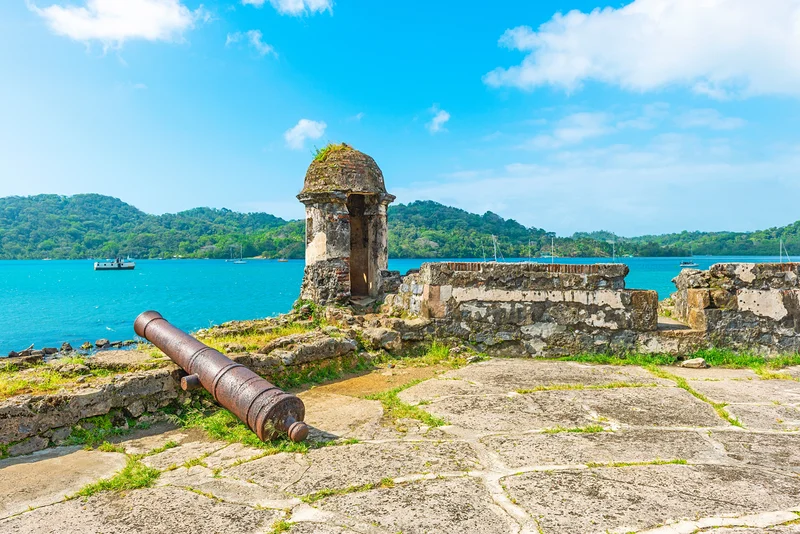
For nature lovers, San Lorenzo National Park, located on a nearby peninsula, offers trails through tropical forests teeming with wildlife. The Fort of San Lorenzo, a well-preserved historic site, is also in this area and is worth the visit.
A vibrant Afro-Caribbean culture
Colón is deeply influenced by Afro-Caribbean culture. This is reflected in its music, particularly reggae and salsa, as well as traditional dances like the Congo.
Local markets are effective places to discover this cultural richness through handicrafts and local cuisine. Festivals, such as Carnival, bring a high-energy atmosphere to the city with colorful parades and musical performances.
When to go?
The best time to visit Colón is during the dry season, from December to April, when the weather is ideal for exploring the city and its surroundings. Carnival, which takes place in February or March depending on the year, is a highlight featuring lively celebrations and parades that showcase local culture. The wet season, while rainy, remains a good time to see the lush vegetation of the surrounding parks.
How to get there?
Colón is accessible by train from Panama City via the Panama Canal Railway, a trip of about 1 hour that offers views of the canal and the tropical forest. Tickets cost between 25 and 35 USD. It is also possible to take a bus from the Albrook terminal, with regular departures starting at 3 USD for a trip of about 1 hour and 30 minutes. By car, Colón is accessible via the Panama-Colón highway in about 1 hour.
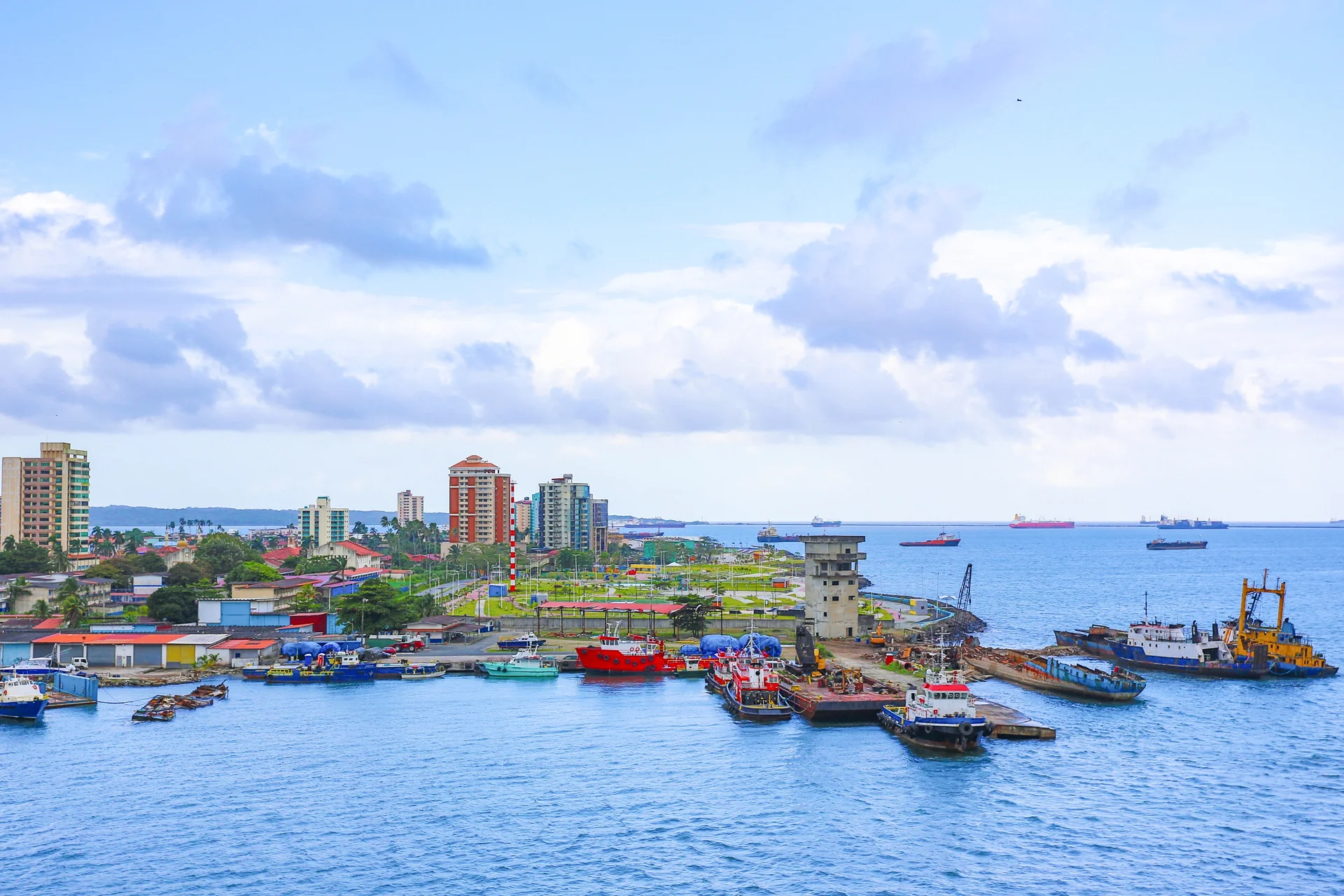
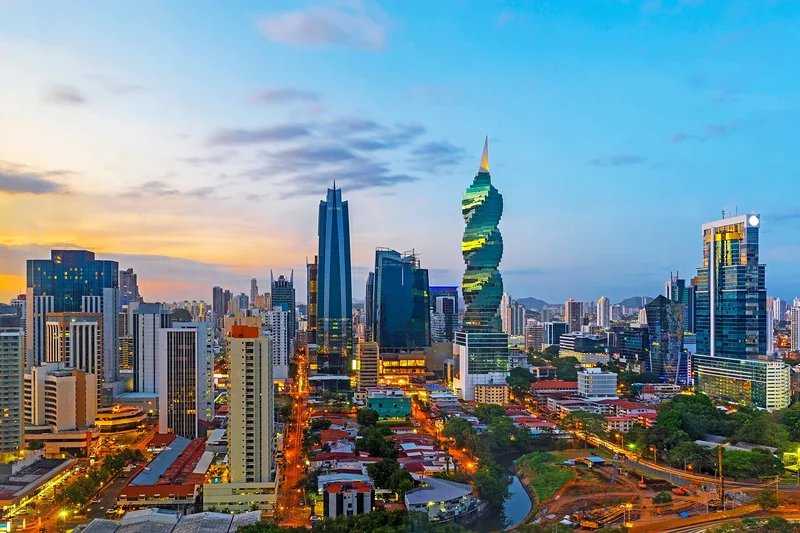
Colón is a city to avoid in Panama. Located on the Caribbean coast, you might be tempted to stay there, but it is better to sleep in nearby Portobelo. As the second largest city in the country, it is poor and run-down. Colón has a reputation for being a dangerous city where there is also nothing to do. Only the free trade zone might interest tourists. It is better to enjoy the Caribbean vibe in Bocas del Toro, in total safety.