
Exploring Portobelo, a town steeped in history
Remarkable colonial heritage
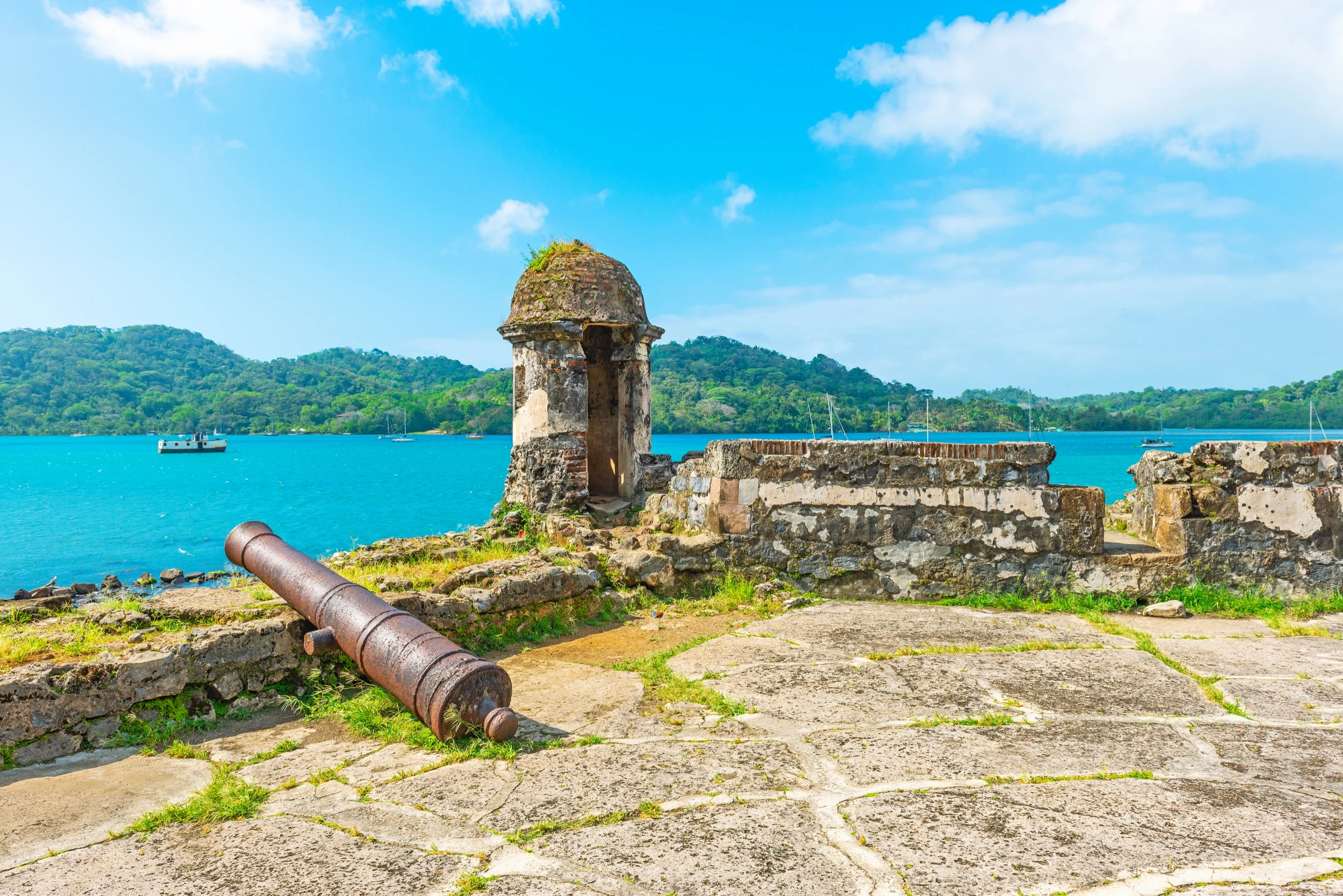
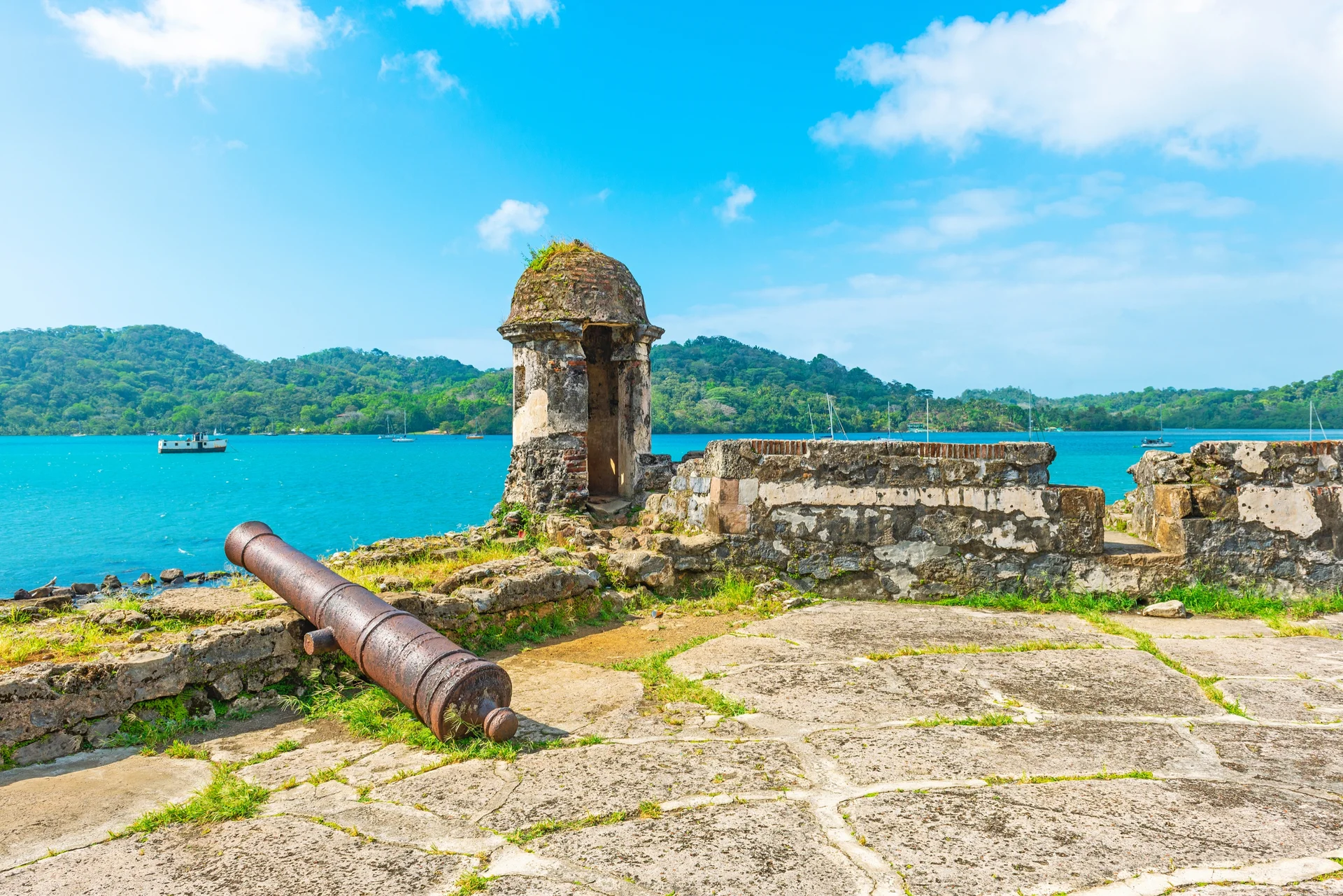
Portobelo, located on the Caribbean coast of Panama, is defined by its remnants of the Spanish colonial era. The town once served as a primary port for transatlantic trade. Today, you can explore the ruins of the San Fernando, Santiago, and San Jerónimo forts, all of which hold UNESCO World Heritage status. These sites provide panoramic views over the bay and offer a direct look at 17th-century military architecture.
The famous Iglesia de San Felipe
Portobelo is home to the Iglesia de San Felipe, which houses the statue of the Cristo Negro (Black Christ). This religious figure draws thousands of pilgrims every year, particularly during the Cristo Negro festival in October. The church is modest in size but carries significant historical weight, serving as a focal point for understanding the local spirituality and its deep ties to the region's Afro-Caribbean culture.
Beaches and surrounding nature
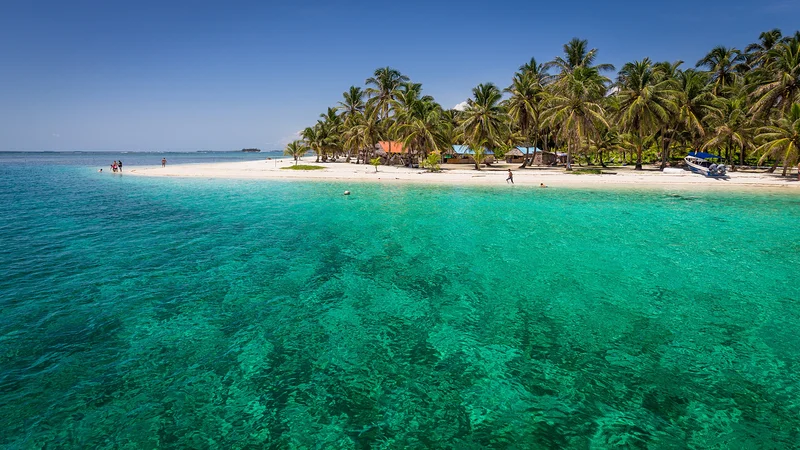
Several beaches near Portobelo provide a setting for relaxing or exploring crystal-clear waters. Playa Blanca, which requires a short boat ride to reach, is known for its white sand and calm conditions. If you are into snorkeling, the coral reefs surrounding the bay are filled with marine life. The nearby area also offers hiking trails that cut through dense tropical forest, providing an accessible way to experience the local ecosystem.
Afro-Caribbean arts and culture
Portobelo remains deeply connected to its Afro-Caribbean roots. The Congos de Portobelo, a unique performance art style that blends dance, music, and theater, is a central part of local life. You will also find markets selling colorful textiles, wood carvings, and other handmade goods. Shopping here is a way to find authentic souvenirs while supporting local artisans directly.
Culinary staples
The food in Portobelo highlights its Caribbean identity. Typical dishes feature fresh fish or seafood prepared with coconut milk and local spices. Coconut rice and patacones (fried plantains) are standard sides. For a quick snack, look for local empanadas or freshly pressed tropical fruit juice.
When to go
The best time to visit Portobelo is from December to April. This is the dry season, when sunny days make it easier to visit historical sites and spend time at the beach. If you are interested in local traditions, October is a notable time to visit for the Cristo Negro festival, a major religious event that brings in crowds of pilgrims and visitors.
How to get there
Portobelo is reachable from Panama City by car or bus, with a travel time of about 1.5 to 2 hours. Buses depart regularly from the Albrook terminal for a fare of roughly $5*. If you prefer to drive, follow the Transistmica highway toward the Caribbean coast. Once you arrive, the town is easy to explore on foot, and boats are readily available for trips to nearby beaches.
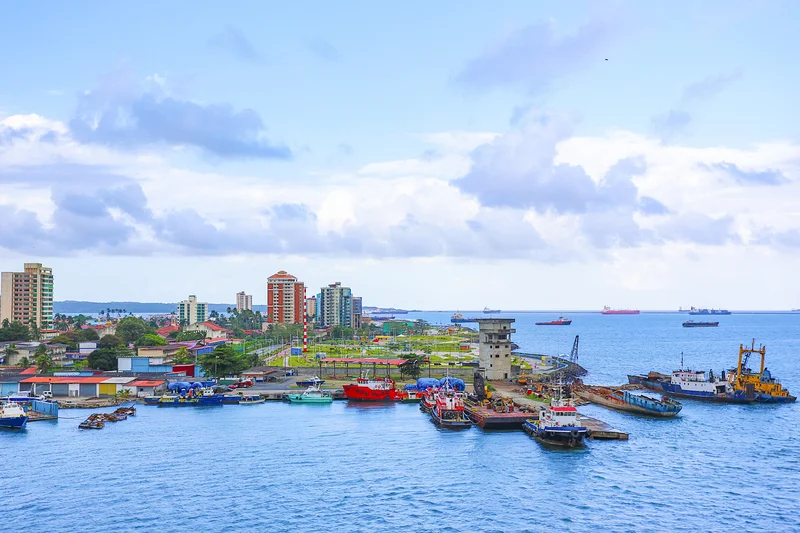
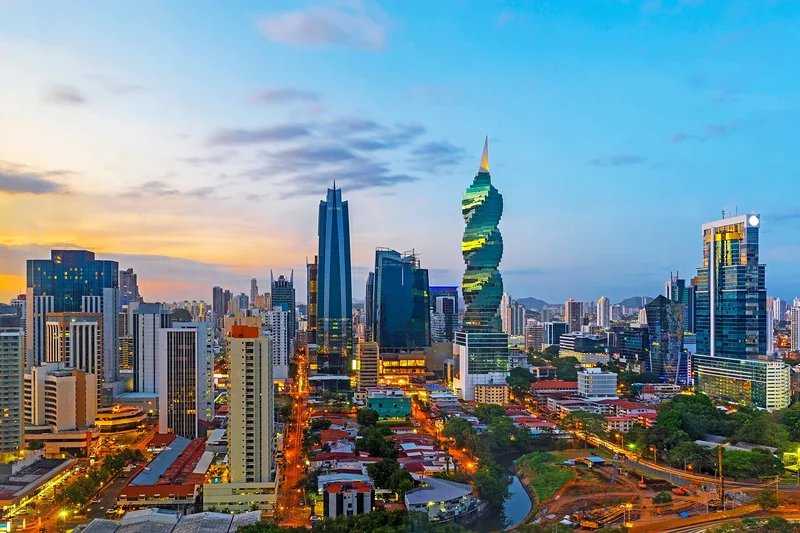
I only spent one evening in Portobelo, on the Caribbean coast of Panama, after an excursion to the Panama Canal. Portobelo is the city of sailors. It is better to stay there than to sleep in Colon. For decades, it has been an anchorage for great travelers. There is a very unique atmosphere. I spent the evening in a pub where the owner really looked like Jack Sparrow. Everyone has incredible stories. Go there if you have the time.