Visiting Panama: Where the Americas Meet
Panama is one of those countries that genuinely delivers on multiple fronts. You've got the canal, one of the most consequential engineering projects in human history. You've got Caribbean and Pacific coastlines. You've got rainforest covering nearly half the country. And Panama City has a skyline that would surprise most Americans who haven't been. This is a small country that punches well above its weight as a travel destination.
The Panama Canal: Engineering at Scale
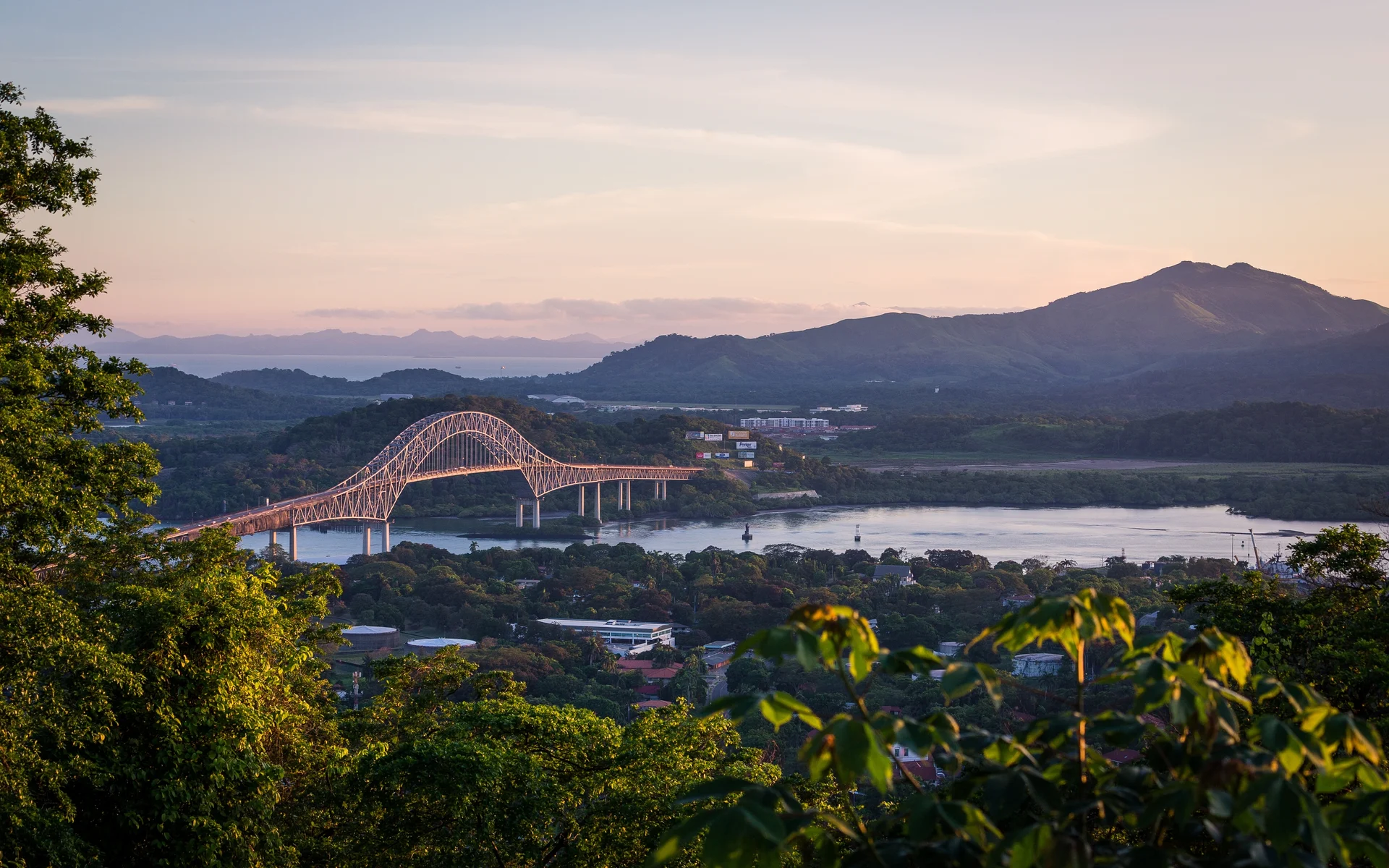
No trip to Panama skips the canal. It connects the Atlantic and Pacific oceans across just 50 miles of land, and watching a massive container ship squeeze through the locks is genuinely surreal. The Miraflores Visitor Center is the best place to see it up close. You get observation decks, a museum covering the canal's history, and a front-row seat to the lock operations. Plan a few hours here, not just a quick stop.
Panama City: Old Stone Streets Next to a Manhattan Skyline
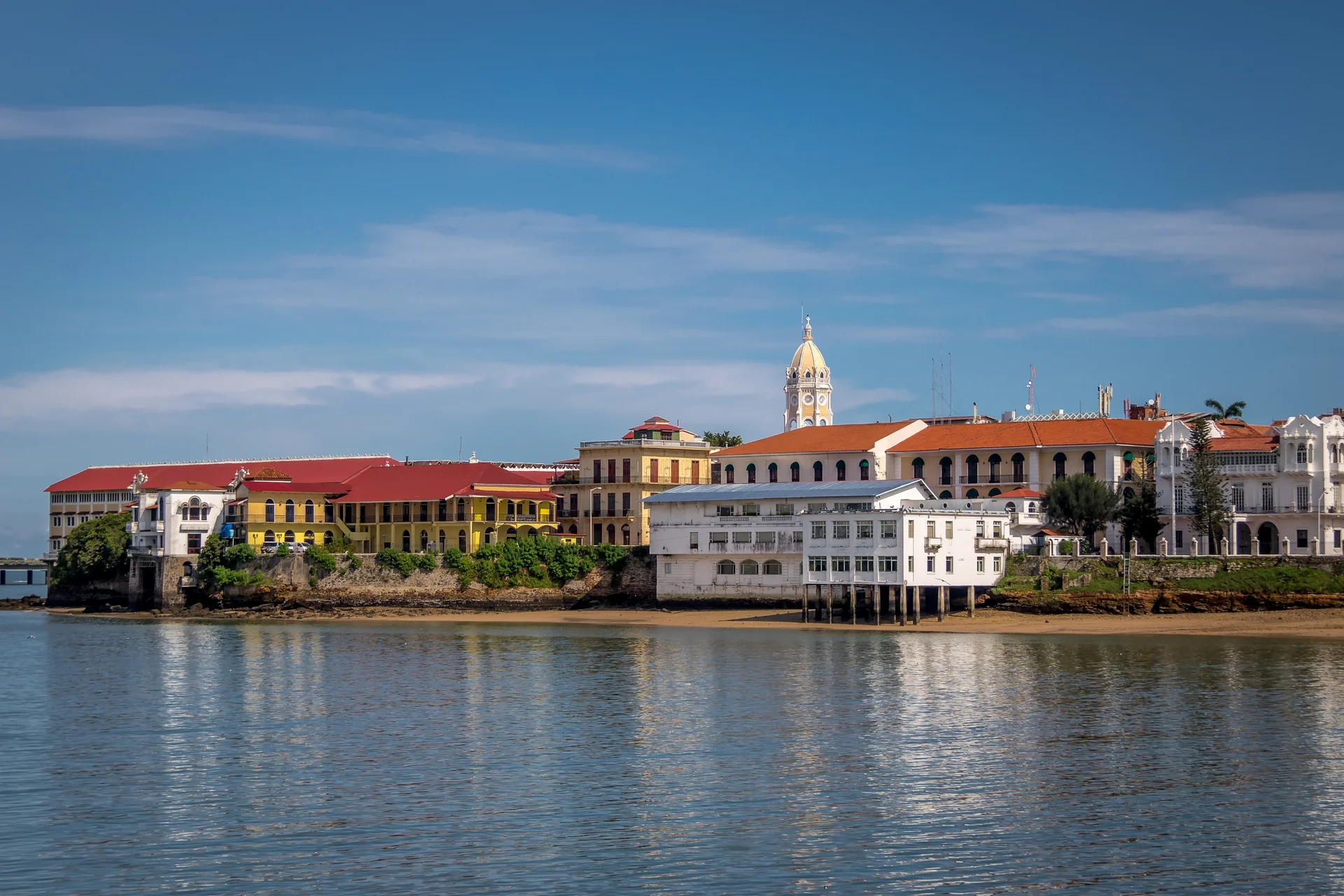
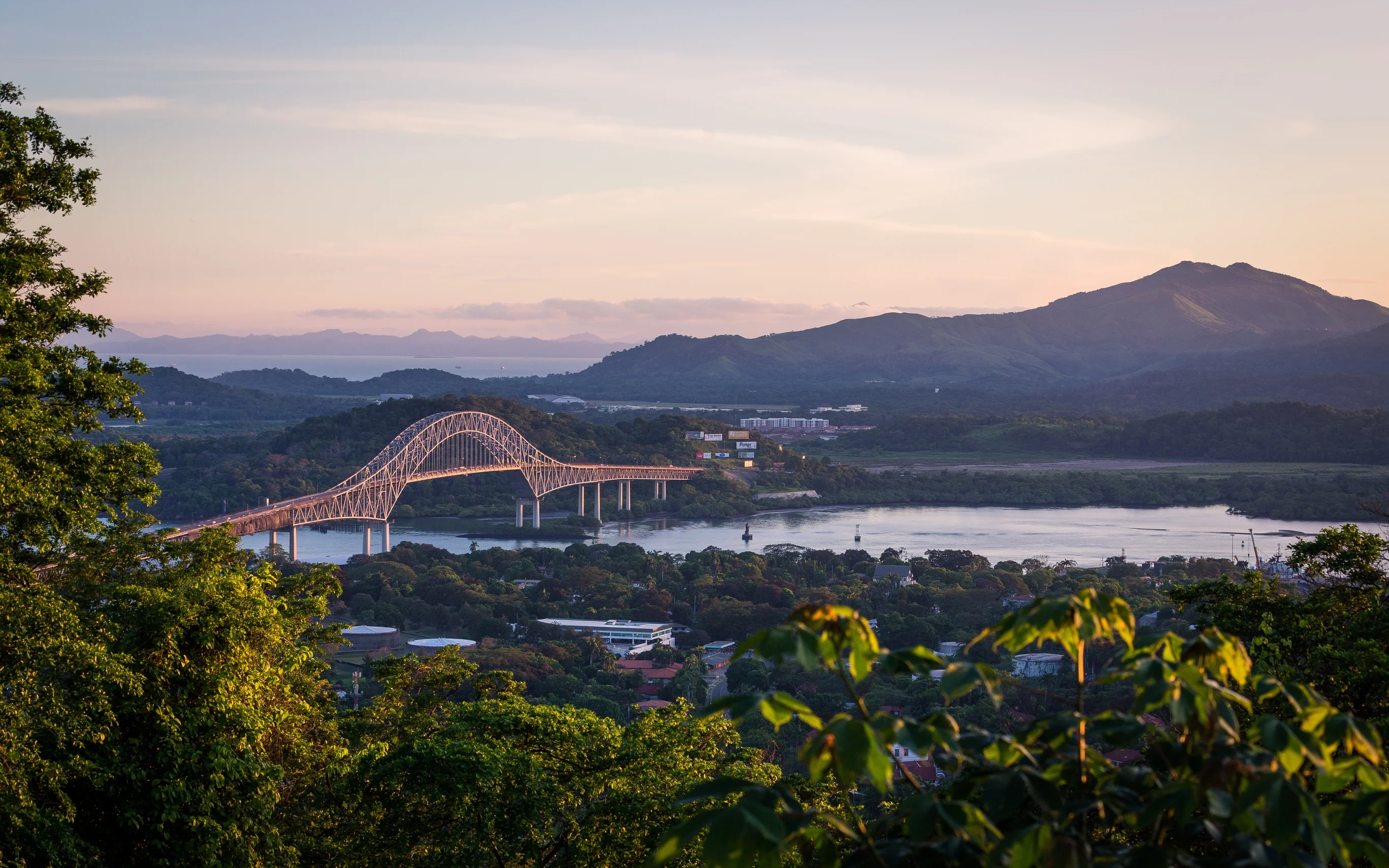
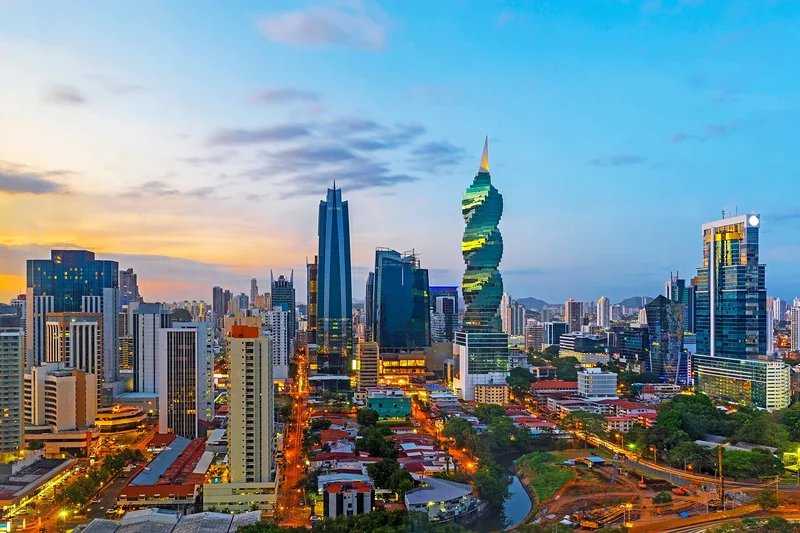
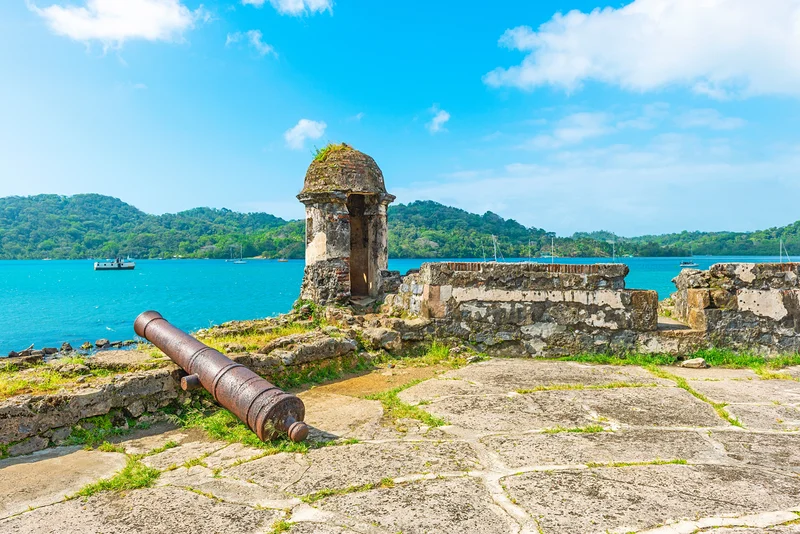
The capital is two cities in one. Casco Viejo, the UNESCO-listed historic quarter, has cobblestone streets, Spanish colonial churches, rooftop bars, and cafes that spill onto plazas. A few miles away, the financial district looks like a tropical version of Miami's Brickell neighborhood, all glass towers and international banks. For a view over both worlds, head up Cerro Ancón, a forested hill right on the edge of the city that gives you the full panorama.
National Parks: 40% Forest and Counting
About 40% of Panama is covered in forest, and a good chunk of that is protected. Soberanía National Park, just outside Panama City, is one of the top birdwatching spots in the Americas, with hundreds of species of birds, mammals, and plants packed into a relatively accessible area. Further south, Coiba National Park is the place for diving and snorkeling. Think remote beaches, crystal-clear water, and marine life on par with the Galápagos. It's genuinely that good.
Bocas del Toro and San Blas: Two Very Different Island Experiences
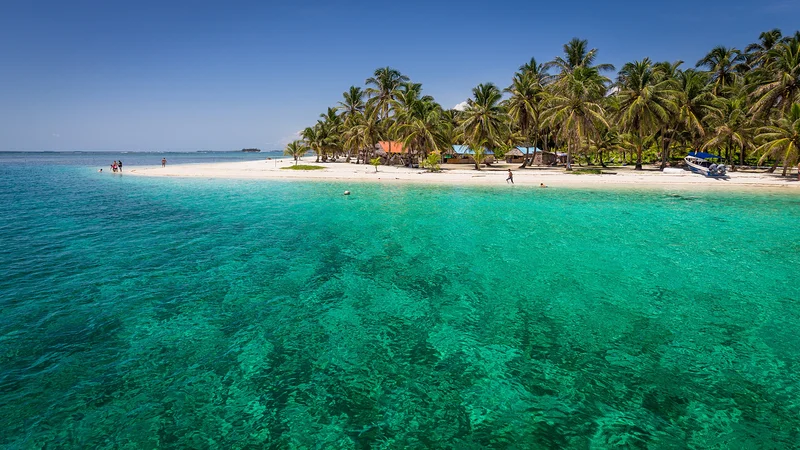
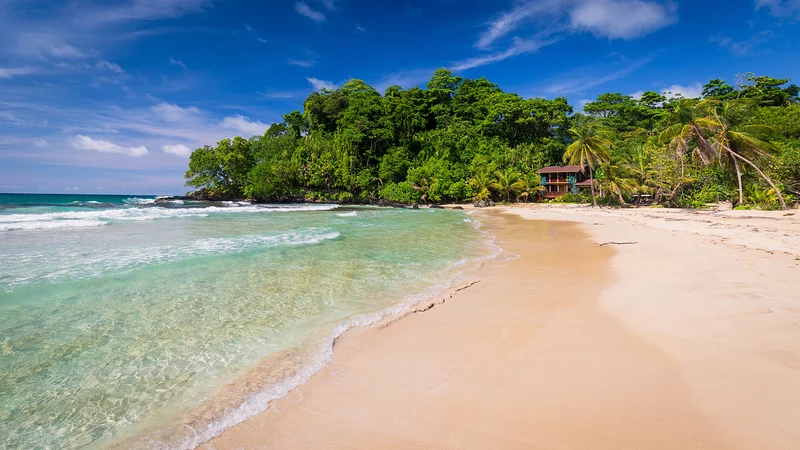
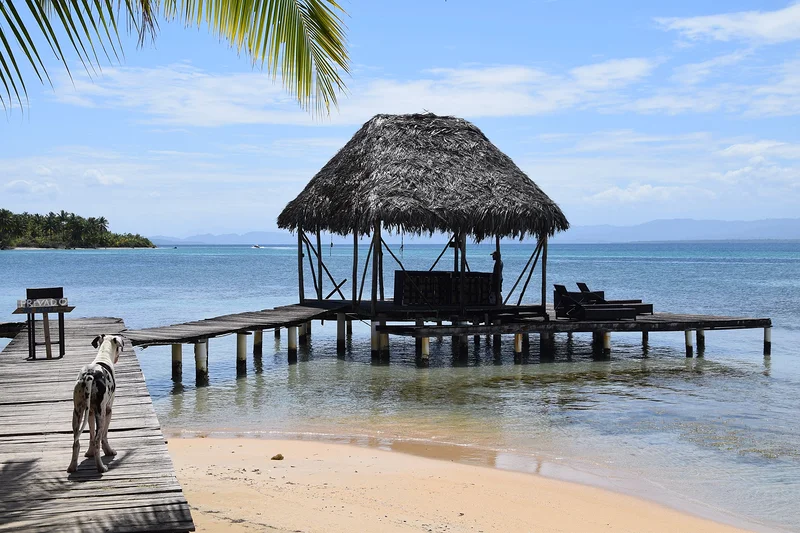
Panama has two standout island destinations, and they couldn't feel more different. Bocas del Toro on the Caribbean coast has that laid-back backpacker energy, turquoise water, cheap hostels, and surf breaks. The San Blas Islands, governed entirely by the indigenous Guna people, are something else: pristine, undeveloped, and genuinely off the grid. No big resorts, no chain restaurants. You stay in simple cabins on the water and that's the point.
Panamanian Food Worth Knowing
Panamanian cooking pulls from indigenous, African, and Spanish traditions, and the results are solid comfort food. Sancocho is the national dish, a slow-cooked chicken soup with root vegetables and herbs that locals swear cures everything. For street food, look for empanadas (stuffed fried turnovers) and carimañolas, yuca fritters filled with meat or cheese. For breakfast, hojaldras are fried dough pastries, crispy and slightly sweet, best eaten with a cup of local coffee.
Best Time to Go
The dry season runs December through April, and that's when most visitors come. Temperatures are comfortable and rain is rare. If you want to catch the Carnival celebrations (usually in February), head to Las Tablas, which throws one of the biggest parties in the country. Divers sometimes prefer the wet season (May through November) because marine life tends to be more active, and the crowds thin out considerably.
Getting There
Panama City's Tocumen International Airport has direct flights from major US cities including Miami, New York, Houston, and Los Angeles. Flight times from the East Coast run around 3 to 4 hours, and from the West Coast closer to 6 to 7 hours. Round-trip fares from the US typically range from around $300 to $600 depending on the season and how far in advance you book.
Getting Around
Panama has a solid intercity bus network that connects most towns and tourist areas at very low cost, usually just a few dollars per leg. For reaching remote areas or island-hopping, shared taxis and small boats are the standard options. Renting a car (rates start around $30 to $50/day, roughly 30 to 50 PAB) makes sense if you want to explore the highlands or rural areas on your own schedule, though in Panama City itself, taxis and the metro are easier than driving.