
Essential Guide to Teotihuacan
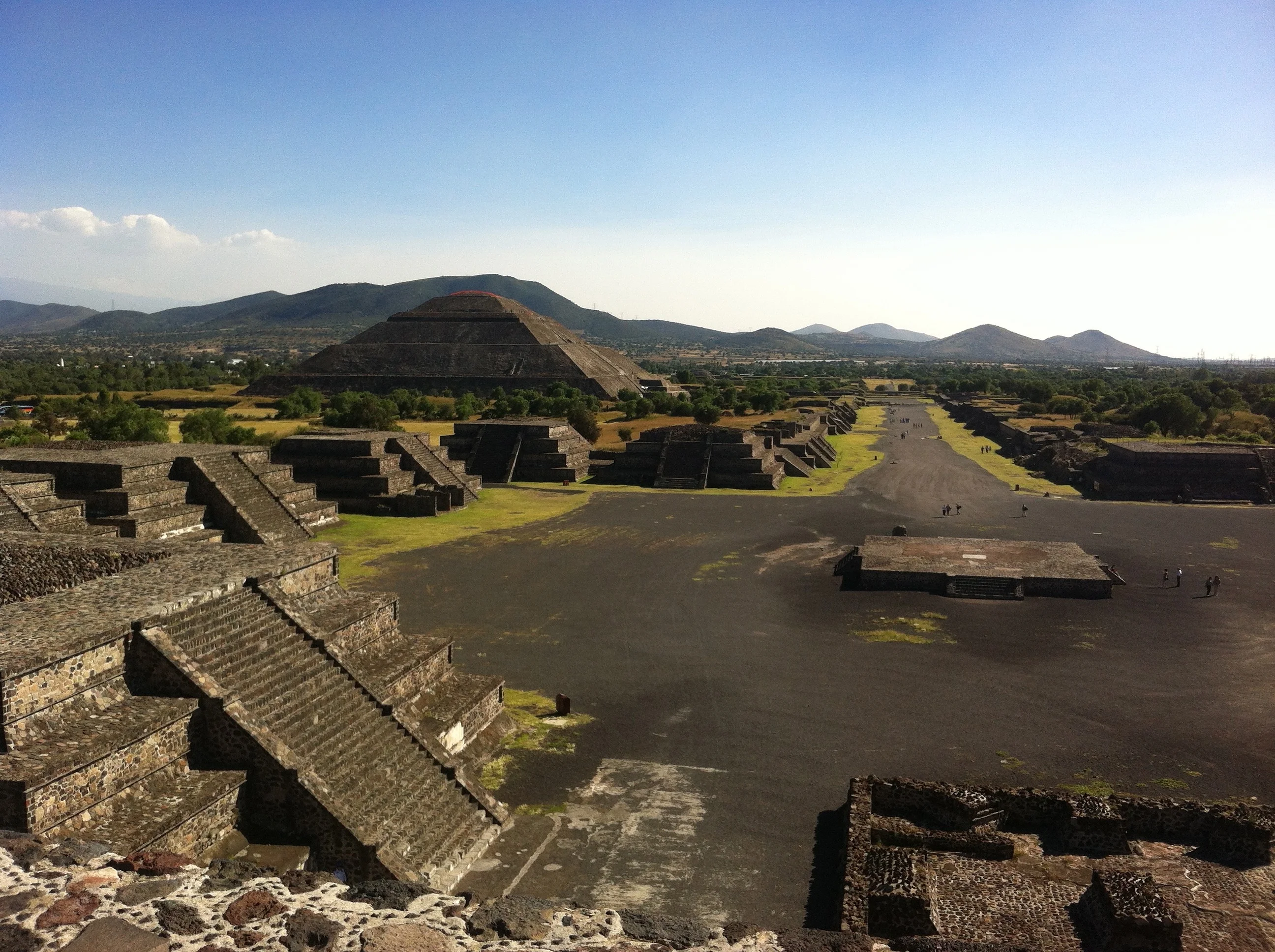
Located about 50 km from Mexico City, Teotihuacan draws travelers in with its massive pyramids and enduring historical mystery. This former pre-Columbian city, once among the largest metropolitan areas in the world, gives visitors a direct look into ancient Mesoamerican civilization. Combining archaeological exploration with cultural discovery, a trip to Teotihuacan stands out as a genuine window into Mexico's deep past.
The Majestic Pyramid of the Sun
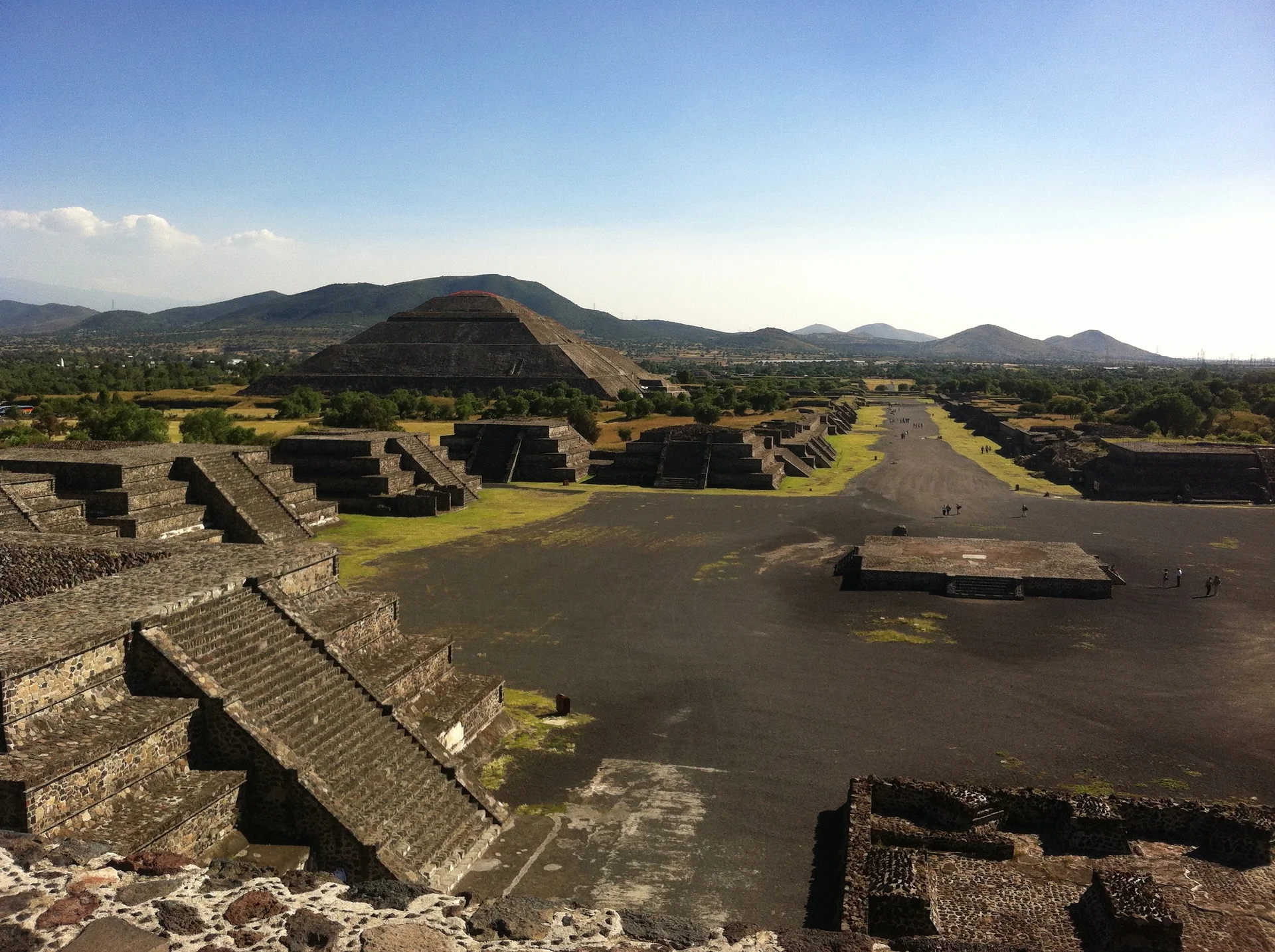
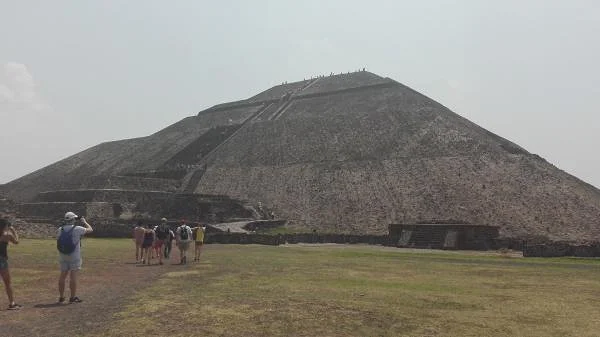
Towering over the entire archaeological site, the Pyramid of the Sun ranks as one of the most striking structures of the ancient world. Standing 65 meters tall with a base spanning over 220 meters on each side, it holds the title of the largest structure in Teotihuacan. Access to the top is strictly regulated and frequently closed, so check current rules before planning the climb, though panoramic views from the Avenue of the Dead are just as rewarding.
The Pyramid of the Moon and the Avenue of the Dead
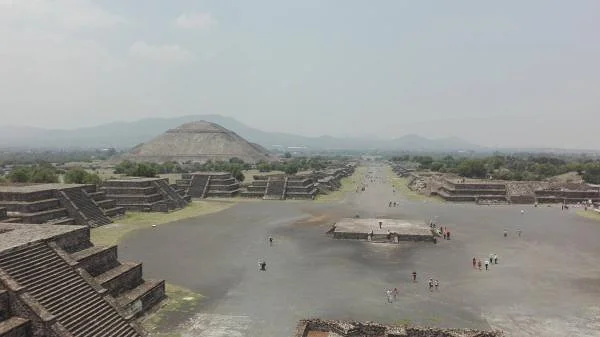
Facing the Pyramid of the Sun stands the Pyramid of the Moon, slightly smaller yet equally imposing. It marks the northern end of the Avenue of the Dead, the main axis of the ancient city. This wide central corridor, lined with ancient temples and palaces, reveals the sophisticated urban planning of the civilization. Walking this route uncovers the remnants of a society whose cultural reach stretched far beyond central Mexico.
The Temple of Quetzalcoatl and the Citadel
Further south on the site, the Temple of Quetzalcoatl, also known as the Temple of the Feathered Serpent, showcases refined architecture and detailed stone carvings. Located at the heart of the Citadel, this temple features sculpted feathered serpent heads and stylized jaguars honoring the deities worshipped by the Teotihuacanos. Historians believe this complex served as a major political and religious center.
The Museum of Teotihuacan Culture
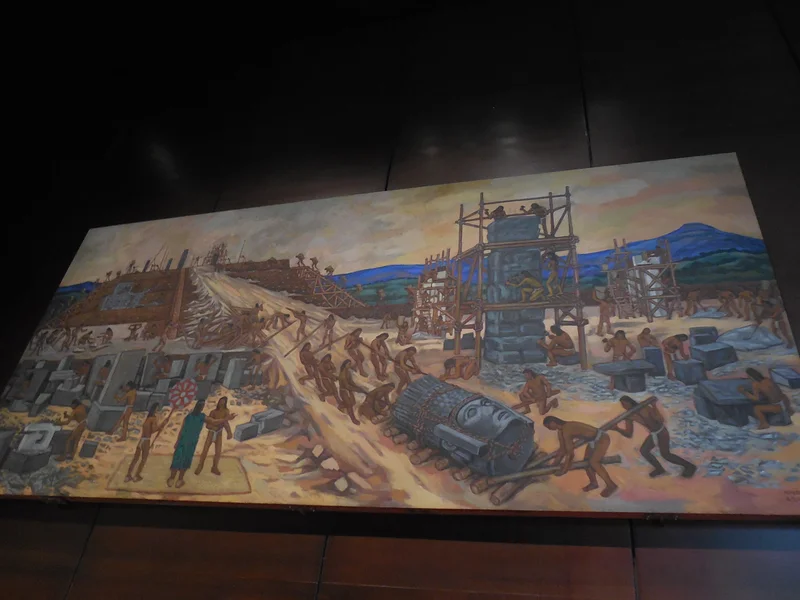
Before leaving the grounds, a stop at the Museum of Teotihuacan Culture helps put the ruins into perspective. The museum exhibits detailed scale models of the ancient metropolis, colorful murals, and various ritual and everyday artifacts. It serves as an essential final stop to deepen your understanding of the site.
An Ancient Culinary Heritage
Local gastronomy preserves deep pre-Hispanic roots. Among the standouts are tlacoyos, thick corn masa patties stuffed with fava beans or cheese, commonly sold by street vendors around the archaeological zone. Another regional staple is barbacoa de borrego, mutton slow-cooked inside maguey leaves, representing a classic dish of central Mexico.
When it comes to drinks, pulque, a traditional fermented agave sap, remains valued for its distinct flavor and cultural history.
Where to Eat
- La Gruta (near the site): A restaurant built entirely inside a natural volcanic cave, serving traditional Mexican fare in an unforgettable setting.
- Mayahuel (San Juan Teotihuacan): An elegant dining room highlighting regional ingredients like cactus and lamb.
- Restaurante Techinanco (near the site): Known for friendly service and authentic dishes like quesadillas and Aztec soup.
Where to Stay
- Hotel Quetzalcalli (San Juan Teotihuacan): A budget-friendly hotel with local charm and quick access to the pyramids.
- Villas Arqueológicas Teotihuacan (near the site): A comfortable property featuring pre-Hispanic inspired decor.
- Hotel Teoticamp (San Juan Teotihuacan): A family-friendly choice complete with a swimming pool and green spaces.
When to Go
The ideal window to visit Teotihuacan runs from November to April, when temperatures are pleasant and rainfall is minimal. Summer months from June to September bring intense heat and frequent afternoon thunderstorms. Every year in March, the spring equinox draws large crowds looking to experience the atmosphere at the pyramids.
How to Get There
From Mexico City, Teotihuacan is easily reached by bus from the Terminal del Norte in about 1 hour for a round-trip fare around 100 MXN. Alternatively, renting a car or taking a taxi offers more schedule flexibility. Many tour operators also offer guided day trips with transportation included from the capital.
Getting Around
The archaeological zone itself is explored entirely on foot, and because the site is expansive, comfortable walking shoes and plenty of water are essential. Just outside the gates, local taxis and colectivos make it easy to reach San Juan Teotihuacan for dining and services.
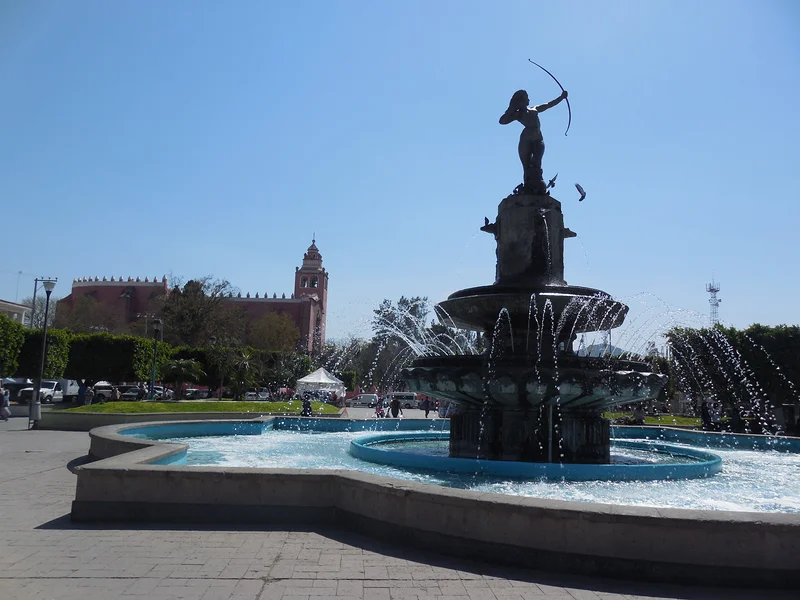
Teotihuacan is mainly visited for the archaeological site. The town itself is not really worth the trip, except to grab a bite to eat or buy some crafts. There are a lot of vendors selling obsidian objects. You can stop in town by bus, even though it is easier to get there by car.