
Tula de Allende, the forgotten capital that shaped Mexico
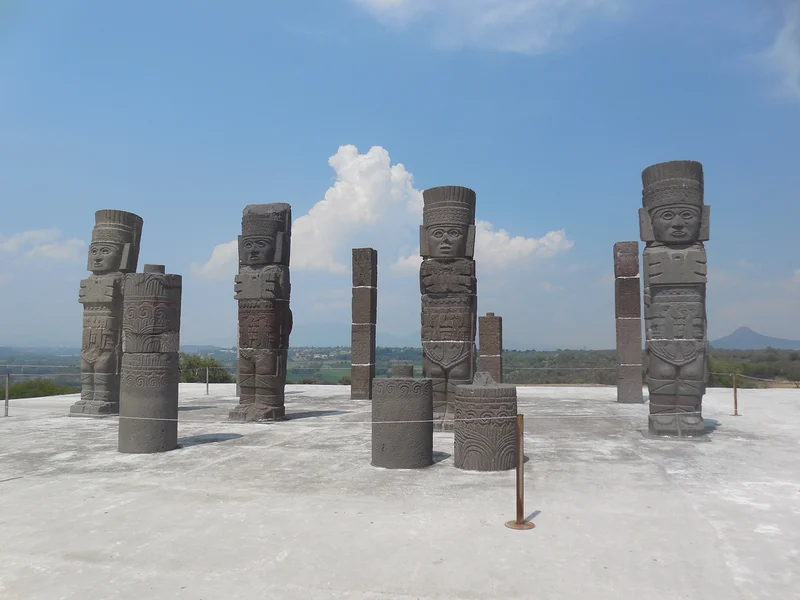
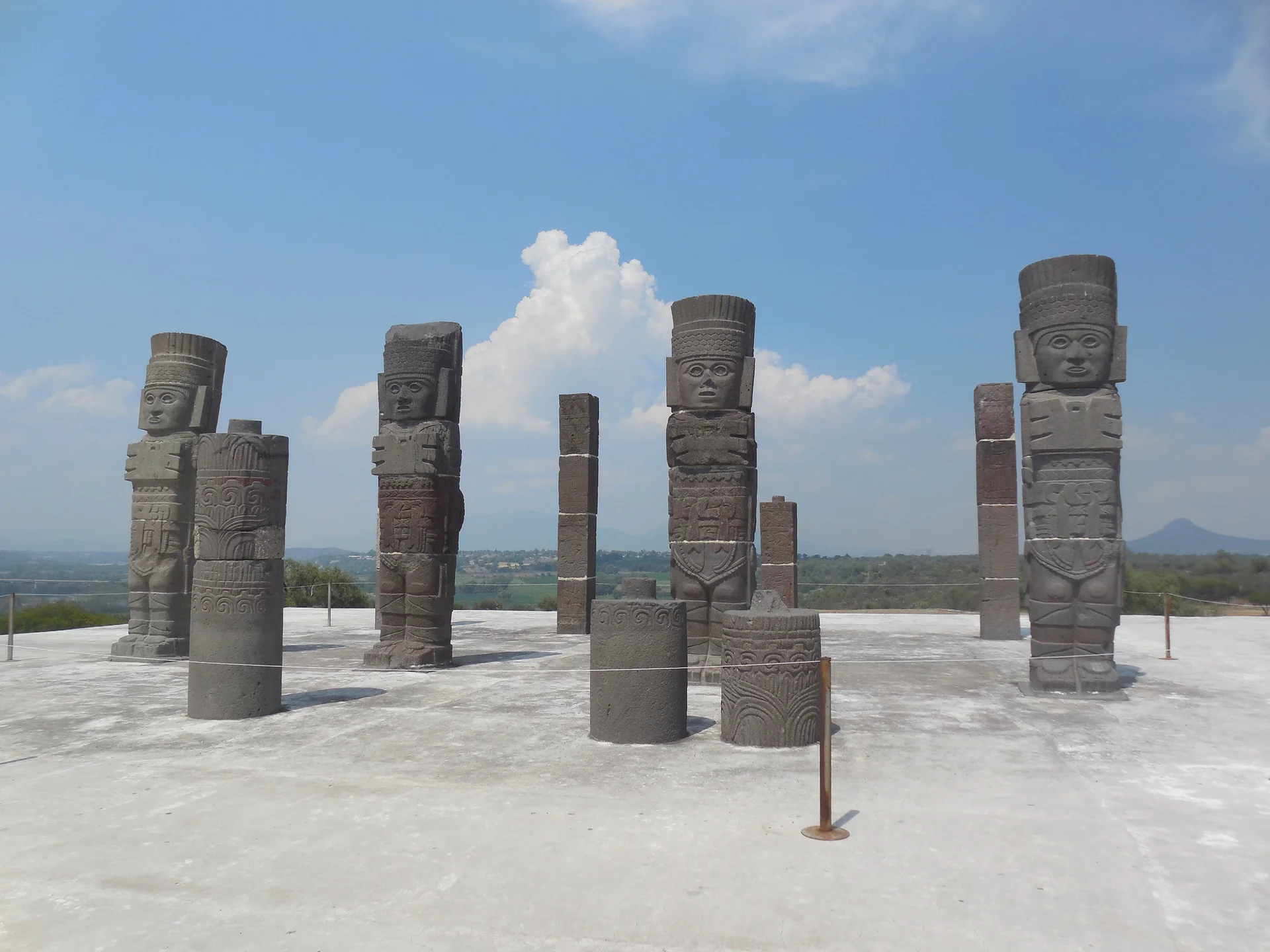
You are standing alone in front of four basalt warriors that have been staring you down for over a thousand years. Four 15-foot colossi, anchored at the summit of a pyramid, their gaze fixed on the dry horizon of the Valle del Mezquital. There is not a selfie stick in sight, and there are no lines to wait in.
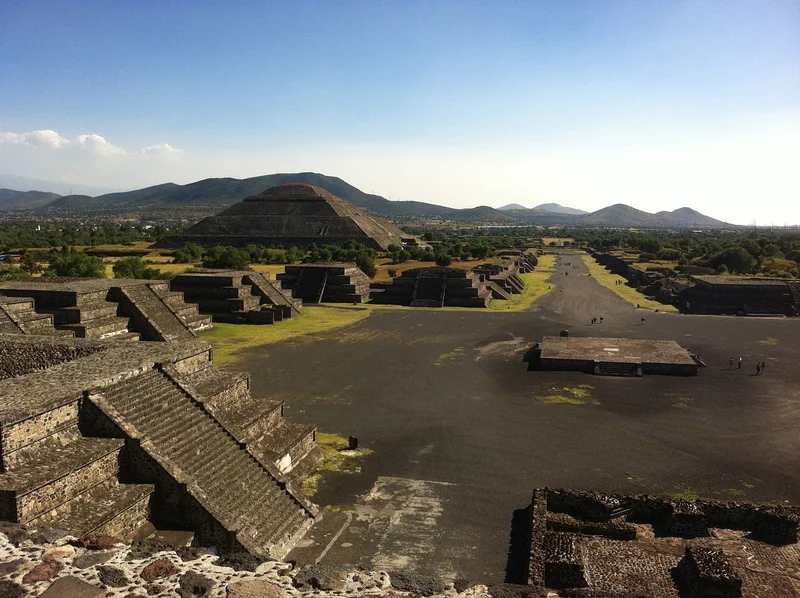
Welcome to Tula de Allende, the former Toltec capital, a civilization so revered that the Aztecs themselves claimed descent from it. The site is barely two hours from Mexico City, but the crowds of Teotihuacán feel like they belong to a different world.
A perfect day trip, not a vacation destination
Let's be clear. Tula de Allende is a day trip, rarely more. The modern city is a regional economic hub driven by its oil refinery and a thermoelectric plant. This is not the manicured charm of San Miguel de Allende. It is a standard Mexican town, lively on the weekends around its market and the Plaza de la Constitución, and quiet during the week. The draw here is purely archaeological and gastronomic.
This place is perfect for pre-Columbian history buffs looking to get off the beaten path, travelers based in Mexico City seeking a different kind of day trip, and those who want to understand the lineage between the Toltecs, Mayas, and Aztecs without the crushing crowds of the major sites. However, if you are looking for nightlife, Instagram-friendly boutique hotels, or rich colonial heritage, look elsewhere.
Practical info: an easy excursion from Mexico City
The city is safe and accessible. The state of Hidalgo does not present any particular safety issues for travelers. The climate is semi-arid, warm in the summer (77-86°F) and mild in the winter (54-63°F), with very little rain. Spanish is the only useful language here, so do not count on English, even in the rare hotels. Tourist infrastructure remains modest, but that is part of the area's charm.
A very accessible budget
Tula is one of the most affordable excursions from Mexico City. Expect to pay about 200-300 MXN (about $11-$17*) for the round-trip bus ride, 90 MXN for entry to the archaeological site on weekdays, and it is free on Sundays. A hearty meal at the Mercado Felipe Carbajal Arcia runs 80-150 MXN ($4.40-$8.20*). Total budget for the day: between 400 and 700 MXN ($22 to $39*).
The Atlantean figures and the archaeological zone: the highlight of the visit
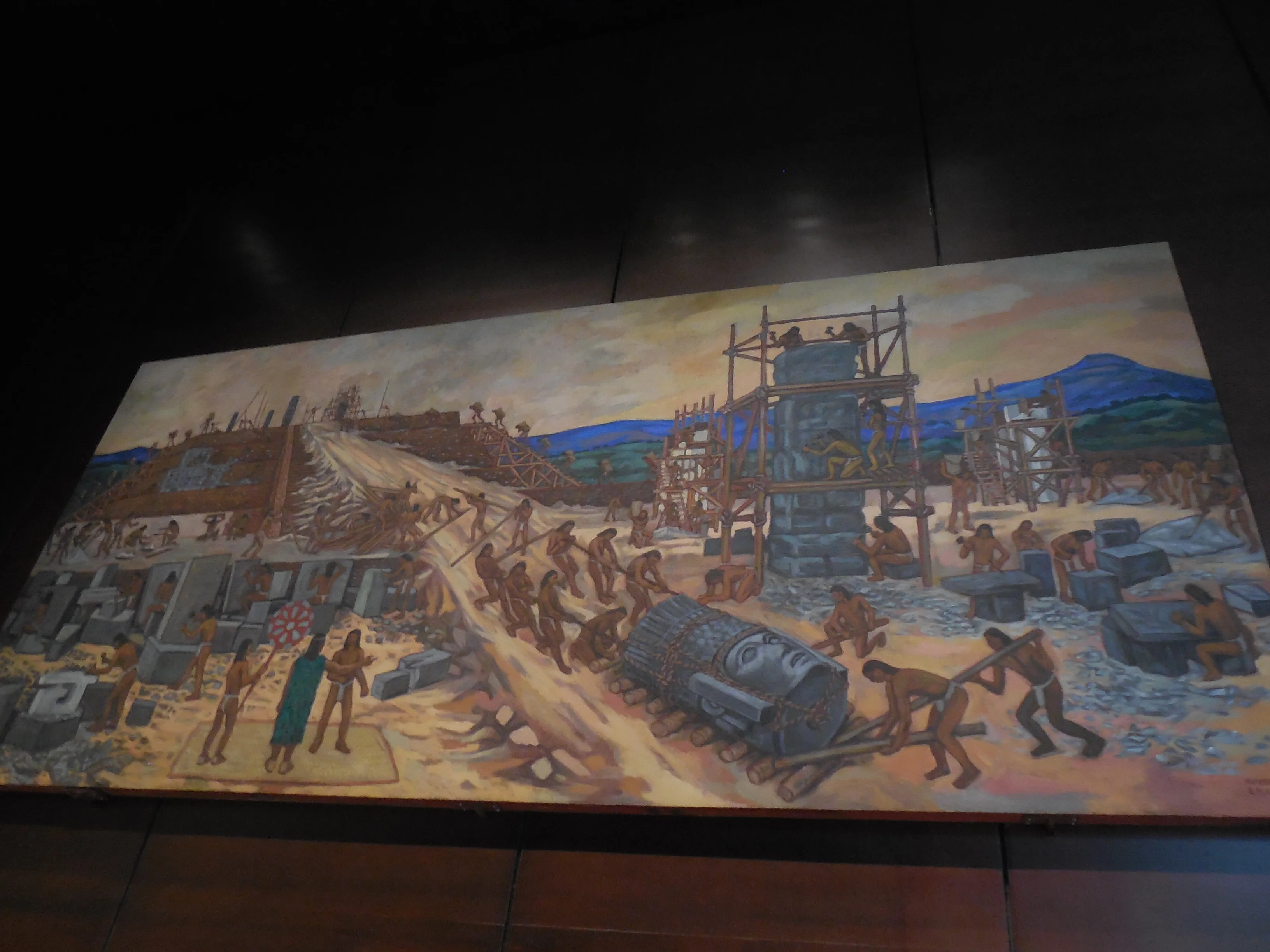
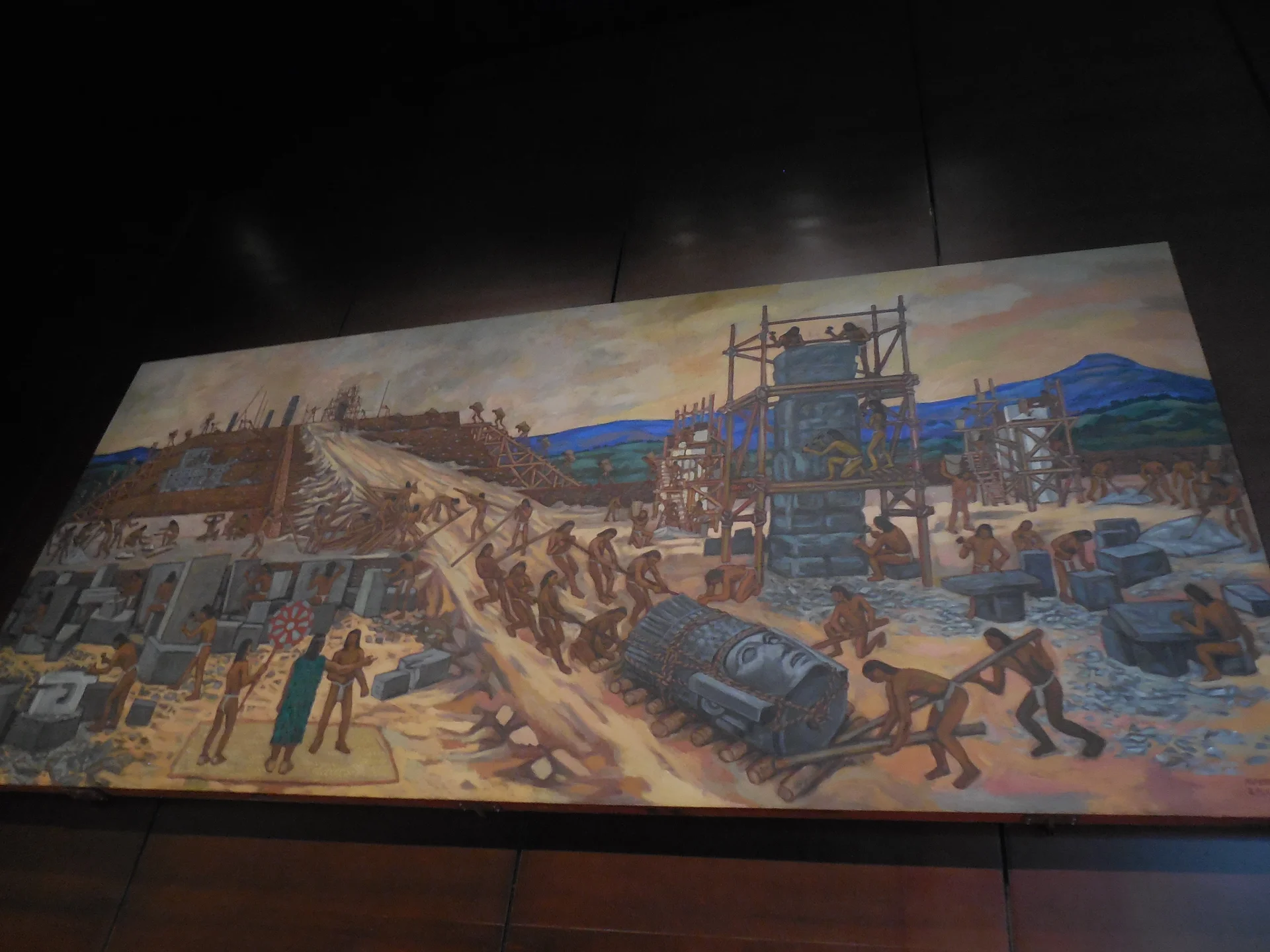
They are the reason you come, and they are worth the trip. The four Atlantes de Tula are columns carved from basalt, each weighing over eight tons. They depict Toltec warriors wearing feathered headdresses, armed with atlatls (spear throwers), with their chests protected by butterfly-shaped breastplates. These figures served as pillars to support the roof of the Temple of Tlahuizcalpantecuhtli, the temple of the morning star, dedicated to Quetzalcoatl in his form as the planet Venus.
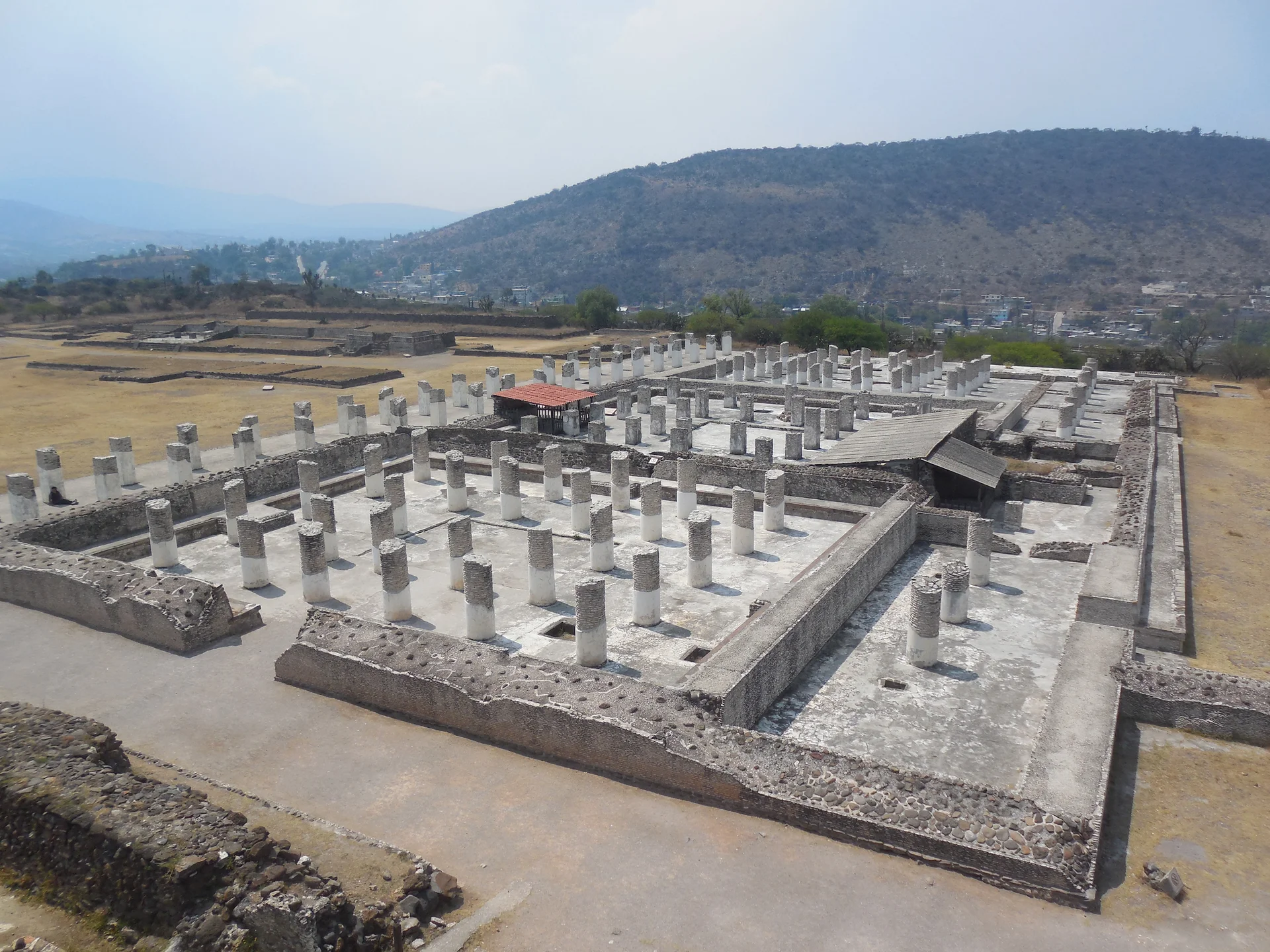
The site is smaller than Teotihuacán, that is a fact. But this modesty has an advantage: you can climb to the top of the Pyramid B and find yourself nose-to-nose with the Atlantes, close enough to touch them, with a panoramic view of the valley. The Palacio Quemado, named for the traces of an ancient fire it bears, features a labyrinth of columns that is strangely reminiscent of Chichén Itzá. This is not a coincidence: the links between the Toltecs and the Mayas of the Yucatán remain one of the great mysteries of Mesoamerican archaeology.
Do not miss the Coatepantli, the wall of serpents, adorned with reliefs depicting snakes devouring human skeletons. The ball court, although less spectacular than the one at Chichén Itzá, gives an idea of the ritual importance of this sacred sport. As you walk around the site, you might even step on shards of thousand-year-old Toltec pottery. They are so numerous in the soil that archaeologists hardly pay them any attention anymore.
Friendly tip: arrive at the site opening at 9 a.m., especially on Sunday (free entry but more crowded). The first visitors enjoy the Atlantes in a near-mystical silence. From 11 a.m. on, school groups arrive. The site museum, the Sala de Interpretación Guadalupe Mastache, is worth about twenty minutes to provide context for what you have just seen.
The colonial town center and its murals
After the archaeological site, head back down to the center of Tula for a completely different chapter of history. The Catedral de San José is a former Franciscan convent built between 1546 and 1556, one of the very first in Mexico. Its massive facade evokes a fortress more than a church. Inside, the ribs of the vault are gilded, and the cloister houses colonial frescoes depicting saints like San Pablo, San Pedro, and María Magdalena.
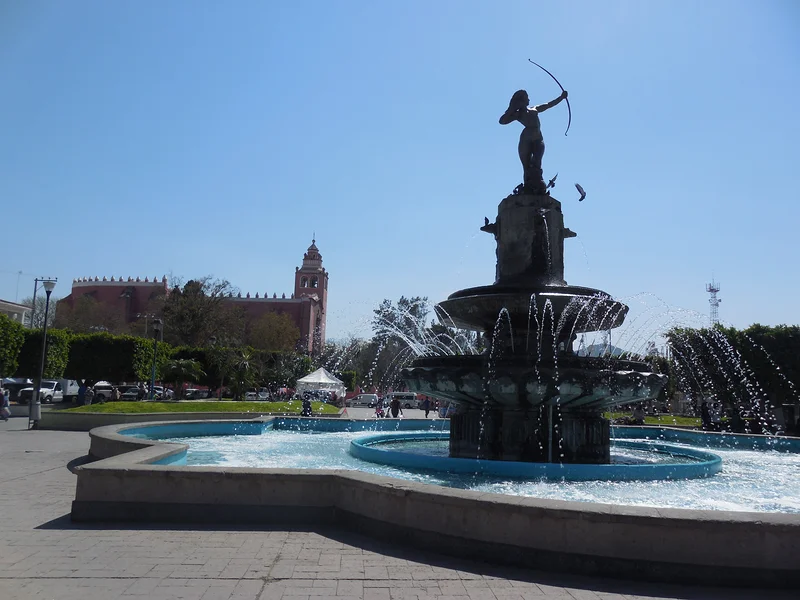
A surprising detail: a modern mural at the main altar depicts Jesus enjoying traditional Mexican dishes with a family. This collision between the sacred and popular culture summarizes the spirit of the place. On the Plaza de la Constitución, right next door, an open-air theater hosts local events, framed by a mural titled "Tula Eterna" by Juan Pablo Patiño Cornejo.
The Mercado de Artesanías, opposite the square, offers miniature replicas of the Atlantes, pipes, and objects made of cardón fiber and nopal cactus hand-carved by local artisans. It is the ideal souvenir, a far cry from industrial magnets.
Hiking and nature around Tula
For those who want to extend the visit, Tula offers a few outdoor surprises. The Parque Nacional Tula encompasses the archaeological zone and its surrounding hills, with easy hiking trails. The loop around the park allows you to see the pyramids from a different angle, but bring a hat and sunscreen: shade is rare.
The cascades of El Fresno, about 25 minutes from the center by car, are a good spot for a picnic. More ambitious, the Cerro Grande is an ecological reserve with rocky trails that lead to a summit offering panoramic views of the entire state of Hidalgo. The Cerro de la Malinche, accessible on foot from the archaeological site, houses petroglyphs that few visitors bother to check out.
Where to eat and drink in Tula de Allende?
The state of Hidalgo is the birthplace of barbacoa, lamb wrapped in maguey leaves and cooked all night in a pit dug into the ground. On the weekend, it is a ritual: the stalls at the Mercado Felipe Carbajal Arcia serve tacos de cabeza, barbacoa accompanied by its boiling hot consomé and salsa borracha made from pasilla chili and pulque. It is hearty, fatty, and comforting.
For a more gastronomic experience, the corredor de restaurantes on the Tula-Refinería road offers bold regional specialties: escamoles (ant larvae, nicknamed Mexican caviar), chinicuiles (maguey worms), chapulines (toasted grasshoppers), rabbit in garlic sauce, and squash blossom soup. The restaurant Los Negritos, a stone's throw from the main square, is a safe bet for trying these curiosities in a family atmosphere, with molcajete sauces prepared on the spot. Expect to pay about $18* per person for a full meal with a drink.
Friendly tip: barbacoa is traditionally served only on Saturday and Sunday mornings. If you come during the week, you will miss out. Accompany the meal with a glass of fresh pulque, the ancestral fermented agave drink of the region.
Where to stay in and around Tula de Allende?
The hotel offering remains simple. In the city center, Hotel Real Catedral and Hotel Cuellar offer decent rooms for 500 to 900 MXN ($28-$50*) per night. For more comfort, Hotel Real del Bosque Golf and Spa, on the outskirts, has gardens, a golf course, and a spa, starting from about 1,500 MXN per night.
Most visitors make the round trip from Mexico City in a day, and it is honestly the most logical format. If you want to sleep on-site to enjoy the archaeological site as soon as it opens, book for a Saturday night to combine the Sunday morning visit (free) with the weekend barbacoa.
How to get to and around Tula de Allende?
From Mexico City, buses leave about every hour from the Terminal del Norte (Autobuses del Norte metro station, line 5). The trip takes 1 hour and 45 minutes and costs between 100 and 150 MXN ($5.50-$8.20*) one way. The Tula bus station is on calle Xicoténcatl, a few minutes' walk from the pedestrian city center via calle Quetzalcóatl.
By car from Mexico City, count on less than two hours via Highway 57 North, exiting at km 77. It is also a logical stop if you are traveling between Mexico City and Querétaro or San Miguel de Allende. The archaeological zone of Teotihuacán is about a 1 hour and 30 minute drive away, which allows you to combine the two sites over a weekend. From the US, the arrival airport is Mexico City (MEX), with numerous direct flights available.
Once there, the center is walkable. To reach the archaeological site from the center, count on a 20-25 minute walk along the path that runs along the Río Tula, or take a local bus (stop "Elektra" near the bus station, exit on Boulevard Tula near the entrance to the site). On weekends, a tourist Tulabus connects the center to the archaeological zone.
When to go?
The best time is from October to May, when temperatures are pleasant (59-77°F) and rain is almost non-existent. The months of March to May offer the lowest accommodation prices. Avoid July and August if the heat bothers you: the sun beats down hard on this semi-arid plateau with no shade. Sunday is the best day of the week to visit, thanks to free entry to the site and the market's barbacoa.
The city of Tula itself doesn't have much to offer, except for its Toltec archaeological site. It is an industrial city near the capital, where columns of smoke billow out from the factories. It is a good thing the Toltecs built here to add a little bit of charm!