Saint-François, the eastern tip of Grande-Terre
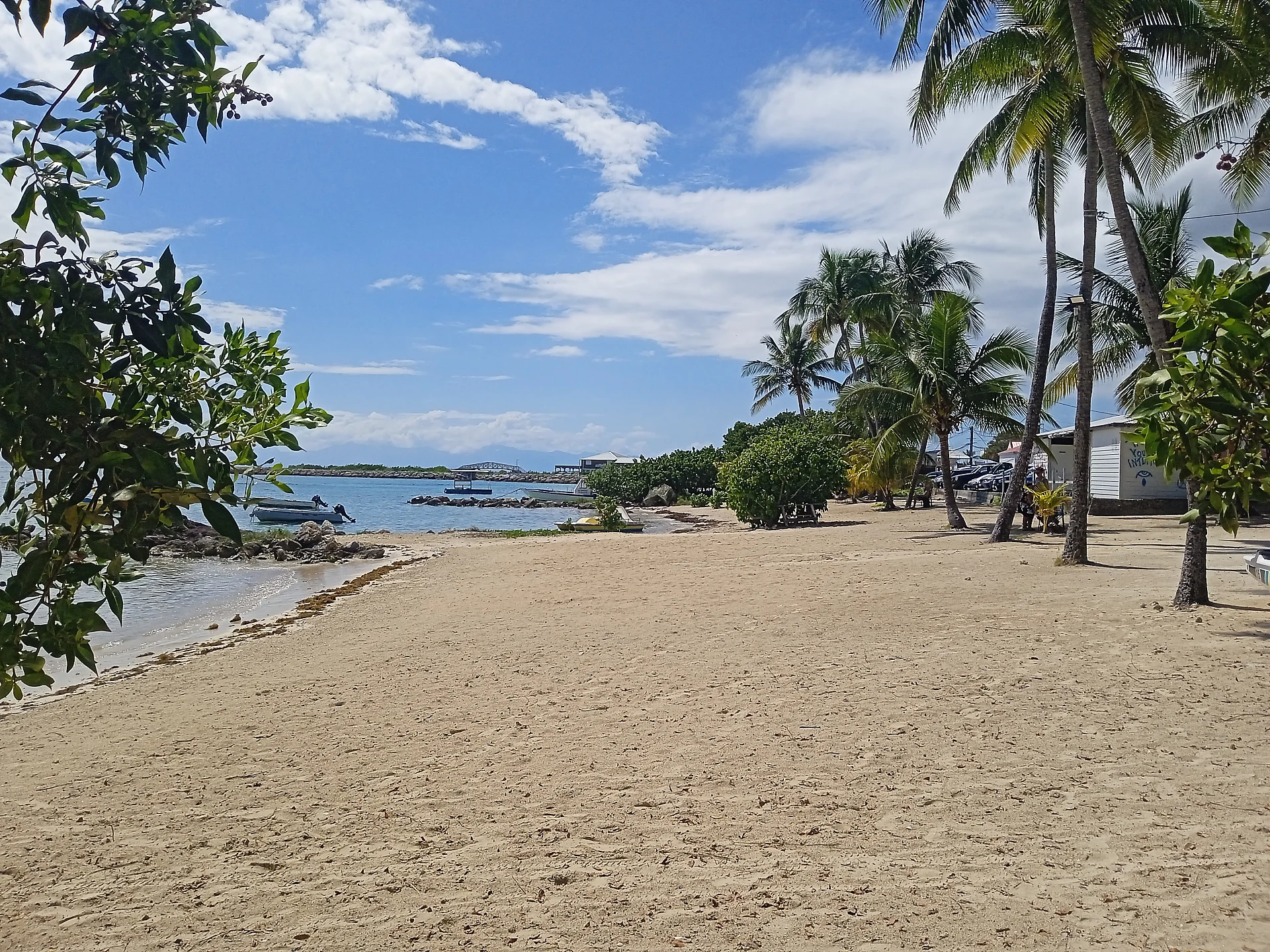
Here, the trade winds never quit. They rustle the coconut palms, cool down the outdoor patios, and push kitesurfers across the lagoon while golfers wrap up their rounds right against the ocean.
Saint-François is the most chic resort town on Grande-Terre, but it still holds onto the daily rhythm of a working fishing village around its marina and small harbor.
A destination built for you?
It will draw in travelers who want beaches sheltered by a coral reef, steady wind for watersports, and a busy restaurant scene at night. Couples and golf enthusiasts will feel right at home here.
It will let down anyone looking for dense jungle, waterfalls, and serious hiking like you get in Basse-Terre. The landscape here is dry, flat, and wide-open to the sea. Without a car, your range stays pretty limited.
Great for:
- kitesurfers, windsurfers, and calm-water swimmers
- golfers
- travelers who want a base for exploring Grande-Terre and the neighboring islands
Not ideal for:
- hikers chasing tropical rainforests
- travelers without a vehicle who want to move around constantly
- tight budgets during peak season
Practical realities
With around 12,700 residents, Saint-François keeps a manageable, human scale. French is the everyday language and the currency is the euro.
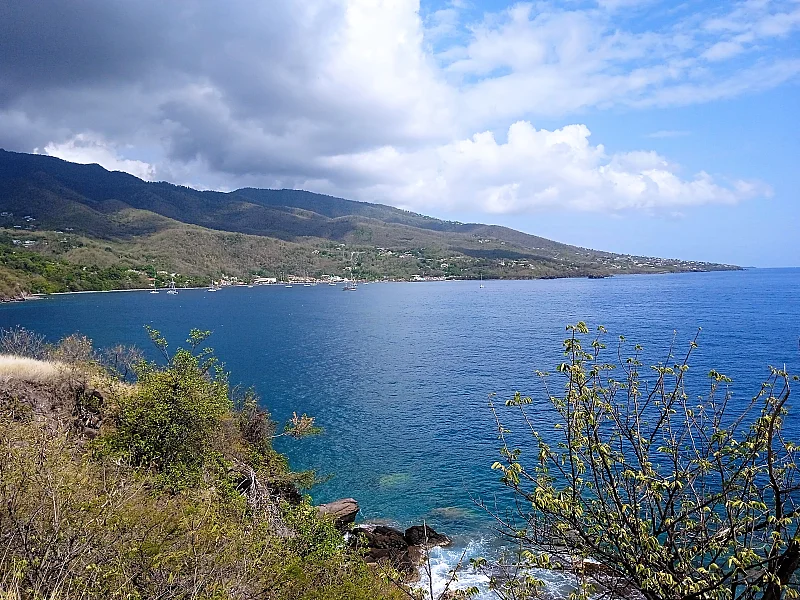
The climate is tropical, tempered by the trade winds. The town has a genuine resort atmosphere with a marina, shops, and restaurants clustered around the harbor, but most of the beaches and hotels stretch out beyond the town center, so plan on driving.
Beaches and watersports
The lagoon and beaches
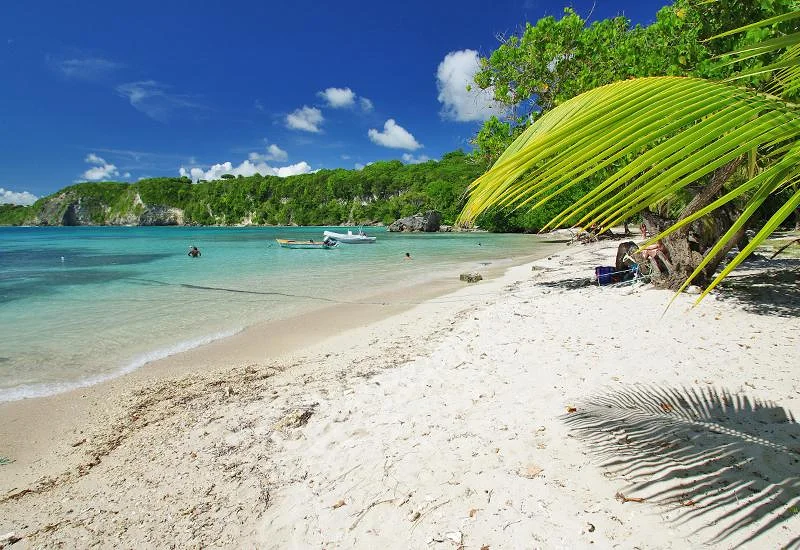
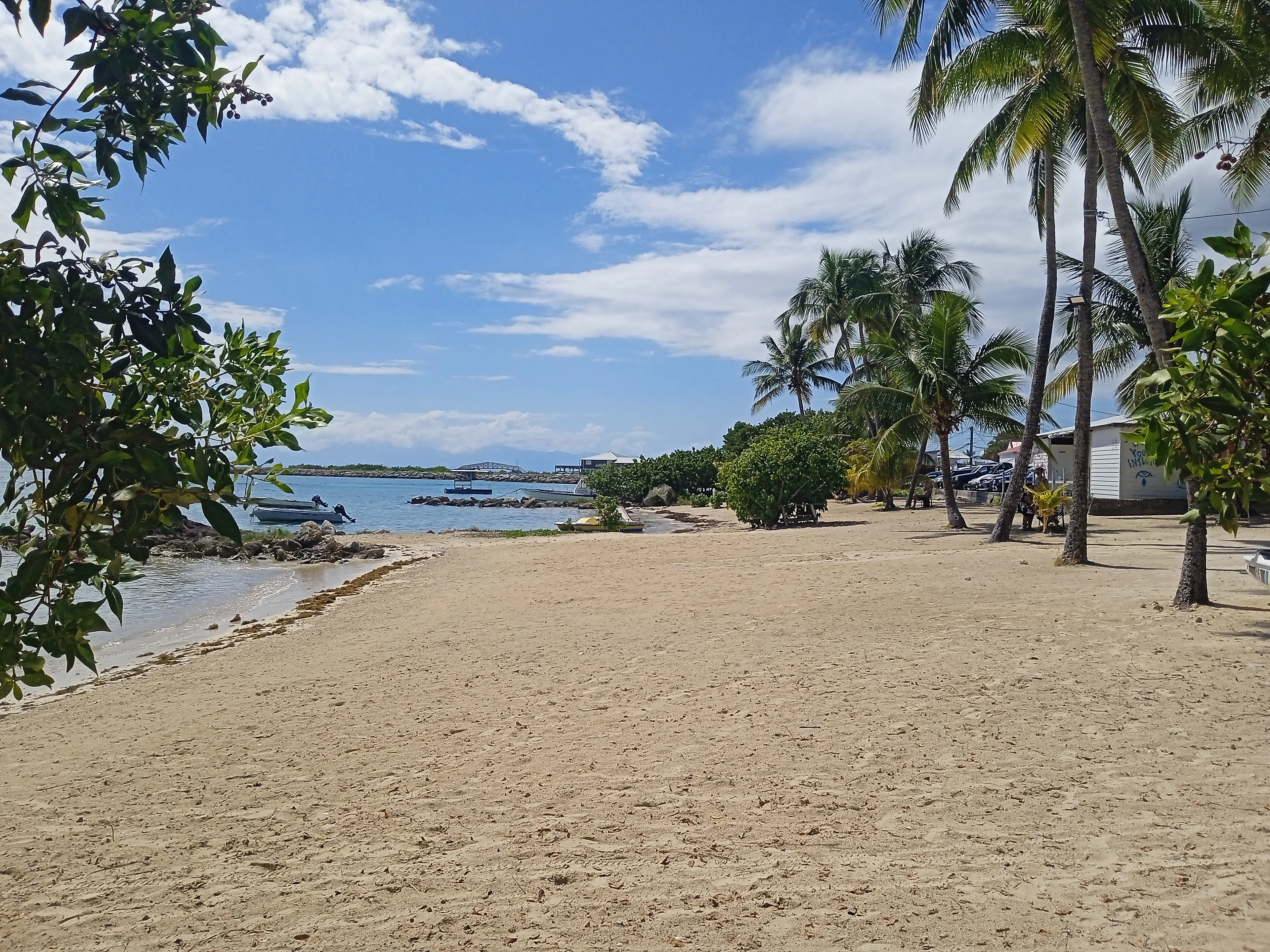
Near the town center and toward the Pointe des Châteaux, the beaches get the benefit of much calmer water than the open Atlantic side. The water here is clear and shallow, which makes it ideal for families.
Kitesurfing and windsurfing
The steady breeze turns Saint-François into a favorite spot for riders. Local schools offer introductory lessons; compare them on-site based on your skill level and the wind conditions of the day.
Golf and marina
Saint-François hosts Guadeloupe's international golf course, an oceanfront layout that pulls in players from across the Caribbean. Even if you do not play, the surrounding grounds are worth checking out around sunset.
The marina brings together bars and restaurants. It is also the main jumping-off point for boat trips out to the islands of La Désirade and Marie-Galante.
Pointe des Châteaux
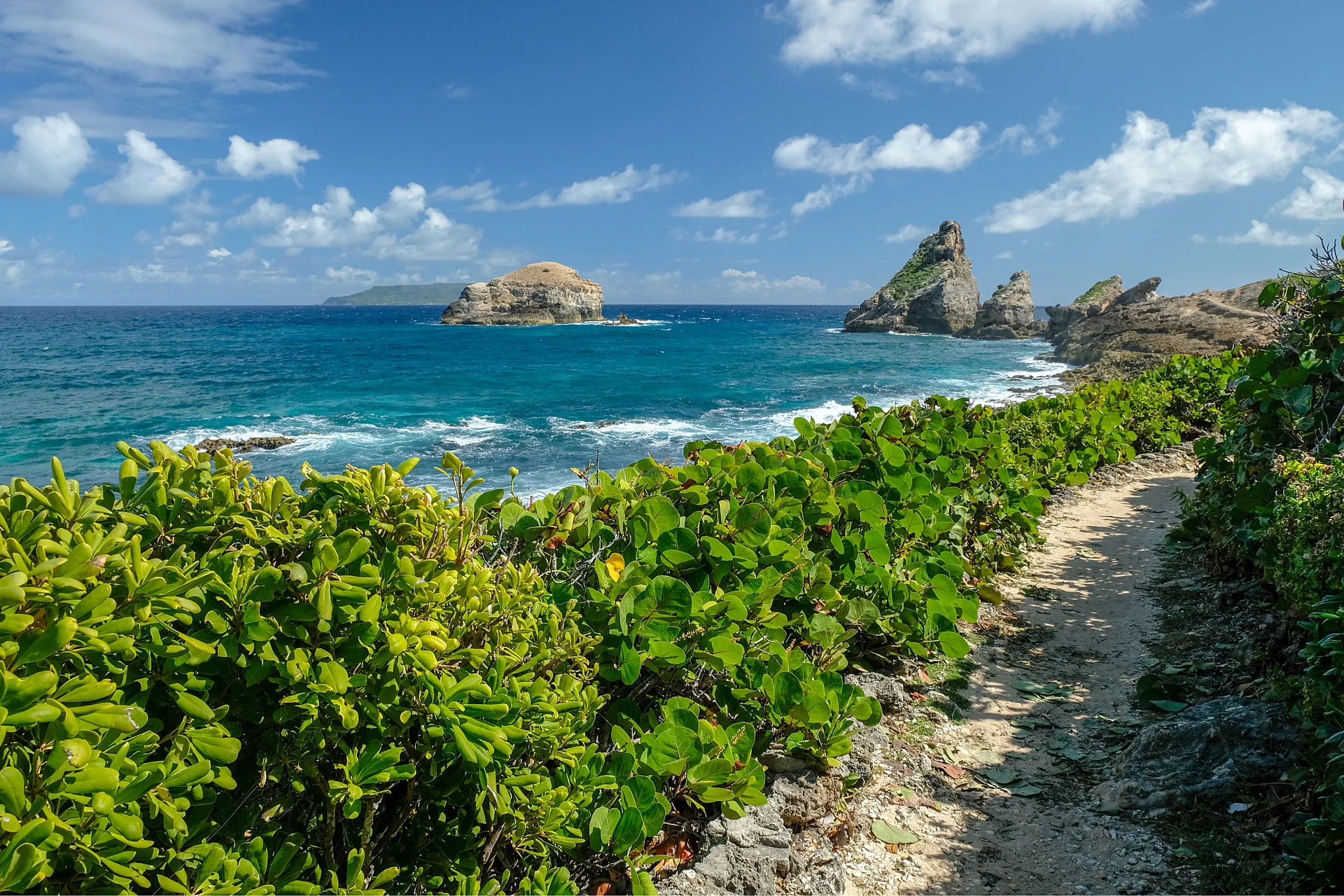
At the end of the road, the Pointe des Châteaux is the region's dramatic grand finale: wave-battered cliffs, sculpted rock formations, and a massive cross overlooking the spot where the Atlantic meets the Caribbean Sea. Get there early before the crowds and the heat build up.
Friendly tip: pack plenty of water and a hat. The site is fully exposed with almost zero shade, and the breeze hides how hot the sun actually is.
Where to eat and drink in Saint-François?
The marina and downtown area pack in most of the dining options. On the plate, look for Creole classics: chicken or fish colombo, cod fritters (accras de morue), and the grilled catch of the day.
For drinks, a ti-punch made with local agricultural rum is standard protocol at sunset.
Where to stay in Saint-François and nearby?
The town concentrates Grande-Terre's upscale lodging options, with beachfront hotels and apartment complexes grouped around the marina. You will also find vacation rentals and gîtes, which run cheaper outside the peak winter months.
Staying near the marina means you can walk to dinner at night. Out toward Pointe des Châteaux, the surroundings are much quieter.
How to get to Saint-François?
Pointe-à-Pitre International Airport (Pôle Caraïbes) handles direct flights from Europe. Expect about a 30 to 40 minute drive eastward to reach Saint-François along the main coastal highway.
How to get around Saint-François?
The downtown area and the marina are easy to cover on foot. For the beaches, the golf course, and Pointe des Châteaux, a rental car is by far the most practical option since public transit is limited.
When to go?
The dry season runs from December to April, bringing the most stable weather and consistent winds for watersports. The rainy season runs between June and November, bringing hotter, more humid conditions and hurricane exposure, so skip it if you want to avoid weather disruptions.