Basse-Terre, a quiet capital beneath the volcano
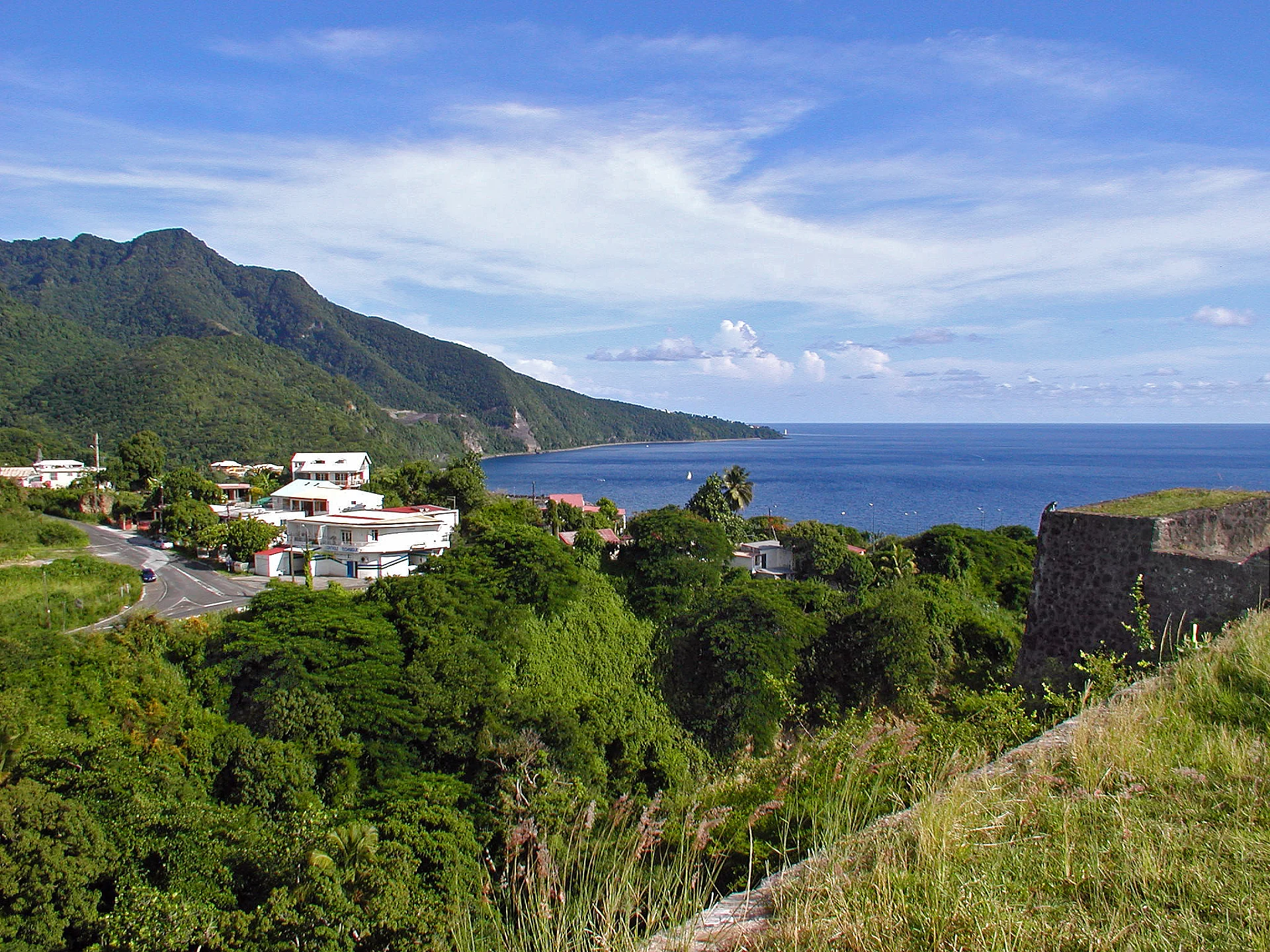
Here, the prefecture of Guadeloupe feels like a small tropical provincial town. Faded colonial facades, the sound of waves breaking against the jetty, and towering above the rooftops, the green bulk of the Soufrière volcano, which often wears a cap of clouds.
Many travelers pass right through without stopping. That is a mistake, because the tranquility is genuine and the scenery is well worth the detour.
A destination made for you?
Basse-Terre appeals to anyone who prefers a slower pace, colonial history, and nature within easy driving distance. The town makes an ideal base for hiking the volcano slopes, exploring waterfalls, and visiting the dive sites along the leeward coast.
On the flip side, it will disappoint those looking for postcard beaches, nightlife, or large resort infrastructure. By evening, the downtown empties out quickly.
Best suited for:
- Hikers wanting an early start toward la Soufrière
- Fans of history and colonial architecture
- Road-trippers exploring the leeward coast
Not suited for:
- Devotees of lounging and urban beaches
- Anyone looking for evening nightlife
- Travelers without a car wanting to get around
Practical realities
The town has a population of around 11,500 and moves to the rhythm of its government offices, meaning activity is brisk on weekdays and significantly quieter on weekends. French is the everyday language, while Creole fills conversations between neighbors.
The climate is tropical and humid. The mountains capture the rain, making showers frequent on the heights even when the coastline stays dry. Pack a light jacket for the mountains.
The historic center and waterfront
Fort Delgrès
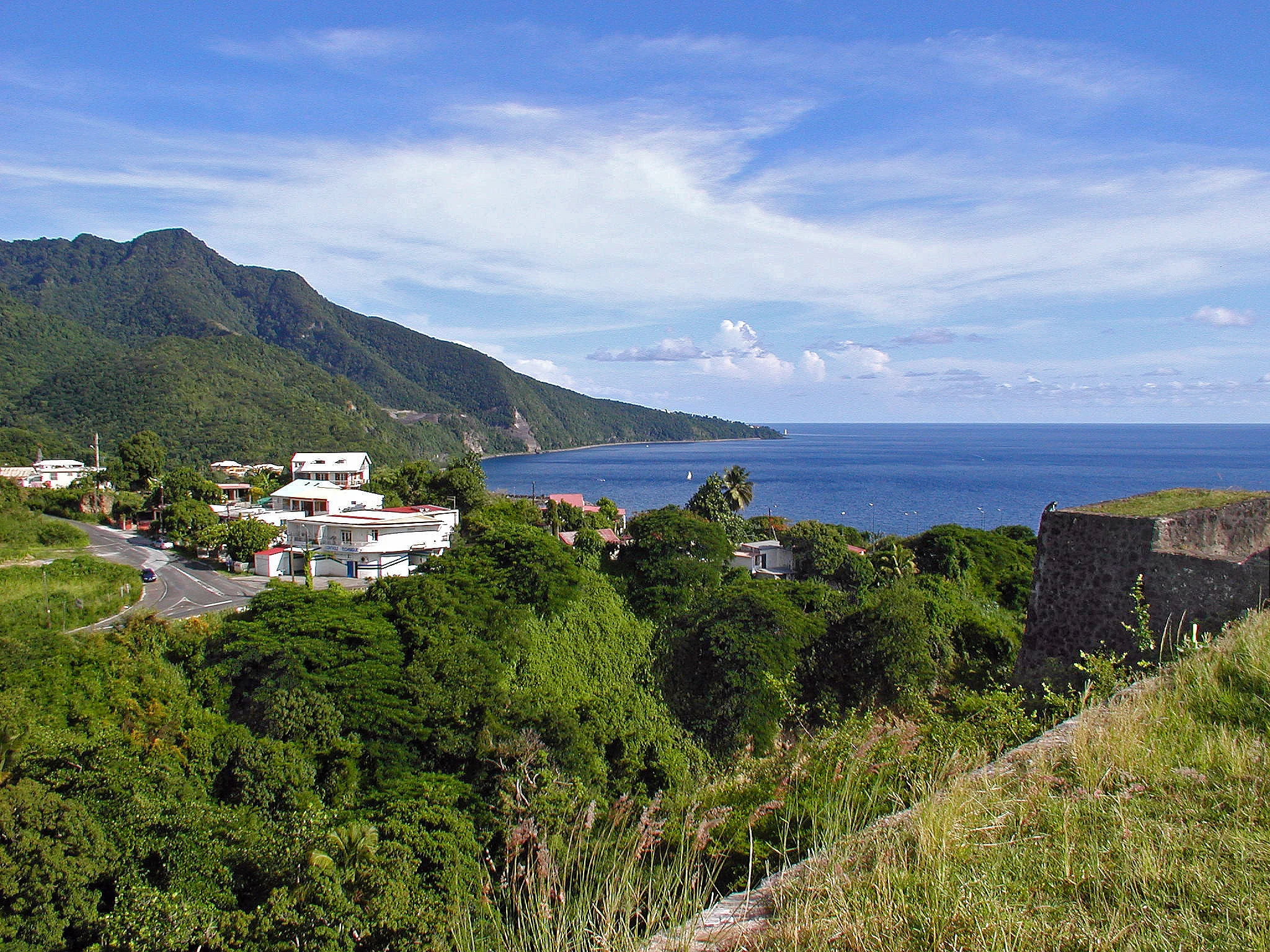
Fort Delgrès, a 17th-century fortification overlooking the town, is the main historical landmark. It is named after Colonel Louis Delgrès, who resisted Napoleonic troops here in 1802 to oppose the reinstatement of slavery. The ramparts offer open views of the Caribbean Sea and the Saintes islands on clear days.
Cathedral and old neighborhoods
The cathédrale Notre-Dame-de-Guadeloupe takes only a few minutes to tour, but you can continue your walk through the surrounding streets lined with wooden houses, wrought-iron balconies, and government buildings. Allow roughly an hour to see everything on foot.
Nature and the volcano
La Soufrière
The active volcano reaches a peak of about 1,467 metres, standing as the highest point in the Lesser Antilles. The hike to the summit leads through rainforest before opening up into a sulfur-scented fumarole zone. Start early, because clouds roll in quickly and the summit disappears into mist by late morning.
Friendly tip: bring a windbreaker and sturdy-tread shoes. The trail gets slick, and it can turn cool and windy at the top even when the coast is baking in the heat.
Waterfalls and hot springs
Nearby, the chutes du Carbet and the hot springs of Dolé round out a nature-focused itinerary. Access conditions vary depending on recent weather and trail maintenance.
Sea and diving
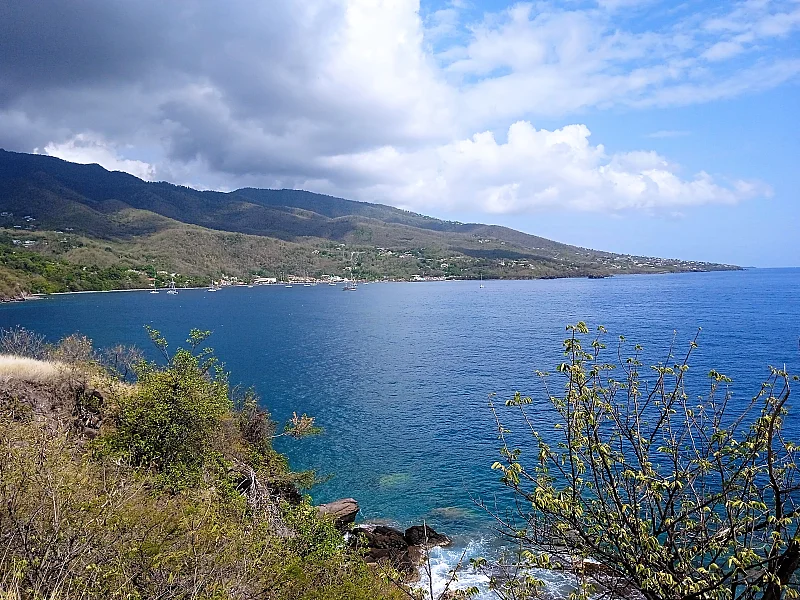
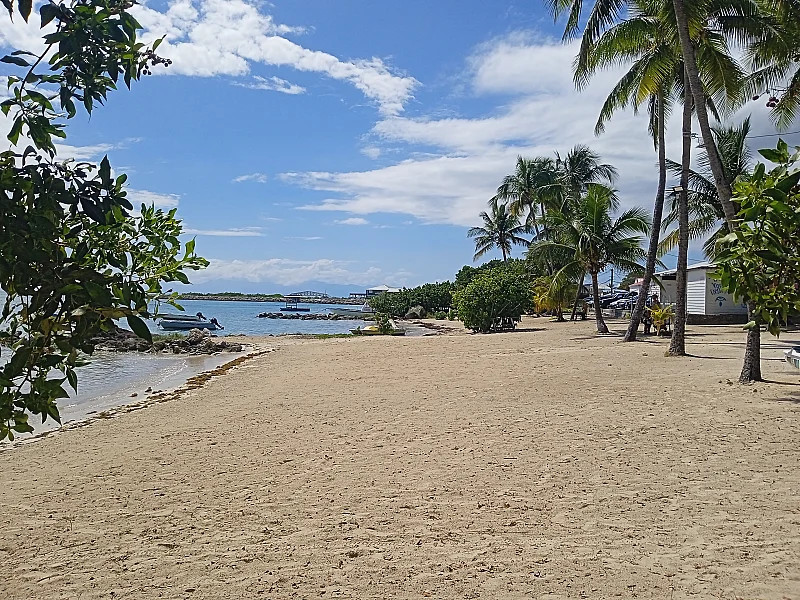
The leeward coast is famous for the Réserve Cousteau, near Pigeon Island, about a thirty-minute drive north. Dive shops offer introductory dives and excursions for certified divers. Local beaches feature dark volcanic sand and a more rugged feel than those on Grande-Terre.
Where to eat and drink in Basse-Terre?
The food remains traditional Creole home cooking. Try the chicken or goat colombo, boudin créole, and accras de morue, washed down with a ti-punch. Côte-sous-le-Vent coffee, grown on the nearby slopes, is well worth a stop.
The downtown market is the top spot for tropical fruits and spices. Restaurants cluster in the center and along the waterfront, with very few places staying open late.
Where to stay in and around Basse-Terre?
Lodging options in town are limited to a small selection of hotels and guesthouses. Gîtes on the heights toward Saint-Claude offer cooler temperatures and sea views. For a beach vacation, many visitors stay along the leeward coast and drive into Basse-Terre for the day.
How to get to Basse-Terre?
Pôle Caraïbes international airport near Pointe-à-Pitre handles direct flights from Europe. Plan on about 1 hour of driving to reach Basse-Terre via the Route de la Traversée or the coastal road.
How to get around Basse-Terre?
The center is easily walkable, though reaching the fort involves a steep climb. Intercity buses do run, but schedules are infrequent.
For visiting la Soufrière, the waterfalls, and the coast, a rental car is by far the most practical choice, and you should book early for high season.
When to go?
The dry season, known as the carême and running from December to April, provides the most stable conditions for hiking. From June to November, the rainy and hurricane season requires keeping a close eye on the weather.