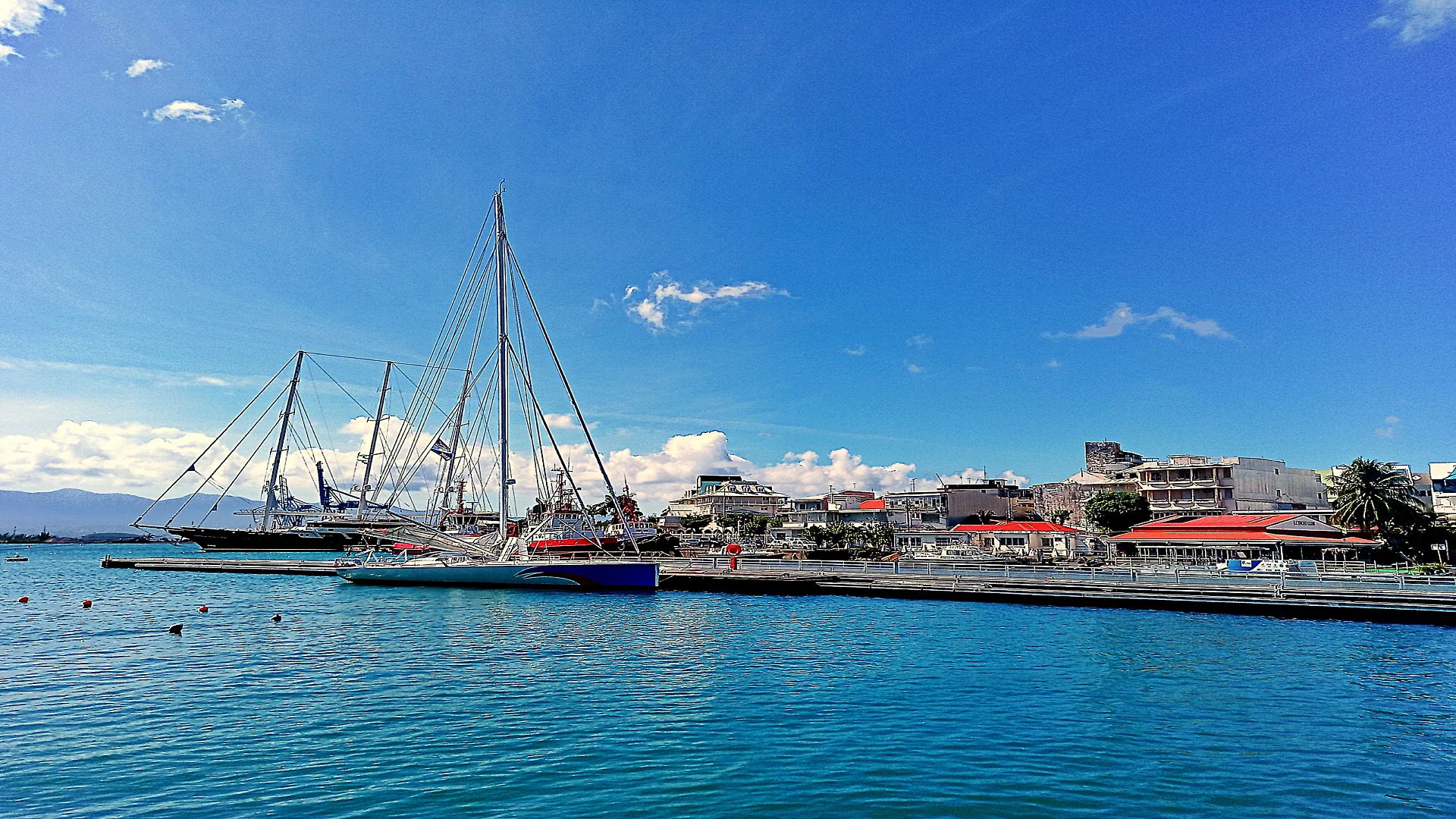
Pointe-à-Pitre, the city you read through its markets and façades
Here, mornings start with the scent of coffee, spices, and fresh fish rising from the stalls near the port. Pointe-à-Pitre isn't the postcard version of Guadeloupe: it is its most vibrant, noisy, slightly rough-around-the-edges, and deeply endearing city for anyone willing to slow down.
A destination made for you?
Pointe-à-Pitre rewards the curious. If you love markets, counter chat, colonial history, and street food, you will easily spend a day or even two here.
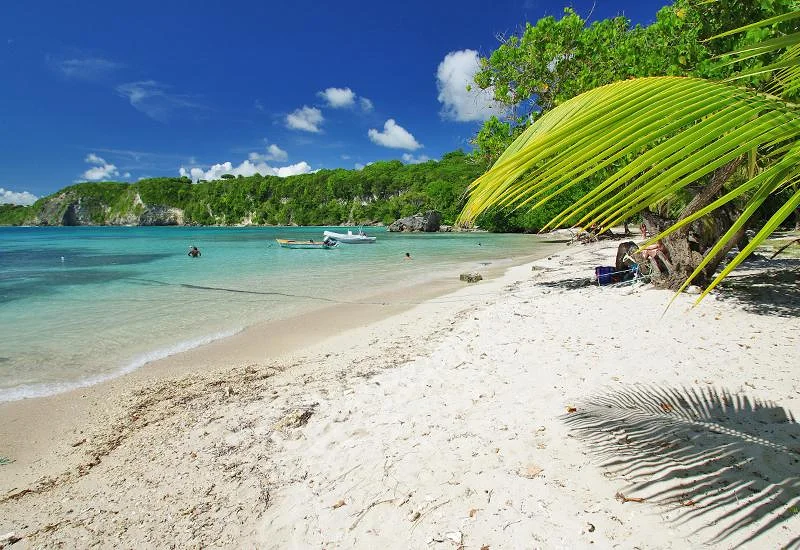
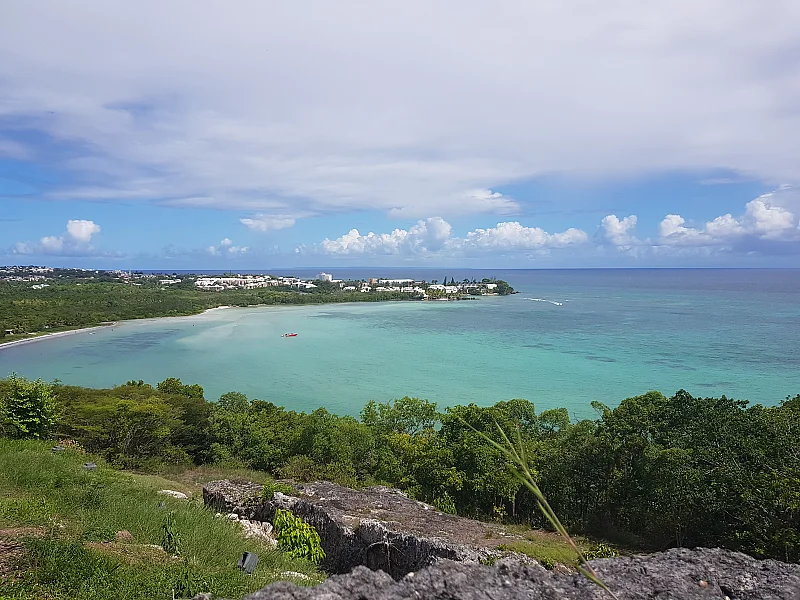
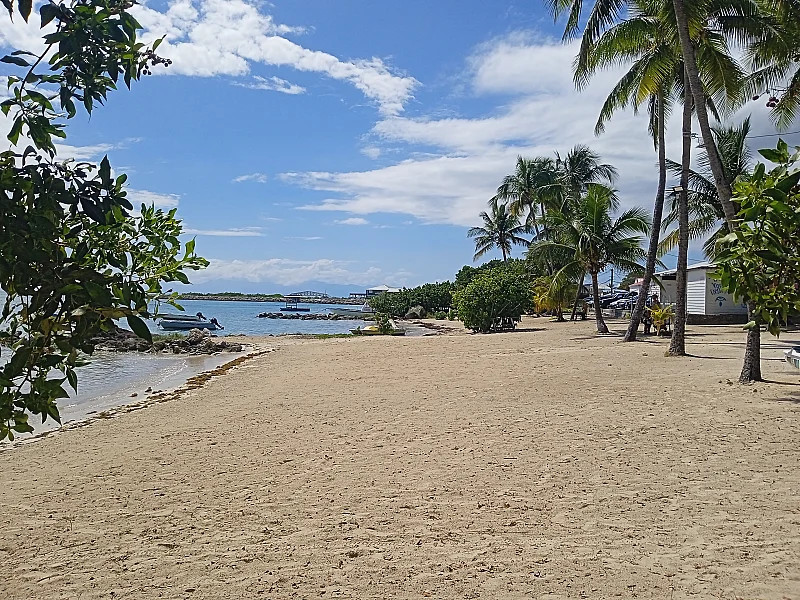
If you are looking for white sand and quiet, look elsewhere: the beaches are further out in Gosier, Sainte-Anne, or Saint-François. The city is primarily an urban stopover rather than a beach resort getaway.
Destination well-suited for:
- Fans of markets, Creole cuisine, and local life
- Travelers interested in the history and memory of slavery
- Those looking for a base to explore Grande-Terre and Basse-Terre
Destination ill-suited for:
- Vacationers who want the beach within walking distance
- Those who dread heavy traffic and noise
- Travelers seeking polished and restored colonial towns
A higher budget than mainland France on certain expenses
Since Guadeloupe is an overseas department of France, grocery prices and car rentals often run higher than in metropolitan France. The table below provides rough estimates for one person, which vary depending on the season.
| Expense | Range |
|---|---|
| Quick bite (accras, sandwich, pastry) | 5 - 10 € |
| Restaurant meal | 20 - 35 € |
Indicative rates subject to change
Practical realities
You can walk across the downtown area in half a day, but the heat and humidity demand a slow pace. Bring water, a hat, and comfortable shoes because sidewalks are sometimes uneven.
The language is French, with Guadeloupean Creole omnipresent in daily interactions. A cheerful "bonjour" when walking into a shop is expected and completely changes the reception. Like any port city, keep an eye on your belongings and avoid deserted streets after dark.
Markets and downtown flavors
The Saint-Antoine Market
The Saint-Antoine Market is the sensory heart of the city. Peppers, vanilla, cinnamon, breadfruit, syrups, and flavored rums pile up under the awnings amid the loud banter of the female vendors. It is the place to taste, smell, and leave with spices to pack in your suitcase.
The Fish Market
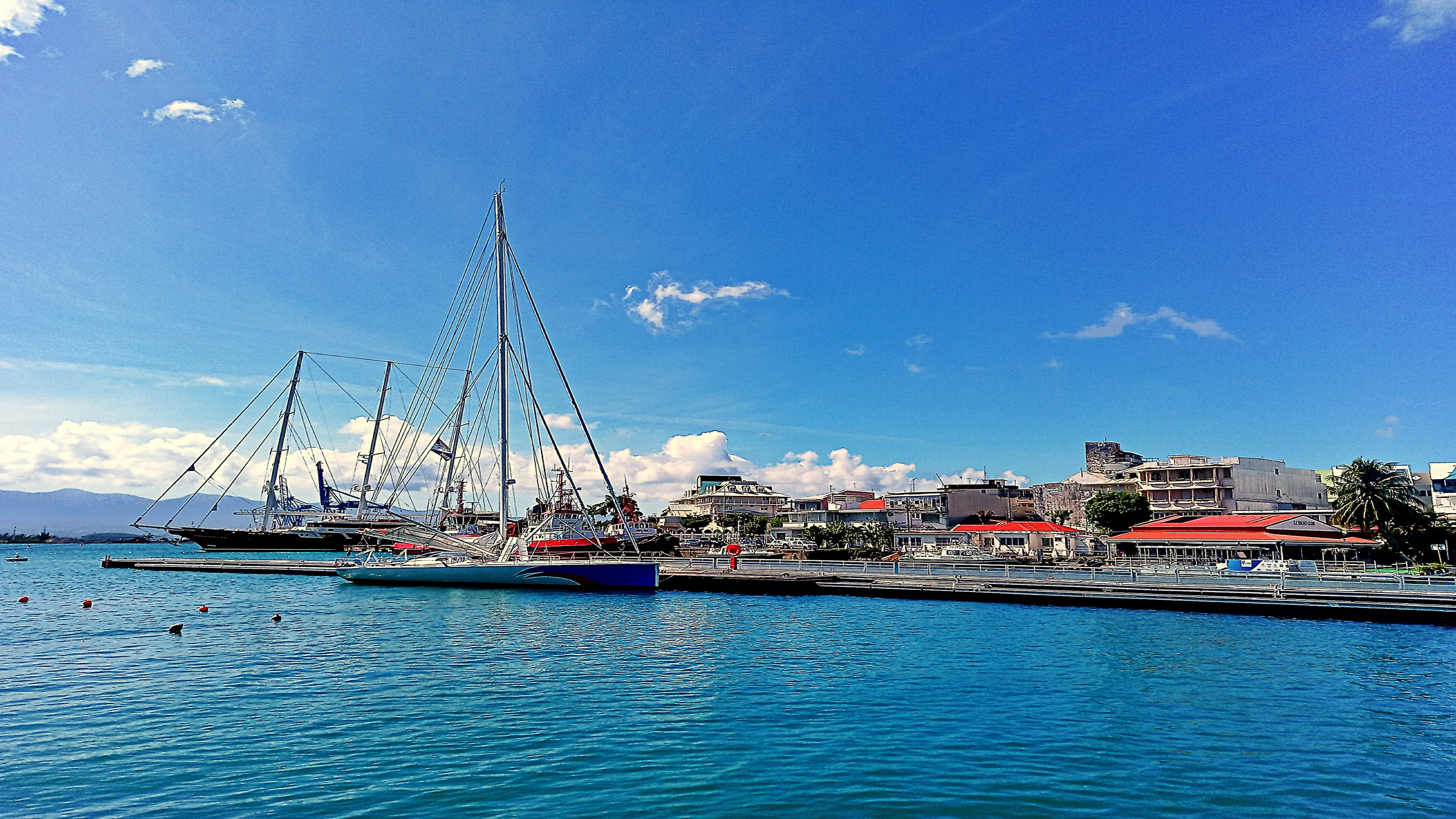
Near the port, the waterfront fish market is worth a detour in the morning when the fishermen unload their catch. The atmosphere here is raw, less touristically polished, and all the more interesting for it.
Friendly tip: head to the markets early in the morning before the peak heat. The stalls are better stocked and the atmosphere is more relaxed.
Memory and architecture
Place de la Victoire
Place de la Victoire is the main landmark featuring large trees, benches, and a constant flow of people. The surrounding Creole houses with wooden balconies tell the city's past, even though many are in desperate need of restoration.
Mémorial ACTe
The Mémorial ACTe on the waterfront is a center for expression and memory dedicated to the slave trade and slavery. Its dark architecture adorned with aluminum mesh stands out from a distance. We consider it the most striking visit in the city.
A base for exploring the island
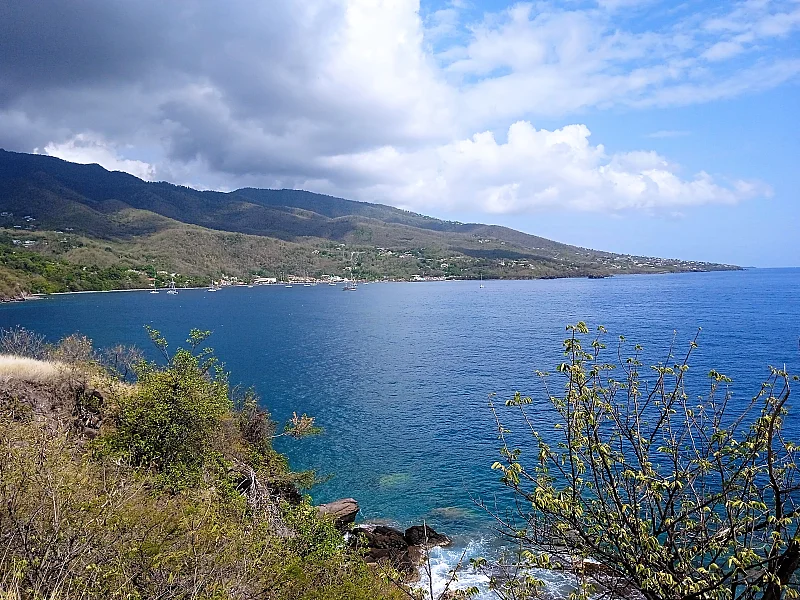
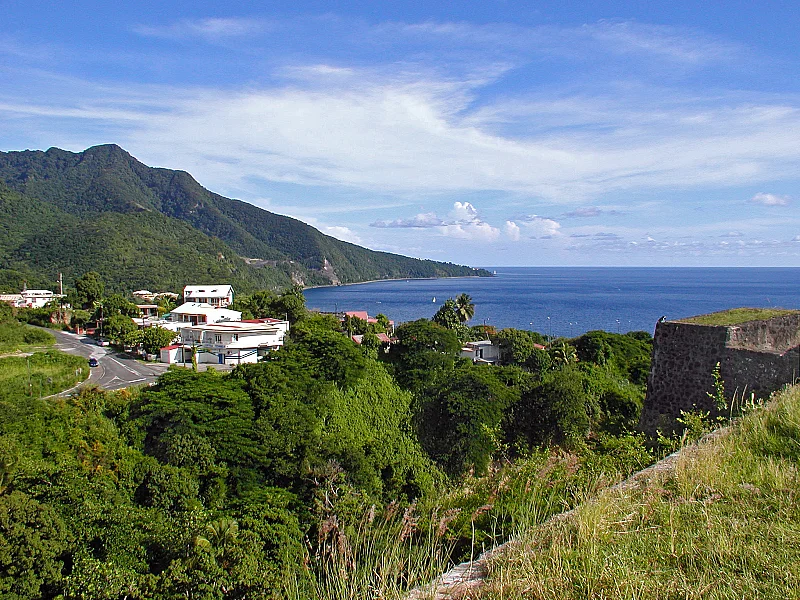
Pointe-à-Pitre sits right between the two wings of Guadeloupe, making it a practical starting point. To the east, Gosier and its beaches are just minutes away. To the west, Basse-Terre offers tropical rainforests and waterfalls.
Where to eat and drink in Pointe-à-Pitre?
Cod accras (saltfish fritters) and Creole blood sausage are eaten right on the sidewalk or in small snack shacks around the markets. For a sit-down meal, look for chicken colombo or fish court-bouillon, which are staples of local cuisine.
On the drink side, the island's agricultural rum is enjoyed as a ti-punch, typically served with cane sugar and lime so you can mix it to your own taste.
Where to stay in Pointe-à-Pitre and the surrounding area?
The city center offers few boutique accommodations and mostly comes alive during the day. Most travelers prefer to sleep in Gosier a few miles away, where hotels, rentals, and restaurants with beach access are concentrated.
How to get to Pointe-à-Pitre?
Pointe-à-Pitre - Le Raizet Airport is very close to the city and receives direct flights from Europe. Connections also link it to other Caribbean islands.
How to get around Pointe-à-Pitre?
The center is easily explored on foot. For the rest of the island, intercity buses depart from the city, but schedules are rarely convenient for tourism.
A rental car remains the most flexible way to get around. Avoid rush hours because traffic jams around Pointe-à-Pitre are frequent, particularly in the morning and late afternoon.
When to go?
The dry season, known as carême, runs roughly from December to May and offers the most pleasant days. From June to November, the hivernage season brings heat, rain, and the risk of hurricanes, particularly in August and September. The carnival, lasting from January to Ash Wednesday, heavily animates the city.