
Where to stay in Buenos Aires: the 5 neighborhoods to know in 2026
Which Buenos Aires are you looking for? The answer points straight to your barrio. Recoleta deals in elegance and museums, San Telmo in cobblestones and tango, Palermo in bars and parks, and Puerto Madero in waterfront calm. The city sprawls, but the subte and inexpensive taxis keep everything within reach.
As for budget, it stays manageable for a major capital city: a decent room in a central barrio starts around $80* and climbs to 130 in sought-after spots, while a dorm bed lands under $29*. Five barrios are detailed below, complete with the places our members recommend most in each one.
Between the Puerto Madero neighborhood, the height of modernity, the historic San Telmo neighborhood, the Palermo neighborhood and its parks, the upscale residential neighborhood of Recoleta, and the hustle and bustle of the Microcentro.. [...] This city is made up of a thousand different atmospheres and will, under no circumstances, leave you indifferent.
Compare hotel prices in Buenos Aires
In a hurry? Find the best accommodation deals in 3 clicks.
Compare live deals from Booking, Expedia, Agoda and other partners.
At a glance: our picks by traveller type
Pick the profile that suits you to head straight to the recommended neighborhood.
The neighborhood map in Buenos Aires
Get your bearings on the neighborhoods and must-see sights before choosing where to drop your bags. Click a name to jump to its description.
Recoleta North, residential
for a first, easygoing visit
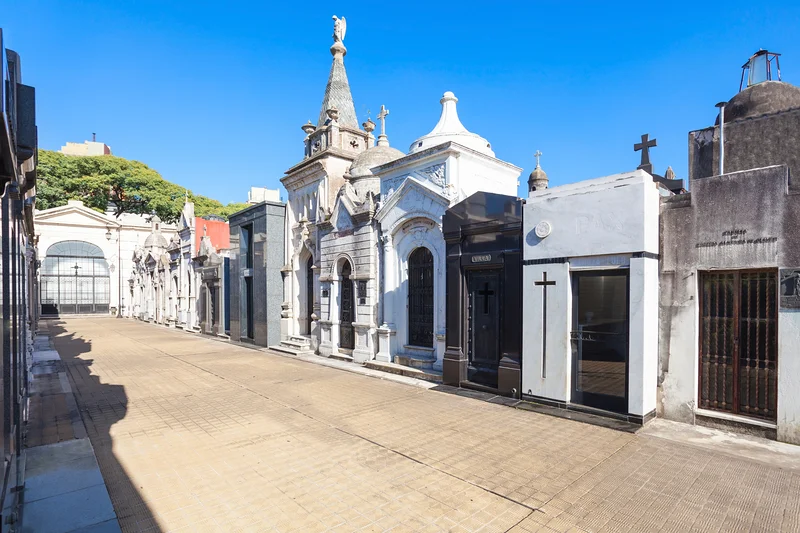
The slice of Buenos Aires that feels like Paris, complete with wrought-iron balconies, white-tablecloth sidewalk cafes, and wide, tree-lined avenues. The Recoleta Cemetery, final resting place of Evita, anchors the neighborhood, with the Museum of Fine Arts and the National Library just a few blocks away. It is the safest residential area in town, making it the top recommendation for a first trip without any unwelcome surprises. The trade-off is that rates sit at the highest level in the city, and the streets quiet down early in the evening.
What to see & do in the neighborhood
Where to stay in this neighborhood
Alvear Palace Hotel Luxury
The grand hotel on Avenue Alvear, open since 1932, which remains the most prestigious address in the country. Expect old-school service and an afternoon tea tradition worth experiencing even if you are not checking in.
Loi Suites Recoleta Mid-range
A 4-star option featuring a palm-filled atrium and a swimming pool, just a hundred meters from the cemetery. It delivers family-friendly comfort without the steep rates of the neighboring palaces.
Petit Recoleta Hostel Budget
A hostel set inside a historic house, offering a shared courtyard and well-maintained dorms. It provides the easiest way to sleep in Recoleta without paying neighborhood-premium rates.
Pros
- Museums and sidewalk cafes right outside your door
- The quietest and safest corner of the city
Cons
- The steepest prices in town
- Minimal nightlife after dinner hours
Palermo (Soho and Hollywood) North end, parks, and nightlife
for dining, bars, and greenery
The largest barrio in the city, and the liveliest. Palermo Soho lines up designer boutiques and sidewalk cafes around Plaza Serrano, Palermo Hollywood packs in late-night restaurants and bars, and the sprawling parks take over the northern end. A member describes the jardin botanique as "A nice haven of peace right in the middle of a lively neighborhood" and that holds true for the entire district. The catch: Palermo is massive, an address listed here can sit a forty-minute walk from the actual bars, and street-facing rooms get loud on Friday and Saturday nights.
Where to stay in this neighborhood
Bourbon Exclusive Jardín Escondido by Coppola Luxury
The former home of Francis Ford Coppola, featuring seven rooms around a private courtyard right in Palermo Soho. A rare find you need to book well in advance.
Fierro Hotel Buenos Aires Mid-range
A design-forward 4-star hotel in Palermo Hollywood with a rooftop pool, surrounded by the neighborhood's top dining spots. A solid balance between comfort and nightlife.
Eco Pampa Palermo Hostel Budget
An eco-friendly hostel in Palermo Soho with a rooftop terrace and an organic garden. Dorms and private rooms sit five minutes from the patio bars around Plaza Serrano.
Pros
- Restaurants and bars around the clock
- The big parks are ten minutes away
Cons
- A massive barrio where the exact street matters
- Loud on weekends if your room faces the street
San Telmo San Telmo, old Buenos Aires
for tango, flea markets, and budget options
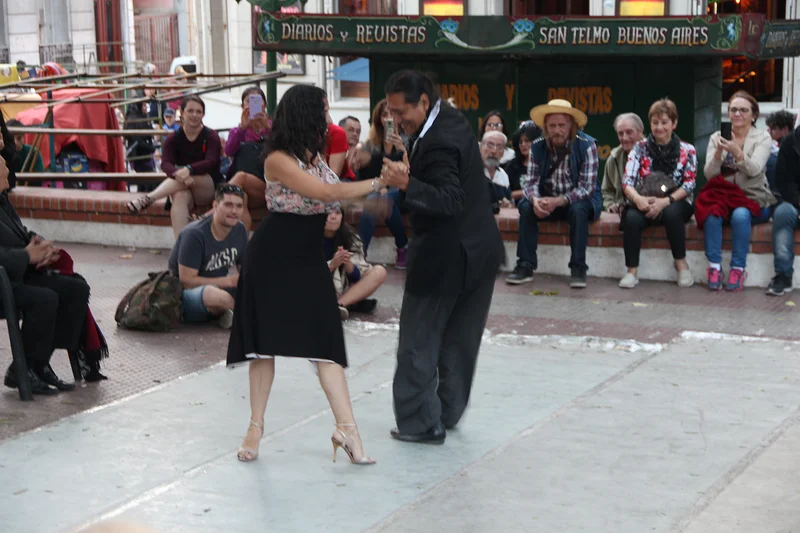
The oldest neighborhood in the city with cobblestone streets, low houses, antique shops, and a Sunday street market running down calle Defensa to Plaza Dorrego, where people dance tango as the sun goes down. It is also where you will find the most affordable hostels in Buenos Aires. The downside is that the area is working class and changes character after dark, especially on weekdays and toward the southern end near parc Lezama.
The San Telmo Fair on Sundays continues all the way to the southern edge of the park. Outside of the weekend, the park can be a bit sketchy at night.
What to see & do in the neighborhood
Where to stay in this neighborhood
Mansión Vitraux Boutique Hotel Luxury
A restored stained-glass house featuring a wine cellar and small spa, located two blocks from Plaza Dorrego. The top-tier option in the neighborhood without leaving the cobblestones.
Patios de San Telmo Mid-range
A 19th-century residence built around three courtyards, complete with a pool. Quiet rooms despite the Sunday street market passing right outside.
America del Sur Hostel Buenos Aires Budget
The go-to hostel in San Telmo featuring a large terrace, shared kitchen, and both dorms and private rooms. The most budget-friendly bed in the city within a central location.
Pros
- The Sunday street market and milongas right outside your door
- The most budget-friendly beds in the city
Cons
- Working-class neighborhood, stay alert at night
- Neighboring La Boca should only be visited during the day
Puerto Madero Along the Río de la Plata
for quiet streets and an easy arrival
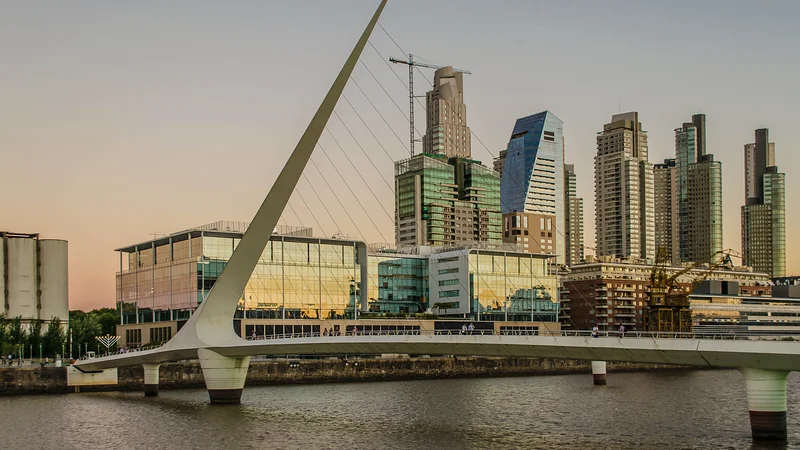
Redbrick docks turned into a sleek new district featuring boardwalks along the basins, Santiago Calatrava’s Puente de la Mujer, glass high-rises, waterfront dining, and the expansive ecological reserve buffering the neighborhood from the river. It stands out as the quietest and most heavily guarded pocket of the city, ideal if you are landing after dark or traveling with young kids. The catch is that everything feels brand-new and pricey, and traditional Argentine neighborhood life happens elsewhere.
I really didn't like this old port neighborhood that was turned into a business and luxury area. It has a style meant to impress, but it seems to deny the environment and the country's origins.
What to see & do in the neighborhood
Where to stay in this neighborhood
Faena Hotel Buenos Aires Luxury
An old grain silo reimagined by Philippe Starck, featuring red velvet, a pool, a spa, and an in-house tango cabaret. Easily the most striking hotel in town.
Hilton Buenos Aires Mid-range
A reliable, spotless high-rise with a rooftop pool and views over the basins. Convenient when you are hauling luggage and kids, sitting a ten-minute taxi ride from downtown.
Madero Hotel Mid-range
A waterfront 4-star option that keeps a lower profile than its neighbors and often undercuts them on price. The smartest comfort-to-cost pick in the area.
Pros
- Car-free strolls along the docks
- The quietest zone after dark
Cons
- Zero budget options
- Corporate business park vibe
Microcentro, Plaza de Mayo, and Congreso Historic Center
for exploring everything on foot
The historic and political core: the Plaza de Mayo and the Casa Rosada, the cathedral and San Martín's mausoleum, the Obelisk planted in the middle of Avenida 9 de Julio, Café Tortoni, and the Teatro Colón. Everything is within walking distance, and the subte intersects with all of its lines here. The catch is that it is a business district. It overflows with crowds at noon, empties out at night and on weekends, and the streets around Calle Florida lose their appeal once the shops close down.
What to see & do in the neighborhood
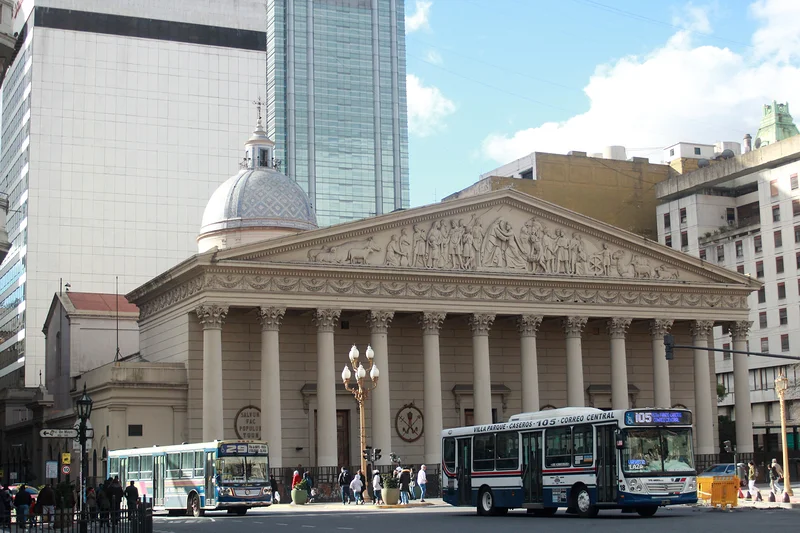
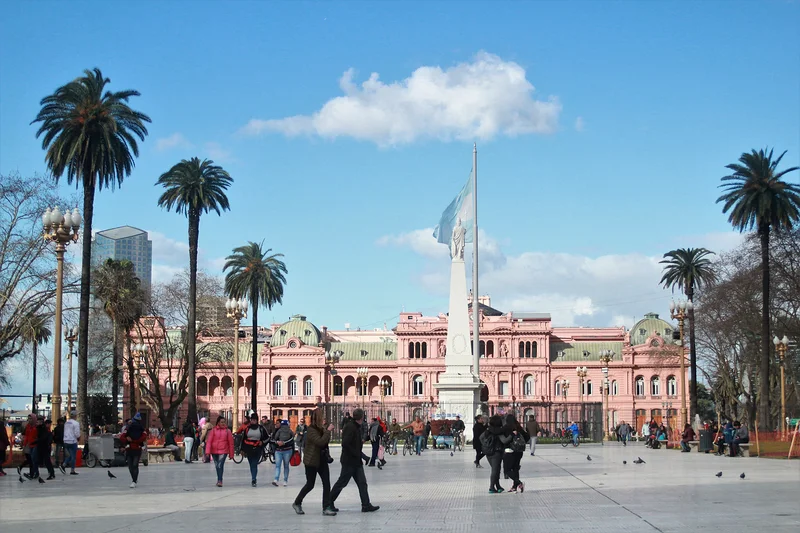
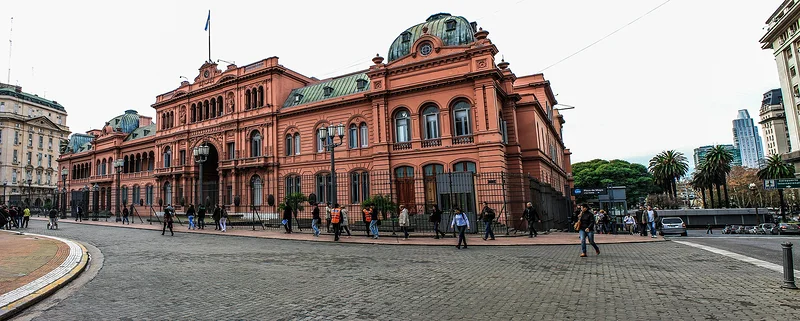
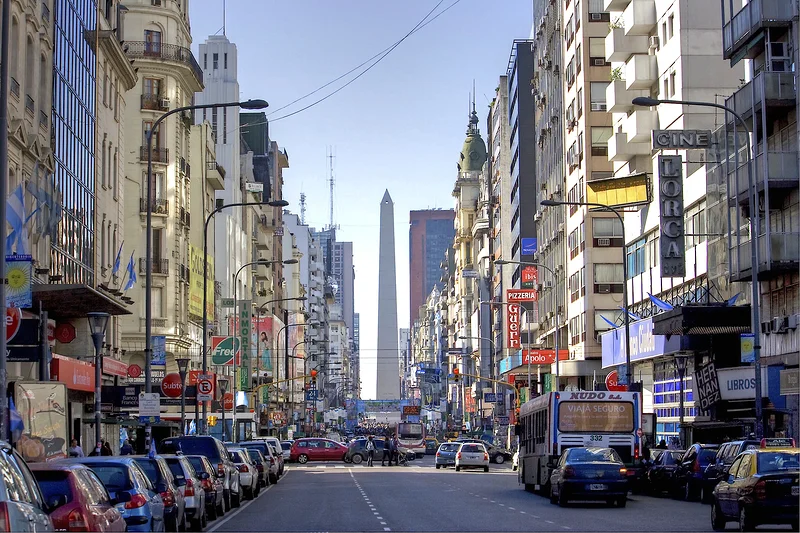
Where to stay in this neighborhood
Marriott Buenos Aires Downtown Luxury
A 5-star hotel facing the Obelisk, featuring a heated glass-enclosed indoor pool on the top floor. The view over Avenida 9 de Julio alone justifies the price.
Claridge Hotel Buenos Aires Mid-range
An English-style classic opened in 1946, one block away from Calle Florida. Spacious rooms, a pool, and all the landmarks on foot.
Milhouse Hostel Avenue Budget
A hostel set in a 1900 building on avenida de Mayo, known for its tango classes and bar. Lively and therefore loud, so ask for an interior courtyard room.
Pros
- Major landmarks within walking distance
- All subte lines in one place
Cons
- Deserted at night and on weekends
- Few restaurants open after office hours
Our tips for booking the right place
- The subte calls it a night early, but cabs keep going: The subway, or subte, connects Recoleta, Microcentro, and the edge of Palermo using a SUBE card, but it shuts down early in the evening. After that, everyone switches to cabs and ride-hailing apps, which stay inexpensive for US travelers. That makes it easy to crash in one barrio and grab dinner in another without overthinking it.
- Saying Palermo on its own doesn't narrow it down: The barrio stretches across several kilometres. Before booking, check the map to see if the address sits in Soho (shops and sidewalk cafes), Hollywood (late-night restaurants and bars), or the residential streets further out, since the difference adds up to dozens of extra minutes of walking every single day.
- Sunday reshuffles the city rhythm: On Sundays, the San Telmo street market takes over calle Defensa all the way to Plaza Dorrego, turning the southern zone into the liveliest pocket around. Meanwhile, the Microcentro empties out and several museums close their doors. If your trip spans a Sunday, staying in the south saves you a cross-town haul.
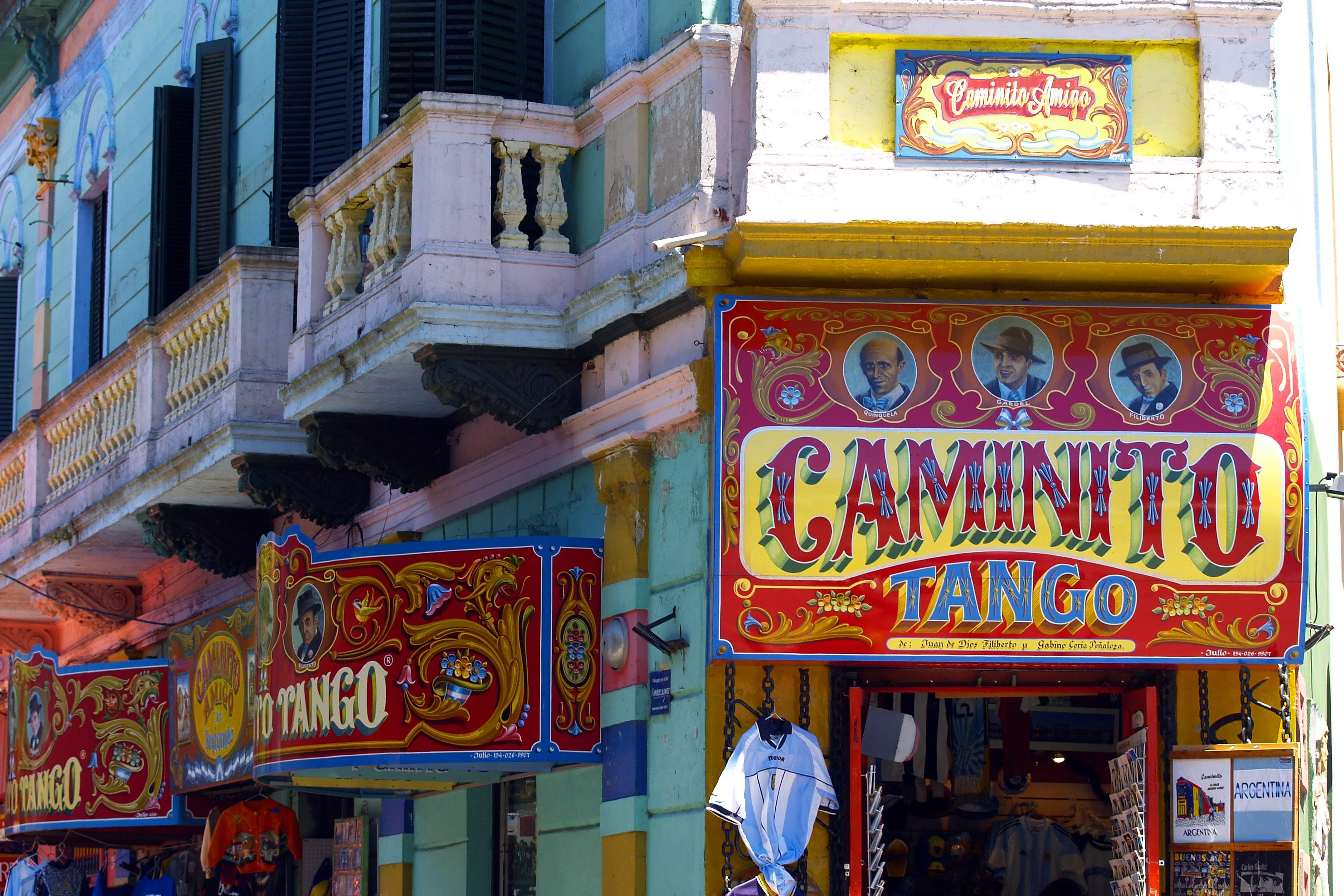
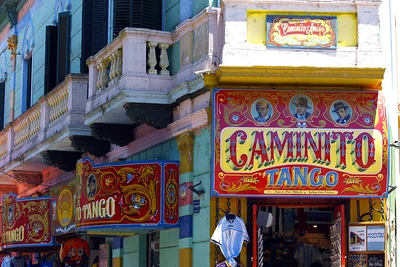
- Staying in La Boca just to be near Caminito. The brightly painted street and the Boca Juniors stadium make great afternoon stops, but the area lacks the lodging and evening infrastructure once the sun goes down. Just across the Riachuelo in Dock Sud, a local-knowing member describes the surroundings as “relatively dangerous at night” Visit for the afternoon, sleep elsewhere.
- Booking near the Constitución or Once train stations simply because the rates look lower. Both hubs buzz with transit activity by day and turn grim at night, leaving you miles away from the sights you actually came to see.
- Picking a hotel strictly because it sits in the middle of the map. The geographical center of Buenos Aires is not its tourist core, and a member who used to live there puts it bluntly: it is “far from being the most appealing spot.” The five neighborhoods listed above all sit outside this geometric middle ground, and your trip will be better for it.
FAQ: where to stay in Buenos Aires
Which neighborhood should you pick for a first trip to Buenos Aires?
Where to find budget lodging in Buenos Aires?
Which neighborhood works best for families?
Where is the best nightlife in Buenos Aires?
Is Buenos Aires safe?
How much does a hotel room cost in Buenos Aires?
 Keep exploring
Things to do in Buenos Aires
Keep exploring
Things to do in Buenos Aires
Comments (0)
No comments yet. Be the first!