South Africa: A Destination of Striking Contrasts
Diverse Landscapes
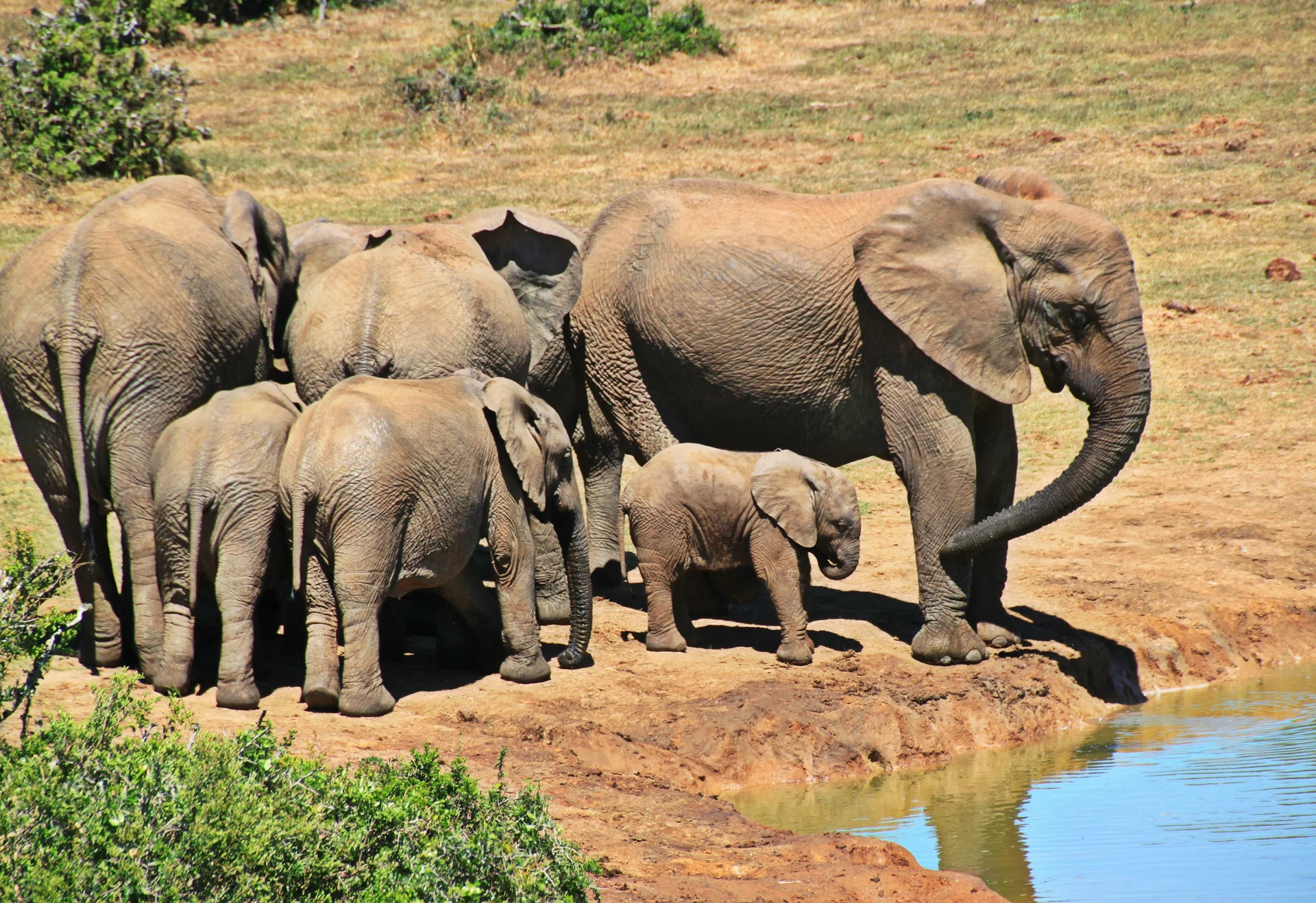
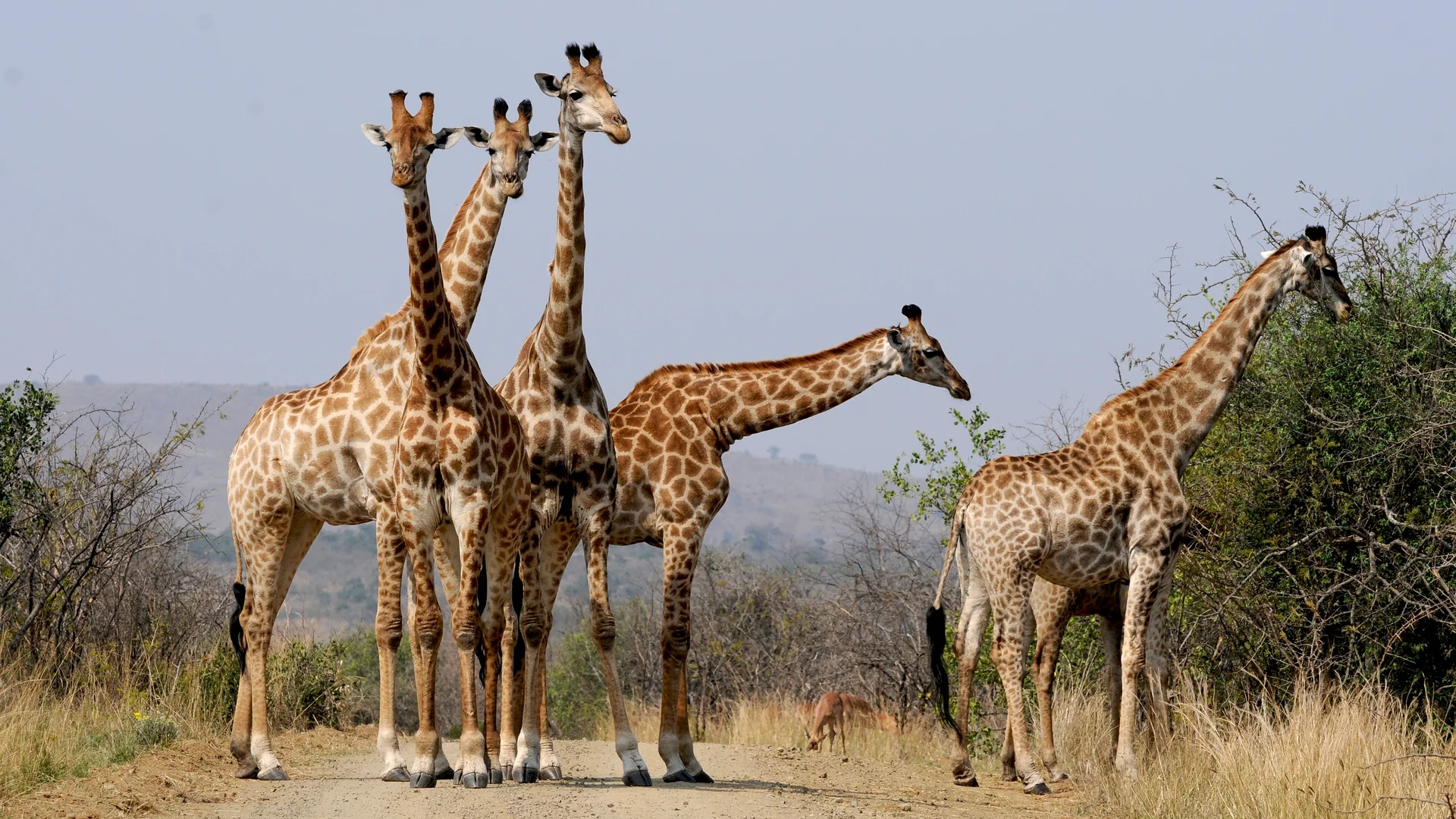
South Africa packs an enormous variety of terrain into a single country. From the untamed wilderness of Kruger National Park, prime territory for spotting wildlife, to the rugged peaks of the Drakensberg range, every corner brings something different. Down south, the Garden Route traces the coastline past wide beaches, indigenous forests, and quiet coastal towns.
Rich Cultural Heritage
With 12 official languages and a deep mix of communities, South Africa earned the nickname the Rainbow Nation. In Johannesburg, the Apartheid Museum documents the nation's turbulent past, while in Cape Town, you can walk through the colorful hillside streets of Bo-Kaap and trace its Cape Malay roots. Traditional Zulu villages further inland offer insight into long-standing customs.
Top Places to Visit
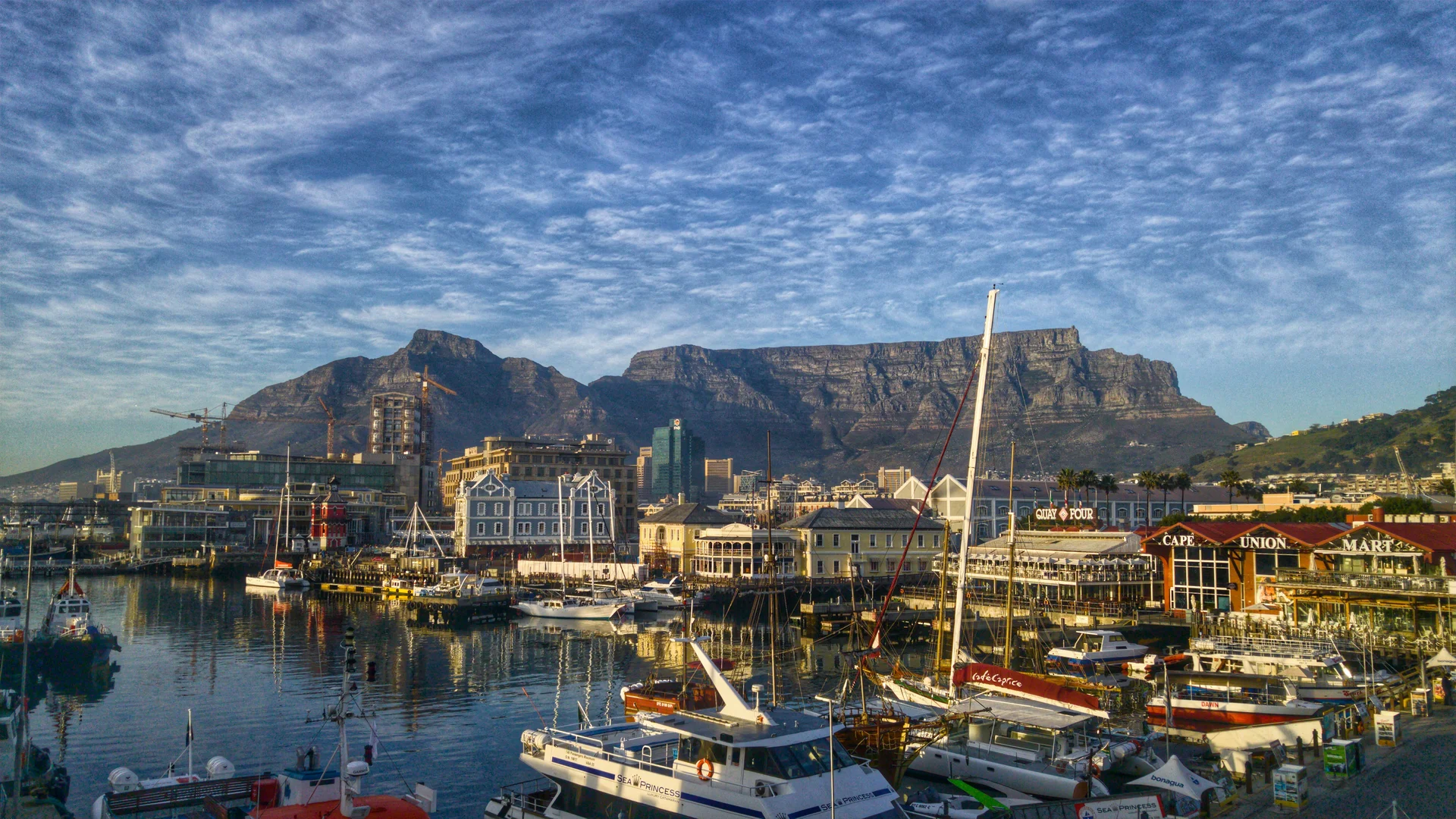
Cape Town, anchored by the massive bulk of Table Mountain, balances city life with raw nature right at its doorstep. Just off the coast, Robben Island serves as a sobering reminder of the country's political history as the former prison of Nelson Mandela.
Wine enthusiasts will want to head inland to the vineyard valleys around Stellenbosch and Franschhoek, known for producing some of the Southern Hemisphere's finest bottles.
For coastal warmth and surfing, Durban sits on a subtropical shore with a distinctly laid-back energy.
Flavors and Culinary Traditions
South African food draws from multiple culinary traditions. The braai, a local term for an open-fire barbecue, is a social institution across the country. Local specialties include bobotie, a spiced minced-meat dish with a savory egg topping originating from the Cape Malay community. Coastal areas serve up fresh king prawns and crayfish, and you will find biltong, a cured and spiced dried meat snack, sold everywhere. Local wines pair naturally with almost all of it.
When to go
South Africa features distinct regional weather patterns, but the months from April to October bring the dry season, making it the best time for safaris in the northern reserves. If you are heading to the beaches or exploring Cape Town and the Garden Route, aim for the southern summer from November to March. Culture seekers often target June or July for the National Arts Festival in Makhanda (formerly Grahamstown).
How to get there
Flights from the US typically require at least one connection in Europe or Africa before landing in Johannesburg or Cape Town, with total travel time around 20 to 24 hours depending on layovers. Airfares fluctuate by season, with round-trip tickets dropping during shoulder periods. Major carriers operating these routes include Lufthansa, British Airways, and South African Airways.
How to get around
Renting a car is the most practical way to explore the country at your own pace, supported by a well-maintained highway system. Long-distance buses like Intercape offer a reliable alternative for traveling between cities. For longer jumps across the country, domestic flights connect the major hubs quickly.