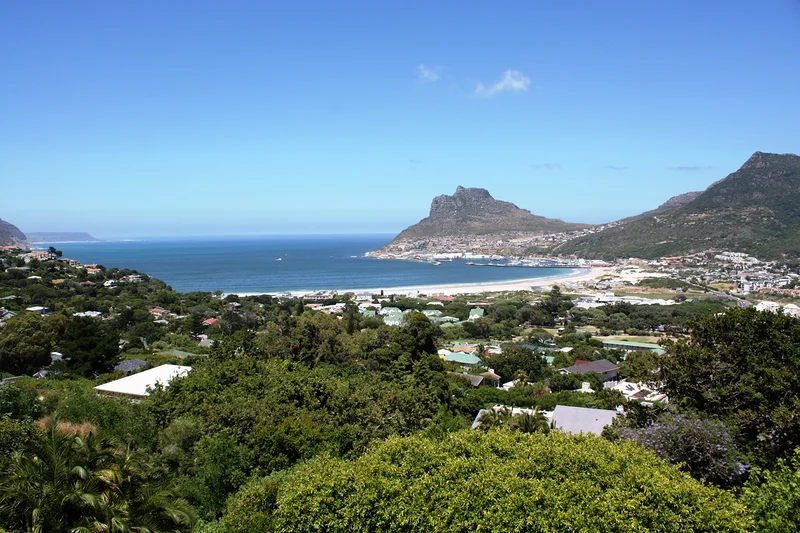
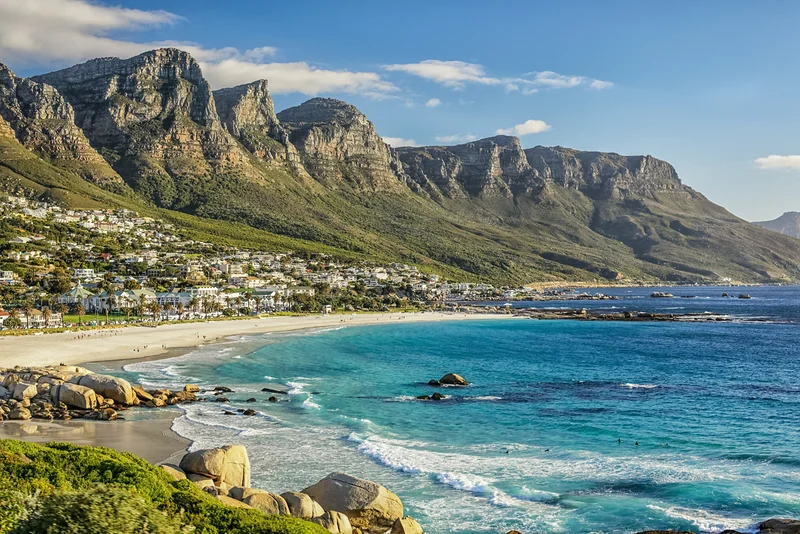
Cape Town Beach

Things to do in Cape Town: top 8 must-see attractions

Looking for inspiration to visit Cape Town? Browse the attractions our traveler community loves most — historic sites, cultural visits, scenic walks and laid-back spots...

Top 8 attractions our members recommend

Table Mountain

#1 Table Mountain +11 4.7

Lieu au panorama incontournable, la montagne de la Table est un massif de la province du Cap-Occidental qui surplombe la capitale législative du Cap. Avec ses paysages à couper le souffle, ce site fait en réalité partie des sept nouvelles merveilles de la nature (une sélection de lieux effectuée par la fondation suisse "New Seven Wonders Foundation"). Du haut de ses 1 086 mètres d'altitude, cette montagne est d'ailleurs l'un des sites les plus connus d'Afrique du Sud. Elle est également l'un des spots privilégiés par les randonneurs en vadrouille dans ce pays austral.

Kirstenbosch National Botanical Garden

#2 Kirstenbosch National Botanical Garden +9 5

Etabli sur les pentes de la Montagne de la Table, le jardin botanique national Kirstenbosch célèbre la flore indigène sud-africaine avec des collections variées, comme le fynbos et les plantes médicinales. Le Treetop Canopy Walkway offre une vue spectaculaire sur la canopée et Cape Town. Le jardin allie nature et culture avec des concerts, des expositions d’art et des espaces de détente. Idéal pour les passionnés de botanique ou les visiteurs cherchant un cadre paisible.

Voir le guide View offers
Victoria and Alfred Waterfront

#3 Victoria and Alfred Waterfront +9 4.5

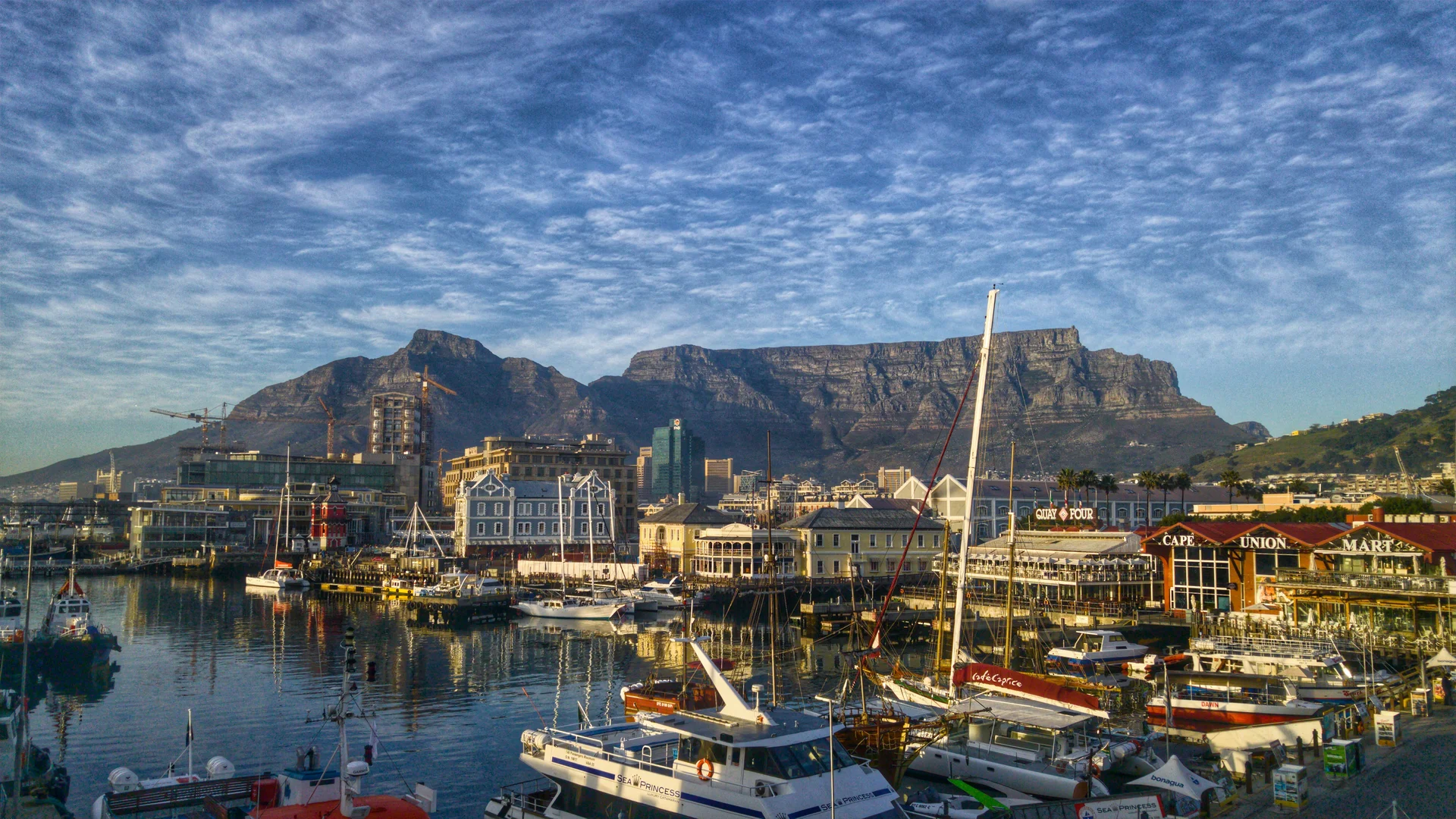
Le V&A Waterfront est le cœur vibrant du Cap, un port historique magnifiquement réaménagé au pied de la Montagne de la Table. Mêlant shopping de luxe, restaurants variés et marchés artisanaux comme le Watershed, il offre une multitude d'activités. C'est aussi un pôle culturel avec le musée Zeitz MOCAA et le point de départ des excursions vers Robben Island, le tout dans une atmosphère animée où les otaries se prélassent sur les quais

Voir le guide View offers
Cape Point

#4 Cape Point +9 4

La Pointe du Cap est un site naturel mythique en Afrique du Sud, souvent associée au Cap de Bonne-Espérance. Située à l'extrémité de la Péninsule du Cap, elle offre des panoramas époustouflants sur la rencontre des océans Atlantique et Indien, des falaises spectaculaires et une biodiversité unique de fynbos. Ancien passage redouté des navigateurs, c'est aujourd'hui un lieu de contemplation et de randonnée, dominé par son phare emblématique.

Voir le guide View offers
Boulders Beach

#5 Boulders Beach +9 5

Située à Simon's Town, près du Cap , Boulders Beach est connue pour sa colonie de manchots africains. Des passerelles permettent de les observer sans déranger leur habitat. La plage, entourée de rochers de granit et d’eaux calmes, est idéale pour la baignade en famille. À proximité, Simon's Town offre des attractions historiques, tandis que le Cape Point Nature Reserve propose des paysages spectaculaires et des randonnées. Ce site allie nature, faune et activités familiales.

Cape of Good Hope

#6 Cape of Good Hope +9 5

Le Cap de Bonne-Espérance est un promontoire historique et naturel emblématique d'Afrique du Sud, réputé pour son rôle dans les grandes découvertes maritimes. Il offre des paysages spectaculaires où les océans Atlantique et Indien semblent se rencontrer, des falaises majestueuses et une riche biodiversité de fynbos et de faune sauvage. C'est un lieu chargé d'histoire, invitant à la contemplation et à l'exploration.

Voir le guide View offers
Cape Town Stadium

#7 Cape Town Stadium +3 5

Les amateurs de football s'en souviennent sans doute : plusieurs matchs de la Coupe du Monde de football 2010 s'étaient déroulés dans le Cape Town Stadium ("Kaapstad-stadion" en, afrikaans ou encore "Green Point"), situé dans la ville du Cap. Cette enceinte garnie de 55 000 places accueille également des matchs de rugby à XV. Officiellement inauguré en 2009, ce stade porte le même nom qu'une autre arène démolie en 2007 (celle-ci ne contenait que 18 000 places et s'avérait donc inapte pour l'organisation de grands évènements sportifs).

Rhodes Memorial

#8 Rhodes Memorial pas encore de reco

Le Rhodes Memorial, perché sur les pentes de Devil's Peak au Cap, rend hommage à Cecil Rhodes. Inspiré du temple grec d’Apollon, ce monument offre une vue exceptionnelle sur Le Cap et est entouré de sentiers de randonnée. La statue de Rhodes, tournée vers le nord, et les lions en bronze symbolisent sa vision d'expansion. Lieu idéal pour des promenades et pique-niques, il invite à la réflexion dans un cadre naturel paisible, tout en offrant un aperçu de l'histoire sud-africaine.

Map of must-see attractions in Cape Town

Cape Town, where Africa meets the ocean in a postcard setting

Have you ever dreamed of a city where a flat-topped mountain defies the laws of geometry, where penguins lounge on white-sand beaches, and where the scent of a braai mingles with the salty air of two oceans?

Welcome to the South African mother city, wedged between the icy Atlantic and jagged peaks. Here, you can ride a cable car up a mountain in the morning, sip Chenin Blanc in the vineyards by the afternoon, and end your day with your toes in the sand as the sun sets over Signal Hill.

A multifaceted destination that is not for everyone

If you hate the wind, you might want to look elsewhere. The infamous Cape Doctor can blow hard enough to tip over trash cans and ruin a fresh haircut. But for nature lovers, foodies, and those interested in cultural diversity, it is a jackpot. The city caters to hikers who want accessible summits, gourmets ready to explore the most creative food scene in Africa, and curious travelers looking to understand the complex history of the rainbow nation.

Logistically, a car is nearly essential to fully explore the peninsula and its outskirts. Public transport exists but is limited and not recommended for safety reasons. On the other hand, Uber works perfectly throughout the city and costs a fraction of what you would pay in the US or Europe. For families, take note: the beaches are stunning, but the Atlantic water remains freezing even in mid-summer, rarely rising above 60°F (16°C).

A reasonable budget for a premium destination

Good news: your dollar goes a long way here. Expect to spend about 1,400-1,800 ZAR (roughly $75-95) per day per person for a comfortable trip including a three-star hotel, restaurant meals, and a few activities. A lunch at a decent spot costs 150-230 ZAR (about $8-12), a night in a charming guesthouse ranges from 750 to 1,300 ZAR (about $40-70), and gas is significantly cheaper than in the US. Foodies can find high-end dining for 750-1,100 ZAR (about $40-60), a bargain for that level of quality.

The Waterfront and the City Bowl, the beating heart

The V&A Waterfront is the unavoidable tourist epicenter, a former harbor area turned into a hub for shopping and dining. Yes, it is crowded. Yes, it is a polished experience. But the atmosphere is electric, especially in the late afternoon when locals arrive for drinks overlooking the boats. The Ferris wheel offers a clear view of Table Mountain, and the Two Oceans Aquarium is worth the time, specifically for the sharks and rays you can watch from an underwater tunnel.

Just behind it, the City Bowl reveals the historic center with its Art Deco buildings, busy markets, and Long Street, the nightlife artery where backpackers mingle with local hipsters. The street pulses day and night with cocktail bars, vintage shops, and fusion restaurants. Do not miss the Company's Garden, a green haven where you can picnic in the shade of century-old oaks.

Friendly advice: Avoid walking around with visible valuables in the City Bowl at night. Take an Uber rather than walking, especially after 8 PM. Crime is a reality, so it is best to be cautious without falling into paranoia.

Bo-Kaap and the Townships, the authentic South Africa

Climb the cobblestone streets of Bo-Kaap and you are plunged into an architectural rainbow. This historic Malay neighborhood fascinates with its colorful houses brightening the slopes of Signal Hill. Once home to enslaved people from Indonesia and Malaysia, the area has kept its soul with small mosques and the scent of spices. Visit early in the morning to photograph the facades without the crowds, and try the bobotie or fish curry at one of the family-run restaurants.

To truly understand the country's history, a guided tour of a township is essential. Langa, the oldest, or Khayelitsha, the largest with its millions of residents, reveal the reality of apartheid and its legacy. Be warned: never go alone. Book a tour with a local guide who can take you to shebeens (local bars), community initiatives, and show you the incredible hospitality of the residents. It is a sobering experience, but a vital one.

Friendly advice: For Bo-Kaap, forget the car. The narrow streets make parking impossible. Take an Uber to the Iziko Bo-Kaap Museum and explore on foot. For the townships, I highly recommend the tours by Coffeebeans Routes, run by passionate locals.

Clifton and Camps Bay beaches, the paradise for sunbathers

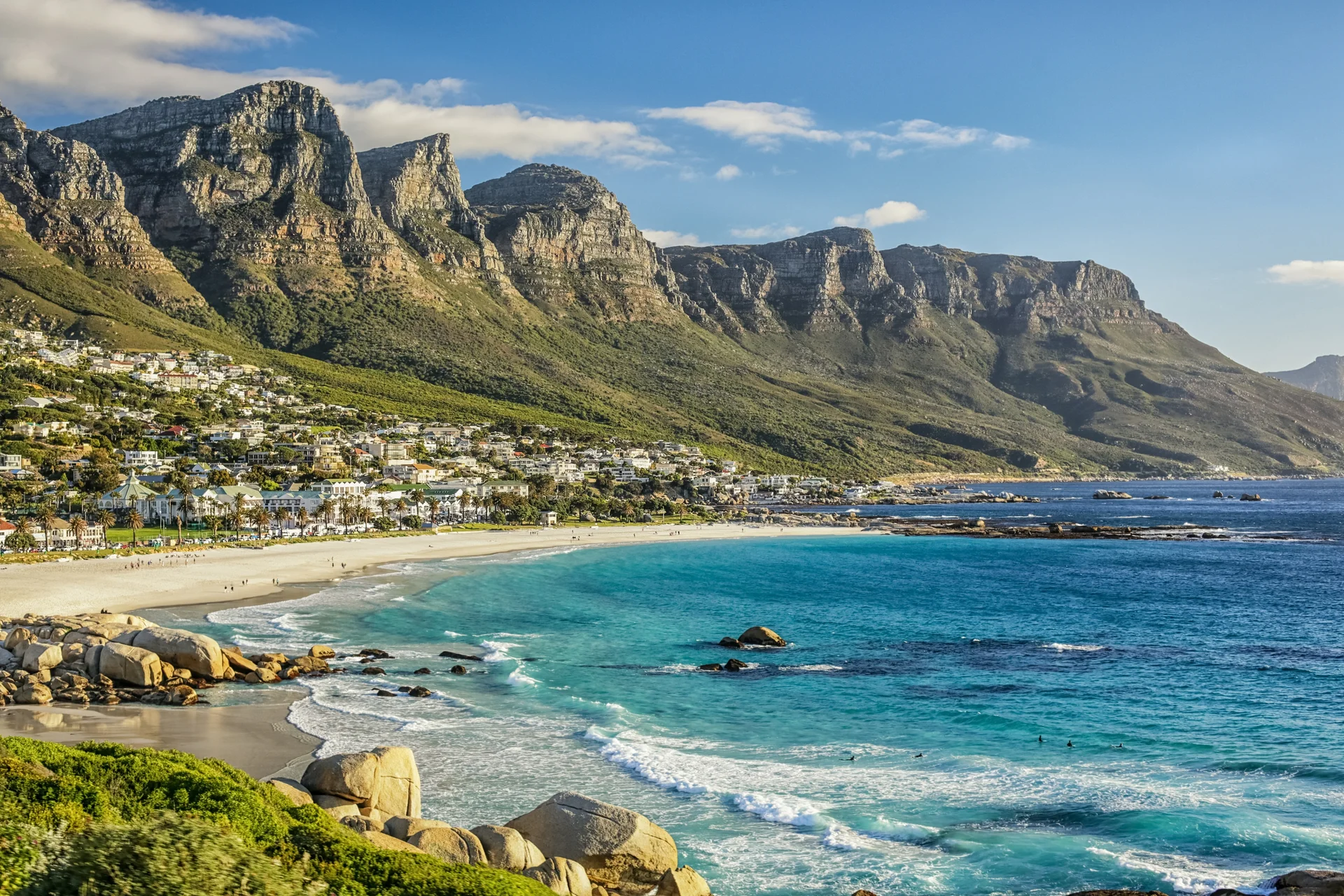
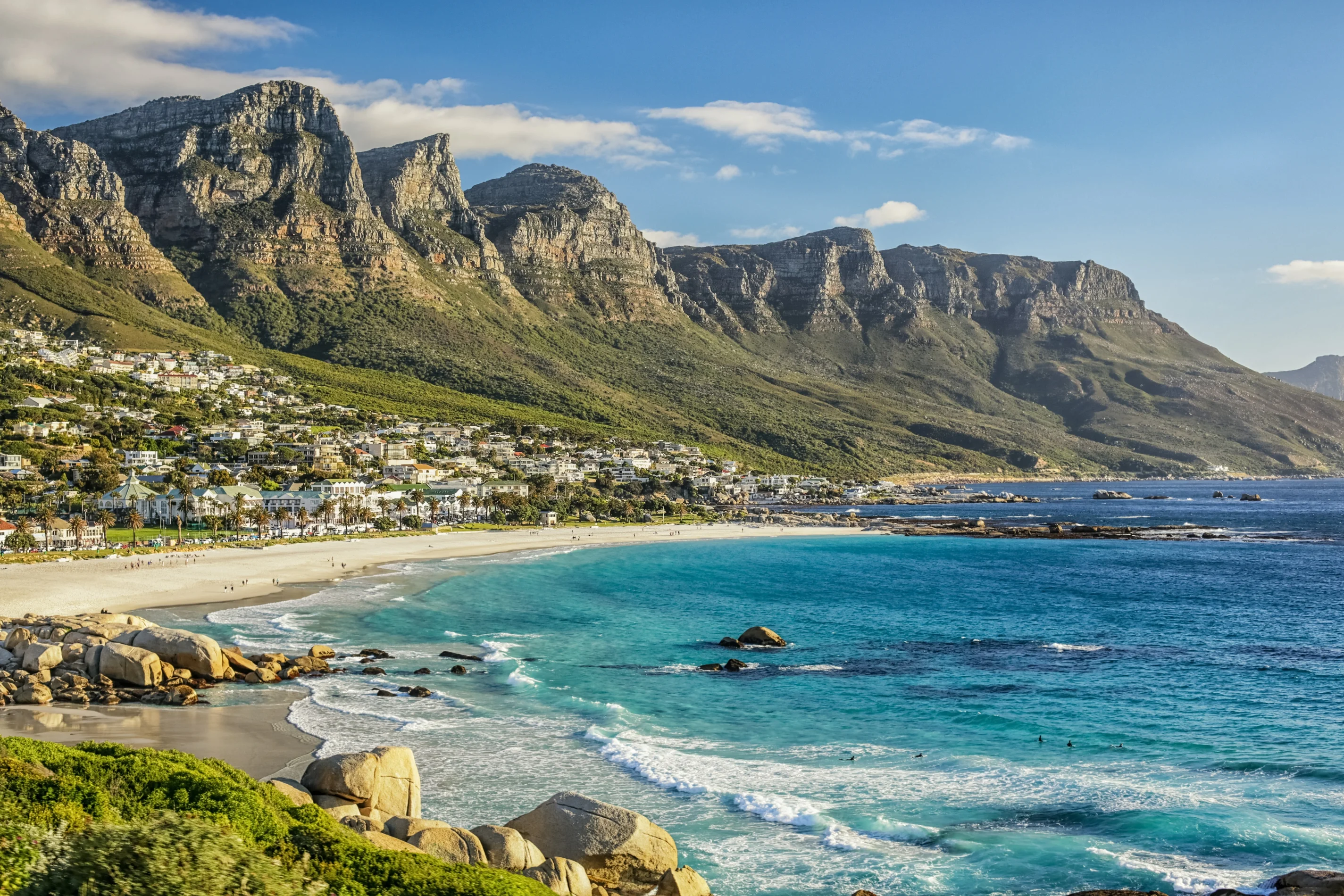
Head to the chilly Atlantic to discover the most photogenic beaches in Africa. Clifton is split into four numbered coves sheltered from the wind by massive granite boulders. The fourth beach is the most popular with families, with its pristine white sand and laid-back vibe. Next door, Camps Bay stretches its mile-long beach in front of the Twelve Apostles, the cliffs that turn red at sunset.

To be clear: you will not be swimming for long. The water hovers between 54°F and 61°F (12-16°C) depending on the season, enough to take the breath away from even the bravest. However, it is perfect for sunbathing, playing beach volleyball, or sipping a cocktail at one of the beach bars lining the Camps Bay promenade. The atmosphere is decidedly chic, with Porsches parked outside restaurants and millionaire villas clinging to the mountainside.

Muizenberg and False Bay, for surfers

On the other side of the peninsula, Muizenberg has a different profile. This historic beach with its colorful changing huts attracts families and beginner surfers thanks to its gentle waves and slightly warmer water from the Indian Ocean. It is an ideal spot to catch your first wave, with surf schools on every corner.

Friendly advice: Watch out for sharks in False Bay, especially in summer. Spotters watch the main beaches and sound an alarm if a fin is sighted. If the siren goes off, get out of the water immediately. This is not an urban legend.

The Cape Peninsula, where the oceans (almost) meet

Dedicate a full day to driving down to the Cape of Good Hope, the mythical point that Portuguese navigators once feared. The 17,000-acre nature reserve is home to baboons, antelopes, and ostriches. The Cape Point lighthouse, perched on high cliffs, offers exceptional views of the ocean crashing against the rocks below. A small detail that annoys purists: contrary to the legend, this is not where the Atlantic and Indian Oceans meet, but 90 miles (150 km) further east at Cape Agulhas.

On the way back, stop at Boulders Beach to observe the colony of African penguins waddling between granite boulders. These little fluff balls let you photograph them without a fuss, and it is absolutely adorable. Then head to Simon's Town, a charming fishing port with Victorian houses where you can enjoy fish and chips by the sea.

The Constantia wine route, serenity just steps from the city

You do not need to race to Stellenbosch to taste local nectars. The Constantia valley has been producing wine since 1685 and houses some of the most beautiful estates in the Cape. Groot Constantia, the oldest, blends colonial history with tastings in a sumptuous setting. Klein Constantia produces the famous Vin de Constance, the sweet Muscat that Napoleon craved in exile. Tastings are very affordable, often 60-95 ZAR (about $3-5) for six wines.

Friendly advice: Book a driver or an organized tour for the wine route. Breathalyzer checks are frequent in South Africa and the fines are steep. Or, designate a sober "captain" for the day.

Where to eat and drink in this foodie city?

Cape Town's culinary scene rivals major global capitals, and for a fraction of the price. Cape Malay fusion cuisine reigns supreme with fragrant curries, bobotie (a sweet and savory minced lamb dish with raisins), and crispy samoosas. Biltong, a spiced dried meat, is snacked on like chips at happy hour. And obviously, the braai (South African barbecue) is a near-religious institution, with boerewors (spiced sausages) and Karoo lamb chops grilled over firewood.

For addresses, you cannot skip the Test Kitchen in Woodstock, a temple of experimental gastronomy ranked among the best restaurants in the world. Reservations are mandatory three months in advance. More accessible, the Pot Luck Club in the same building offers creative tapas with a panoramic view of the city. For a casual lunch, head to Mojo Market in Sea Point, a trendy food court where you can try a dozen different cuisines. For the best fish of your life, go to Codfather in Camps Bay: you choose your seafood at the counter and the chef cooks it to perfection.

For drinks, try rooibos, the local caffeine-free red tea, served iced in summer with honey and lemon. Craft beer fans will find their fix at Devil's Peak or Jack Black, two local breweries that are thriving. And above all, take the opportunity to explore Cape wines: Stellenbosch Chenin Blancs, Franschhoek Pinotages, Constantia Sauvignons... The value for money is unbeatable.

Where to sleep in the South African metropolis and its surroundings?

A strategic choice depends on your priorities. The Waterfront puts all restaurants and activities within reach, but the atmosphere remains quite touristy and prices climb. Sea Point and Green Point, right next door, offer better value with family-run guesthouses and ocean-facing Airbnb apartments. Expect 950-1,500 ZAR (about $50-80) a night for comfortable lodging.

For more character, stay in Camps Bay or Clifton, the chic beachside neighborhoods where you can fall asleep to the sound of the waves. The downside: restaurants and supermarkets are scarce, so it is better to have a car. Gardens and Tamboerskloof, nestled on the slopes of Table Mountain, entice with their quiet residential atmosphere and boutique hotels. From there, you can walk to the center in ten minutes.

Budget travelers will find decent hostels on Long Street for 280-475 ZAR (about $15-25) a night in a dorm. For a unique experience, book a night at one of the wine estates in Constantia or Stellenbosch: falling asleep among the vines with Table Mountain in the background is priceless.

How to get there and get around in this African metropolis?

The international airport is 12 miles (20 km) from the city center, or a 25-minute drive. An official taxi costs about 300-400 ZAR (about $18-24), but Uber cuts this price in half. Avoid unofficial taxis that harass tourists at the exit: they charge exorbitant rates. For those arriving from Johannesburg, the domestic flight takes two hours and costs between 950 and 2,800 ZAR (about $50-150) depending on the season.

Once there, a rental car is essential for exploring the peninsula and the vineyards. International agencies are at the airport, and you should budget 570-950 ZAR (about $30-50) per day for a small compact car. Keep in mind that you drive on the left and an international driving permit is theoretically required. Parking remains easy and cheap in most neighborhoods, except at the Waterfront where you may have to circle for twenty minutes. The MyCiti bus network serves the main neighborhoods but remains impractical for most tourists.

For nightlife or short trips, Uber is king: fast, safe, and ridiculously cheap. A 6-mile (10 km) trip rarely costs more than 95 ZAR (about $5). Official taxis exist but cost three times as much. Above all, avoid local minibus taxis: they are dangerous, crowded, and reserved for those who know the routes perfectly.

When to go?

The austral summer, from December to March, is the prime time with daily blue skies, pleasant temperatures (77-86°F / 25-30°C), and a festive vibe. The beaches pulse with life, terraces are packed, and open-air concerts are everywhere. The flip side: it is also the high tourist season with inflated prices and maximum crowds. March and April offer the best compromise: weather is still excellent, there are fewer people, and prices are softer.

Winter, from June to August, brings rain and relative cold (55-64°F / 13-18°C), but it is THE season to watch southern right whales from Hermanus or the Cape cliffs. The austral spring, in September and October, brings an explosion of wildflowers in Namaqualand and at West Coast National Park, a botanical spectacle unique in the world. Just avoid the weeks of Christmas and New Year's if you hate crowds: the city is overrun by South Africans on vacation.

Find the best deals to travel to Cape Town

Activities and guided tours Hotels and stays Flights Custom trips

When to visit Cape Town?

The most favorable period to discover Cape Town covers:

January November

Favorable months also include:

February March August September October

Check the details below to fine-tune your choice based on your preferences!

Climate and atmosphere in Cape Town month by month

January Very Favorable

Temperatures
17°C to 28°C
Sea water
20°C
Sunshine
11h / day
Rainy days
2 days
Rainfall
12 mm

Expect long summer days perfect for beach picnics and outdoor dining. Locals kick off the month with the traditional Minstrel Carnival, giving visitors a high-energy look at local culture through music and parades.

February Very Favorable

Temperatures
16°C to 28°C
Sea water
20°C
Sunshine
10.5h / day
Rainy days
2 days
Rainfall
8 mm

Cape Town in the height of summer feels relaxed and romantic. Mild evenings are perfect for dining on a terrace overlooking the ocean. This is also peak harvest season in the nearby vineyards, a great time to explore the wine route in a festive atmosphere.

March Favorable

Temperatures
15°C to 27°C
Sea water
19°C
Sunshine
9.5h / day
Rainy days
3 days
Rainfall
17 mm

The summer rush has passed, and the pace slows down just a bit as early fall sets in. You get to enjoy days that are still plenty warm, making it the perfect time to hike <strong>Table Mountain</strong> without the usual crowds. It is also prime time for major local events, including the famous Cape Town Cycle Tour and the international jazz festival.

April Favorable

Temperatures
12°C to 25°C
Sea water
18°C
Sunshine
8h / day
Rainy days
6 days
Rainfall
45 mm

April is a pleasant fall month when the surrounding vineyards turn shades of gold. The atmosphere is lively during the Two Oceans Marathon, which brings in runners and spectators over Easter weekend. You can still count on several beautiful days outdoors before the rainy season sets in.

May Less Favorable

Temperatures
10°C to 22°C
Sea water
17°C
Sunshine
6.5h / day
Rainy days
9 days
Rainfall
85 mm

The first chill of winter arrives in May, clearing out the crowds of tourists. It is the perfect time to experience Cape Town like a local. You will not need reservations to enjoy museums, indoor food halls, or cozy dining experiences by a fireplace.

June Unfavorable

Temperatures
8°C to 19°C
Sea water
16°C
Sunshine
6h / day
Rainy days
9 days
Rainfall
80 mm

Winter settles in with rain showers and chilly days, turning the city into a cozy retreat. Focus on art galleries, warm cafes, and evenings at the theater. Lodging rates are more reasonable, often dipping to 1,200 ZAR per night (about $65). It is the right time for an intimate city getaway.

July Unfavorable

Temperatures
7°C to 19°C
Sea water
15°C
Sunshine
6h / day
Rainy days
10 days
Rainfall
85 mm

Mid-winter brings dramatic swells to the Atlantic and the annual whale migration along the Western Cape coastline. Locals keep their spirits high with the Cape Town Comedy Festival and the cozy atmosphere of neighborhood pubs. Between rain showers, the views from the mountains are strikingly clear.

August Less Favorable

Temperatures
8°C to 19°C
Sea water
15°C
Sunshine
7h / day
Rainy days
10 days
Rainfall
70 mm

Even with the tail end of winter rains, spring starts to show its face by the end of the month. The best waves of the year arrive, drawing in experienced surfers. It is also peak season for whale watching around the peninsula and catching the first bloom of wildflowers along the west coast.

September Favorable

Temperatures
9°C to 21°C
Sea water
16°C
Sunshine
7.5h / day
Rainy days
7 days
Rainfall
45 mm

Cape Town wakes up to spring, with gardens in full bloom and temperatures turning mild. Culture takes center stage during Heritage Day, a public holiday where <strong>braais</strong> (barbecues) and celebrations mark national unity. It is an ideal time for hiking or grabbing a seat on a patio before the summer crowds arrive.

October Favorable

Temperatures
11°C to 23°C
Sea water
16°C
Sunshine
9h / day
Rainy days
5 days
Rainfall
30 mm

Clearer days are back and the local calendar is filling up with outdoor events. The mild weather is perfect for morning hikes up <strong>Lion’s Head</strong> or browsing weekend craft markets. By the end of the month, a festival of colorful kites brightens the coastal sky.

November Favorable

Temperatures
13°C to 25°C
Sea water
17°C
Sunshine
10.5h / day
Rainy days
3 days
Rainfall
17 mm

November brings the perfect balance to Cape Town, with long, sunny days and a relaxed atmosphere before the holiday rush kicks in. Locals have the beaches and hiking trails to themselves, free from the heavy crowds. Toward the end of the month, the first outdoor concerts begin at the <strong>Kirstenbosch Botanical Garden</strong>.

December Very Favorable

Temperatures
15°C to 27°C
Sea water
19°C
Sunshine
11h / day
Rainy days
2 days
Rainfall
11 mm

Early summer in <strong>Cape Town</strong> brings a surge of energy. Long, hot days set the stage for a festive mood, featuring outdoor holiday markets, live music, and New Year's Eve fireworks at the <strong>Waterfront</strong>, not to mention late nights on the beach. The city hits its stride as the peak vacation season begins.

Weather charts for Cape Town

Flight prices to Cape Town, month by month

Tip: click the filter icon below to choose your departure city and trip duration.

Top photos posted by members

Cape Town Beach
La Montagne de la Table
Hout Bay

Traveler reviews on Cape Town

Write a review

Reviews summary

On the city

2 reviews
+8
recos
  • Overall 4.5/5
  • Family 4.5/5
  • Couple 4.5/5
  • Friends 4.5/5

On the attractions

34 reviews
+71
recos
  • Natural sites +18
  • Beaches +12
  • Mountains +11
  • Parks and gardens +9

The most interesting city in South Africa

In my opinion, Cape Town is more interesting than Johannesburg, the other big city in the country. The port area, called the Waterfront, is very pleasant for a late afternoon stroll. Bo-Kaap is also a charming area with its colorful houses.
Among the excursions you shouldn't miss, I recommend Table Mountain, the botanical garden, and a visit to a township.
You can also take a trip to the Cape of Good Hope and stop at Boulders Beach in Simon’s Town to see a penguin colony.

2
Recommends :
Overall rating :
With family :
As a couple :
With friends :

Lots of perks

Modern city, with plenty to do, culture, ocean, mountains...

3
Recommends :
Overall rating :
With family :
As a couple :
With friends :

You've seen every review.