La Montagne de la Table
  1. Top destinations
  2. Africa
  3. South Africa

Things to do in South Africa: 20 must-see attractions

Discover our members' favorite destinations in South Africa, plus reviews, practical info, and traveler photos...

The 5 most beautiful cities to visit in South Africa

Cape Town

#1 Cape Town +79

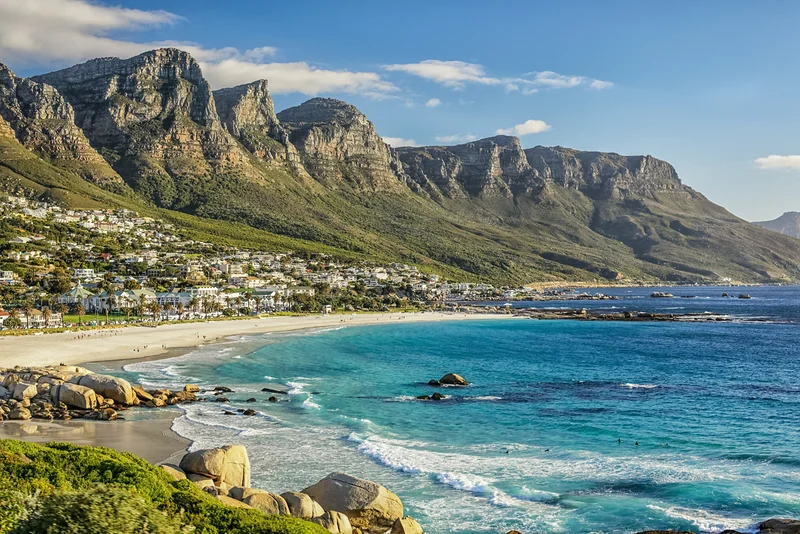
Wedged between turbulent oceans and a flat-topped mountain, Cape Town packs a lot into its borders. You will find postcard-perfect beaches with freezing water, historic townships, hillside vineyards, and penguins lounging on white sand. Dining here competes with major global capitals, and adventure waits at every turn, all for a reasonable price. Expect a mix of raw wilderness and relaxed cosmopolitan life under the Southern Hemisphere sun.

Nelspruit

#2 Nelspruit +16

Renamed Mbombela, Nelspruit serves as the capital of South Africa's Mpumalanga province and the primary gateway to Kruger National Park. You can explore the biodiversity of the Lowveld Botanical Gardens or descend into the Sudwala Caves, which are among the oldest in the world. The area offers plenty of action, from whitewater rafting to educational tours at the Chimp Eden sanctuary.

Johannesburg

#3 Johannesburg +8

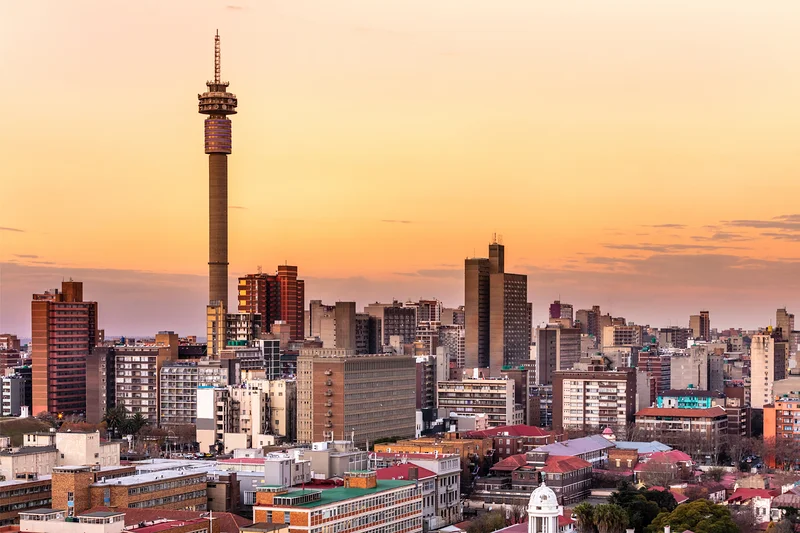
Johannesburg is the economic engine of South Africa, where history, art, and nature collide. Spend time at the Apartheid Museum and Soweto to understand the struggle for freedom, or check out the galleries and street art in the Maboneng District. For a change of pace, the Johannesburg Botanical Garden and nearby sites like the Cradle of Humankind offer a quick escape from the city grind.

Oudtshoorn

#4 Oudtshoorn +6

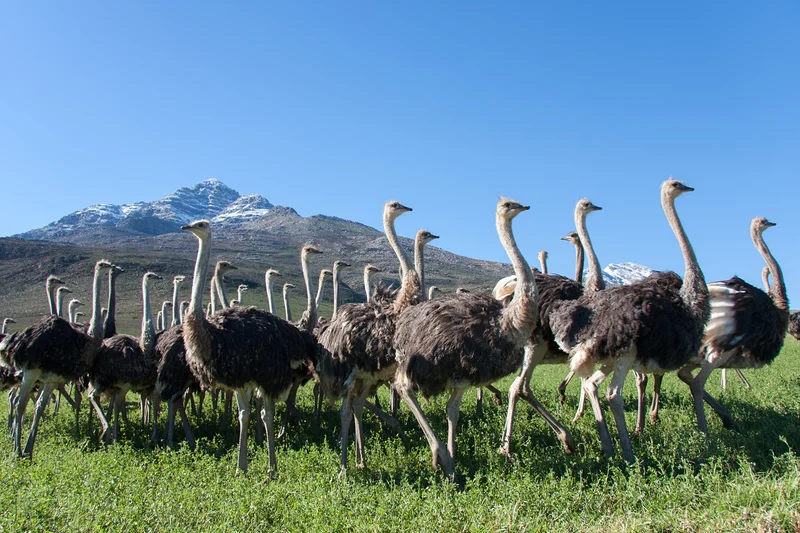
The ostrich capital of the world

Oudtshoorn, located in the Klein Karoo region, is widely known as the ostrich capital of the world. Several ostrich farms, such as Highgate or Safari Ostrich Show Farm, offer guided tours where you can learn about raising these massive birds. These farms provide insight into the birds' role in the region's economic history and offer an up-close look at these unique creatures.

Cango Caves: a natural wonder

About 30 minutes outside of town, the Cango Caves are one of Oudtshoorn's primary attractions. These limestone caverns, carved by millennia of erosion, feature intricate stalactite and stalagmite formations. The guided tours, available in several languages, allow you to explore this geological marvel in a well-preserved environment. For those interested in caving, more adventurous tour options are available.

Swartberg Pass: a dramatic mountain road

The Swartberg Pass, located near Oudtshoorn, is a spectacular mountain pass that offers expansive views of the surrounding landscape. It is accessible by car, though you should drive slowly to enjoy the vistas and pull over at designated overlooks. While the road is made of gravel, it is manageable for most standard vehicles. The area is a favorite for photographers and hikers alike.

Dining: unique local flavors

Oudtshoorn is well-known for dishes featuring ostrich meat, which is lean and flavorful. Restaurants like Karoo Pot or Jemima's serve ostrich steaks, burgers, and even sausages. You should also try local staples such as biltong (cured, dried meat) and wines from nearby vineyards. The region is a great spot to sample the distinct culinary traditions of the Karoo.

When to go

Oudtshoorn has a semi-arid climate with hot summers and mild winters. Spring (September to November) and autumn (March to May) provide the most comfortable temperatures for exploring the area. In April, the KKNK (Klein Karoo National Arts Festival) brings the city to life with music and arts performances, drawing visitors from across the country.

How to get there

Oudtshoorn is accessible by car from Cape Town (a 5 to 6-hour drive) or from George, which is the closest city with an airport, located about 1 hour away. Domestic flights connect George to Johannesburg and Cape Town, with one-way fares typically ranging from 1,500 to 2,800 ZAR (about $80 to $150). Renting a car is recommended to give you the flexibility to explore Oudtshoorn and the surrounding area at your own pace.

Durban

#5 Durban -6

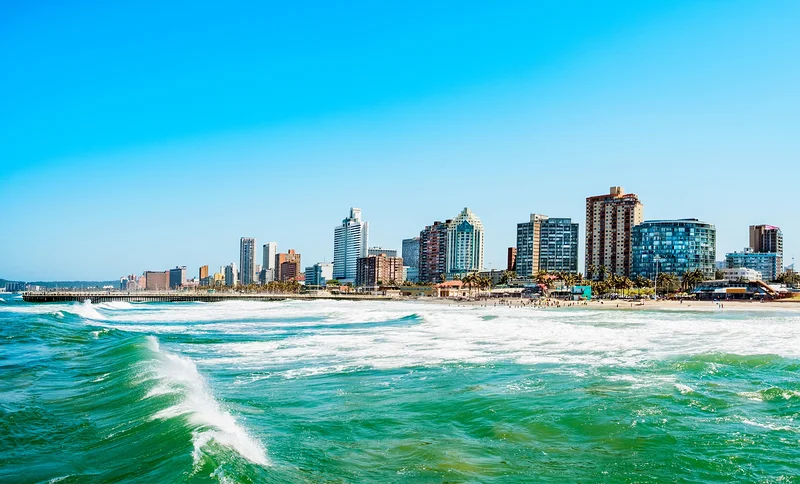
A coastal city with a mild climate

Durban, located on the east coast of South Africa, is known for its long stretches of sand along the Indian Ocean. The famous Golden Mile, a waterfront promenade, offers miles of walking paths, surf breaks, and a relaxed atmosphere. Durban's subtropical climate makes swimming pleasant almost year-round. While the beaches might not be the most dramatic in the country, they are a solid draw for those looking for a sunny and accessible destination.

A rich cultural heritage

Durban is a place where Zulu, Indian, and colonial influences coexist. The Victoria Street Market is a perfect example of this diversity, serving as a lively spot where you can find Indian spices, local crafts, and jewelry in one place.

To learn more about the regional history, the KwaMuhle Museum, which focuses on the apartheid era and the lives of migrant workers, provides a sobering but necessary perspective. The Juma Mosque, the largest in South Africa, is also worth a visit for its elegant architecture.

Natural sites and nearby attractions

Durban is surrounded by spots that appeal to outdoor enthusiasts. The Durban Botanic Gardens, the oldest in the country, serve as a quiet oasis in the center of the city. For those interested in marine life, the Ushaka Marine World aquarium features shows and educational exhibits. While it is a major tourist draw, it remains a worthwhile outing, especially for families.

A thirty-minute drive away, the Valley of a Thousand Hills offers impressive views over rolling green slopes.

Gastronomy: a melting pot of flavors

Durban is famous for dishes with Indian influences, most notably bunny chow, a local specialty consisting of a hollowed-out loaf of bread filled with spicy curry. You can pick one up at many casual eateries and shops across the city. Fresh seafood, such as prawns and grilled fish, is also popular at waterfront establishments. If you are feeling adventurous, try traditional Zulu cuisine at spots like the Mzansi Restaurant.

When to go

Durban enjoys mild weather year-round, but the winter months from May to August are particularly pleasant due to moderate temperatures and lower humidity. If you are a sports fan, the period around the Comrades Marathon in June is energetic. December holidays bring many South Africans to the beaches, though it can get quite crowded.

Getting there

Durban is served by King Shaka International Airport, located about 30 minutes from the city center. Flights from the US typically require a connection in Johannesburg or Cape Town. Prices fluctuate by season, but a round-trip ticket from a major US hub typically runs 16,000 to 22,000 ZAR (about $900 to $1,200). The total travel time, including connections, usually ranges from 18 to 22 hours.

Ranking of the 15 activities selected by our editors in South Africa

#1 Table Mountain (Cape Town) +11 4.7

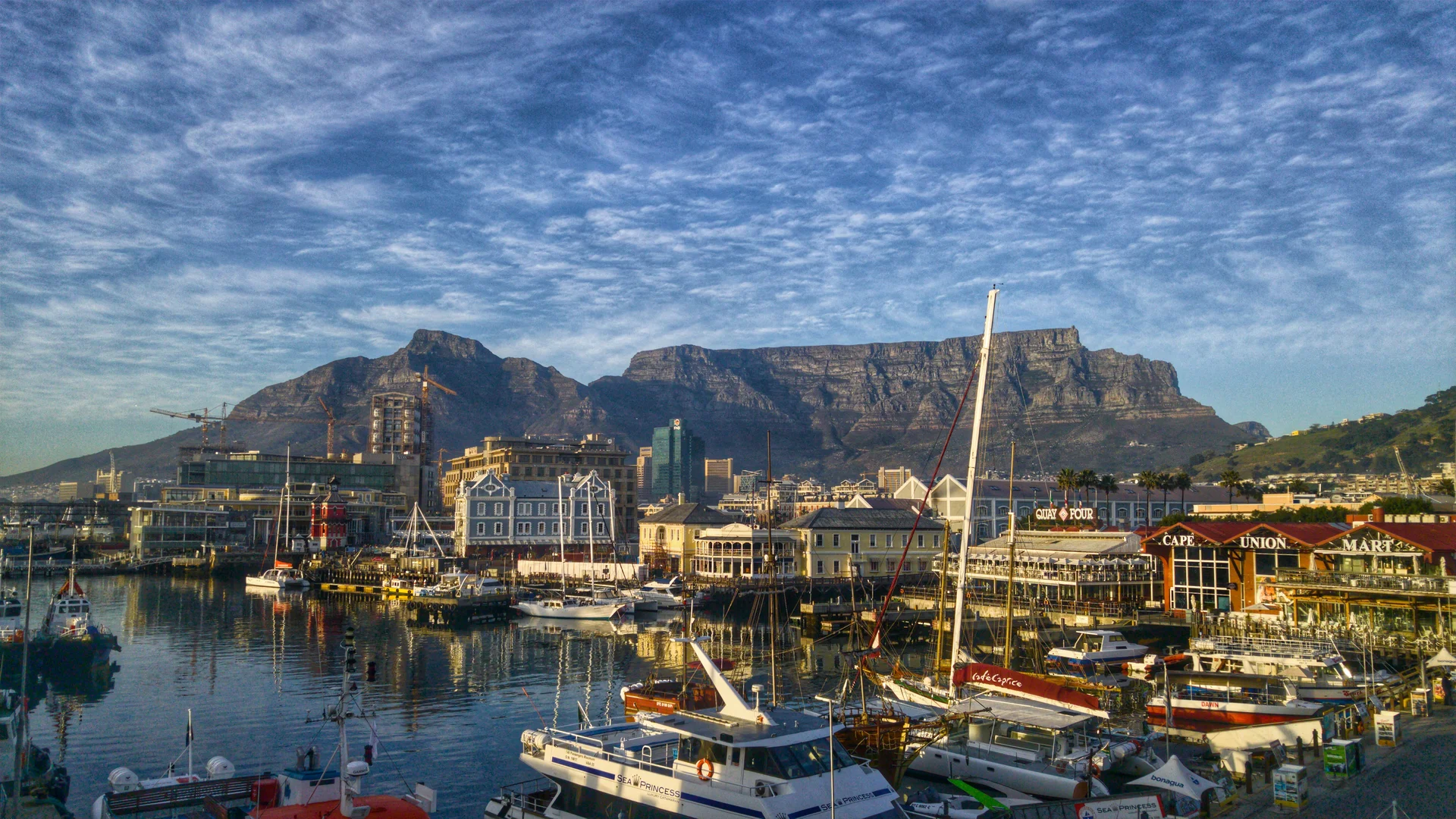
With its iconic flat peak, Table Mountain dominates the skyline of Cape Town in South Africa. Standing at 1,086 meters, this massif is one of the New7Wonders of Nature. It is a premier destination for hikers in Africa, offering sweeping views of the city and coast from its summit.

#2 Kruger National Park (Nelspruit) +10 4.7

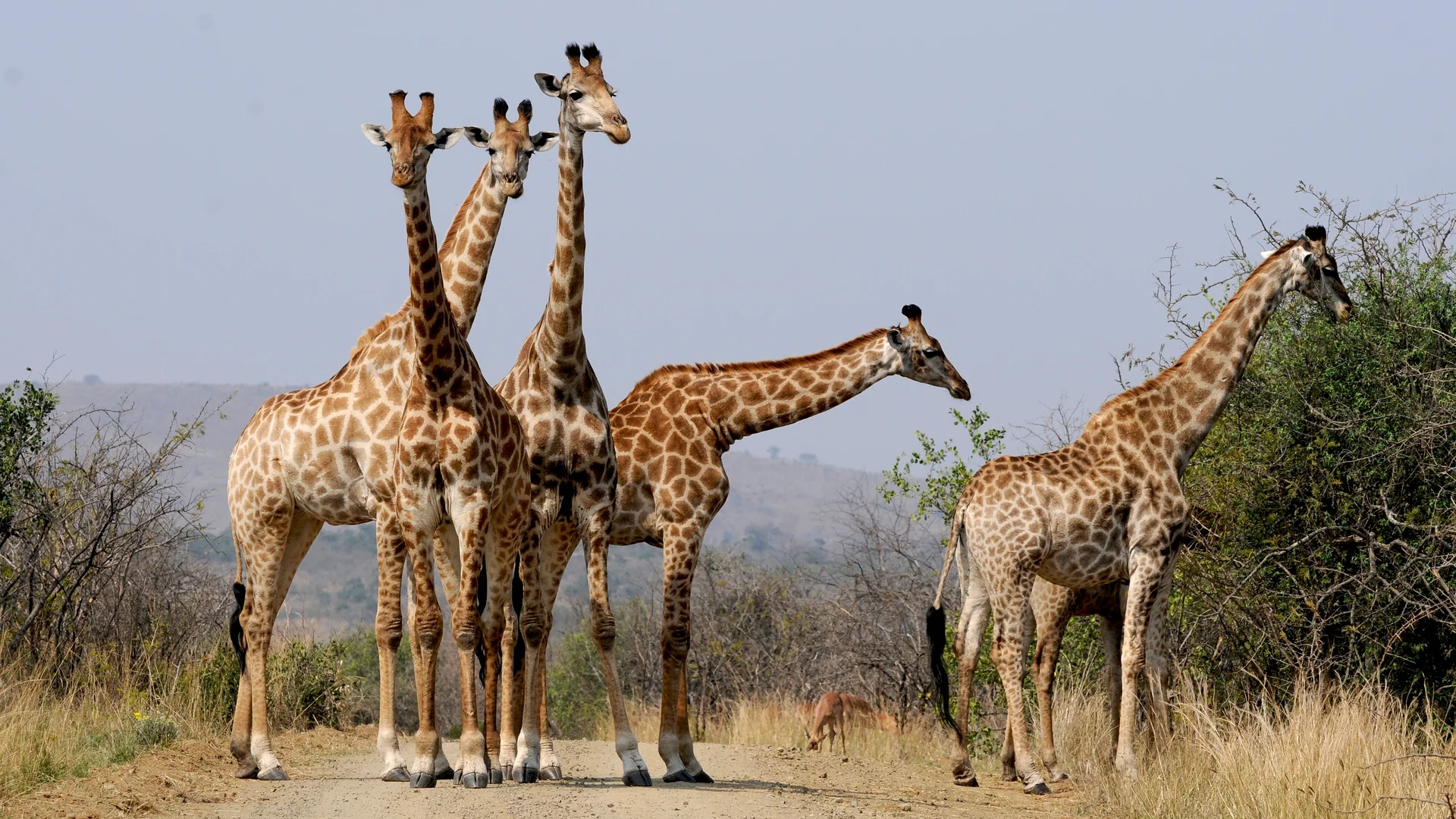
Kruger National Park is the largest national park in South Africa, covering nearly 20,000 square kilometers of bushland home to the Big Five. You can navigate the reserve in a standard car on paved roads. With SANParks (South African National Parks) camps for all budgets, it remains highly accessible. Visit from May to September for prime wildlife viewing.

See the guide See deals

#3 Kirstenbosch National Botanical Garden (Cape Town) +9 5

Perched on the slopes of Table Mountain, Kirstenbosch National Botanical Garden showcases South African flora, including fynbos and medicinal plants. The Treetop Canopy Walkway provides views over the canopy and Cape Town. With concerts, art exhibits, and quiet spaces, it is a perfect stop for plant lovers or those seeking a peaceful escape.

See the guide See deals

#4 Victoria and Alfred Waterfront (Cape Town) +9 4.5

The Victoria and Alfred Waterfront is the hub of Cape Town, a historic harbor redesigned at the base of Table Mountain. Combining high-end retail, diverse dining, and craft markets like the Watershed, it offers endless activity. Visit the Zeitz MOCAA (Museum of Contemporary Art Africa) or catch a boat to Robben Island.

See the guide See deals

#5 Cape Point (Cape Town) +9 4

Cape Point is a legendary natural landmark in South Africa, frequently linked to the Cape of Good Hope. Located at the tip of the Cape Peninsula, it offers views of the Atlantic and Indian oceans meeting, jagged cliffs, and unique fynbos vegetation. Once a feared maritime route, it is now a destination for hiking and reflection.

See the guide See deals

#6 Boulders Beach (Cape Town) +9 5

Located in Simon's Town near Cape Town, Boulders Beach is home to a famous colony of African penguins. Wooden walkways allow you to watch them without disturbing their sanctuary. Surrounded by granite boulders and calm waters, the beach is great for family swimming. Nearby, visit historic Simon's Town or hike the dramatic trails at Cape Point Nature Reserve.

#7 Cape of Good Hope (Cape Town) +9 5

The Cape of Good Hope is a historic South Africa landmark, famous for its role in the Age of Discovery. Expect dramatic scenery where the Atlantic and Indian Oceans converge, towering cliffs, and diverse fynbos and wildlife. It is a site steeped in history, perfect for contemplation and coastal exploration.

See the guide See deals

#8 Drakensberg Park (Winterton) +7 4.5

Drakensberg Park, also known as the Maloti-Drakensberg Park or uKhahlamba, covers nearly 2,500 square kilometers in South Africa. Named for its namesake mountain range, this park straddles the KwaZulu-Natal province and Lesotho. It is a prime destination for hikers traveling between Johannesburg and Durban, offering dramatic views of the Dragon Mountains.

#9 Addo Elephant National Park (Addo) +4 4.5

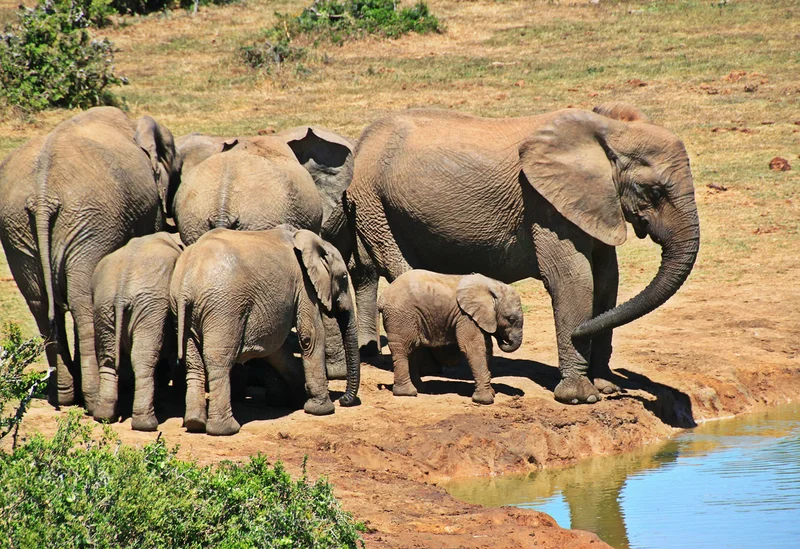
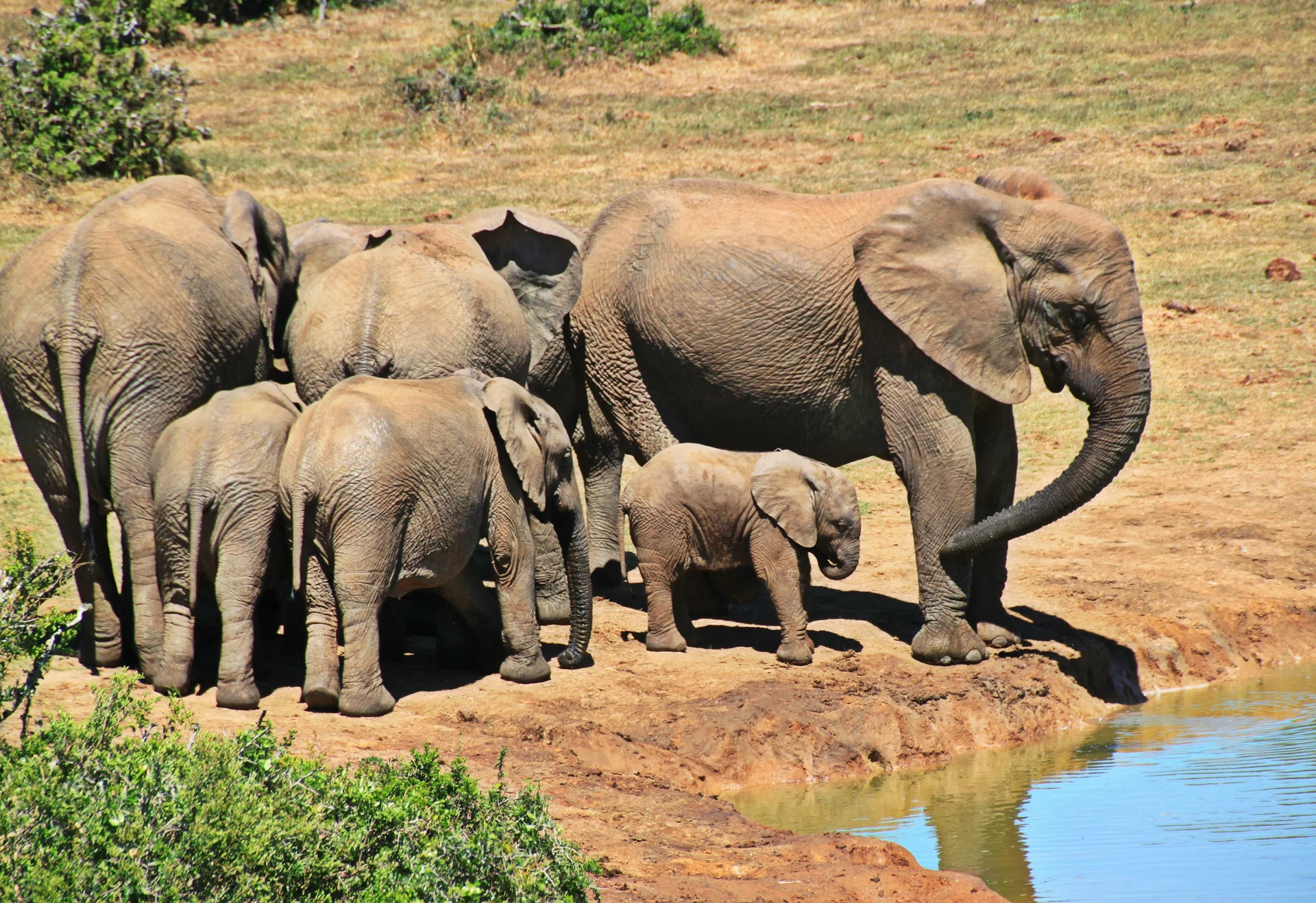
A flagship destination in South Africa, Addo Elephant National Park lives up to its name with a massive population of elephants. Located near Addo, just outside Port Elizabeth, this is one of the country's twenty major national parks. It ranks as the third largest in the nation, trailing only Kruger National Park and Kgalagadi Transfrontier Park.

#10 Cape Town Stadium (Cape Town) +3 5

Soccer fans likely remember the 2010 FIFA World Cup matches held at Cape Town Stadium. Located in Cape Town, this 55,000 seat arena also hosts rugby union games. Inaugurated in 2009, the stadium shares its name with a smaller 18,000 seat venue demolished in 2007 to make way for modern international events.

#11 Ellis Park Stadium (Johannesburg) +1 5

For many in South Africa, Ellis Park Stadium holds deep significance. Built in 1928, this venue has hosted legendary rugby union matches, the country's most popular sport, alongside major concerts. It is best remembered for the 1995 Rugby World Cup final, where the Springboks defeated New Zealand on home soil.

#12 FNB Stadium (Johannesburg) +1 5

The FNB Stadium in Johannesburg is an iconic site, instantly recognizable by its unique architecture modeled after a calabash gourd. Renovated for the 2010 FIFA World Cup, it hosted historic moments including speeches by Nelson Mandela. Today, it hosts major sporting events and large concerts, offering an immersive look at South African culture and history.

See the guide See deals

#13 Apartheid Museum (Johannesburg)

The Apartheid Museum in Johannesburg chronicles the history of South Africa through interactive exhibits, personal accounts, and photography. It examines racial segregation, the fight for equality, and figures like Nelson Mandela. Visitors walk through thematic halls and a meditation garden. This impactful museum offers essential context on past injustices to help envision a more inclusive future.

See the guide See deals

#14 Rhodes Memorial (Cape Town)

Perched on the slopes of Devil's Peak in Cape Town, the Rhodes Memorial honors Cecil Rhodes. Modeled after the Greek Temple of Apollo, this monument provides panoramic views of Cape Town and sits near various hiking trails. Its bronze lions and north-facing statue reflect a historical vision of expansion in South Africa.

#15 Voortrekker Monument (Pretoria)

The Voortrekker Monument, south of Pretoria, honors 19th-century Afrikaner pioneers. This imposing Art Deco structure offers a deep dive into South Africa's history through intricate bas-reliefs and an eternal flame. From the top, you get one of the best panoramic views of Pretoria. Hiking trails, gardens, and exhibits make this a key stop.

Visiting South Africa: A Country That Covers All the Bases

Landscapes That Actually Deliver

Few countries pack this much geographic variety into a single trip. Kruger National Park, one of Africa's top destinations for big-game viewing, sits in the northeast and draws wildlife photographers and first-time safari-goers alike. To the south, the Drakensberg mountains offer green, dramatic peaks that feel nothing like the savanna. And the Garden Route, a scenic coastal drive along the southern shore, strings together beaches, old-growth forests, and small towns worth stopping in.

Eleven Languages, One Country

South Africa has 11 official languages, and locals often call it the "Rainbow Nation" for good reason. In Johannesburg, the Apartheid Museum gives an unflinching account of the country's history under racial segregation, one of the most powerful museum experiences on the continent. In Cape Town, the Bo-Kaap neighborhood, with its brightly painted houses, reflects the Cape Malay heritage that shaped the city's culture. Further east, traditional Zulu villages offer a window into ways of life that have remained largely intact for generations.

Places You Should Not Skip

Cape Town anchors itself around Table Mountain, a flat-topped peak that looms over the city and the Atlantic coastline below. The city itself balances urban energy with serious natural access. Just offshore, Robben Island, where Nelson Mandela was imprisoned for 18 of his 27 years behind bars, is a sobering and important visit.

Wine lovers should make time for the Stellenbosch and Franschhoek wine regions, about an hour east of Cape Town. These valleys produce some of South Africa's best bottles, and the tasting rooms are far less crowded than Napa.

For beach time with a tropical feel, Durban on the Indian Ocean coast runs warmer water and more consistent surf than the Cape.

What to Eat

South African food is a direct product of its multicultural history. The braai, the local version of a barbecue, is less a cooking method and more a social institution. Try bobotie, a Cape Malay dish of spiced ground meat with a savory-sweet egg custard topping. Along the coasts, king prawns and crayfish (spiny lobster) are worth seeking out. And pick up some biltong, a spiced dried meat that's closer to jerky but with better seasoning. Pair any of it with a local Pinotage or Chenin Blanc.

When to Go

South Africa's climate shifts considerably by region. For safaris in the north, April through October is the dry season, when animals cluster around water sources and game viewing is at its best. For Cape Town, the Garden Route, and beach trips, aim for November through March, which is the Southern Hemisphere summer. If you're into the arts, the National Arts Festival in Grahamstown (now officially called Makhanda) typically runs in June or July and is one of the largest arts festivals on the continent.

Getting There

From the US, you're looking at connecting flights through European or Middle Eastern hubs into Johannesburg (O.R. Tambo International) or Cape Town. Total travel time typically runs 16 to 20 hours depending on your connection. Round-trip fares from major US cities generally range from around R11,000 to R18,000 (roughly $600 to $1,000), with better deals in the off-peak shoulder months. Airlines like United, Delta, Lufthansa, British Airways, and South African Airways all serve these routes. US citizens do not need a visa in advance and can enter South Africa visa-free for up to 90 days, but make sure your passport has at least 30 days of validity beyond your planned departure date and has at least two blank pages.

Getting Around

Renting a car is the most practical way to see South Africa on your own schedule. The road network is solid by regional standards, driving is on the left, and self-driving the Garden Route or wine country is genuinely straightforward. For longer hauls between cities, Intercape and similar long-distance bus companies offer an affordable alternative. Domestic flights connecting Johannesburg, Cape Town, and Durban are frequent and often surprisingly cheap when booked ahead, making it easy to cover ground without backtracking.
Find the best deals to travel to South Africa

Hotels and stays Flights Car rentals Custom trips

Top photos posted by members

La Montagne de la Table
Parc Kruger
Parc de Hluhluwe