
Kruger National Park: Where South Africa reveals its Big Five
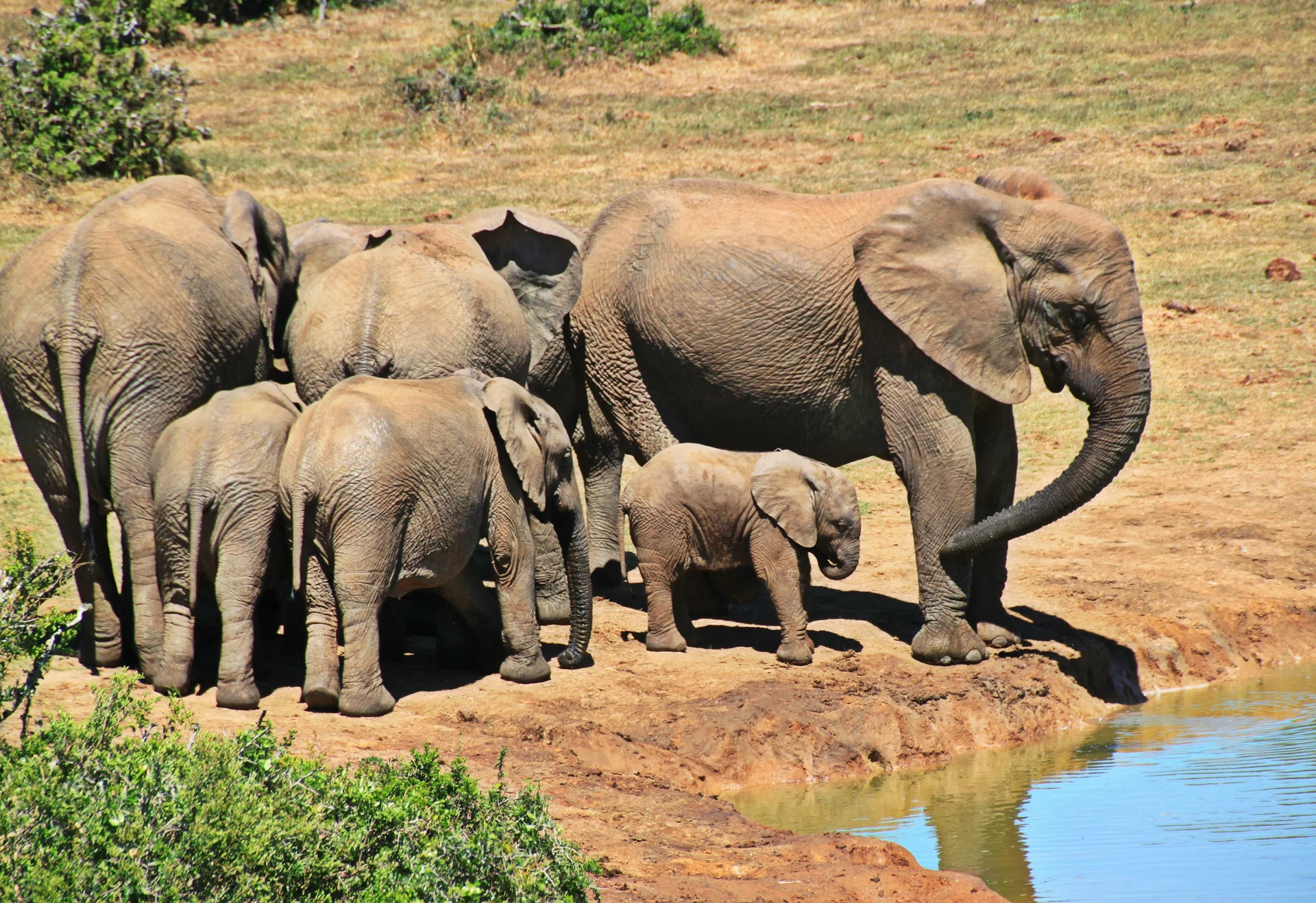
The camp gates swing open in the predawn mist. An elephant herd crosses the dusty road just feet from your hood. Welcome to one of the last great wilderness reserves on the planet, where every mile of track might reveal a lion napping under an acacia tree.
Why take a safari in Kruger National Park?
Established in 1898 by President Paul Kruger to protect Transvaal wildlife, this park now covers nearly 20,000 km², roughly the size of Israel. Kruger National Park is home to the famous Big Five: lion, leopard, elephant, rhinoceros, and buffalo. Unlike reserves in Kenya or Tanzania, this park is remarkably accessible. You can drive yourself in a standard rental car on perfectly maintained paved roads.
The park is home to 147 mammal species, over 500 bird species, and 114 reptile species. Your odds of spotting at least three of the Big Five during a three-day trip are excellent. The southern section, surrounding the Skukuza camp and the Sabie River, holds the highest density of wildlife.
When to go and how to plan your safari
The dry season: peak wildlife viewing
From May through September, the vegetation thins out and animals gather around water holes. This is the prime window for game viewing. Predators, especially leopards, become much easier to spot. Daytime temperatures hover between 68 and 77°F (20 to 25°C), but mornings can be chilly. Pack a fleece for dawn game drives.
The green season: births and migration
From November to March, rains transform the bush into a lush savanna. Dense foliage makes spotting animals harder, but you get to see animal births, migratory birds, and dramatic thunderstorms. Malaria risk increases significantly during these months.
Friendly tip: Arrive at the entrance gate 30 minutes before opening. Daily quotas for visitors without park accommodation are strict, especially at Paul Kruger Gate and Phabeni during South African school holidays.
Self-drive or guided safari: how to explore
Kruger National Park remains one of the few major African parks where self-driving is not only allowed but highly recommended. Roads are well-marked, with speed limits of 50 km/h on pavement and 40 km/h on dirt tracks. Each camp maintains boards displaying recent daily sightings. A universal tip from regulars: drive slowly. At 15 mph, your chances of spotting a leopard tucked into tall grass increase significantly.
Adjacent private reserves offer a different experience. They allow for night drives and off-road tracking with veteran rangers. The price is significantly higher, but the intimacy with the wildlife is hard to beat.
Key areas for wildlife observation:
- Sabie River: high concentration of predators, crocodiles, and hippos
- Olifants Camp: panoramic river views from atop the cliffs
- Satara: open plains, ideal for lions and cheetahs
- Lower Sabie: one of the top spots for leopards
Park accommodations: from tents to lodges
SANParks (South African National Parks) manages 12 rest camps inside the park, with options ranging from campsites at 470 ZAR per night to guest houses for over 6,000 ZAR. The rondavels, traditional round huts, offer great value. Book several months in advance for high season. Camps lock their gates at sunset. Being late results in a steep fine and potentially a night spent outside with the lions.
Opening hours
- Rest camps: same hours, check-in recommended by 2:00 PM
*Information subject to change

Kruger Park really deserves its number 1 status! I loved being able to drive around in my own rental car.
You just have to follow the rules posted at the entrances, and then you have the freedom to drive wherever you want.
Some great encounters in store, I even spotted lions, hyenas, and leopards.
Admittedly, the developed side of the reserve can be a bit surprising, but the animals are free and the park is huge!