
Visiting Johannesburg, South Africa's Dynamic Metropolis
A Deeply Rooted History
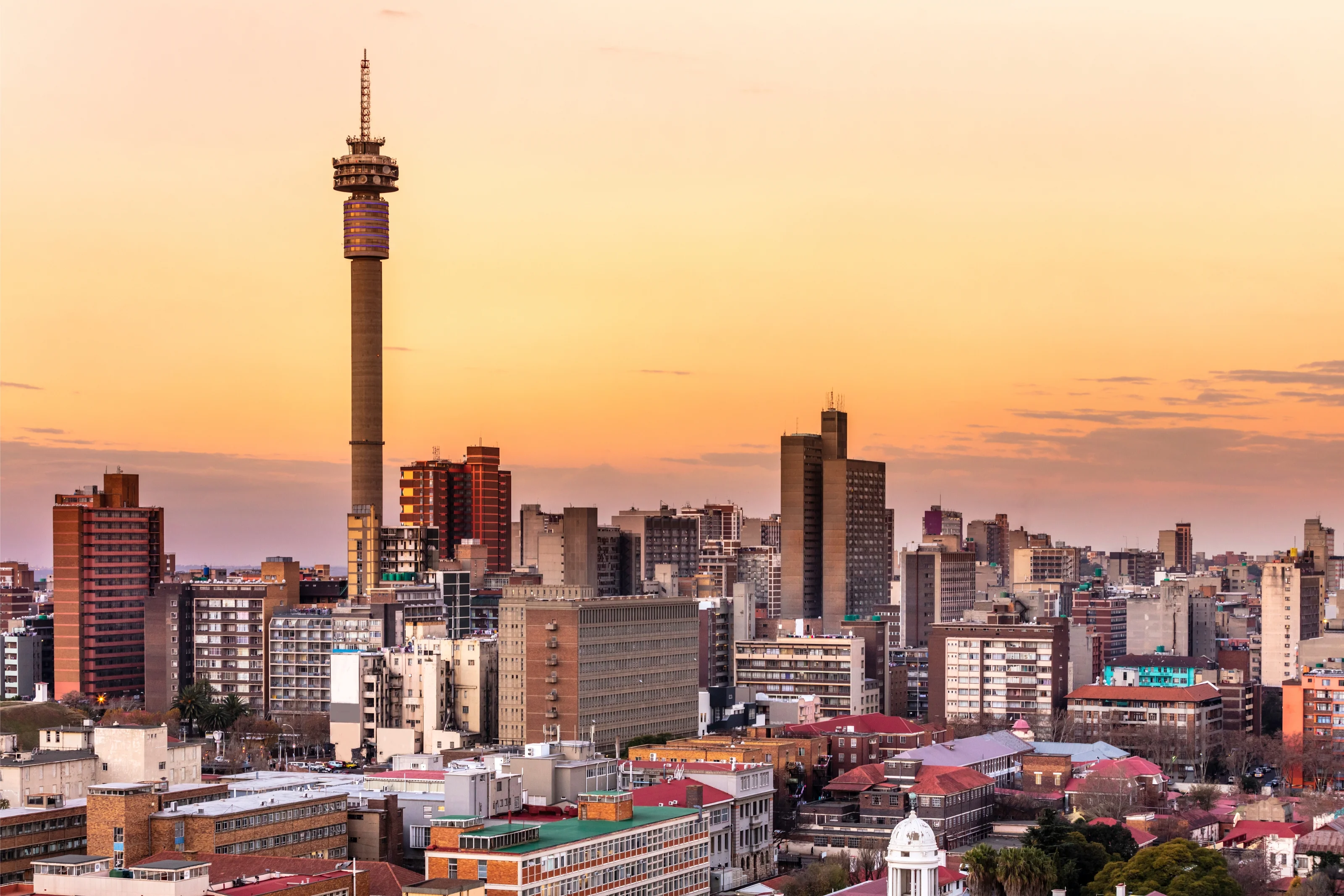
Johannesburg, widely called Jo'burg or Joburg, serves as the economic and cultural hub of South Africa. Founded in the late nineteenth century following a major gold rush, the city still bears the physical and social imprints of its mining past and the Apartheid era.
The Apartheid Museum offers an essential educational experience to understand the nation's recent history. Soweto, a historically significant township, provides additional context on the fight for freedom, featuring landmarks like the Mandela House, which now operates as a museum.
A Thriving Arts Scene
Joburg has a fast-paced creative energy. The Maboneng neighborhood, once an industrial zone, now functions as a central district for street art and independent galleries. Its studios, markets, and specialty coffee shops draw both locals and travelers. The Wits Art Museum displays an extensive collection of contemporary African art, while institutions like the Johannesburg Art Gallery exhibit works by regional and international creators.
Parks and Nature Reserves Nearby
Despite heavy urbanization, Johannesburg maintains several green spaces for outdoor recreation. The Johannesburg Botanical Garden and Emmarentia Dam provide settings for walking and weekend picnics. A short drive outside the city limits, the Lion & Safari Park allows visitors to view native wildlife in a managed environment.
For deep history, the Cradle of Humankind, designated as a UNESCO World Heritage Site, sits an hour away by car, featuring fossil-rich caves and exhibition centers dedicated to human evolution.
Diverse and Flavorful Food
The food scene in Johannesburg mirrors the population's varied cultural background. Visitors can sample traditional braai (barbecue) meat served in lively social spaces, while food halls like the Neighbourgoods Market feature contemporary takes on local dishes. Traditional meals worth trying include bobotie, a spiced minced meat bake with an egg-based topping, and vetkoeks, fried dough pastries reflecting the region's Dutch and Malay culinary heritage.
When to go
The optimal window for visiting Johannesburg runs from May to September during the dry winter months, bringing clear skies and mild daytime temperatures. The wetter months between October and April transform the surroundings with lush vegetation. Travelers interested in specific events will find recurring literary and performance gatherings like the Jozi Book Fair and the Johannesburg International Comedy Festival.
How to get there
Travelers arriving from North America typically connect through major European or African hubs. Flight prices vary between $570 and $900* round-trip depending on the season. O.R. Tambo International Airport sits 25 km from downtown, with direct access via official airport shuttles, rideshares, and the Gautrain rapid rail system.
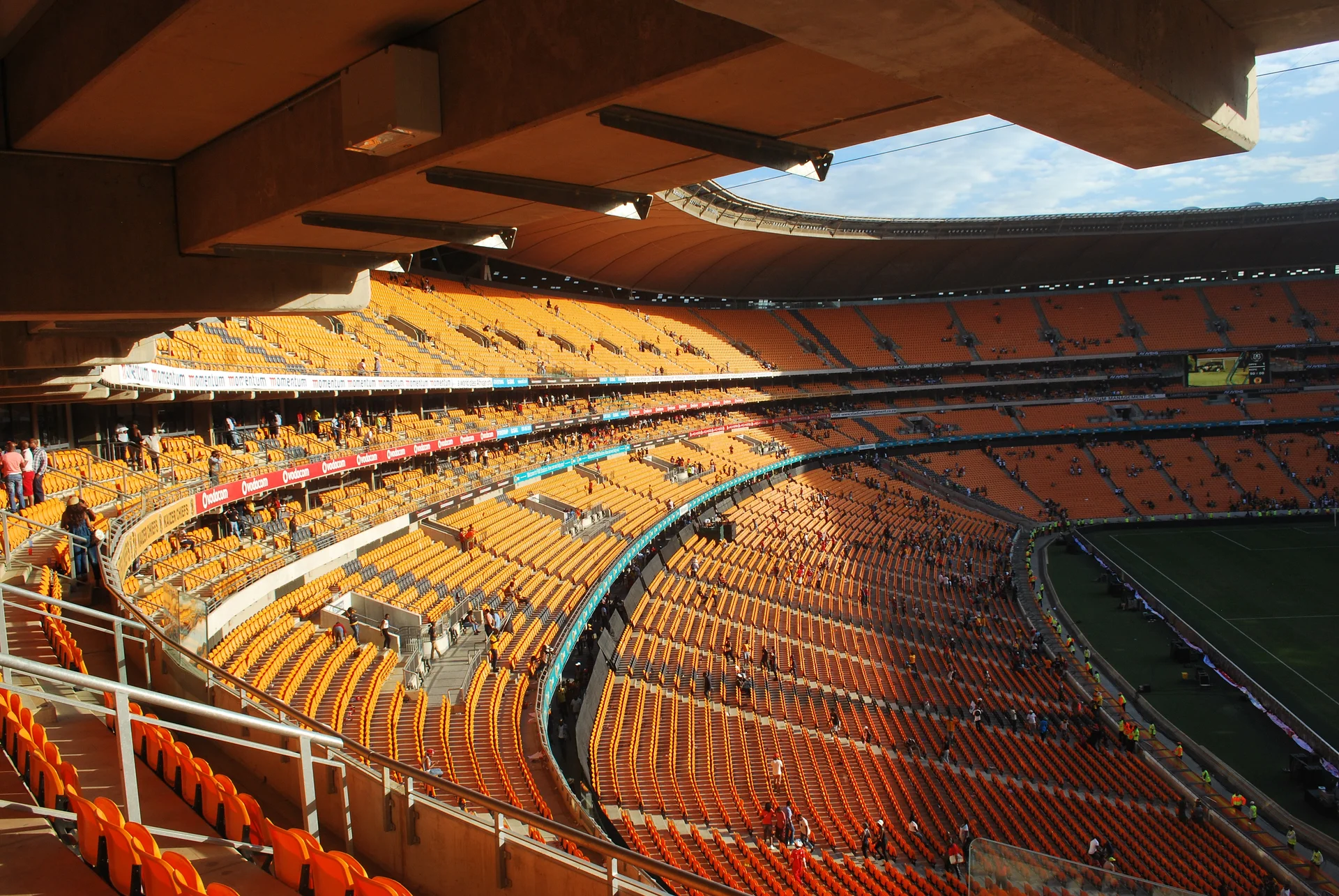
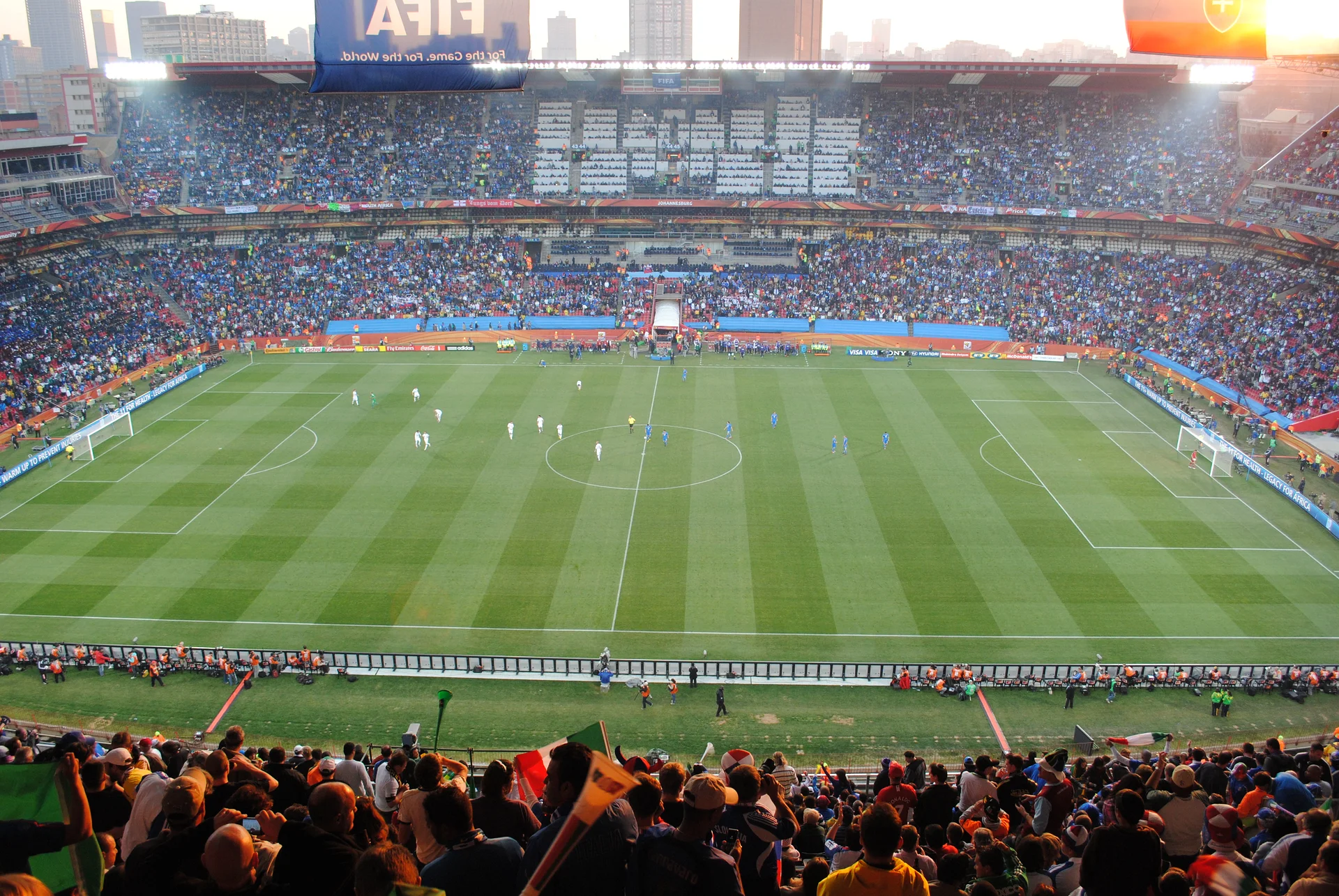
A quick stay is enough for Johannesburg. It is often just a stopover for other excursions (Kruger, Drakensberg...). It is also an interesting city because of its sad Apartheid history, which is very well told in the must-see museum dedicated to the city's segregation.
Johannesburg, or at least its trendy neighborhood aimed at foreign tourists, seemed relatively safe to me with basic precautions. There is quite a bit of graffiti, improv shows, bars, flea markets, etc.