
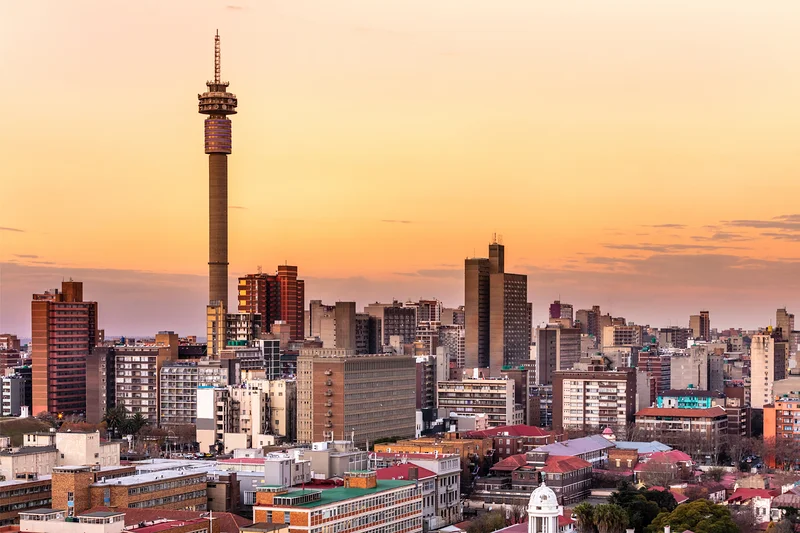
Visiting Johannesburg, the power center of South Africa
A history carved in gold
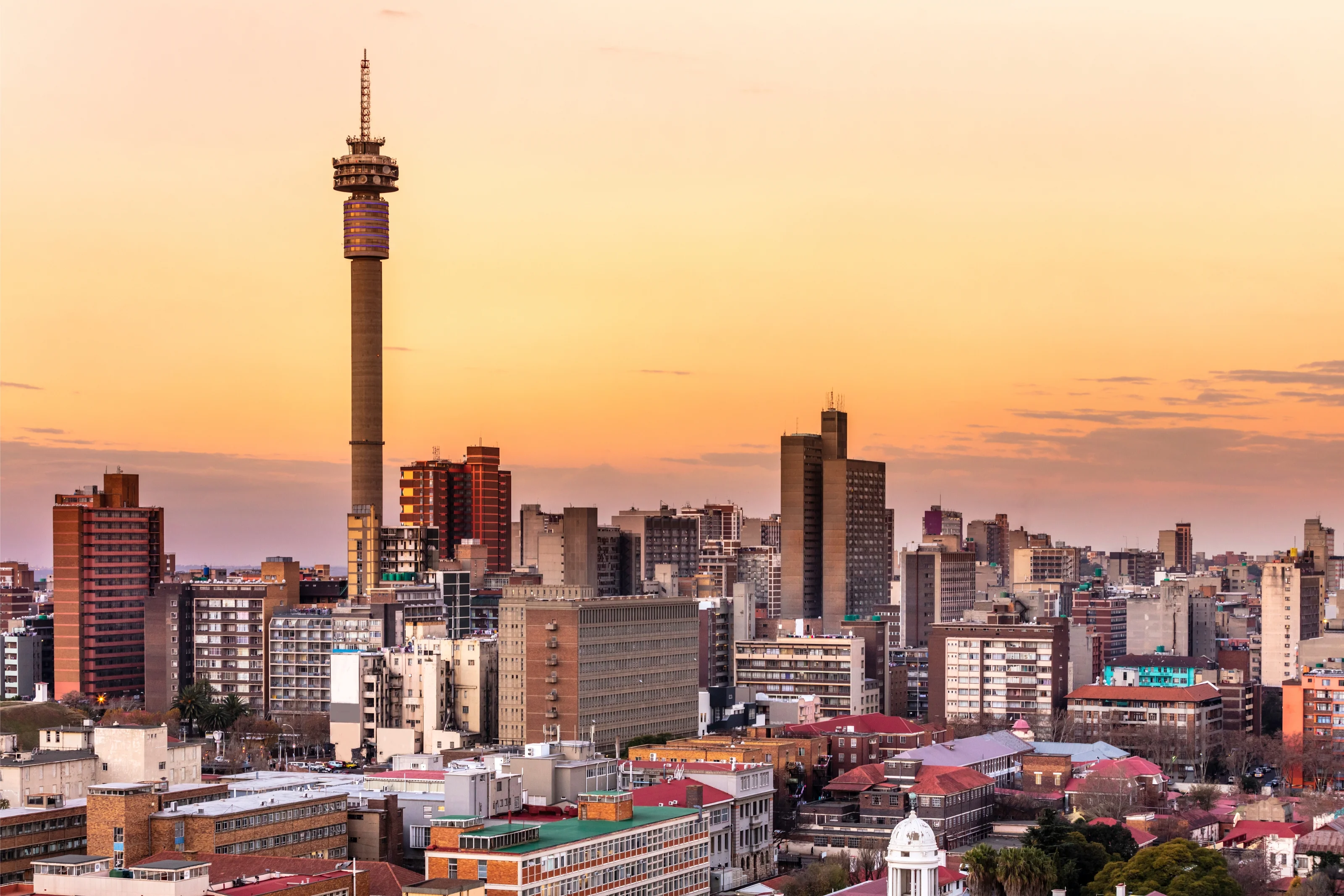
Johannesburg, known locally as Jo'burg or Joburg, serves as the economic and cultural engine of South Africa. Established in the late 19th century following the discovery of gold, the city bears the heavy marks of its mining origins and the era of Apartheid.
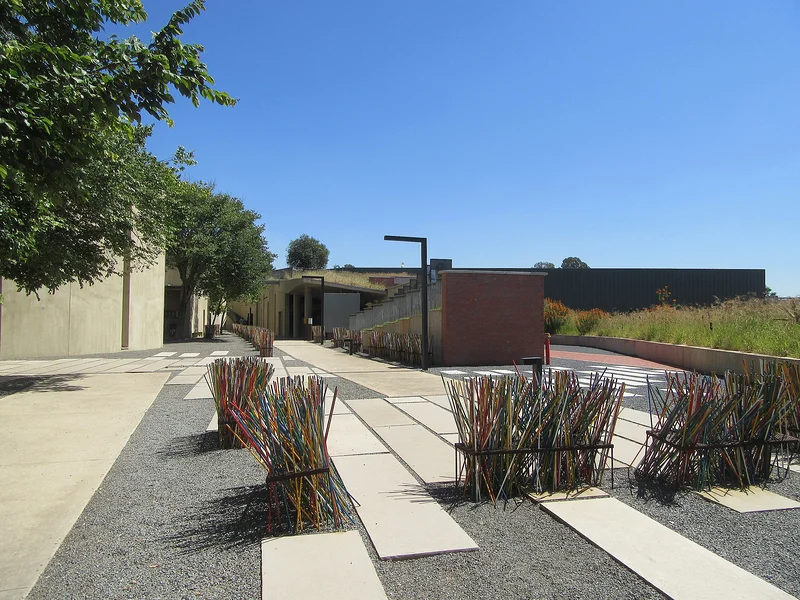
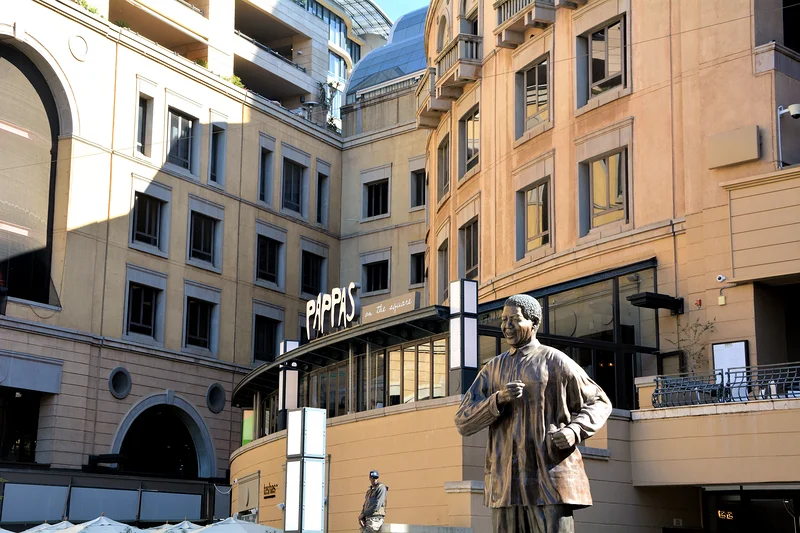
The Apartheid Museum is a prerequisite for understanding the country's modern history. Soweto, an iconic township, provides a raw look at the struggle for freedom, housing sites like the Nelson Mandela House, which now functions as a museum.
A pulse of creative energy
Joburg is in a state of constant cultural motion. The Maboneng neighborhood, once an industrial zone, has transformed into a hub for street art and creative studios. Its galleries, markets, and independent coffee shops draw a steady crowd of residents and travelers alike. The Wits Art Museum houses a significant collection of contemporary African art, while institutions like the Johannesburg Art Gallery highlight works from both local and international masters.
Parks and reserves within reach
Despite its dense urban footprint, Johannesburg offers green spaces to escape the noise. The Johannesburg Botanical Garden and Emmarentia Dam serve as go-to spots for afternoon walks or picnics. Just a short drive from the city, the Lion & Safari Park allows you to view South African wildlife in a semi-natural environment.
For a deeper look at human history, the Cradle of Humankind, a UNESCO World Heritage site, is located about an hour away and features extensive cave systems and exhibits on early human evolution.
A diverse culinary scene
The food in Johannesburg mirrors the city's cultural mix. If you are a foodie, seek out braai (grilled meat) served in the city's high-energy districts, or head to spots like the Neighbourgoods Market for modern takes on local staples. Make sure to try bobotie, a spiced minced meat dish with a savory custard topping, or vetkoeks, deep-fried dough balls stuffed with fillings that highlight the region's Dutch and Malay influences.
When to go
The best time to visit Johannesburg is from May to September, during the southern winter, when the climate is dry and sunny with comfortable daytime temperatures. The months from October to April bring more rain but result in a lush, green landscape. If you are looking for events, the city regularly hosts festivals like the Jozi Book Fair or the Johannesburg International Comedy Festival.
How to get there
Johannesburg is a primary gateway for international travel. Round-trip airfare typically ranges from 550 to 880 ZAR (approximately $500 to $800) depending on the season and departure point. OR Tambo International Airport sits about 15 miles (25 km) from the city center and is well-connected by taxi services and shuttle options.
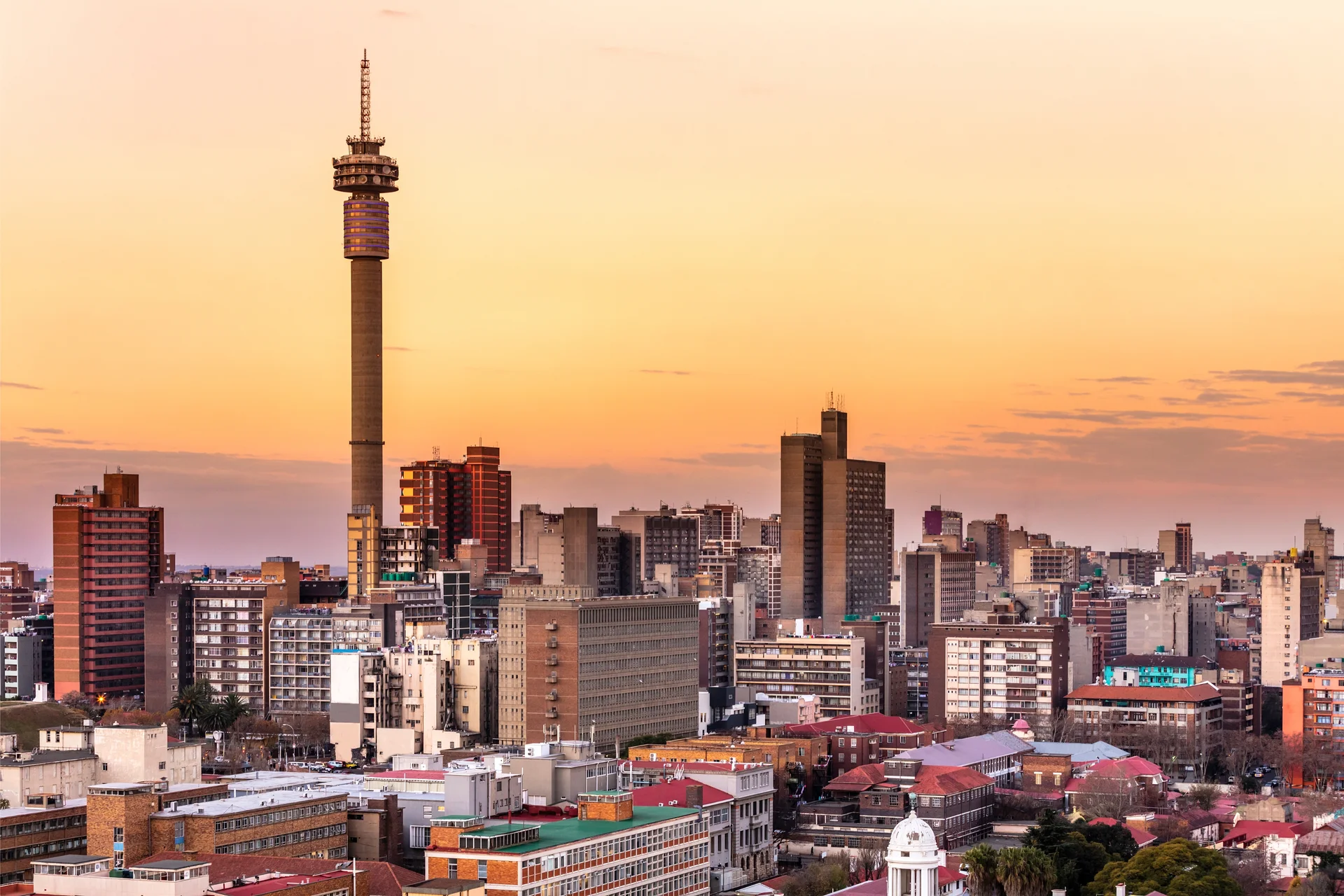
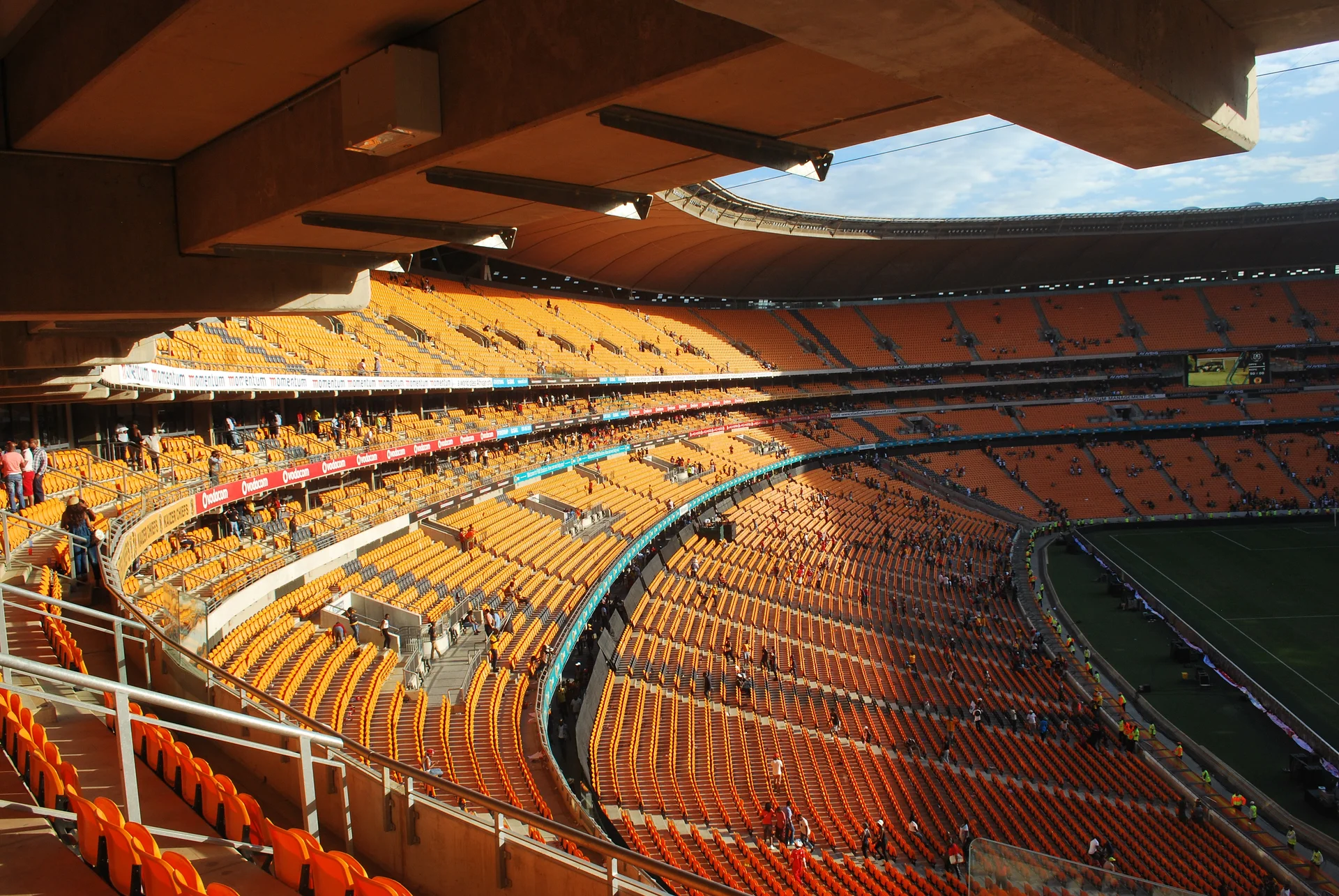
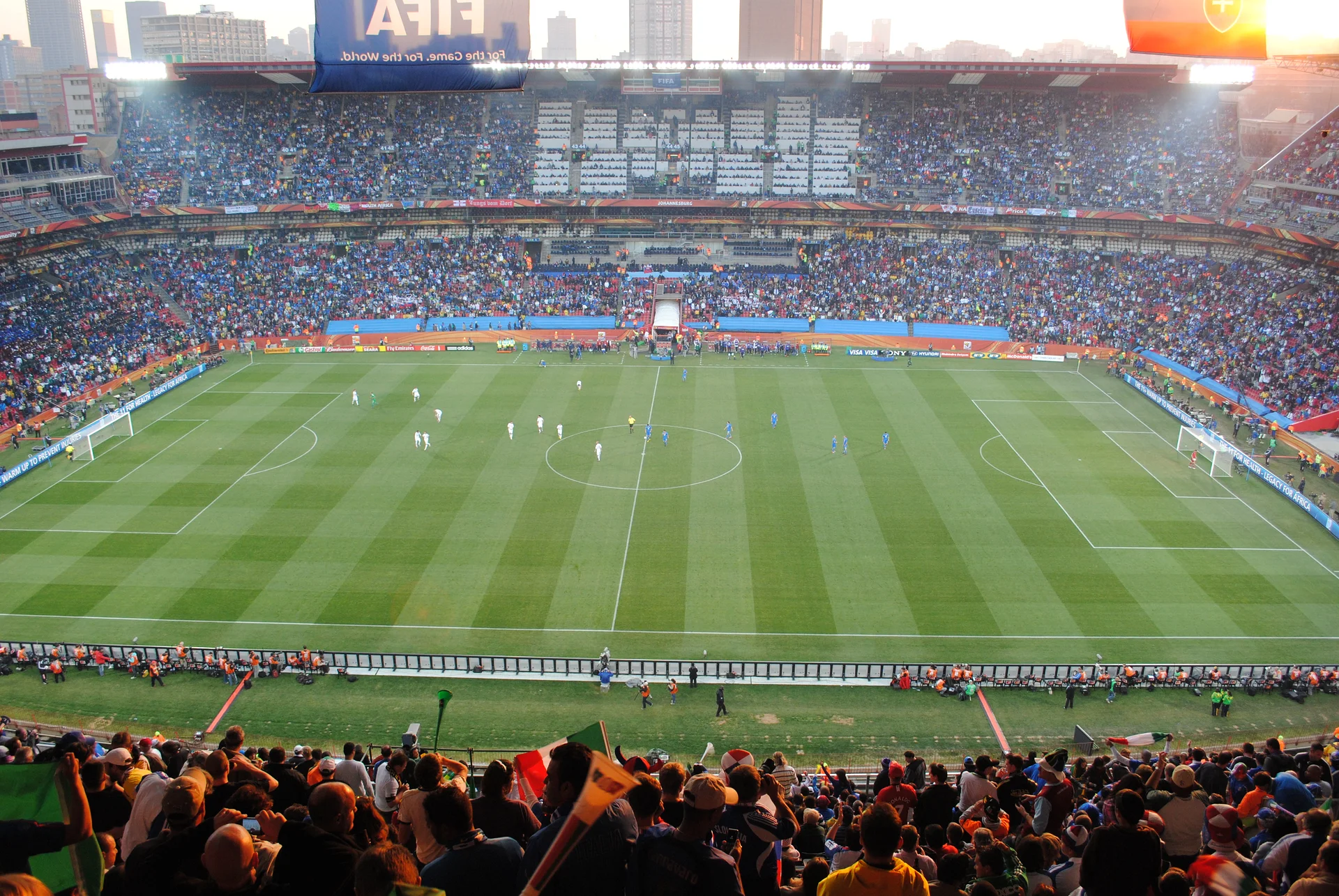
A quick stay is enough for Johannesburg. It is often just a stopover for other excursions (Kruger, Drakensberg...). It is also an interesting city because of its sad Apartheid history, which is very well told in the must-see museum dedicated to the city's segregation.
Johannesburg, or at least its trendy neighborhood aimed at foreign tourists, seemed relatively safe to me with basic precautions. There is quite a bit of graffiti, improv shows, bars, flea markets, etc.