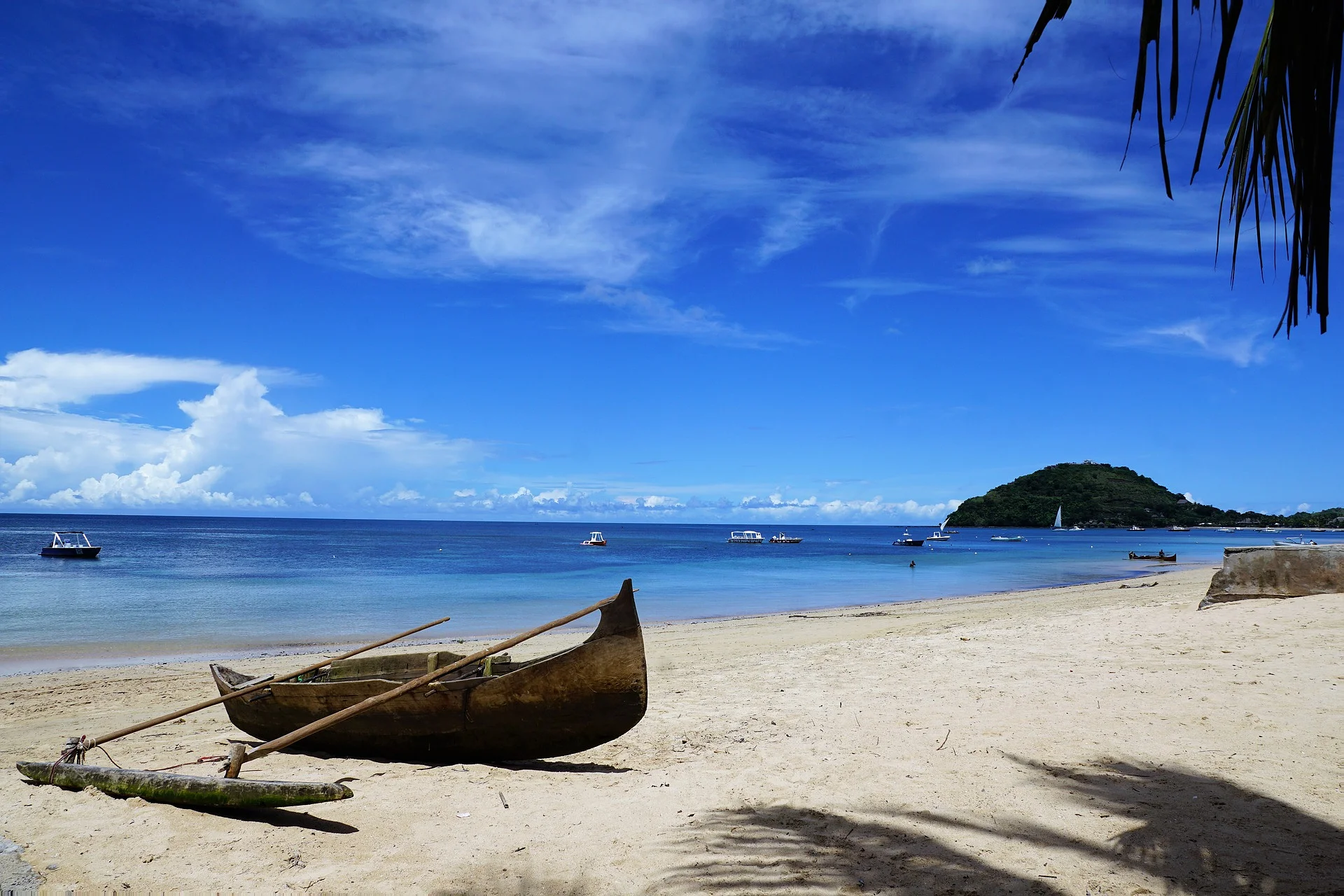
Madagascar, where time took a different turn
An indri calls out in the canopy. The song carries for miles, closer to whale song than to anything else in the forest. You are somewhere in the Andasibe forest, a three-hour drive from the capital, realizing that this animal exists nowhere else on Earth.
Madagascar split from Africa 160 million years ago, and life has taken singular paths here ever since. Lemurs, giant baobabs, chameleons with impossible colors: everything you see here is found on no other continent.
A demanding adventure you have to earn
Let's be upfront from the start. Madagascar is not a relaxing vacation. The roads rank among the roughest in Africa, trips take two to three times longer than planned, and tourist infrastructure remains modest outside established routes. If you are looking for constant comfort, seamless transfers, and standardized hotels, you are in the wrong place.
On the other hand, if the idea of spending 30 hours on bumpy dirt tracks to reach a razor-sharp stone forest excites you, if you are ready to eat rice three times a day and accept power outages with philosophy, then this island will transform you. Madagascar is for patient travelers, passionate naturalists, and lovers of raw authenticity.
Families with young children or people with reduced mobility should think twice.
A moderate budget that climbs fast with comfort
On site, daily life costs very little: plan for $17 to $29* a day for meals and small expenses. A decent room runs between $23 and $45* a night. Your budget blows up, however, as soon as you rent a 4x4 with a driver, which is mandatory for exploring the country: about $68 to $90* per day, excluding fuel. National park entrance fees and mandatory guides add $12 to $23* per visit.
Landscapes that leave a lasting mark
The Avenue of the Baobabs, near Morondava, appears on every postcard. These 800-year-old giants stand along a dusty track, and at sunset, their silhouettes take on unreal orange hues. The show lasts twenty minutes, but it imprints on you forever. Arrive an hour before dusk to avoid the tour groups and take photos without being rushed.
Isalo National Park, in the south, unfolds ochre sandstone canyons that evoke the American Utah. Natural pools with crystal-clear waters hide at the bottom of palm-lined gorges. The hike to the Natural Pool takes about three hours round trip, and swimming in this oasis after the heat of the plateau richly rewards the effort.
Tsingy de Bemaraha, a stone cathedral
Tsingy de Bemaraha, a UNESCO World Heritage site, remains the most intense experience in the country. These limestone needles, sculpted by erosion over millions of years, form a vertical labyrinth where you progress harnessed in, tackling via ferratas and suspension bridges. The Grand Tsingy demands good physical conditioning and a dawn departure to avoid the oppressive heat. Count on a minimum of four days from Morondava to get there, over brutal dirt roads. It is worth every jolt of the drive.
Friendly tip: book two nights on site rather than one. The drive in will exhaust you, and you will appreciate exploring the Petit Tsingy the next morning, which is more accessible but just as spectacular.
Meeting the lemurs
Over 100 species of lemurs populate Malagasy forests, and nowhere else will you see these round-eyed primates. The Andasibe-Mantadia park, only 140 km from the capital, shelters the famous indris, the largest living lemurs. Their morning song echoes through the damp forest, and local guides know exactly where to find them.
Further south, the community-run Anja reserve, managed by the villagers themselves, lets you approach ring-tailed lemurs within a few feet. These primates wander the rocks with a disconcerting nonchalance. Admission costs a few euros and directly funds the local community.
Observing without disturbing
Some sites encourage lemurs to jump onto visitors' shoulders for photos. Avoid these practices, which harm the animals and distort their natural behavior. The best sightings happen in national parks with guides trained in conservation ethics. Ranomafana park, on the southern route, offers rainforest hikes where you also run across tiny chameleons and neon frogs.
Beaches and remote islands
Nosy Be, in the northwest, concentrates most of Malagasy beach tourism. The beaches are lovely, hotels are numerous, but the atmosphere sometimes recalls a resort that is a bit too crowded. For more authenticity, push on to Nosy Komba or Nosy Sakatia, neighboring islets where the pace slows down considerably.
On the east coast, Sainte-Marie Island rolls out a different register: a former 17th-century pirate hideout, it keeps a corsair cemetery and a faded atmosphere. From July to September, humpback whales come to calve in its waters. Watching these giants from a traditional dugout canoe with the motor cut remains a timeless moment.
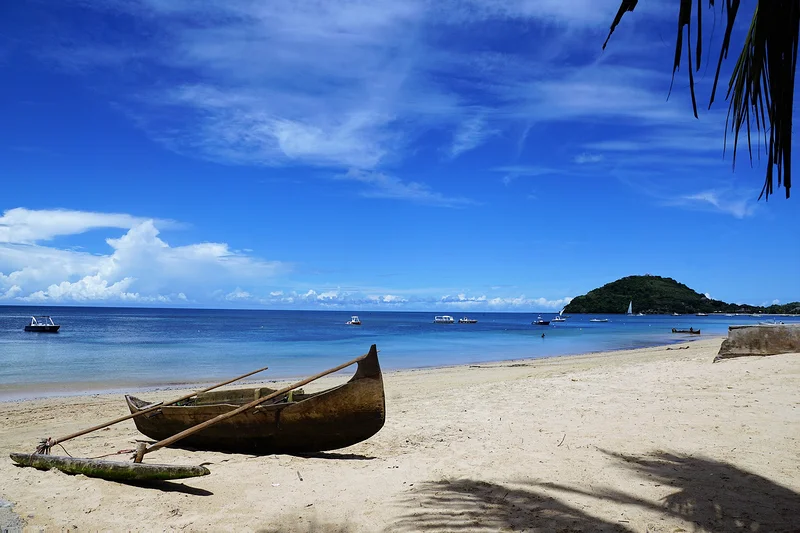
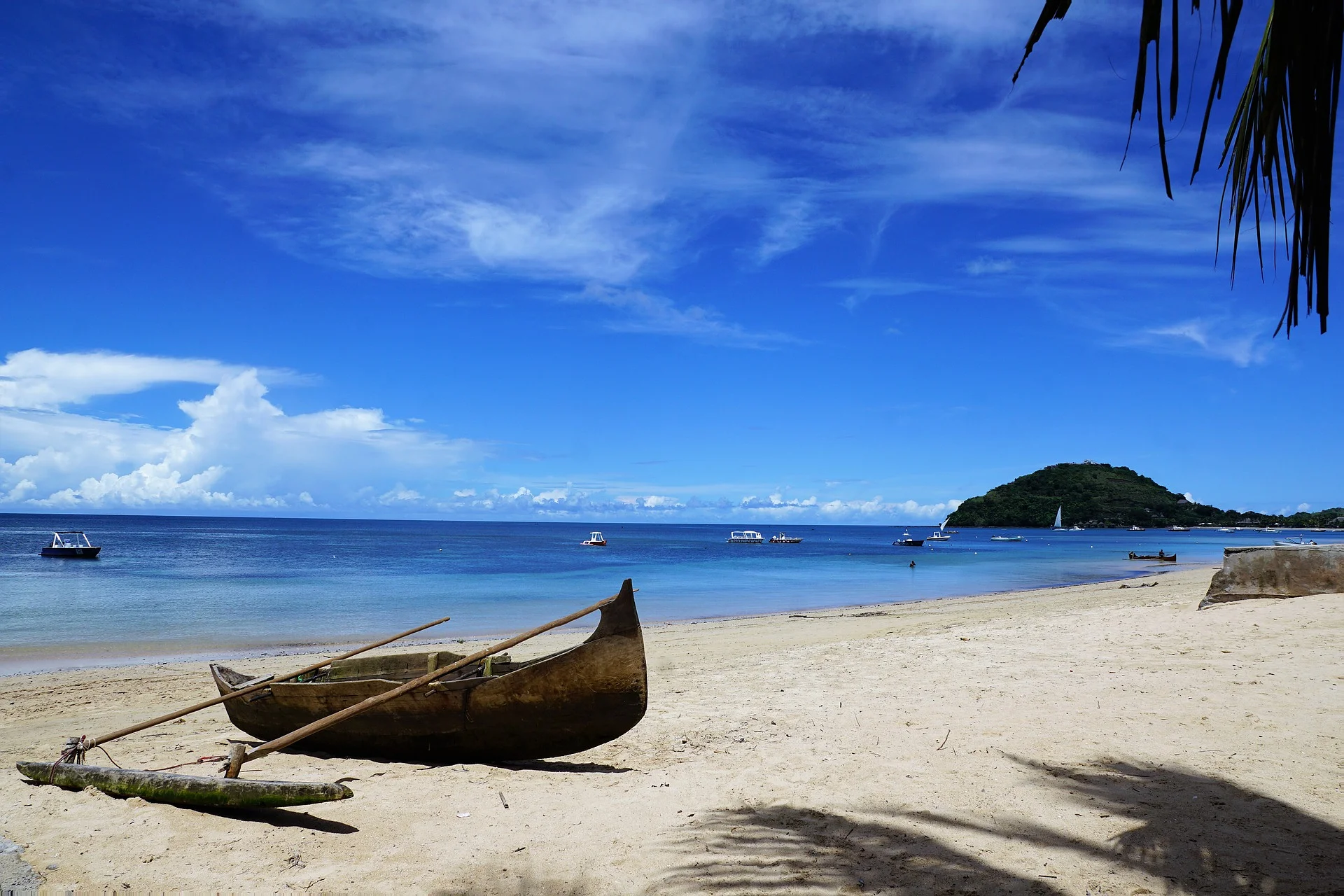
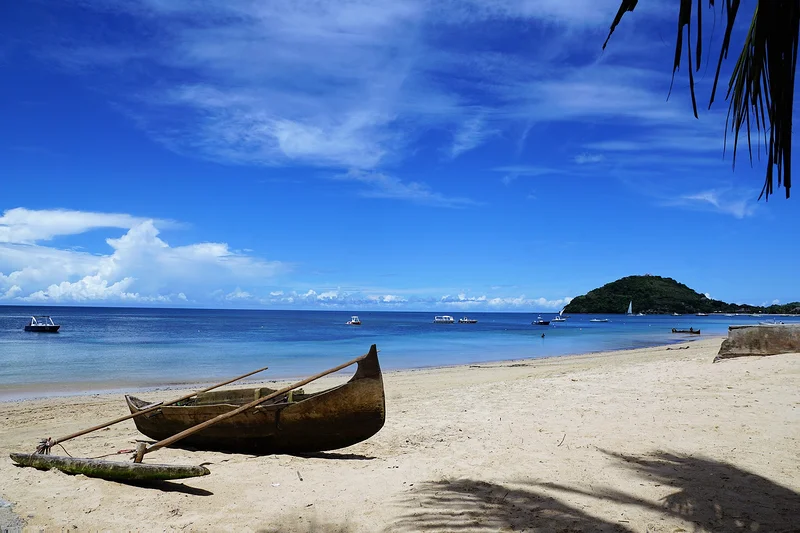
Far from the classic circuits, the fishing village of Anakao, in the southwest, offers deserted beaches and total immersion in Vezo culture. Outrigger canoes set out every morning, and the evening grilled fish comes straight from that day's catch.
The backcountry and the high plateaus
RN7, the national highway connecting Antananarivo to Tulear, cuts across the high plateaus and forms the most traveled route in the country. Over 1000 km, landscapes scroll past: terraced rice paddies, red brick villages, busy markets, eucalyptus forests. The town of Antsirabe, a former colonial spa town, deserves a stop for its artisan workshops and colorful rickshaws.
Further south, Fianarantsoa overlooks Malagasy vineyards. Yes, they make wine here, and Lazan'i Betsileo pleasantly surprises curious palates. The upper old town, with its cobblestone alleys and adobe houses, exudes a vintage charm that few travelers take the time to discover.
Friendly tip: never underestimate travel times. A GPS indicating 4 hours often turns into 6 or 7 hours on Malagasy roads. Leave early, build in buffers, and never drive at night.
Madagascar on the plate: royal rice and leafy greens in majesty
Rice accompanies every Malagasy meal, morning, noon, and night. Romazava, the national dish, combines braised zebu with brèdes, leafy greens with mild pain-relieving properties. Ravitoto, a stew of cassava leaves pounded with pork and sometimes coconut milk, offers deep, comforting flavors. In local roadside diners called hotely, a full meal costs less than $2.30*.
Along the coasts, seafood abounds. Spiny lobsters, giant river prawns, crabs: prices are a fraction of what you would pay back home. Also try koba, a traditional cake made of rice, peanuts, and cane sugar, wrapped in a banana leaf. To wash it all down, THB beer is everywhere, and homemade arranged rum comes in dozens of flavors depending on the region.
When to visit Madagascar?
The dry season, from April to October, offers the best travel conditions. Roads stay passable, temperatures are mild on the high plateaus, and rain is scarce. The months of April-May and September-October combine pleasant warmth with low tourist crowds.
From November to March, the rainy season makes certain tracks impassable, and cyclones threaten the east and north coasts between January and March. The southwest, however, stays accessible year-round thanks to its semi-arid climate. To spot humpback whales in Sainte-Marie, aim for July through September. Nights on the high plateaus can be chilly in July and August, with temperatures sometimes dropping to 5°C: pack warm clothes.
How to get to Madagascar?
No airline flies nonstop from North America to Antananarivo. The usual routing connects in Europe, most often at Paris-CDG, from where the final leg takes about 11 hours. Air France, Corsair, and Madagascar Airlines operate that leg. Fares out of Paris hover between $680 and $1,350* round trip depending on the season, with lower prices in February-March and higher rates in July-August.
Flights with layovers via Addis Ababa, Nairobi, Dubai, or Réunion sometimes offer cheaper alternatives but stretch the trip to 15-20 hours. Ivato airport sits 17 km from downtown Antananarivo. A tourist visa is mandatory, carries a fee, and can be secured online or upon arrival for a 30-day stay.
How to get around Madagascar?
Forget the idea of driving yourself. Car rentals without a driver are practically impossible, and road conditions require local expertise. The standard formula involves renting a 4x4 with a driver-guide, for about $68 to $90* per day excluding fuel. Your driver knows the tracks, negotiates tricky spots, and often turns into a valuable travel companion.
Taxi-brousse, those crowded minibuses linking towns, cost next to nothing but demand patience and resilience. Trips drag on for hours, stops are unpredictable, and comfort remains basic. For long distances, domestic flights with Tsaradia connect Tana to Morondava, Tulear, or Nosy Be in an hour, but fares are high and delays are frequent. Ferries serve the islands, with sometimes choppy crossings.