
Hello everyone!
Polish people have a lovely expression for their autumn: złota polska jesień, meaning "Polish golden autumn". I didn't know it before I left, but I can tell you now that it is entirely earned. I took advantage of a long mid-October weekend to head off to Warsaw: three full days, a small suitcase, and a city that threw me off a bit at first before completely winning me over.
I am warning you right away: I am not just going to tell you what I saw. Above all, I am going to tell you what I wish I had known before leaving. Museum closing days, transit tickets, payment traps, no-store Sundays: in Warsaw, a few practical details make all the difference on such a short trip. And trust me, I discovered some of them a little late (I'll get back to that!!).
How I booked: separate flight and hotel, or a package?
For a long weekend, I usually do things the old-fashioned way: I look for the flight on one side, the hotel on the other, and add them up. That is what I started doing for Warsaw, before comparing with the flight + hotel packages offered by Bourse des Voyages. And I have to admit the math was simple: for a direct flight to Chopin Airport and three nights in a downtown hotel, the package came out a little bit cheaper than my two separate bookings, and everything was paid for all at once. I booked a little over two months in advance, for a bit over 400 € total. For a long weekend in a European capital, I could not ask for much more!
| Flight + hotel booked separately | Flight + hotel package | |
|---|---|---|
| Price for my trip (direct flight, 3 nights, downtown hotel) | About €480 | A little over €400 |
| Booking | Two sites, two payments, two confirmations | One booking, one payment |
| Hotel selection | Totally free | Among the proposed hotels, but the choice was broad |
| My verdict | Useful if you already have a hotel in mind | My choice this time, and I would do it again |
My honest opinion
Before booking, check what's included: checked baggage, hotel breakfast, and the exact location of the hotel. I stayed at a hotel just a short walk from the central station. I recommend staying in this area, near the Royal Route or in the Powiśle neighborhood, as you can pretty much get everywhere on foot.
Just a heads-up, outside of the summer season, prices are generally gentler for this destination. The only downside in October is the All Saints' break, which drives up rates during the final weeks of the month. If you can, head out just before! As for the flight itself, Warsaw is only 2h15 to 2h25 from Paris, and the route is well served year-round.
Watch out for one detail that matters: Warsaw has two airports, and they are not at all the same distance from the center.
| Airport | From Paris | Distance from the center | The easiest way to get to the downtown center | Estimated price |
|---|---|---|---|---|
| Chopin (WAW) | CDG (LOT, Air France), Orly (Wizz Air) | about 8 km | S2 or S3 train from the station under the terminal, about 20 min | 4.40 zł (75-min ticket, zone 1) |
| Modlin (WMI) | Beauvais (Ryanair) | about 40 km | Shuttle + Koleje Mazowieckie train, about 1 h total | {eur:80} (combined ticket) |
Prices noted during my stay: check the carriers' websites before you go, as they change from time to time.
Arriving at Chopin Airport (and yes, the composer was Polish!), I simply took the train that departs right beneath the terminal. In twenty minutes, I was at the central station, just a few minutes on foot from my hotel, for the price of a bus ticket. From Modlin, plan on about an hour instead: a shuttle to the Modlin station, then the train. There are also direct buses (Contbus, around 40 zł, and FlixBus), but forget the old guidebooks that still mention "ModlinBus": it no longer runs.
Heads up
In the arrivals hall, you might run into drivers offering their services a bit too eagerly. Just politely decline. Official taxis wait at the designated stand (about 50 to 65 zł to downtown from Chopin), and Bolt or Uber work really well. From Modlin, a taxi costs over 250 zł, so the train remains by far the best option.
Warsaw at a glance: the ultimate cheat sheet
| Section | Details |
|---|---|
| Ideal duration | 3 days for the highlights, or 4 if you love museums (and Warsaw has plenty of them!) |
| Requirements | Valid ID card or passport for a French citizen |
| Currency | The zloty (zł or PLN). About 4.40 zł for 1 € during my visit |
| Time difference | None |
| Flight from Paris | About 2h15 to 2h25, direct flights year-round |
| Weather in October | Between 5 and 13 °C on average. Sun sets around 5:45 PM in mid-October, around 4:30 PM after the switch to standard time (late October) |
| Budget | Slightly over €400 for my flight + 3-night hotel package, then about €30 to €80 per day on site depending on your comfort level (details below) |
| My favorite | The Royal Castle and its views of Warsaw painted by Canaletto |
| My minor disappointment | Saint John's Cathedral, which is only worth a quick glance as you pass by |
What you need to know before you go
Formalities: nothing complicated
Poland has been part of the European Union since 2004 and the Schengen Area. A valid national identity card or passport is enough. Just so you know, the much-discussed European Entry/Exit System (EES) does not apply to European citizens, so you don't need to do anything. One piece of advice, also given by the Ministry of Foreign Affairs: if your ID card has officially passed its expiration date (even if it is technically "extended" by five years), you're better off traveling with your passport, as it makes checks much smoother.
The zloty, and the trap when paying
Poland is in the European Union, but not the eurozone, so people pay in zlotys. The good news is that credit and debit cards are accepted almost everywhere, including in small bars and for small amounts. I only needed cash to climb a church bell tower (more on that later).
Caution
If a payment terminal or ATM offers to charge you in euros, decline and choose PLN, as the exchange rate is much less favorable. Watch out for non-bank ATMs (like Euronet) and currency exchange booths at the airport or in the old town. Instead, withdraw cash from an ATM attached to a bank.
On Sundays, the shops are closed
Here is something I had no idea about: in Poland, the vast majority of shops are closed on Sundays, except for a few Sundays a year (mostly before Christmas). Żabka convenience stores, pharmacies, bakeries, train station shops, restaurants, and cafés remain open. If you plan on picking up some souvenirs or doing your grocery shopping, plan ahead for Saturday!
Tipping, and the "thank you" that costs a pretty penny
At restaurants, you usually leave around 10% if you liked the service. For reference, a little local quirk was explained to me by a very friendly waiter: if you say dziękuję (thank you) when handing over the bill and your cash, the other person will understand that you are leaving them the change! If you are waiting for your change, save the thank you for the end.
A few local etiquette tips
- Drinking alcohol in the street or in a park is forbidden (usual fine: 100 zł). Even a picnic by the Vistula River happens without beer!
- In churches, respectful clothing and a bit of discretion are required, especially during services.
- A few words go a long way: dzień dobry (hello), dziękuję (thank you), proszę (please, and also "you're welcome"). Younger people very often speak English.
And to wrap things up, a very personal impression: the locals are charming. I got lost more than once and never had the slightest trouble getting pointed in the right direction.
The #1 trap of a 3-day trip: closure days
This is THE piece of advice I wish I had read before leaving. In Warsaw, the major museums do not all close on the same day, and each has its own free admission day. On a three-day trip, getting the day wrong means running the risk of finding the doors locked, or paying full price the day before a free admission day.
| Location | Closed on | Free on | Standard rate | Estimated time |
|---|---|---|---|---|
| Royal Castle | Monday | Wednesday (shortened route) | 60 zł | 2 h |
| Uprising Museum | Tuesday | Thursday | 35 zł | 2.5 hours to 3 hours |
| POLIN (History of Polish Jews) | Tuesday | Thursday | 45 zł | 3 hours minimum |
| National Museum | Monday | Tuesday | 30 zł | 2h |
| Wilanów Palace | Tuesday | Thursday | 70 zł from April to October, 60 zł the rest of the year | 2.5 hours (including the park) |
| Palace on the Isle (Łazienki) | Monday | Friday (ground floor) | 60 zł | 1 h |
| Terrace of the Palace of Culture | Open every day | 30 zł | 45 min | |
| Neon Museum | Open daily | 25 zł | 45 min |
Rates and days recorded during my stay. Holidays, the year-end festive season, or construction work can change these schedules, so check the museum website the day before your visit.
So, how should you plan your three days, you ask? Keep two things in mind:
- Avoid Tuesday for your memorial day: POLIN and the Warsaw Uprising Museum are both closed that day.
- Aim for Thursday for the paid museums: POLIN, the Uprising Museum, and Wilanów are free then. On Monday, focus instead on exploring the Old Town outdoors, the Palace of Culture terrace, and strolls around the city.
My honest opinion
I was there from Thursday to Saturday, and I did my remembrance day on Friday, paying for my tickets when POLIN and the Warsaw Uprising Museum were free the day before. If I had read this table beforehand, I would have swapped my first two days. Free admission draws a crowd, so arrive early and expect a bit of a wait.
The insider tip
If you're heading off in November, check ahead. In recent years, several major royal residences (including the Royal Castle, Wilanów, and Łazienki) have offered free admission during a good part of the month, often with a limited number of tickets available.
Getting around, a simple and really affordable network
For getting around, it is just like everything else: ticket prices are pocket change and the network is fantastic. The metro (two lines, M1 running north to south and M2 running west to east, which cross at Świętokrzyska station), trams, buses, and urban trains all run on the exact same tickets. For a three-day trip, almost everything a visitor cares about is in zone 1, including Chopin Airport.
| Ticket | Validity | Price | Who is this for? |
|---|---|---|---|
| 20 minutes | Zones 1 and 2 | 3,40 zł | A quick one-off trip |
| 75 minutes | Zone 1 | 4,40 zł | Chopin Airport, a connecting journey |
| 24 hours | Zone 1 | 15 zł | A busy day |
| 72 hours | Zone 1 | 36 zł | The right choice for 3 days (about 8 €) |
| Weekend | From Friday 7 PM to Monday 8 AM, zones 1 and 2 | 24 zł | A Friday evening to Sunday getaway |
The great deal
Buy your ticket 72 hours in advance at Chopin Airport, from the station ticket machine (credit cards accepted). It covers the train to the center and all your rides for three days. You can also buy tickets using the Jakdojade app, which doubles as a route planner (just switch it to English in the settings).
Warning: a paper ticket must be validated in the small terminal upon your first boarding. Ticket checks happen and the fine is 266 zł (about 60 €). Ticket machines installed in buses and trams accept credit cards, but during my visit, you couldn't yet just tap your card on board like you do in London. A system like that is in the works, so check locally.
Understanding Warsaw before you get there, a quick trip through history
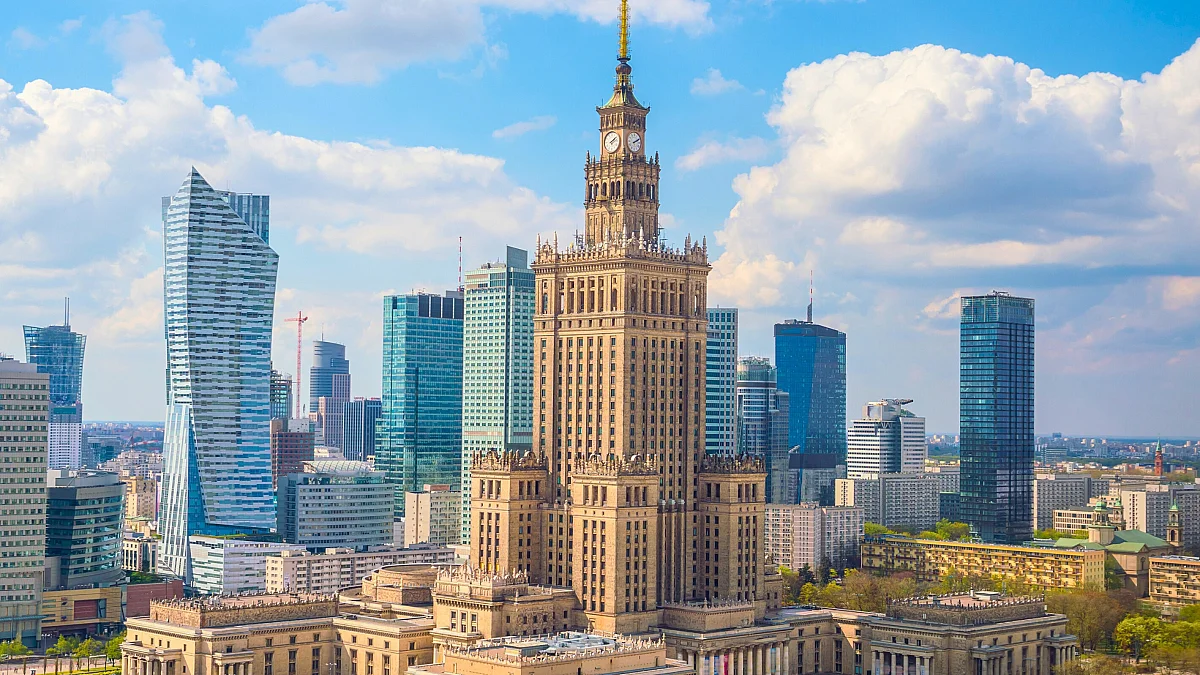 A mix of architectures in Warsaw
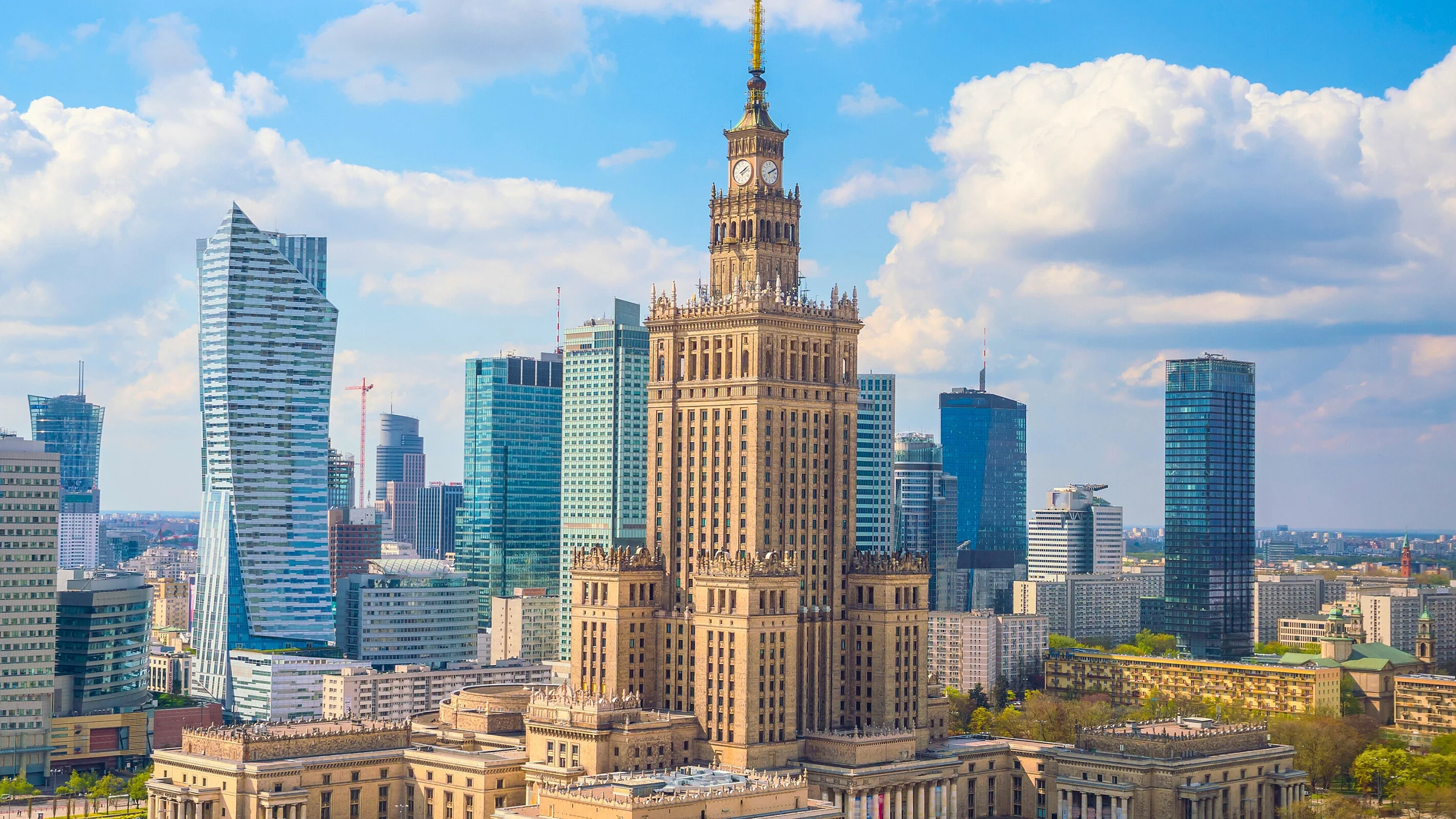
I have to admit I was pretty close to being a bit disappointed upon arrival. Leaving the central station, I thought I'd walk through a modern extension and spot the historic city right behind it. In fact, not at all: wide avenues, glass and steel towers, shopping centers and offices... and, right in the middle of it all, the massive silhouette of the Palace of Culture.
To understand this surprising mix, you have to go back to 1944. After the failure of the Warsaw Uprising, the German occupiers methodically destroyed the city. Over 85% of the historic center was razed. The people of Warsaw then rebuilt everything, stone by stone, relying on archives, blueprints, photos... and even paintings, as you'll see at the Royal Castle. The result is so exceptional that the Old Town was added to the UNESCO World Heritage list in 1980, precisely because of this reconstruction.
FYI, the Praga district, on the other bank of the Vistula, made it through the war much better. That's where you'll find the most authentic pre-war buildings, with their inner courtyards and slightly weathered facades.
Once past the "shock," I must confess the city is very pleasant to live in. Even though the capital is bursting with activity, the urban planning offers a sense of space and freedom I hadn't felt anywhere else yet, certainly not in France... The avenues are wide and lined with trees, parks are plentiful, and in October, with the leaves turning yellow and reddish brown, it feels amazing to find that right in the middle of the city.
Day 1: the Old Town and the Royal Way
Where to start, you might ask? Well, with the historic core, obviously. On weekday mornings, it's not very crowded, and the low autumn light washing over the colorful facades of the Market Square is gorgeous.
Market Square and the old town's winding streets, not to be missed
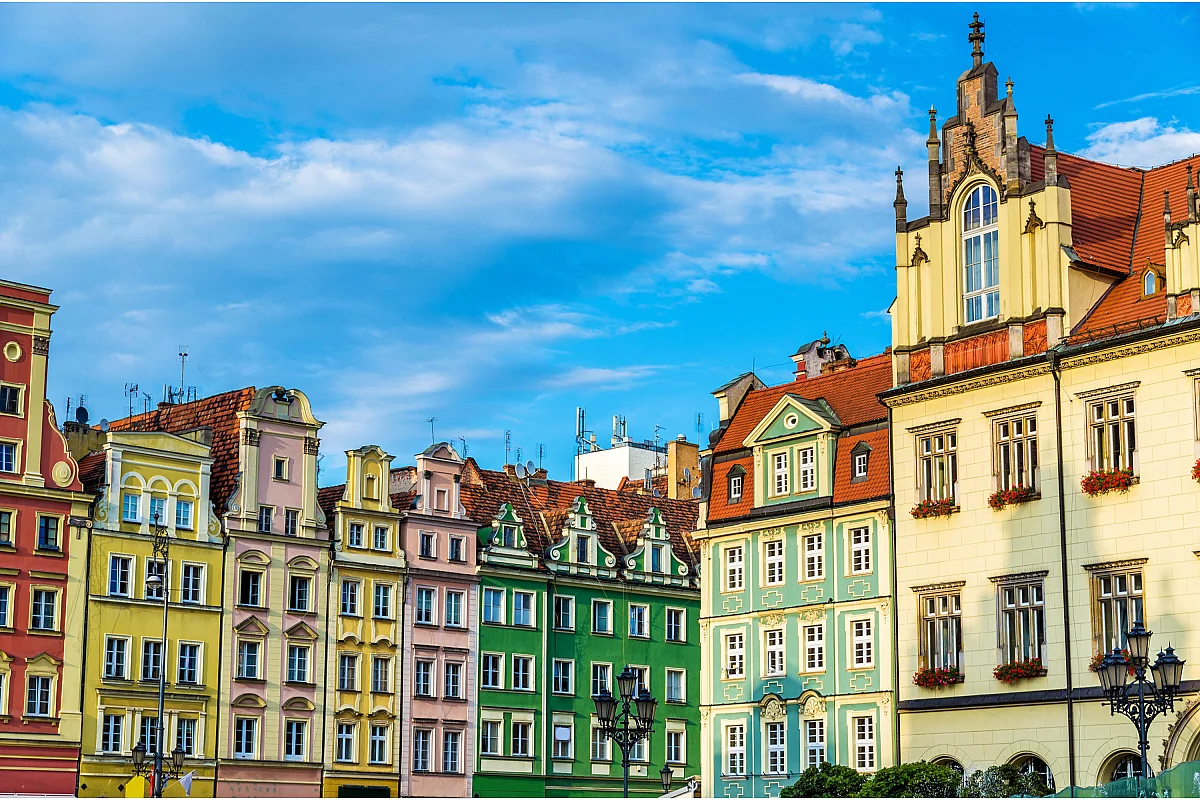 Warsaw Market Square
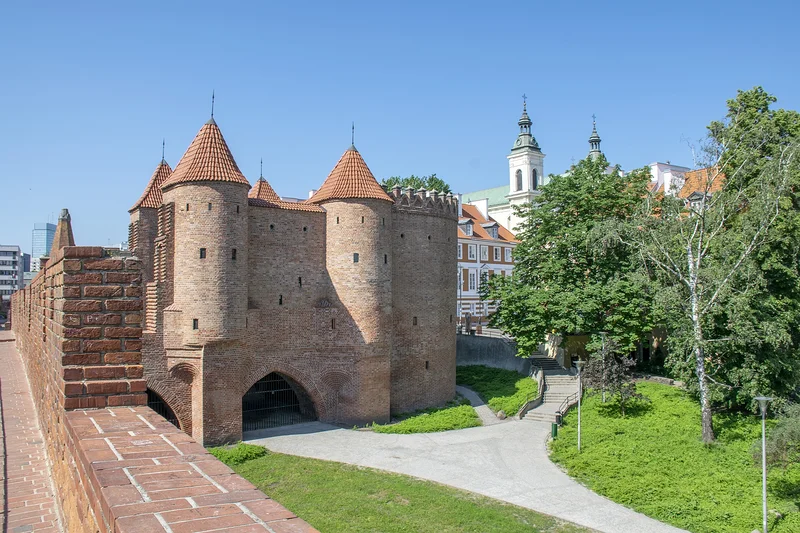
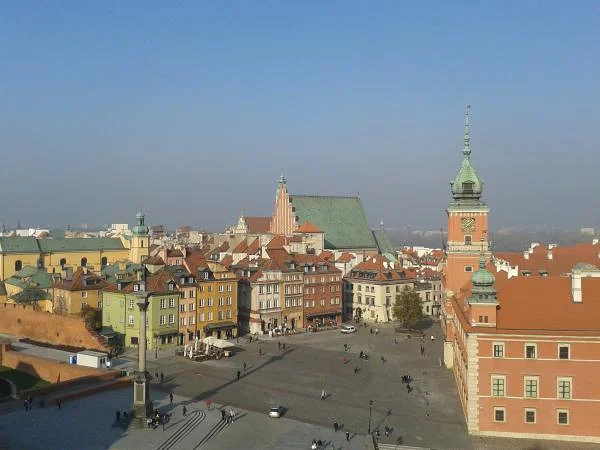
Wander without a set plan between Market Square (Rynek Starego Miasta), its mermaid, symbol of the city, and the walls of the Barbican. When you know that everything you see was rebuilt after 1945, you look at every facade with a different perspective. Allow 1 h 30 - 2 h if you are taking your time.
Heads up
The terraces on the marketplace are the most expensive in town, for food that is not always up to par. Go grab lunch two or three streets over, or follow my tips below.
Saint John's Cathedral, a single glance is enough
Don't waste time going to see Saint-Jean Cathedral in detail. To be completely honest, it's a reconstruction that gets close to the original Gothic style, but in my opinion, it's not worth more than a quick glance as you walk by. Save your energy for the castle right next door.
The Royal Château: my favorite, well worth a visit
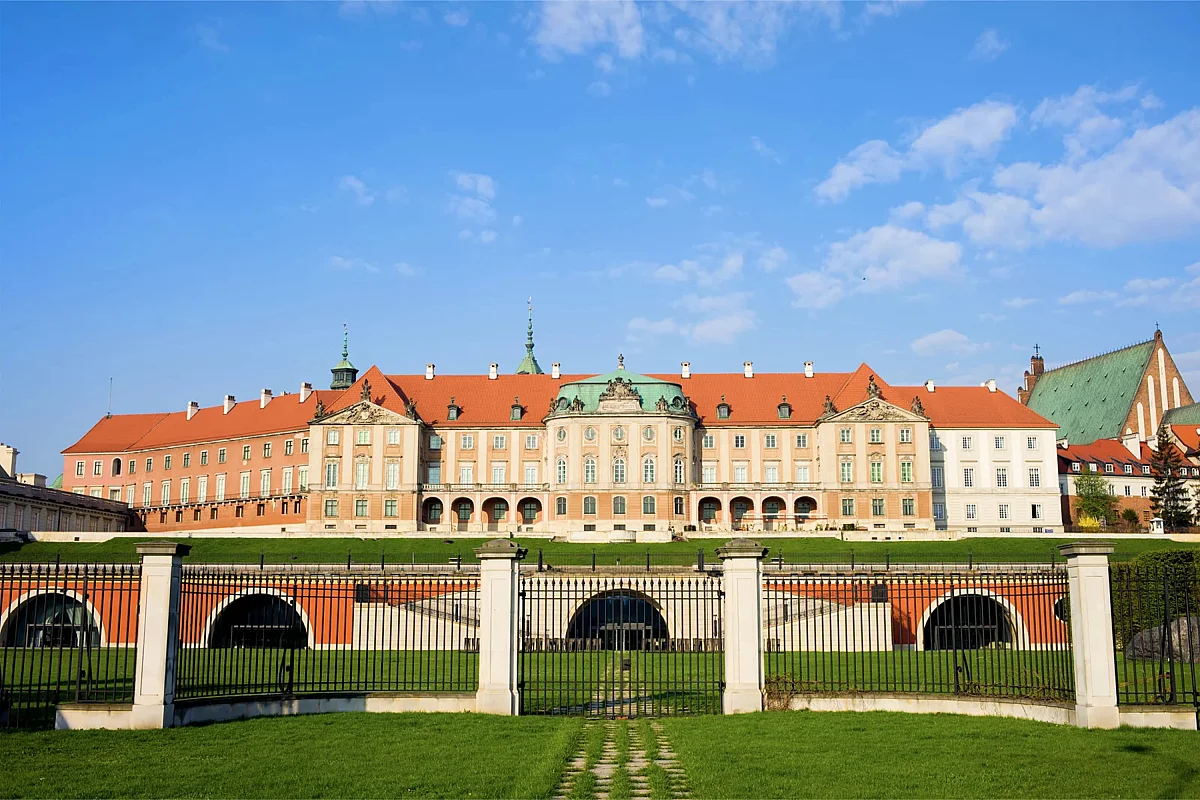 Royal Castle in Warsaw
The Poles rebuilt their former royal castle (Zamek Królewski), and the result is so successful that you forget the work was only finished in 1984... The interior houses numerous works saved from the old castle. Inside, you can discover the Throne Room, the Senators' Room where the Constitution of May 3, 1791 (Europe's first modern constitution) was adopted, and two paintings by Rembrandt: Girl in a Picture Frame, also called The Jewish Fiancée, and Scholar at His Desk.
But the room that left the biggest impression on me is the Canaletto Room, featuring 22 views of Warsaw painted in the 18th century by Bernardo Bellotto, known as Canaletto (the nephew of the famous Venetian painter).
For your info
These incredibly detailed paintings served as models for the architects who rebuilt the city after the war. Take a close look at them, then head back out to Castle Square, and you will recognize some of the facades. It gave me shivers.
Plan on about 2 hours and 60 zł for the main tour (audioguide included). The castle is closed on Mondays and free on Wednesdays, though on a shortened route that doesn't include all the rooms, including the Senators' Room.
The Sainte-Anne bell tower, for the calves
Just past the edge of Castle Square, the bell tower of Saint Anne's Church offers one of the prettiest views over the old town and the Vistula River. A hundred steps, about 10 zł, and one tip: bring a few zlotys in cash, as they don't take cards here. It was my only cash payment of the entire trip!
The Royal Route, from Krakowskie Przedmieście to Nowy Świat
In the afternoon, walk down the Royal Way, the elegant main avenue running south from the castle: palaces, churches, universities and cafes follow one after another. Stop by Holy Cross Church, where a pillar holds the heart of Frédéric Chopin, brought back from Paris by his sister after his death. Then continue onto Nowy Świat, the most lively shopping street in the center. If your legs start complaining, buses 116, 175 and 180 run along the avenue.
The Palace of Culture and Science: impossible to miss!
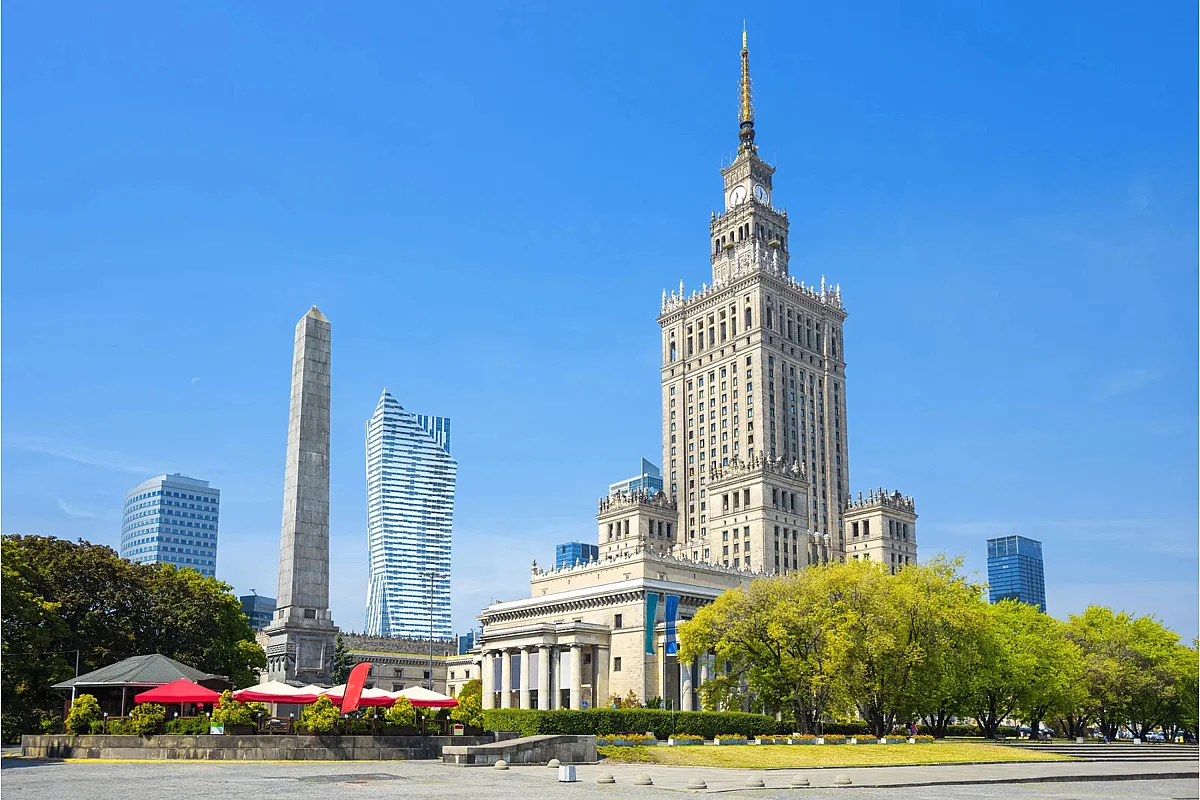 Palace of Culture and Science in Warsaw
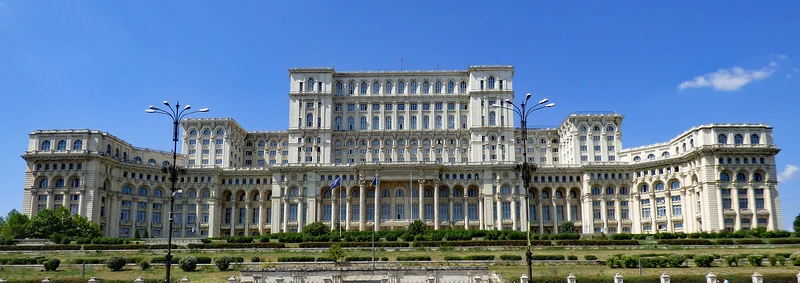
At the end of the day, head over to the Palace of Culture and Science. This "gift" from Stalin, completed in 1955, dominates the entire downtown area, and standing at 237 metres (including the spire), you simply cannot miss it! Head up to the terrace on the 30th floor (114 metres, 30 zł, open daily until 8:00 PM) a little before sunset. In mid-October, the sun sets shortly before 6:00 PM (and around 4:30 PM once daylight saving time ends in late October), and watching the city transition from golden hour to the first lights of the night is well worth checking out.
As a heads-up, the Neon Museum, which collects vintage illuminated signs from the communist era, recently left Praga to set up shop on the 4th floor of this very same palace. I combined both visits, and once night falls, they pair together wonderfully!
Day 2, the memory of Warsaw
This second day is more solemn. Yet it is essential for understanding the city. My advice: do not try to rush through everything at a run, these visits take time and leave a mark.
The Ghetto Heroes Monument and POLIN: absolute must-sees
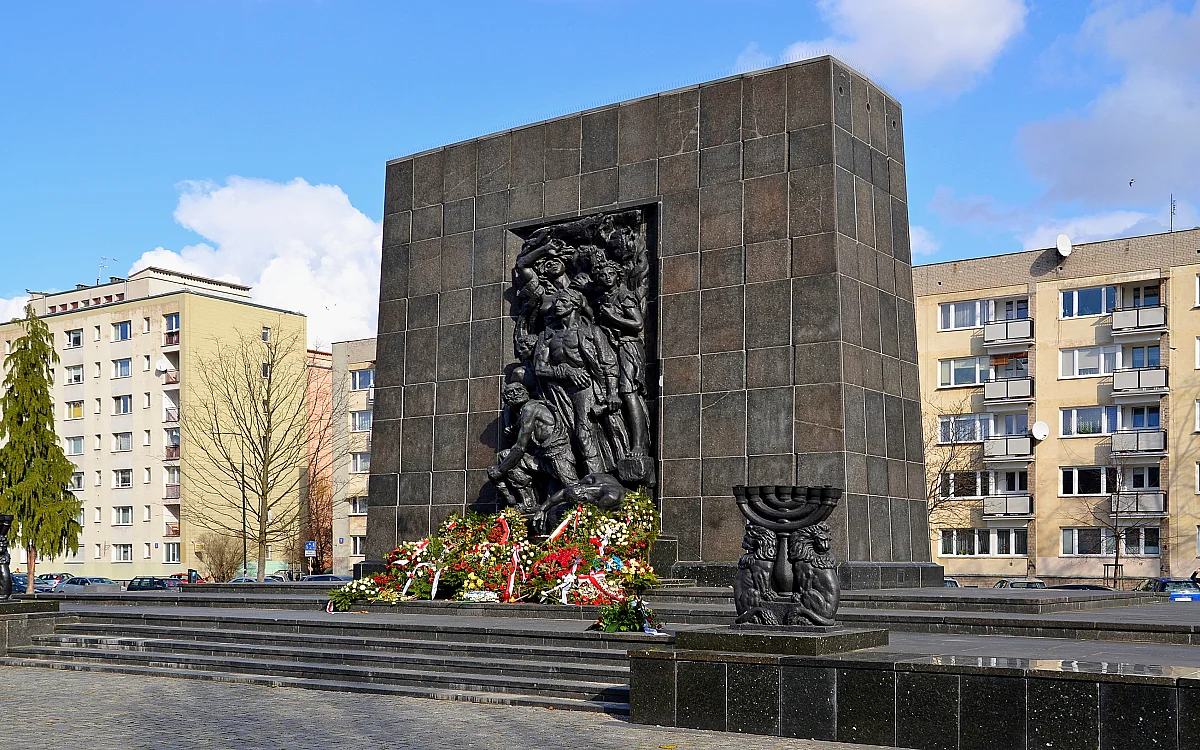 Ghetto Heroes Monument (photo by Pudelek)
As you wander around, head over to the Muranów neighborhood, located right where the former ghetto used to be. The Monument to the Ghetto Heroes, unveiled in 1948, pays tribute to the Jewish fighters of the April 1943 uprising.
For your info
It is in front of this monument that in December 1970, West German Chancellor Willy Brandt knelt in silence. A famous gesture that played a major role in the reconciliation between Germany and Poland.
Right across the street is POLIN, the Museum of the History of Polish Jews, housed in a stunning contemporary building. The exhibition traces a thousand years of Jewish presence in Poland, reaching far beyond the Holocaust alone. I had only planned for two hours, but I ended up spending almost four, so give yourself plenty of time. Regular admission is 45 zł (audio guide included), it is closed on Tuesdays, admission is free on Thursdays, and I recommend booking online.
A little further north, on Stawki Street, a more somber monument marks the Umschlagplatz, from where transports departed for the Treblinka camp. You can walk through in ten minutes, but it is not something you forget.
The Warsaw Uprising Museum: worth a visit
In the afternoon, hop on the tram or subway heading west to the Warsaw Uprising Museum. Housed in the former tram power station, it tells the story of the 63 days of the 1944 uprising through extensive documents, personal accounts, and a deeply immersive setup. Plan for 2.5 to 3 hours, 35 zł, and keep in mind that it is closed on Tuesdays and free on Thursdays.
From the top of the museum tower, you'll get a great view of Warsaw and Freedom Park. It is bordered by the Wall of Memory, where the names of roughly ten thousand insurgents who died during those events are engraved... You can't help but pause there for a moment.
My honest opinion
Tackling POLIN and the Warsaw Uprising Museum in the same day is intense. I came out of it a bit dazed. If you are sensitive, save one of the two for day 3 and squeeze in some fresh air and a walk in between.
In the evening: the city seen from above, modern version
To end the day on a lighter note, I wanted to see the contrast with today's Warsaw. The Varso Tower, which stands at 310 metres (it's the tallest skyscraper in the European Union), features an observation deck on the 53rd floor, at 230 metres. Tickets are booked by time slot and the price varies depending on the timing (expect around 45 zł to start). The night view is spectacular, and up there you can truly measure how far this city has come since 1945.
Day 3: breathers of fresh air, from royal parks to Praga
Wilanów Palace: the "Polish Versailles"
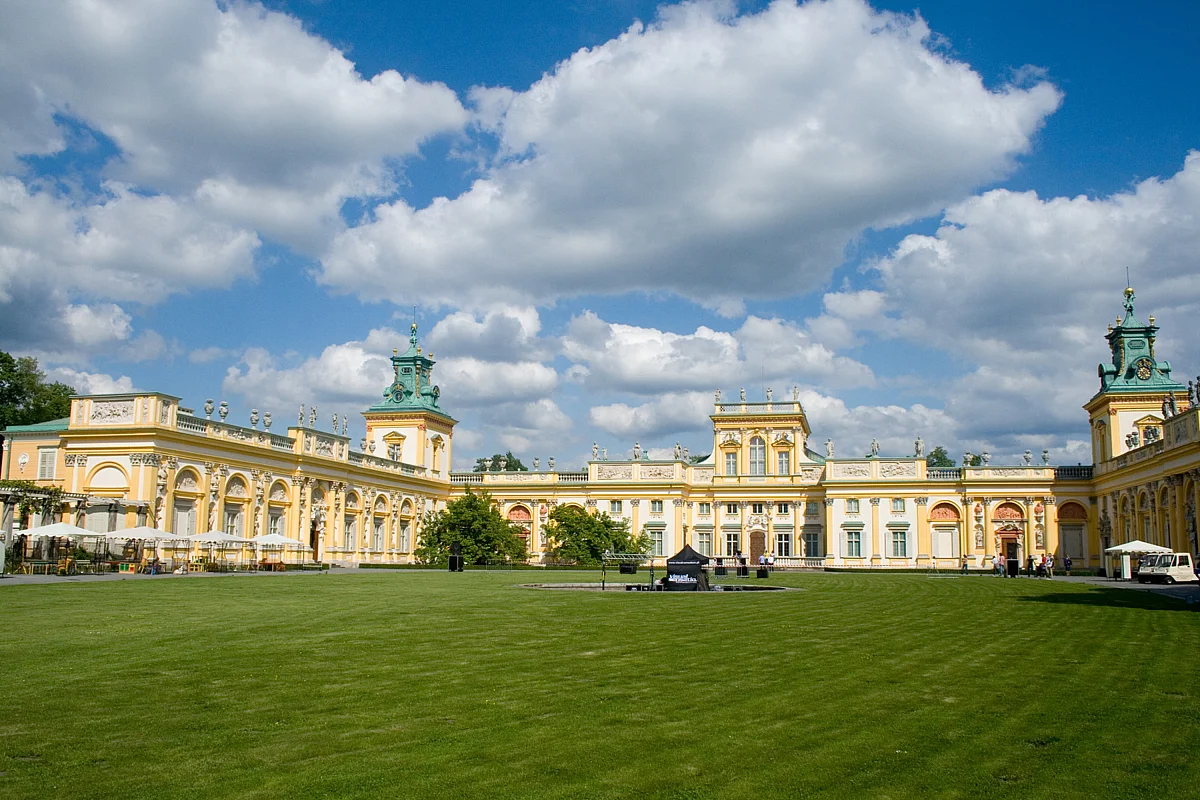 Wilanów Palace
Start with the furthest one and head out early. Wilanów is about ten kilometres from the centre, so figure on 30 to 45 minutes by bus (routes 116 or 180 from the Royal Way, for example). This is the residence of King John III Sobieski, who defeated the Turks outside Vienna in 1683. It is a magnificent Baroque palace built at the end of the 17th century, and it was one of the rare major buildings in Warsaw to survive the war.
In the park, you can stroll through gardens of various styles and take some lovely photos, provided the sun makes an appearance. In October, the trimmed trees and flower beds take on gorgeous shades. Keep in mind that hours get shorter in the fall, and starting in mid-October, the park closes at 4 PM. Arriving right when the palace opens at 10 PM, I was able to see everything without rushing. Full price is 70 zł until the end of October (60 zł after that), closed on Tuesdays, and free on Thursdays.
Warning
Sometimes Wilanów Palace closes for several weeks in the middle of winter, around the holidays and in January. If you go during that time, check the dates on their website before building your itinerary around this visit!
Łazienki Park: worth a visit, especially in autumn
On your way back, get off the bus at the Łazienki Królewskie stop, since lines 116 and 180 stop right there. Admission to the royal park is free, and in October, with its pathways covered in golden leaves and friendly squirrels that practically eat right out of your hand, it has an incredible charm. That is when I finally understood the expression "Polish golden autumn"! You can tour the small Palace on the Isle, set right on the water (60 zł, closed on Mondays, ground floor free on Fridays). You will also pass the large Chopin monument, which is quite silent this time of year (I will come back to that).
The rooftop garden of the university library, a great free spot
Back in the center, take a detour through the Powiśle neighborhood and its university library (BUW). Its roof has been transformed into a large rooftop garden, accessible for free, with stunning views of the Vistula River and its bridges. In October, it closes around 6 PM, just in time to watch the sunset. Take advantage of it if you visit before the end of the month, as the roof is normally only open from April to the end of October, and the rest of the year, only the lower garden remains accessible.
The banks of the Vistula
Those who want to enjoy the banks of the Vistula won't be disappointed. On the center side, right at the foot of the library, the landscaped waterfront boulevards are perfect for walking. But it's the opposite bank that surprised me the most, keeping an almost wild feel with beaches and vegetation left as natural as possible. In October, the beach bars gradually close down and you'll mostly just cross paths with walkers and joggers, but the view of the Old Town across the water at sunset is well worth a look.
Prague in the late afternoon: pre-war Warsaw
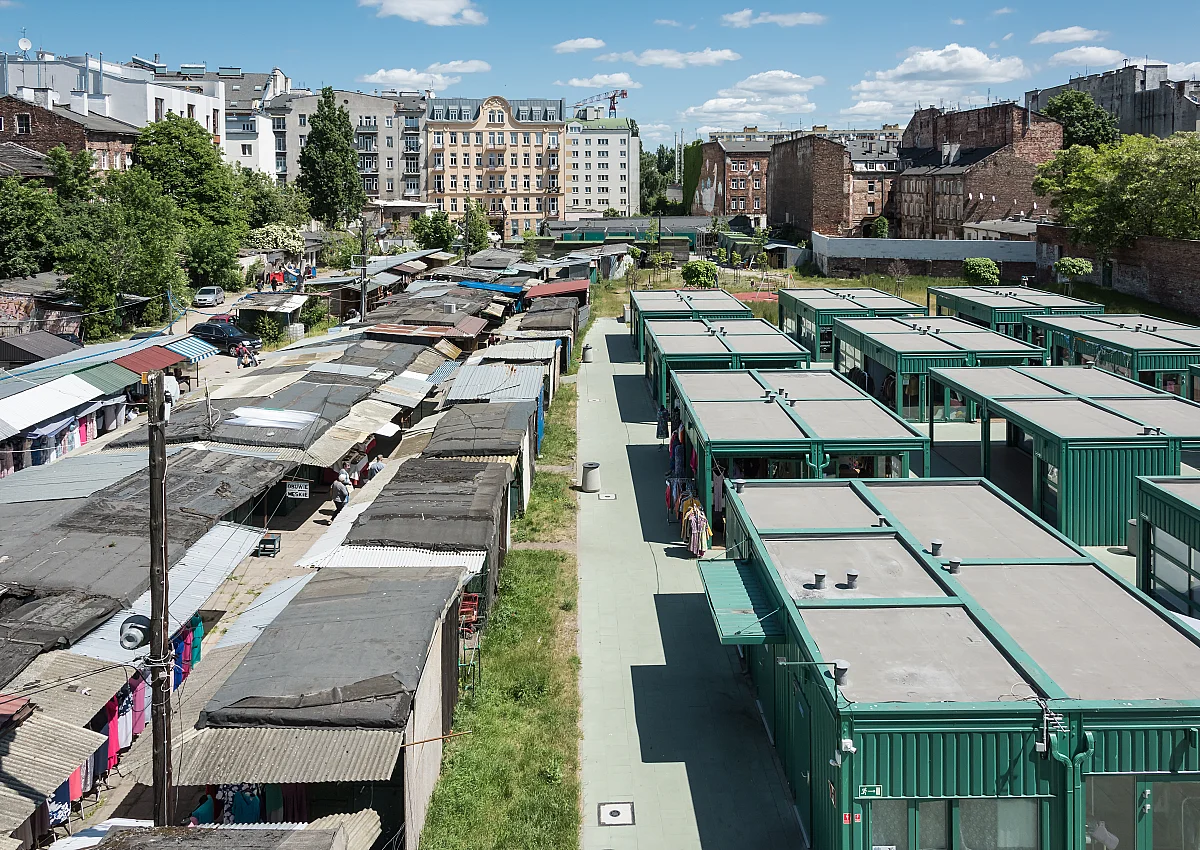 Różycki Bazaar, Praga neighborhood (photo by Adrian Grycuk)
To finish, cross the bridge and go wander around Praga. Around Ząbkowska Street and the former Koneser distillery, which has been turned into a restaurant and bar district (you will even find a vodka museum there), you will discover a very different vibe from downtown: crumbling facades, inner courtyards, street art, and small bars. It is the neighborhood that made me want to come back the most.
Eating in Warsaw: from 25 zł at a milk bar to fine dining
Since the cost of living is lower than in France, go ahead and treat yourself, especially at restaurants, which I found to be consistently excellent.
The bar mleczny, an absolute must-try institution
The bar mleczny, or "milk bar," is a popular canteen inherited from the communist era and subsidized for a long time. The setup is simple: you order at the counter (the menu is often only in Polish, so don't be shy about pointing), wait for your dish to be called, and return your tray when you leave. No alcohol is served, and most of them close early in the evening.
Expect to pay between 15 and 25 zł for a main course. I had a soup and a plate of pierogi for less than 6 €, which is unbeatable! Among the best known are Bar Prasowy (Marszałkowska Street, open since 1956) and Bar Bambino (Krucza Street).
Local specialties to try
- Pierogi: stuffed dumplings, with the most classic being ruskie (potato and farmer's cheese).
- Żurek: a sour rye soup, often served with sausage and egg. Perfect when the autumn wind picks up.
- Pączki: filled donuts, my end-of-day reward.
- Wuzetka: a chocolate and cream cake, typically from Warsaw.
Great deal
For a dinner where everyone finds something they love, head to Hala Koszyki, a renovated old market hall that brings together a multitude of food counters (Polish, Italian, Asian...) around large communal tables. The atmosphere is very lively in the evening. Arrive before 7:00 PM on weekends if you want to get a seat!
How much does a 3-day trip to Warsaw cost?
For flights and hotel, my package cost me a little over 400 € for three nights (see above). Here is what I spent while there, rounded and updated with the prices I noted during my stay.
| Post | Tight budget | Comfort | My tip |
|---|---|---|---|
| Transfers (3 days) | 36 zł (around €8) | 36 zł + a few ridesharing trips | The 72-hour ticket also covers Chopin Airport |
| Meals (per day) | Milk bar, about {eur:60}-{eur:80} ({eur:14}-{eur:18}) | Restaurants, about 150 to 250 zł (35 to 57 €) | Hearty breakfast at the milk bar, light dinner |
| Sightseeing (3 days) | About 100 zł if you aim for the free days | About 300 zł (about 68 €) | Fit in POLIN, the Uprising, and Wilanów on a Thursday |
Once your flight and hotel are paid for, expect around 30 € per day on the ground if you travel smart, and around 80 € per day if you treat yourself to restaurants. For a European capital, that is really reasonable.
What I'm saving for next time
When I told you that three days wasn't quite enough... Here is what I didn't get to do, and which would have been totally worth it if I'd had the time (or if I'd come during a different season!):
- The Chopin Museum: it was closed for major renovations when I visited, with a reopening scheduled for the beginning of the following year. This is my biggest regret. Check if it's open before you go, and let me know all about it!
- The free Chopin concerts at the foot of his monument in Łazienki Park: they take place on Sundays during the warm season only, and generally stop in early September. Missed it by a few weeks...
- The Vistula River beaches in summer, when the whole city comes alive along the water.
- The National Museum, which is free on Tuesdays, and which I only caught a glimpse of from the outside.
Your questions about Warsaw (FAQ)
Are three days enough to visit Warsaw?
Yes, essentially: the Old Town and the Royal Castle, the two major memorial museums, Łazienki, Wilanów, and Praga. If you like taking your time in museums, add a fourth day.
When is the best time to visit Warsaw?
From May to September to enjoy life along the Vistula and outdoor concerts. But I really recommend early autumn: still mild temperatures (between 5 and 13 °C in October), gorgeous parks, fewer crowds, and cheaper stays. Winter has its charm too, as long as you bundle up.
Can you pay in euros in Warsaw?
Rarely, and always at a bad rate. Pay in zlotys, preferably by card, and refuse any currency conversion into euros offered by a terminal or ATM.
Is Warsaw a safe city?
I felt completely safe there, including in the evening. The usual precautions are enough: watch your belongings on crowded transit, beware of bar touts and unofficial taxis. In case of emergency, dial 112. Up-to-date advice is available on the Ministry of Foreign Affairs website (diplomatie.gouv.fr).
Are museums closed on Mondays in Warsaw?
Not all of them! The Royal Castle, the National Museum, and the Palace on the Isle are closed on Mondays, but POLIN, the Warsaw Uprising Museum, and Wilanów close on Tuesdays. Check the table above to plan your days.
Which airport should you choose to get to Warsaw?
Chopin Airport, about 8 km away, is by far the most convenient: twenty minutes by train for 4,40 zł. Modlin, about 40 km away, can be worth it if the fare is significantly cheaper, but expect an extra hour of travel each way.
Are shops open on Sundays?
No, for the most part. Only a few Sundays a year are "commercial", mostly before Christmas. Restaurants, cafes, Żabka convenience stores and pharmacies, however, stay open.
Warsaw or Krakow for a first trip to Poland?
These are two very different experiences: Kraków has kept its medieval center intact, while Warsaw tells the story of the destruction and rebirth of a modern capital. To understand modern Poland, Warsaw is fascinating. And if you have time, the two cities are connected by an express train in about 2 h 30.
Final thoughts
If I have one regret, it would be planning my days before checking free admission days, and ending up right during the Chopin Museum closure. No big deal, though, it gives me two great reasons to come back, ideally on a summer Sunday to catch a Chopin concert in Łazienki Park.
Because despite the tragic memories it carries, Warsaw remains a capital where life is good today. For once, I could even picture myself settling down here. Go ahead, and take the time to let it surprise you!
Enjoy your visit!

Comments (0)
No comments yet. Be the first!