
Museum of Romanity: Nimes in dialogue with its Roman past
Morning light filters through the 7,000 silk-screened glass louvers of the facade, casting shifting patterns across the floor like a living mosaic. Facing the two-millennium-old arenas, this building inaugurated in 2018 makes its ambition clear: creating a visible bridge between two eras separated by twenty centuries.
Why visit the Museum of Romanity?
The museum was born from a singular discovery. In 2007, preventive excavations on avenue Jean-Jaurès unearthed two mosaics from the 2nd century in remarkable condition. Experts classified them as the finest pieces discovered in Gaul since those found in Pompeii. The Pentheus mosaic, which depicts the King of Thebes murdered by his own mother while under the influence of Dionysus, stands as a unique document across the former territory of Gallia Narbonensis.
Architect Elizabeth de Portzamparc designed a structure worthy of these treasures: an undulating facade evoking the folds of a Roman toga, providing a stark contrast to the heavy stone mass of the adjacent arenas. The design is polarizing, but it never fails to spark a reaction.
A collection spanning 25 centuries
The tour begins in the atrium, where a spectacular reconstructed pediment from a propylon towers 15 meters above. This monumental piece comes from the sanctuary of the spring that gave birth to the city, back when the Volques Arecomiques Gallic tribe celebrated the god Nemausus.
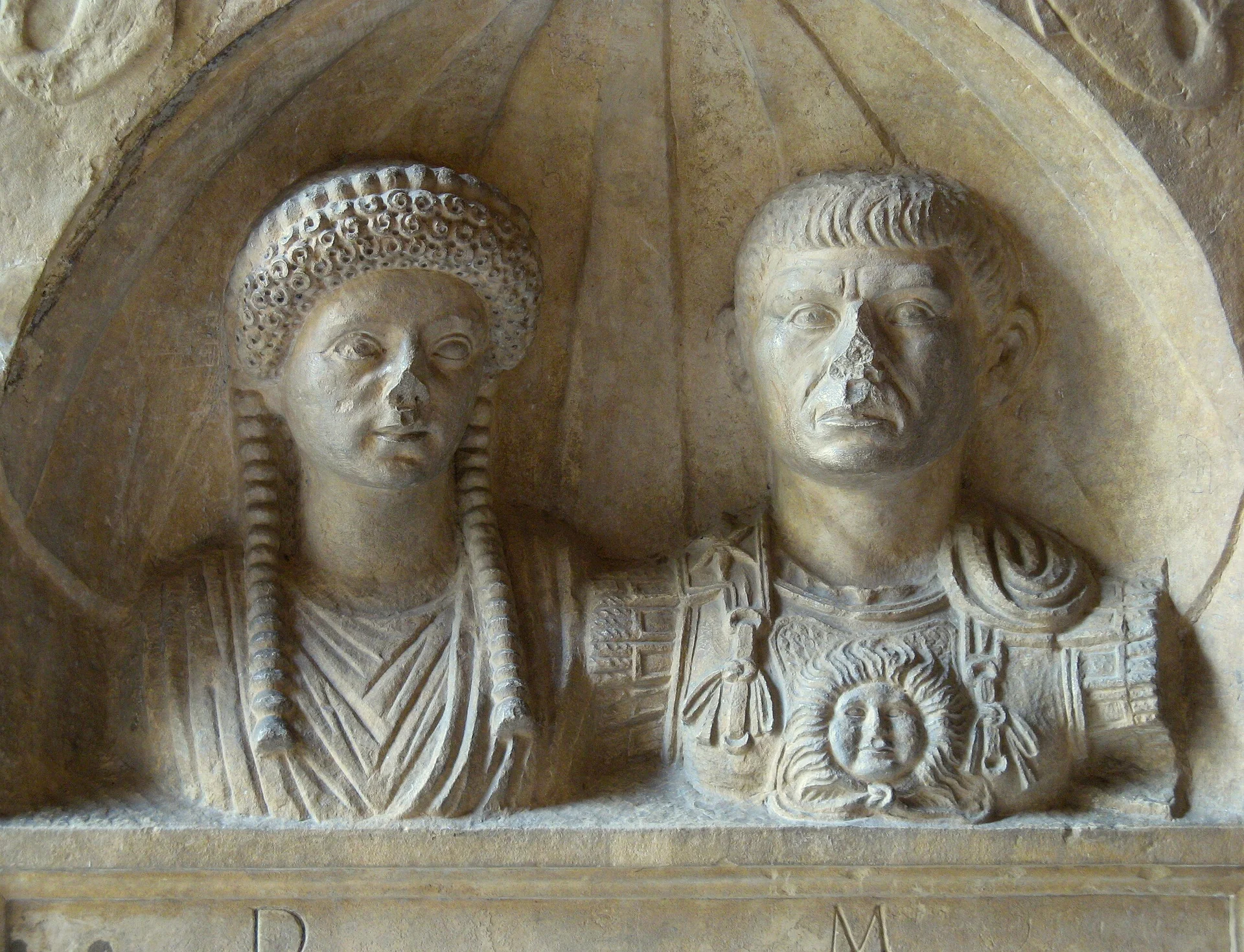
A double-helix staircase then leads visitors through the ages. The Gallo-Roman section gathers the most impressive pieces: mosaics with preserved colors, statues of deities, delicate glassware, and everyday objects that recount the lives of the inhabitants of Nemausus two millennia ago. Reconstructions of rooms from the Domus Villa Roma offer a concrete look at Roman domestic life.
Highlights you should not miss
- The 35-square-meter Pentheus mosaic, complemented by projections that restore its original context.
- The collection of Roman coins, displayed with magnifying glasses to appreciate the fine detail.
- The 19th-century cork models reproducing the Roman monuments of Nimes and Rome.
- The reclining limestone portrait of Silenus, dated to the 2nd century.
An immersive museography
Sixty-five multimedia displays line the route. Monumental projections bring select archaeological pieces to life. Interactive maps allow visitors to visualize the evolution of Nimes over the centuries. Augmented reality overlays virtual reconstructions onto the exposed ruins. This tech-heavy approach may surprise purists, but it makes archaeology accessible to younger visitors and beginners alike.
The tour continues into the Middle Ages with a smaller collection, though it effectively illustrates the city's transformation, specifically the period when the arenas were converted into a fortress housing both homes and a place of worship.
The rooftop terrace and archaeological garden
The rooftop offers a 360-degree view of the city. The arenas spread out below, the Maison Carrée is visible in the distance, and the Tour Magne dominates the hills. It is the ideal vantage point to understand the geography of ancient Nimes. Access to this terrace is free, even without a museum ticket.
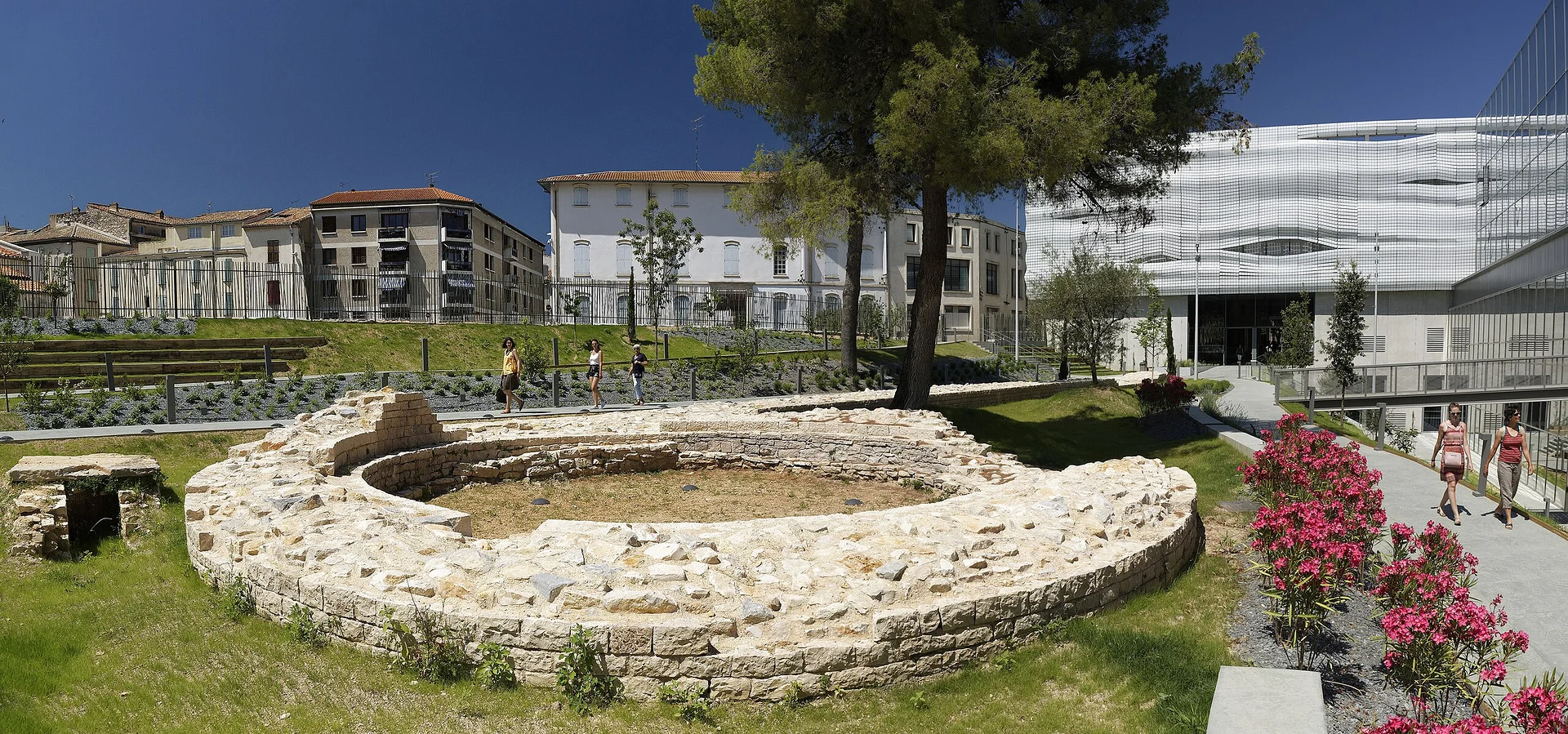
Behind the building, a 3,500-square-meter Mediterranean garden extends the visit outdoors. It preserves a remnant of the Augustan rampart and features vegetation organized according to the major historical periods represented in the museum.
Friendly tip: Plan your visit for the first Sunday of the month to enjoy free admission. The panoramic restaurant La Table du 2, featuring a menu designed by Michelin-starred chef Franck Putelat, offers a lunch menu at an accessible price point with a direct view of the arenas.
Opening hours
*Information subject to change

If you only visit one museum in Nîmes, I really recommend this one. This modern architectural building located right near the arenas is packed with historical treasures. Vases, models, statues, and sumptuous mosaics line the path. I really loved the reconstructions that immersed me in Roman antiquity, as well as the interactive maps and 3D projections that make the represented era feel very realistic. Plus, the view of Nîmes from the rooftop terrace is sublime. Plan on a good two hours for the visit.