Visiting Colombia: Urban Chaos and Off-the-Radar Escapes
Colombia is the kind of place where Bogotá skyscrapers share a skyline with cloud forest, where cartel headlines still run in the news while travelers sip exceptional single-origin coffee in colonial villages that look frozen in another century.
Colombia polarizes, fascinates, and genuinely changes people who give it a real shot. The reality behind the reputation is layered: extraordinary landscapes, some of the warmest people you'll meet anywhere in Latin America, but also stark inequality and zones that are still genuinely unsafe.
Is This the Right Trip for You?
If you're looking for an all-inclusive resort vacation, Colombia isn't your answer. This country rewards curious travelers who can roll with the unexpected, including late buses, patchy infrastructure, and the occasional uncomfortable moment. It's a great fit for soft-adventure seekers, Latin culture enthusiasts, and anyone who wants raw nature without a theme-park wrapper.
A few honest caveats: some regions are still flagged as unsafe, tourist infrastructure varies wildly by area, and if you don't speak any Spanish, day-to-day interactions can get genuinely tricky outside the main tourist corridors.
Expect your assumptions to get challenged. Colombia doesn't open up immediately, but travelers who invest the time to understand it tend to leave with a fundamentally different perspective.
Is It Safe to Travel in Colombia?
Colombia has made real security gains over the past two decades, but common-sense precautions still matter. The main tourist cities, Cartagena, Medellín, and Bogotá, are broadly manageable if you stay out of the outer peripheral neighborhoods and follow basic habits: don't flash expensive jewelry or gear, use official taxis or app-based rides, and avoid walking alone late at night in unfamiliar areas.
Certain rural regions remain flagged as high-risk by the US State Department, particularly some border zones and areas that were former FARC strongholds. The standard tourist circuit, however, doesn't run through those zones. The main threat on the tourist trail is petty theft, which is very manageable with normal situational awareness.
Bogotá and Medellín: The Pulse of Urban Colombia
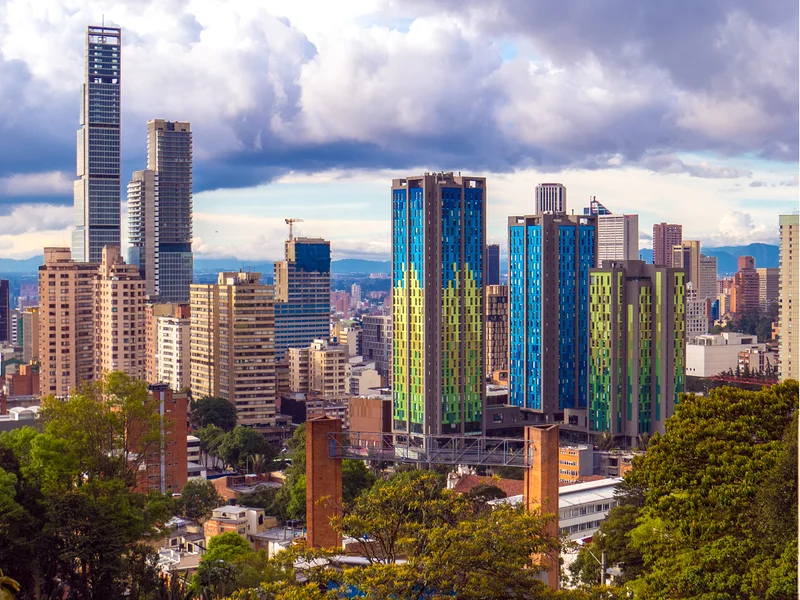
Sitting at 8,500 feet above sea level, Bogotá hits you the moment you land. This city of 8 million swings between the upscale restaurants of the Zona Rosa and the sprawling informal settlements on its edges. The historic center of La Candelaria layers colonial architecture with some of the best street art you'll see anywhere in South America. Fair warning: altitude sickness is real here, expect headaches for the first day or two, and the city's air pollution is noticeable.
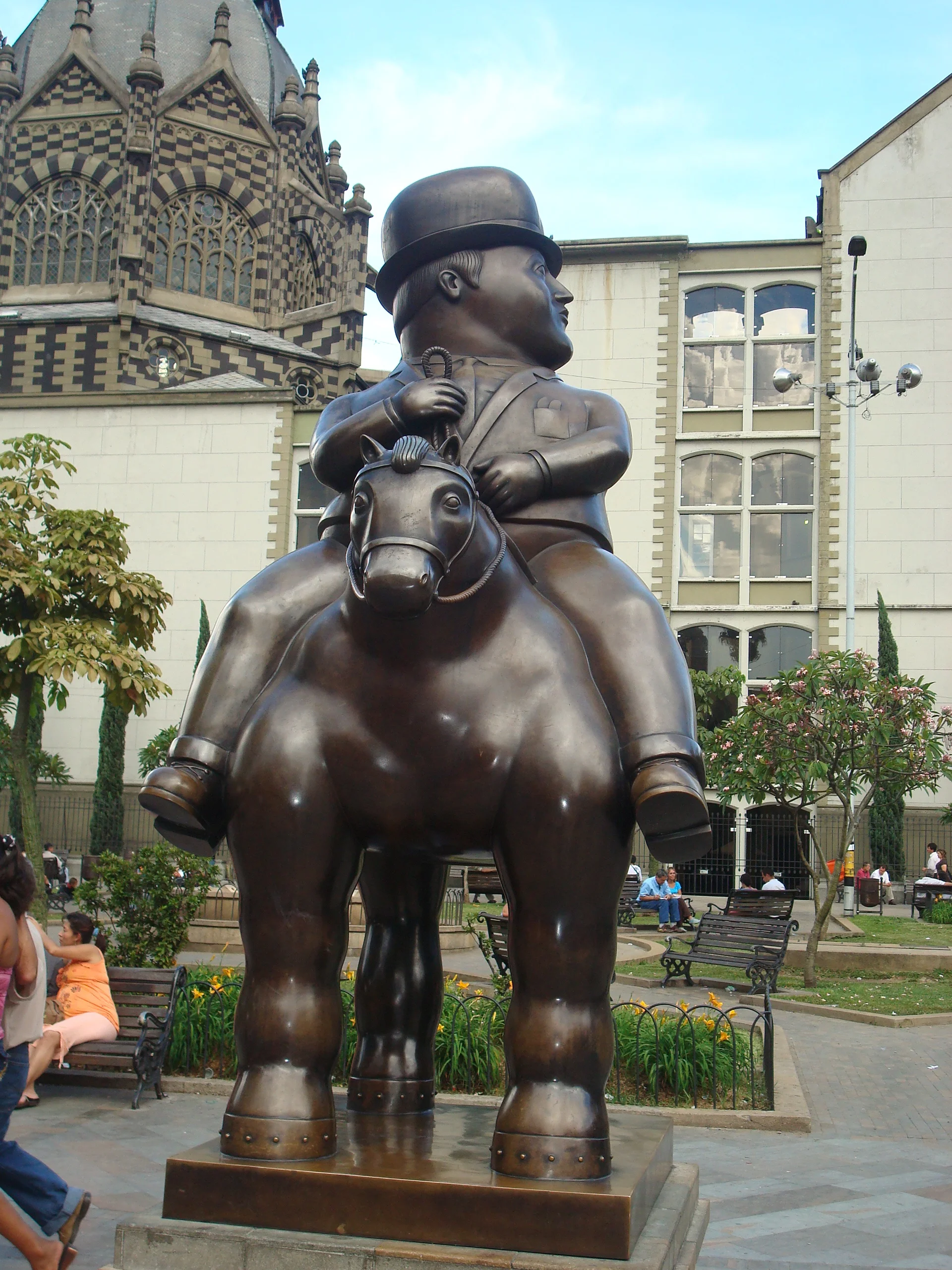
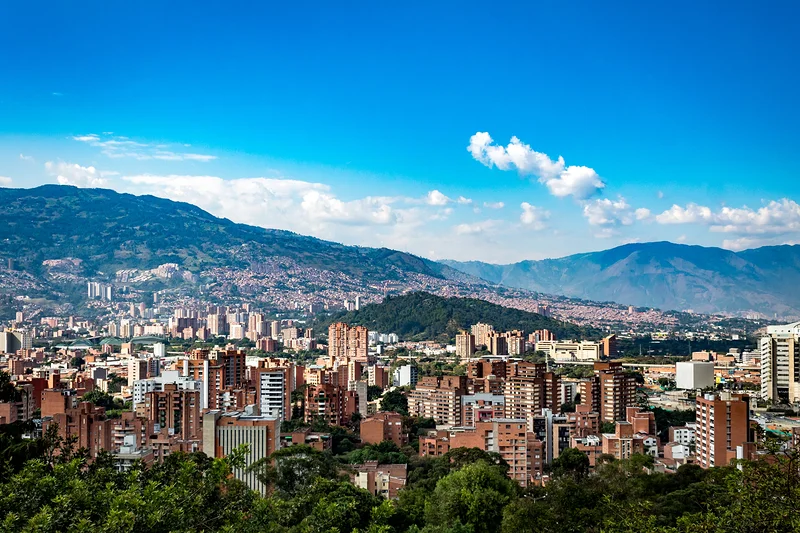
Medellín, once the world capital of the drug trade, has pulled off one of the more remarkable urban turnarounds of recent decades. Its cable cars now connect hillside working-class neighborhoods to the city center, turning a transit solution into a sightseeing experience with sweeping valley views. The El Poblado neighborhood is where you'll find the restaurant scene and nightlife, while Comuna 13 tells its painful history through murals that cover entire building facades.
Local tip: In Bogotá, leave your watch and visible jewelry at the hotel. Pickpockets work the public transit system and the areas around major tourist sites.
Cartagena and the Caribbean Coast: Postcard Perfect, With Caveats
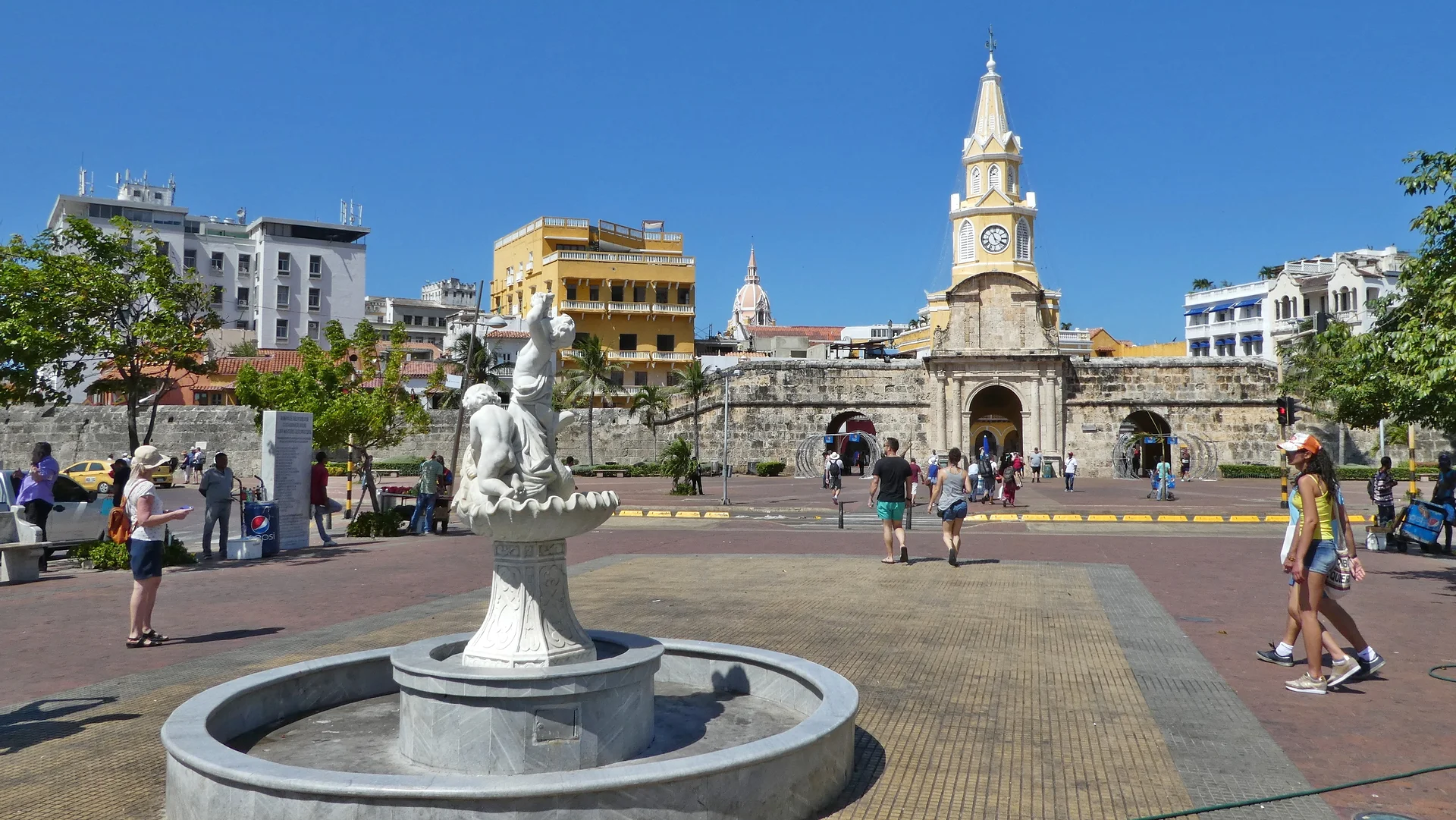
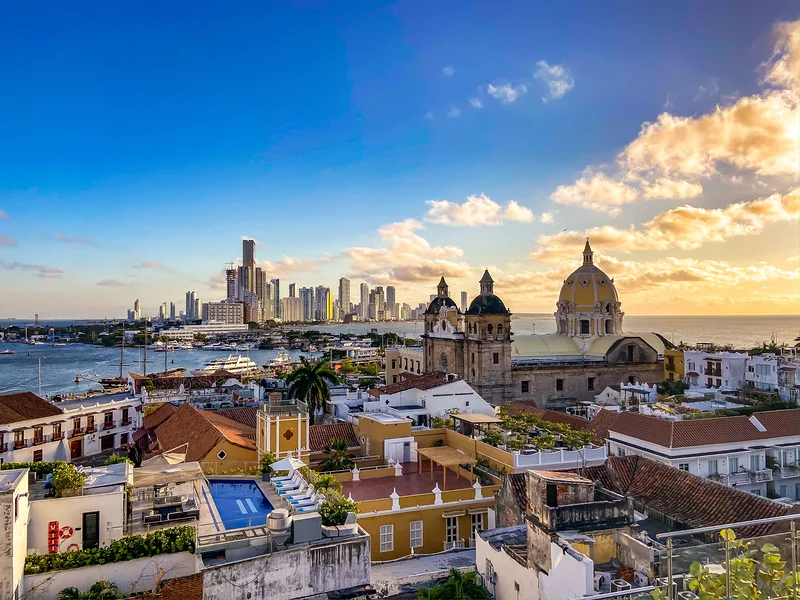
Cartagena's old city is genuinely hard to argue with. The colonial walls, flower-draped balconies, and cobblestone streets form one of the best-preserved historic centers in the Americas, a UNESCO World Heritage Site where salsa drifts out of open bar doors and fruit vendors work the shaded plazas.
But Cartagena comes at a cost: tourism has driven prices up sharply, and parts of the tourist zone can feel more like a stage set than a real city. For something more grounded, head to Getsemaní, a neighborhood mid-gentrification but still holding onto its working-class character.
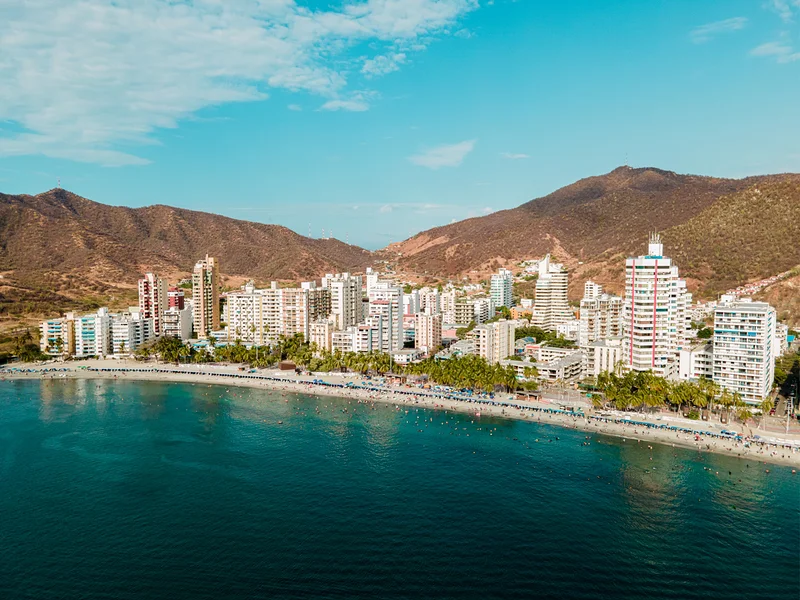
Further up the coast, Santa Marta is the jumping-off point for Tayrona National Park, where tropical jungle drops straight into turquoise Caribbean water. The beaches at Cabo San Juan and La Piscina rank among the best on the continent, but getting there requires a multi-hour hike in serious heat.
The Rosario Islands: Paradise or Tourist Trap?
These coral islands off the coast of Cartagena promise clear water and white sand, and they do deliver that. The catch: day trips are crowded, prices are inflated, and there are real environmental concerns about the reef. Go with a small-group operator or head to Isla Barú instead, which sees far fewer visitors.
The Coffee Region: Where Colombian Coffee Actually Comes From
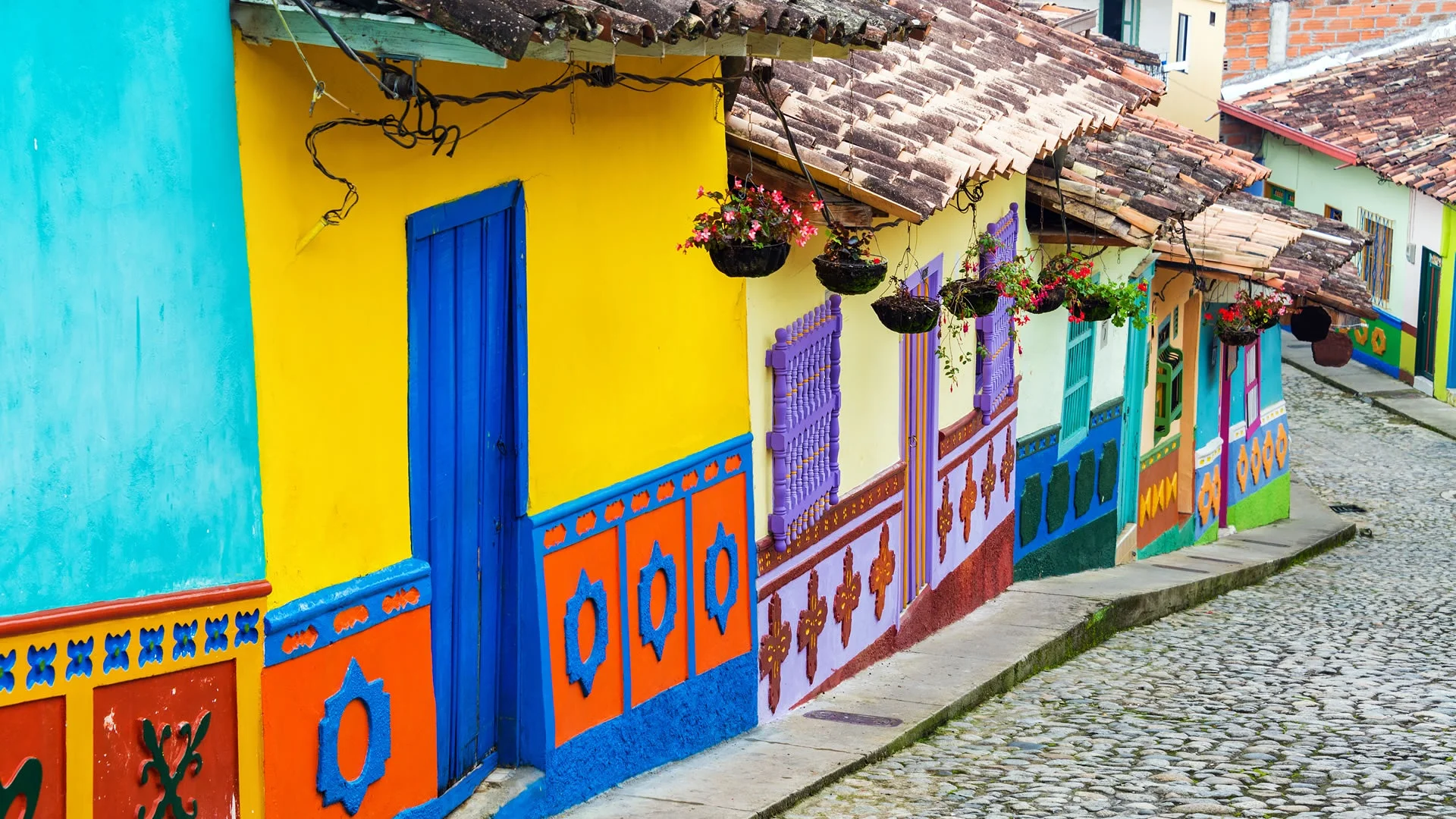
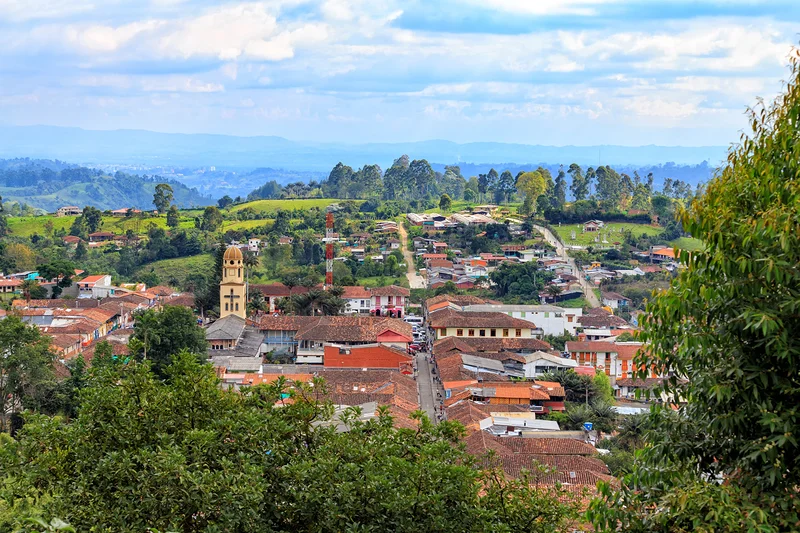
In the green mountains of central Colombia, the coffee-growing region is the real deal for anyone serious about the crop. Salento, a colonial village with brightly painted facades, is the natural base for exploring the surrounding farms. The Cocora Valley is something you have to see to believe: wax palms, Colombia's national tree, shoot up to 200 feet tall out of high-altitude grassland in a landscape that looks almost surreal.
Armenia and Pereira both offer farm immersion experiences where producers walk you through their roasting process. Skip the packaged group tours and book directly with small family operations for an experience that actually means something.
Local tip: Book your accommodation in Salento well ahead, especially during peak season. The village fills up fast and prices spike accordingly.
Nature Adventures: Desert to Andean Peaks
The Guajira Peninsula in Colombia's far north is a desert landscape that feels nothing like the rest of the country, with lunar terrain and the living Wayuu indigenous culture. Cabo de la Vela and Punta Gallinas, the northernmost point on the South American continent, deliver unforgettable sunsets over ochre dunes swept by trade winds. Access is legitimately difficult: rough unpaved tracks, extreme heat, and almost no infrastructure.
At the other extreme, the snowcapped peaks of the Sierra Nevada de Santa Marta top out above 18,700 feet and shelter pre-Columbian archaeological sites, including the legendary Ciudad Perdida (Lost City). The 4-to-6-day jungle trek to reach it is demanding, but it pays off with remarkable ruins and encounters with Kogi indigenous communities along the way.
For something more accessible, the Tatacoa Desert surprises with its erosion-carved rock formations and some of the clearest night skies in the country. The astronomical observatory at Villavieja runs nighttime stargazing sessions worth building a stop around.
Eating in Colombia: Beyond the Arepa
Colombian food is far more regional than most visitors expect. Ajiaco bogotano, a hearty soup made with three varieties of potato, is the dish that makes sense of Bogotá's cool evenings. On the coast, sancocho combines fish, vegetables, and plantain in a cilantro-forward broth that's closer to a full meal than a starter.
The tropical fruit situation alone is worth the trip. Lulo, guanábana, and maracuyá (passion fruit) show up fresh or as juice on practically every street corner, and most of them are varieties you won't find back home. And the coffee, obviously, is on another level.
Street food staples include empanadas, which vary by region, and patacones, smashed and fried green plantains that come alongside most savory dishes. One practical note: stick to bottled water and be cautious with raw vegetables at small street stalls to avoid the stomach issues that catch a lot of first-time visitors off guard.
When to Go to Colombia
Colombia sits near the equator, so there are no traditional seasons, just two dry periods and two wet periods cycling through the year. The dry seasons run December through March and July through August, which are your best windows for most activities. Temperature is largely a function of altitude: hot and humid on the coasts, mild in the mid-elevation coffee region, and genuinely cold in the high Andes.
Try to avoid April through May and October through November if possible, the wettest months. That said, Colombia's geographic variety means there's almost always a dry region somewhere: when the Pacific coast is getting hammered, the Caribbean side is often clear.
For the Ciudad Perdida trek specifically, stick to the dry season. The trails during rainy season turn into a mud slog that makes an already demanding hike significantly more miserable.
How Long Should You Spend in Colombia?
Two to three weeks is the practical sweet spot for covering several key regions without feeling rushed. If you want to get into the rural areas or the Amazon, budget at least a month. Slow travelers can easily fill six weeks without running out of things to do.
Getting to Colombia from the US
From most major US hubs, you're looking at roughly 5 to 8 hours of flying time, often direct. American, United, Delta, and Avianca all run nonstop or one-stop routes to Bogotá and Cartagena from cities like Miami, New York, Houston, and Los Angeles. Round-trip fares typically run between $400 and $900 depending on season and how far out you book.
Bogotá is the main international hub, but flying into Cartagena makes more sense if your trip is focused on the Caribbean coast. Medellín also receives some international flights.
US citizens do not need a visa for Colombia. You can stay up to 90 days on a standard tourist entry with a valid US passport. Make sure your passport has at least six months of validity remaining before you travel.
Getting Around Colombia
The bus network covers the whole country. Reliable long-haul operators like Copetran and Berlinas run overnight sleeper buses that are reasonably comfortable. Bogotá to Medellín takes around 8 hours; Bogotá to Cartagena is closer to 10.
For longer distances, flying is the smarter call. Avianca, LATAM, and Viva Air connect the main cities at reasonable prices if you book ahead. A Bogotá-to-Cartagena flight runs roughly 320,000 to 600,000 COP (about $80 to $150) depending on timing.
Renting a car is an option for experienced drivers, but go in with realistic expectations: driving culture is aggressive, road conditions vary significantly by region, and police checkpoints are frequent. In the cities, Uber and similar app-based services are your safest and most practical option. Avoid flagging down random street taxis in Bogotá and use an app instead.