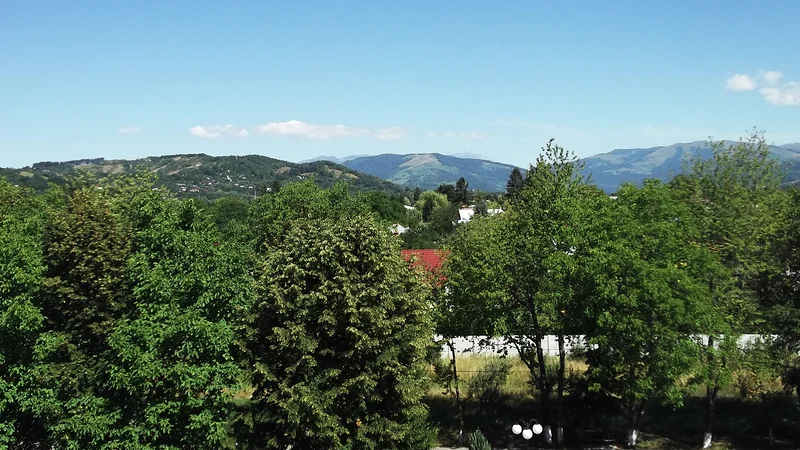
Visiting Romania: Past the Legends, a Country Full of Real Surprises
Romania doesn't fit neatly into any single category. The Carpathian Mountains cut through the middle of the country like a spine, medieval citadels dot the hillsides, and in the rural north, horse-drawn carts still share the road with tractors. This is a country where the 21st century and the Middle Ages exist side by side, and that tension is exactly what makes it worth the trip.
Is Romania the right destination for you?
If you want something genuinely off the beaten path without flying to Central Asia, Romania delivers. It's ideal for travelers who want sharp contrasts in a compact space: a capital city with a complicated, fascinating history; mountain villages where traditions have barely changed in a century; Black Sea beaches; and more castles than you can reasonably visit in two weeks. Locals are warm and welcoming, and the cost of travel is low by European standards, think meals for 40-80 RON (roughly $9-18) at a solid local restaurant.
That said, go in with clear expectations. Infrastructure outside the major cities can be rough. Roads in rural areas are sometimes unpaved or poorly marked, and driving here takes more focus than cruising an American interstate. Romania rewards patience. Push through the occasional inconvenience and you'll come away with experiences that simply don't exist in more polished destinations.
Beyond Dracula: Transylvania as a medieval powerhouse
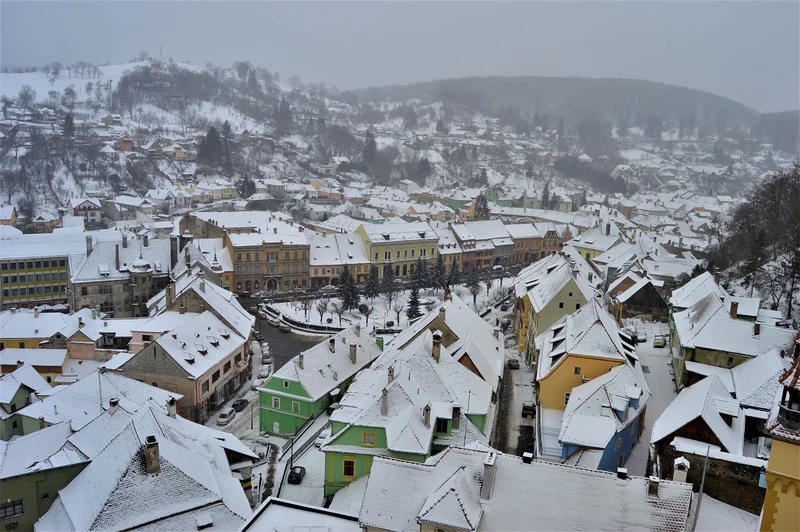
Yes, Transylvania is vampire country in the pop culture sense. Get that out of your system and then pay attention to what's actually here, because it's genuinely impressive. The region is full of fortified Saxon towns that look like they were lifted straight out of a 14th-century manuscript. Sighișoara, a UNESCO World Heritage Site, is where Vlad Tepes (the historical figure behind the Dracula legend) was reportedly born. Walk the cobblestone streets, climb the Clock Tower, and take in the painted facades of the old town. It's compact enough to cover on foot in a day, but worth lingering in longer.
Brașov and the Carpathians
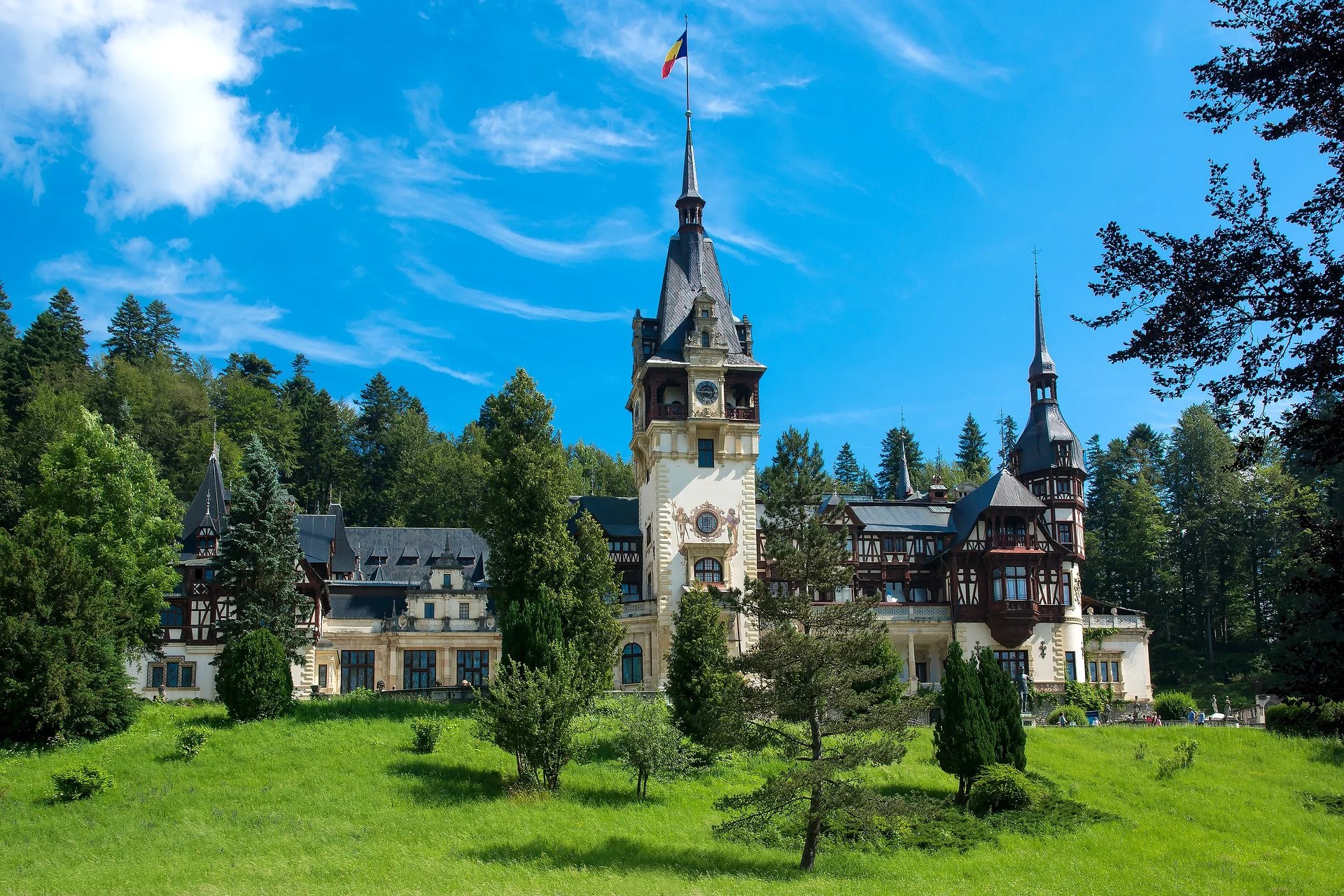
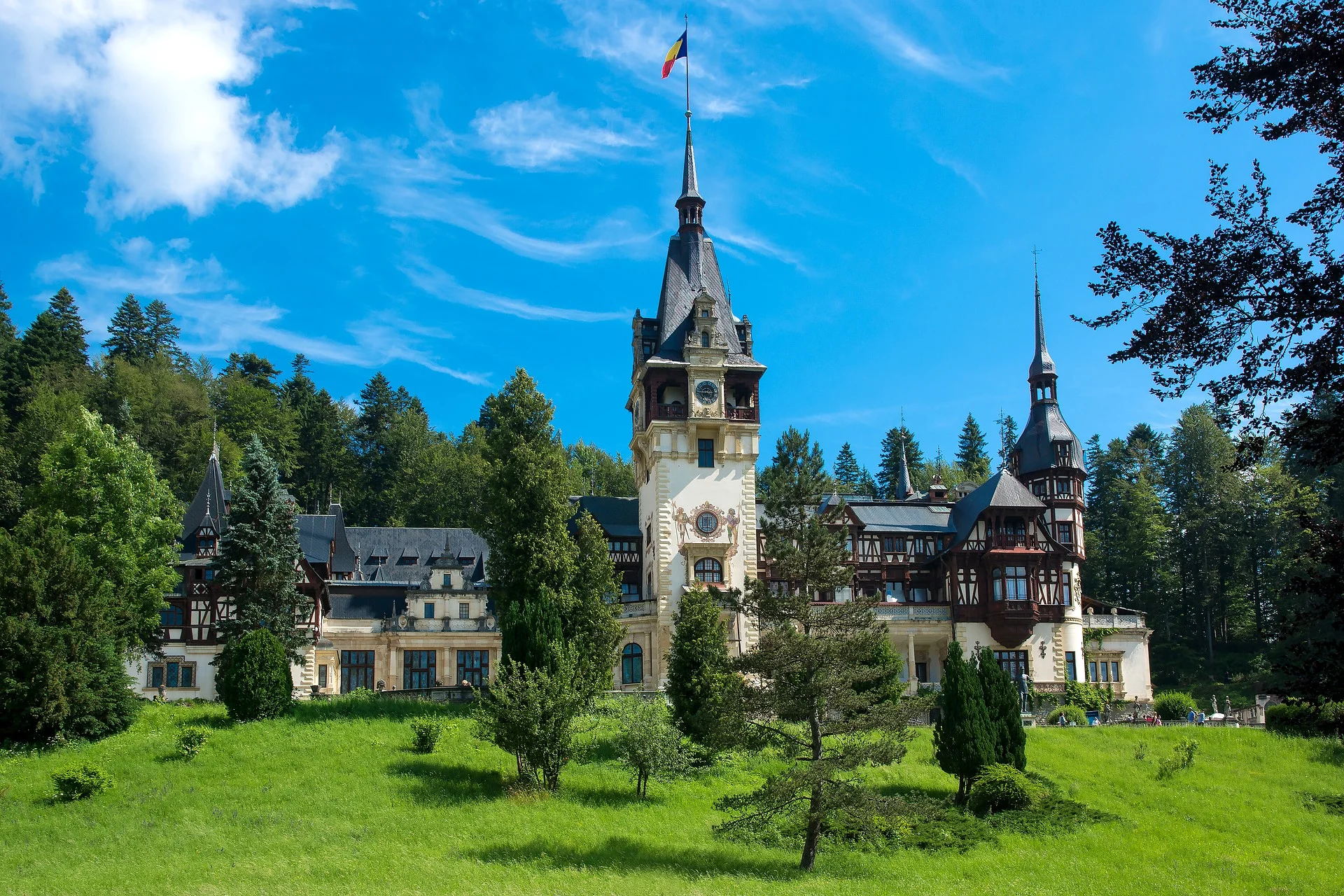
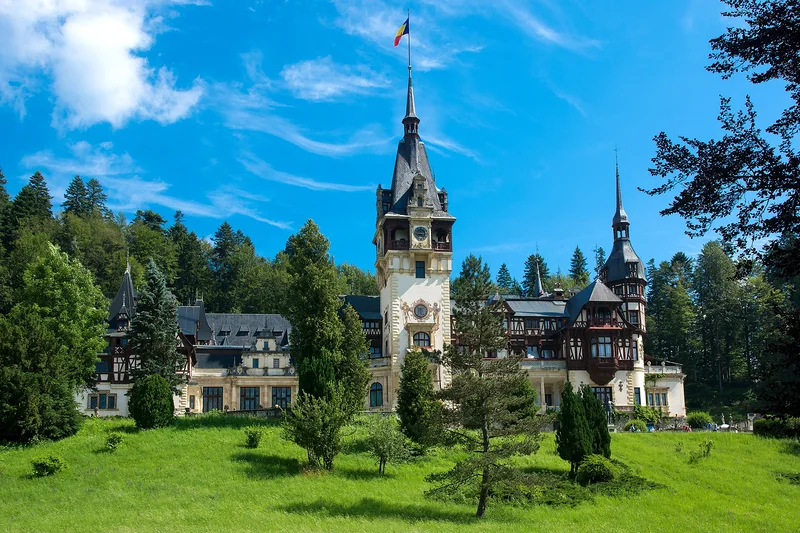
From Sighișoara, head to Brașov, one of Transylvania's most appealing cities, tucked into the Prahova Valley. Take the cable car up to the Tâmpa overlook for a panoramic view of the Gothic Black Church below and the medieval streets radiating out from the main square. Nearby, Bran Castle is the one marketed as "Dracula's Castle," and while the Dracula connection is mostly myth, the architecture and hilltop setting are genuinely dramatic. A short drive away, Peleș Castle in Sinaia is a former royal summer residence and one of the most ornate 19th-century palaces in Europe, think Bavarian Neuschwanstein but with a distinctly Romanian story behind it.
Insider tip: Skip the crowds at Bran and visit Corvin Castle instead. Less famous, equally impressive, and far less commercialized. You'll get a deeper sense of medieval Romanian history without fighting tour groups for a good photo.
Bucharest: communist grandeur meets a genuine urban scene
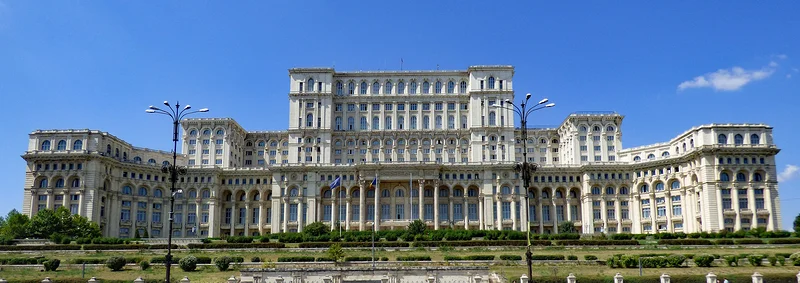
Romania's capital, Bucharest, gets underestimated. It's a city of jarring contrasts: crumbling pre-war Art Deco buildings next to Soviet-era concrete blocks, a historic old town that's been partially restored and is now full of outdoor cafes, and the Palatul Parlamentului (Palace of Parliament), the second-largest administrative building in the world after the Pentagon. Book a guided tour in advance; the scale of the place and the story behind it (Nicolae Ceaușescu ordered it built in the 1980s at enormous human cost) make it one of the more thought-provoking buildings you'll visit anywhere in Europe.
In the old town, the Muzeul de Istorie (National History Museum), housed in a neoclassical former post office, gives a solid overview of the country's past. For a look at traditional rural life, the Muzeul Țăranului Român (Museum of the Romanian Peasant) and the open-air Muzeul Satului "Dimitrie Gusti" (Village Museum) display traditional architecture and folk crafts from across the country.
Insider tip: When you need a break from the city noise, head to Cișmigiu Park. Rent a rowboat on the lake. It's a genuinely relaxing hour in the middle of a busy capital, and it costs almost nothing.
The rural north: Maramureș and Bucovina
Northern Romania is where the country shows its oldest face. In Maramureș, horse-drawn carts still work the fields, hand-carved wooden gates mark the entrances to farmhouses, and time genuinely does move at a different pace. The region is known for its UNESCO-listed wooden churches, including those in Budești and the valleys of Cosău and Iza. These aren't museum pieces; many are still active parish churches.
Bucovina, nicknamed "the land of beeches," is home to a series of Orthodox monasteries whose exterior walls are covered floor to ceiling in painted frescoes. Voroneț (famous for its deep cobalt blue), Moldovița, and Sucevița are the most celebrated. The outdoor frescoes depict biblical scenes in remarkable detail and color, and they've survived centuries of weather. Moldovița is also a center for painted egg art, a local craft tradition that goes well beyond Easter decorations.
Insider tip: In Maramureș, make time for the "Merry Cemetery" in Săpânța. Each grave is marked with a brightly painted wooden cross and a short poem describing the person buried there, often with humor and candor. It's a genuinely unique approach to death and memory, and it'll stick with you long after you leave Romania.
Getting outside: the Carpathians and what's underneath them
The Romanian Carpathians are serious hiking territory. Apuseni National Park in the northwest has green mountain ridges, deep gorges, isolated hamlets, and a real population of brown bears. The karst landscape here is also prime caving country, particularly in the area known as Țara Moților. If you've done the national parks in the American West and want something wilder and less regulated, this is a compelling alternative.
While you're in the area, don't pass up Salina Turda, a former salt mine converted into an underground thermal spa and amusement park 400 feet below the surface. There's a lake, a mini-golf course, and a Ferris wheel, all inside a massive salt cavern. It sounds absurd. It's actually one of the most memorable stops in the country.
Romanian food: hearty, flavorful, and underrated
Romanian cuisine pulls from Balkan, Turkish, Hungarian, and Austrian traditions, and the result is comfort food done with real skill. Soups called ciorbă are a staple at every meal. Ciorbă de burtă (tripe soup) is the most traditional, but if that's not your thing, there are lighter versions with vegetables or chicken. Sarmale (cabbage leaves stuffed with meat and rice, served with mămăligă, which is essentially polenta) is the dish you'll see on every family table. And mici (pronounced "meech"), grilled minced-meat rolls served with mustard and bread, are the Romanian equivalent of a backyard cookout staple.
For dessert, try papanași, fried cheese doughnuts topped with sour cream and jam. Romanian wines are worth your attention, especially reds from the Dealu Mare region, which is gaining a real international reputation. And if someone offers you țuică, the national plum brandy, accept it. It's strong (often 40-50% ABV), and saying no is considered mildly rude in a rural setting.
When to go to Romania
Spring (May-June) and fall (September-October) are the best windows. Temperatures are comfortable, the scenery is at its best, and you won't be competing with peak summer crowds. Summer gets genuinely hot in Bucharest and the lowlands, but the Carpathians and the Black Sea coast stay cooler. Winter is cold and snowy in the mountains, which makes it a legitimate ski destination, particularly at Păltiniș, the country's highest ski resort.
Getting to Romania
Most US travelers will fly into Henri Coandă International Airport in Bucharest, typically with one connection through a major European hub (London, Amsterdam, Frankfurt, Vienna). There's no direct nonstop service from the US as of now, so budget for a layover. Round-trip fares from major US cities typically run $700-1,100 depending on season and how far in advance you book. US citizens don't need a visa for stays up to 90 days; a valid US passport is all you need.
Getting around Romania
Renting a car is by far the best way to see the country. Your US driver's license is valid in Romania. Main highways are generally in decent shape, but secondary roads in rural areas can be rough, and you'll want to stay alert, especially after dark. Unmarked hazards, wandering livestock, and horse-drawn carts on the road are real considerations outside the cities. Download offline maps before you go; GPS coverage in remote areas can be patchy.
Train service exists but is slow and doesn't reach a lot of the places worth visiting. Intercity buses are a workable option for getting between major towns, but they're less flexible than having your own wheels. In Bucharest, ride-hailing apps work well and are cheap, typically 15-30 RON ($3-7) for most in-city trips.
Insider tip: If you're driving in rural areas, do it during daylight hours whenever possible. Animals on the road and unlit carts are a genuine hazard after dark, and the scenery is worth seeing anyway. Night driving in the countryside here is not the same as driving a well-lit US highway.