
Visiting Sighișoara
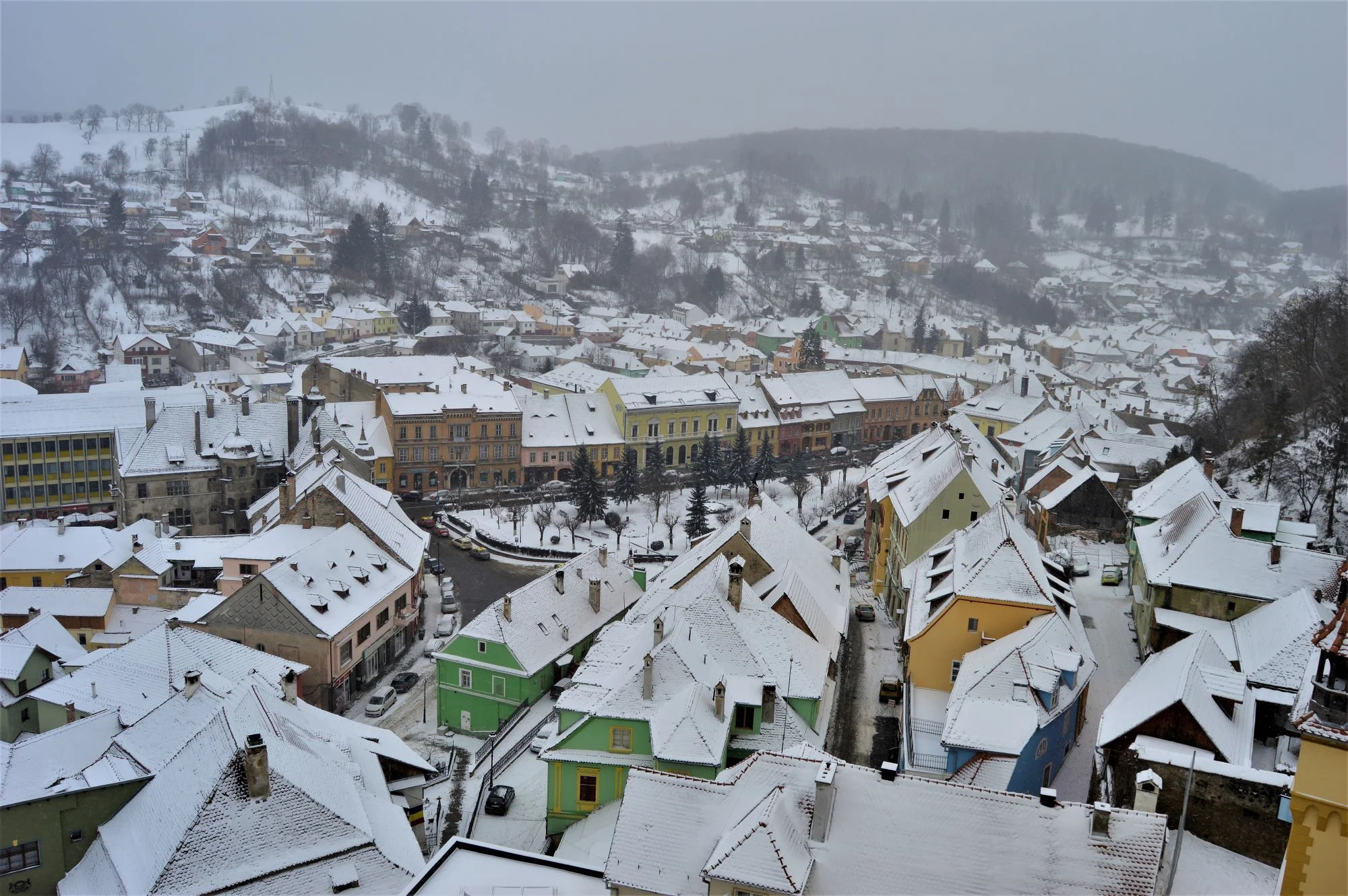
Sighișoara is a medieval town in Romania framed by the Târnava Mare river and recognized as a UNESCO World Heritage Site. It is widely known as the birthplace of Vlad Tepes, or Vlad the Impaler, whose bloodsoaked reputation inspired the character of Dracula created by Irish author Bram Stoker. Settled as early as the 12th century by German merchants known as Transylvanian Saxons, Sighișoara grew significantly during the Middle Ages thanks to its robust trade networks. Following the Mongol invasions that swept through Eastern Europe in the 13th century, the town fortified itself with massive ramparts, portions of which still stand today.
An impressive citadel in Transylvania
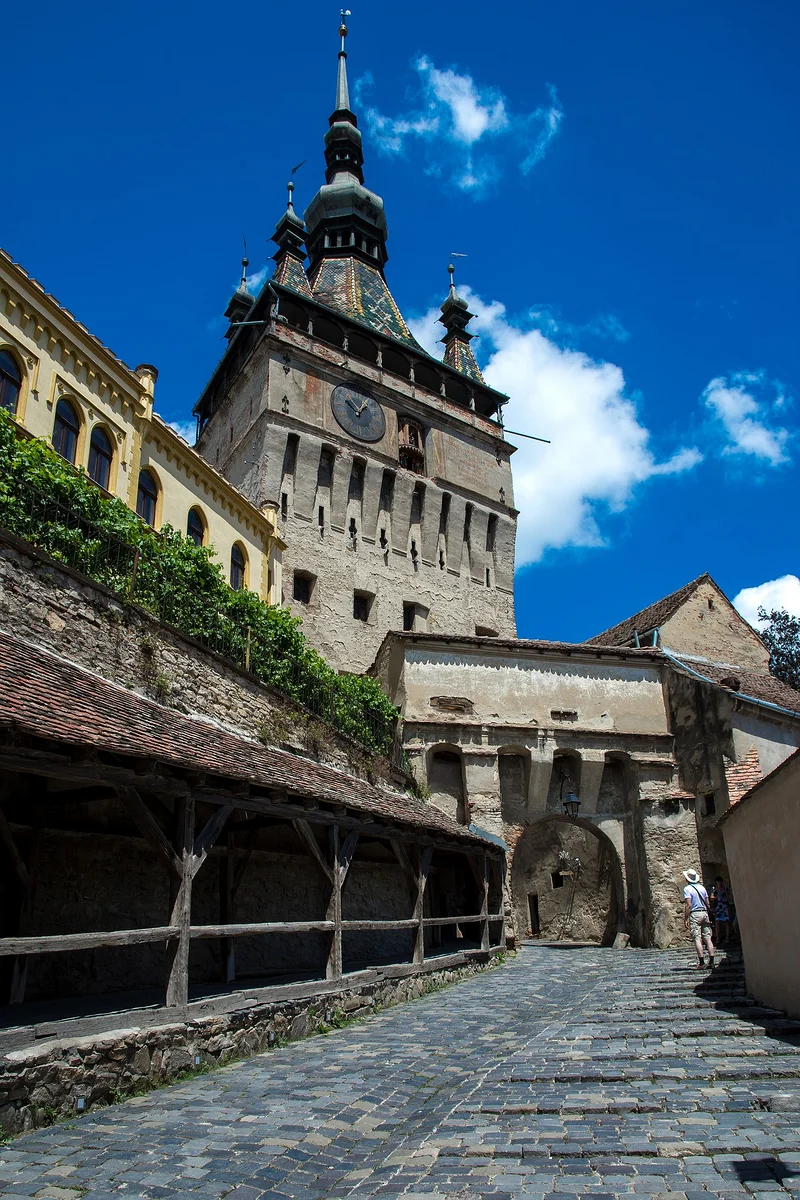
Sighișoara is still encircled by a stone wall stretching 930 metres long and rising 8 to 10 metres high. This defensive barrier separates the upper noble town from the lower town. Nine of the original fourteen defensive towers remain standing, including the Furriers' Tower, the Butchers' Tower, and the Tailors' Tower. Each tower was actually named after the trade guild responsible for its construction. The best known is the Clock Tower, which serves as the primary gateway into the town. Standing 64 metres tall, it houses a local history museum filled with period artifacts and even a former torture chamber. Its clock faces two directions, looking out over the upper town on one side and the lower town on the other. The side facing the lower town is decorated with small painted wooden pagan figures representing the days of the week, while the upper town side features allegories of Justice, Peace, and Law.
Several notable religious buildings are worth seeing in Sighișoara, particularly Saint Nicholas Church. Built in the Gothic style, it sits at the highest point of the town and is only accessible after climbing the 175 steps of the Scholars' Stairs. Additionally, the Dominican Monastery Church, now a Lutheran house of worship, marks the exact spot where the town first began to expand.
The Dracula myth in Transylvania
Beyond its defensive walls, Sighișoara has preserved numerous houses that are over 300 years old. The Stag House, adorned with an actual stag head, was built in the 17th century, while the Venetian House dates back to the 16th century and features distinctly Venetian window frames. One of the most famous residences is naturally that of Vlad Dracul, prince of Wallachia, a medieval European state where Romanian was the dominant language. This house is believed to be the birthplace of his son, Vlad the Impaler, who heavily inspired the famous legend of Dracula.
When to go?
The best time to experience Sighișoara is during the summer to take advantage of the warm weather. Every July, a medieval festival takes over the historic streets, bringing the citadel to life.
How to get there?
Sighișoara has solid rail connections to major cities across Romania, including a 6-hour train ride from Bucharest and a 3.5-hour journey from Cluj-Napoca. Other essential stops in Transylvania like Sibiu and Brașov are also directly connected to Sighișoara.
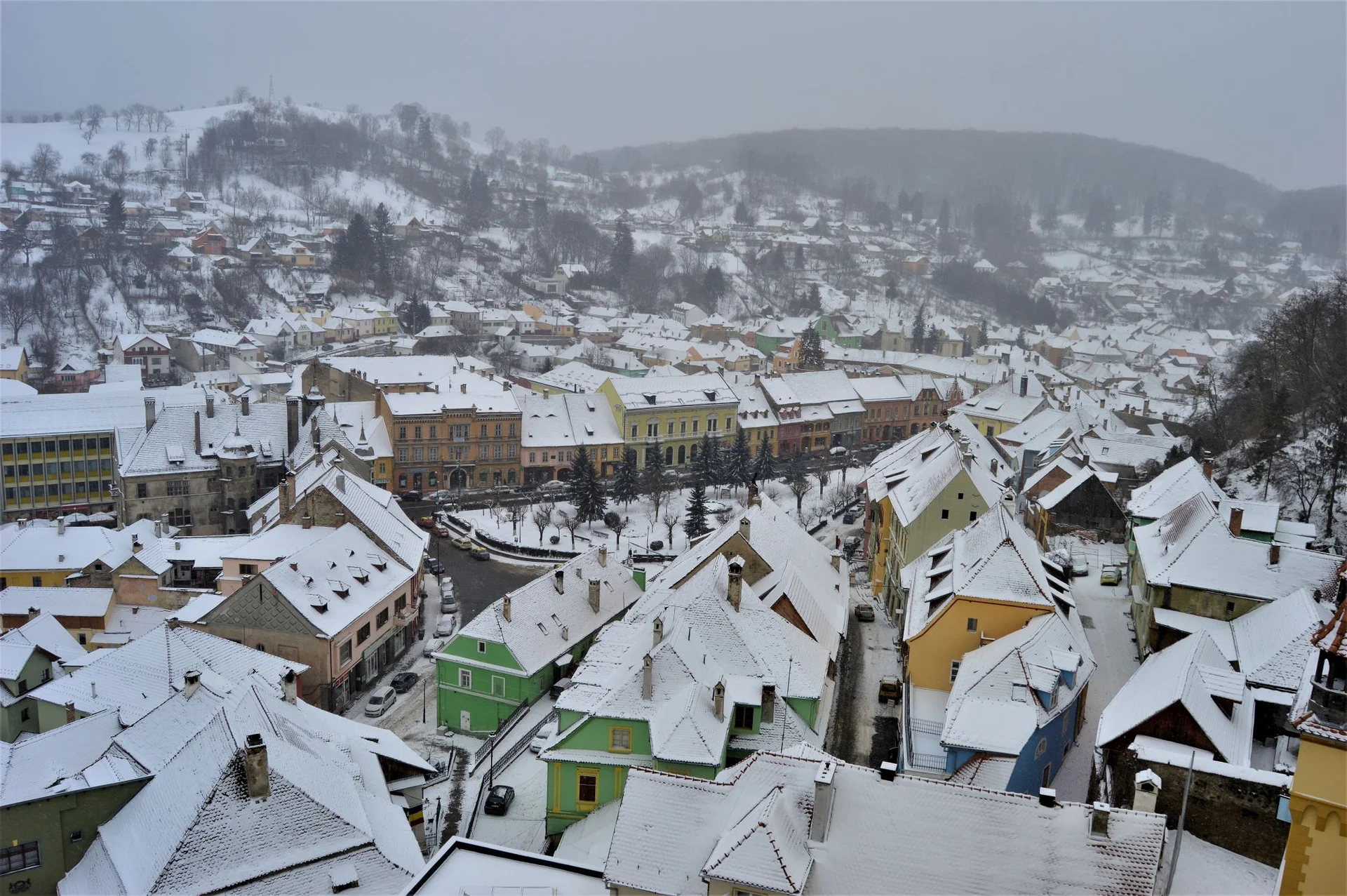

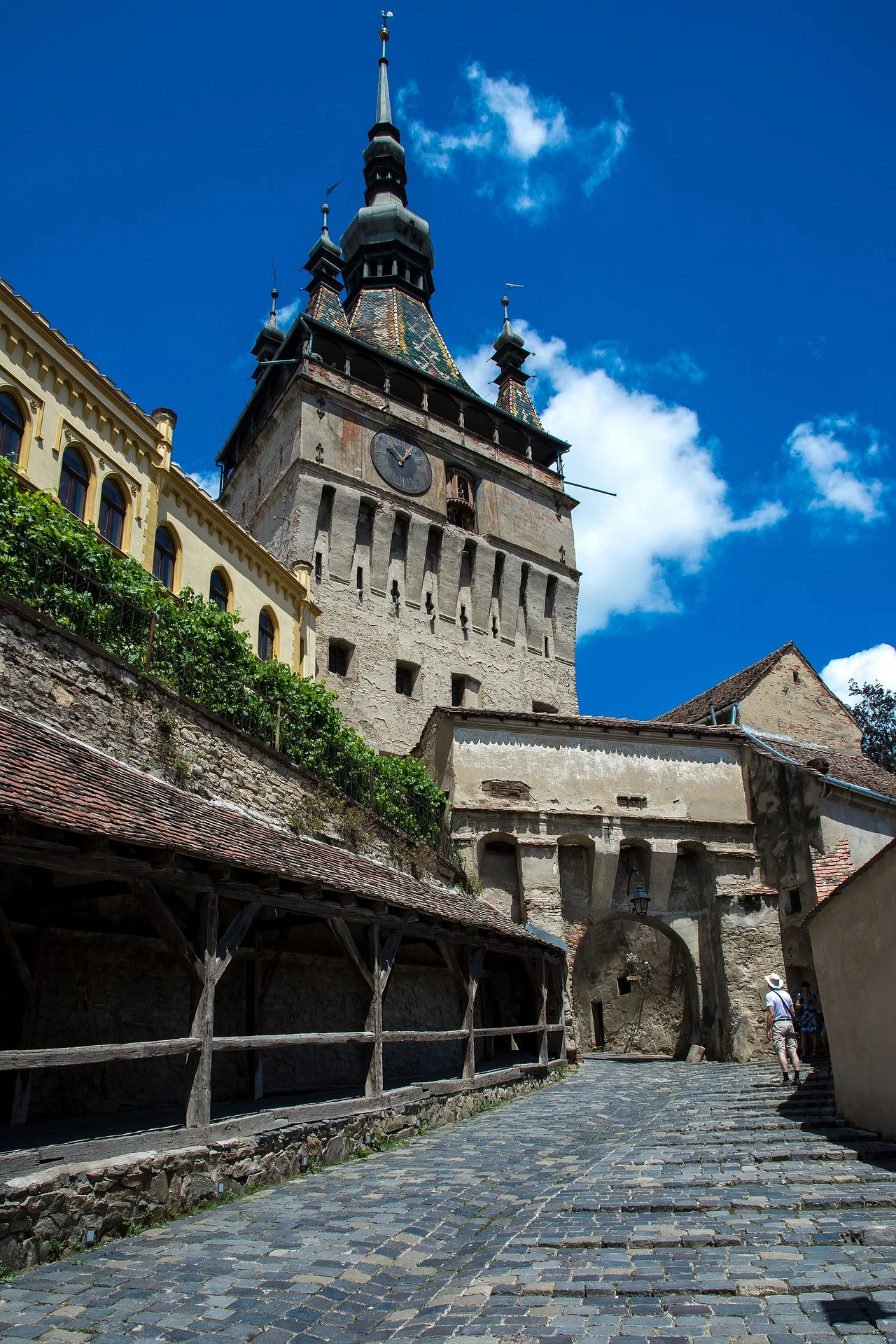
A must-see stop in my opinion if you are visiting the small villages of Transylvania. The historic center is very pleasant to walk around with a warm atmosphere! The clock tower is impressive, the little outdoor cafes are super welcoming, and the little houses with colorful, well-preserved architecture make it a real pleasure to stroll around (even in the rain and thunderstorms!). I recommend the Von Graf restaurant to try their traditional specialties, which are truly excellent!