Visiting Peru: Yes, the Incas, But That's Just the Start
Peru packs three completely different worlds into one country: the Pacific coast, the Andes, and the Amazon rainforest. The cultural depth here is real, and so is the wilderness. Few countries on earth can match that combination.
What You Absolutely Can't Miss
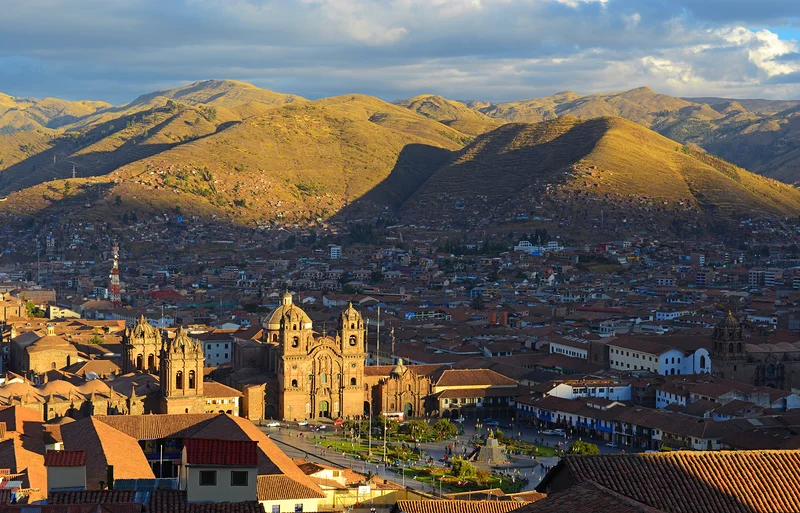
Start with Cusco, the former Inca capital, which holds more history per square block than most cities manage in their entirety. From there, the Sacred Valley and Machu Picchu are right at your doorstep.
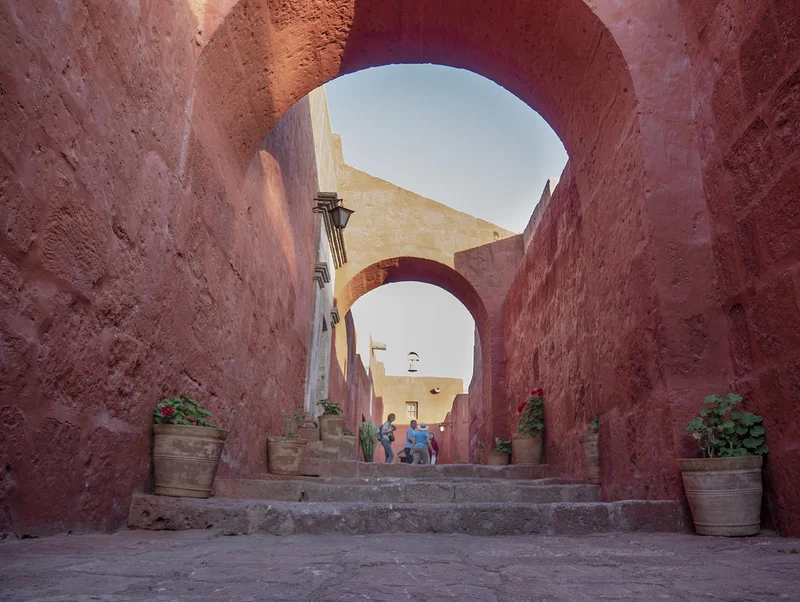
Arequipa, known as the White City for its colonial buildings cut from white volcanic stone, is worth the trip on its own. Nearby, the Colca Canyon is one of the deepest canyons in the world and one of the best places on earth to spot Andean condors in flight. And Lake Titicaca, the highest navigable lake in the world, belongs on any serious Peru itinerary.
On the coast, Lima has grown into one of the top food cities in the Western Hemisphere. Peru has a lot going for it, and the range is genuinely hard to beat.
Machu Picchu and the Sacred Valley
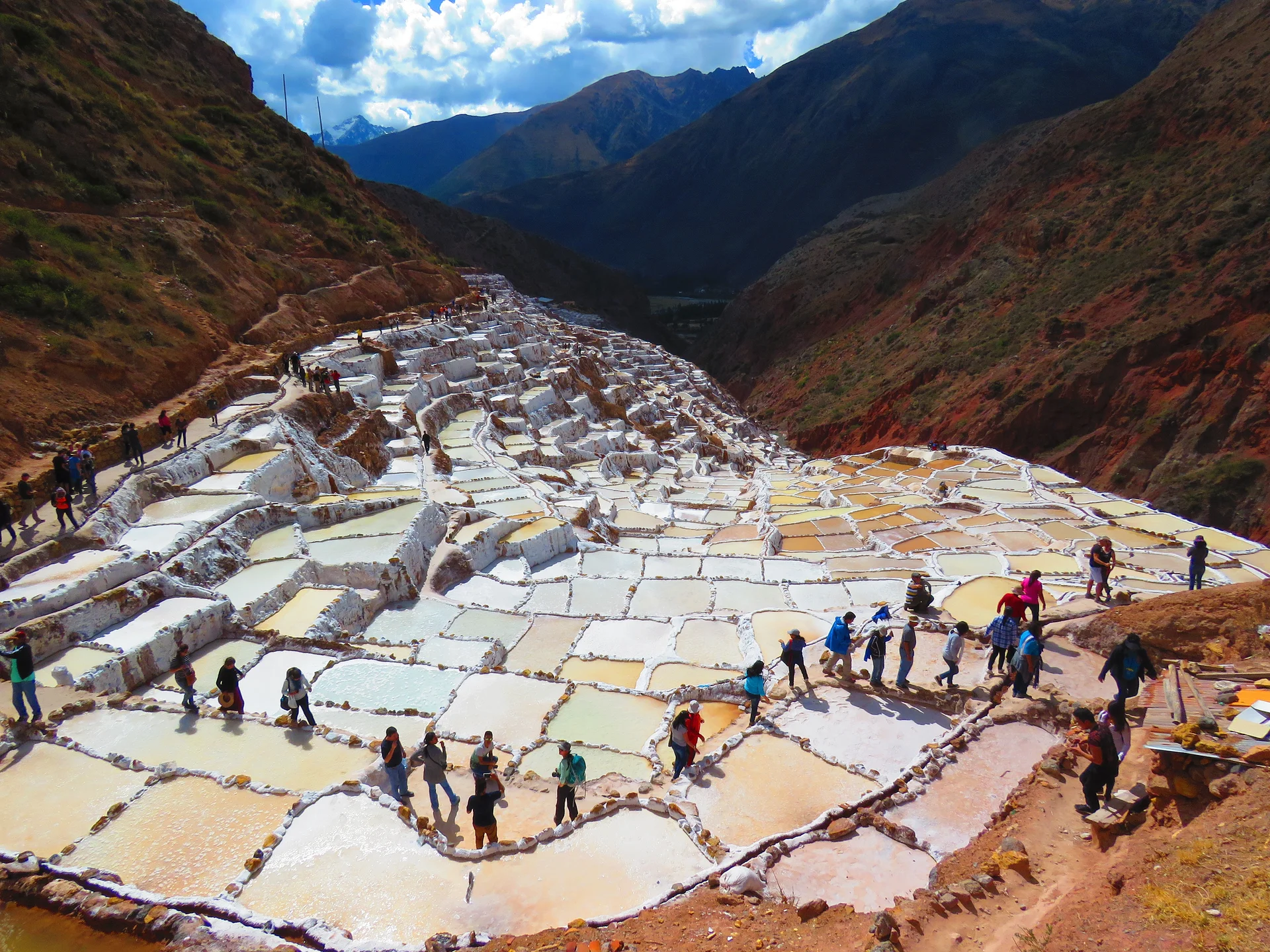
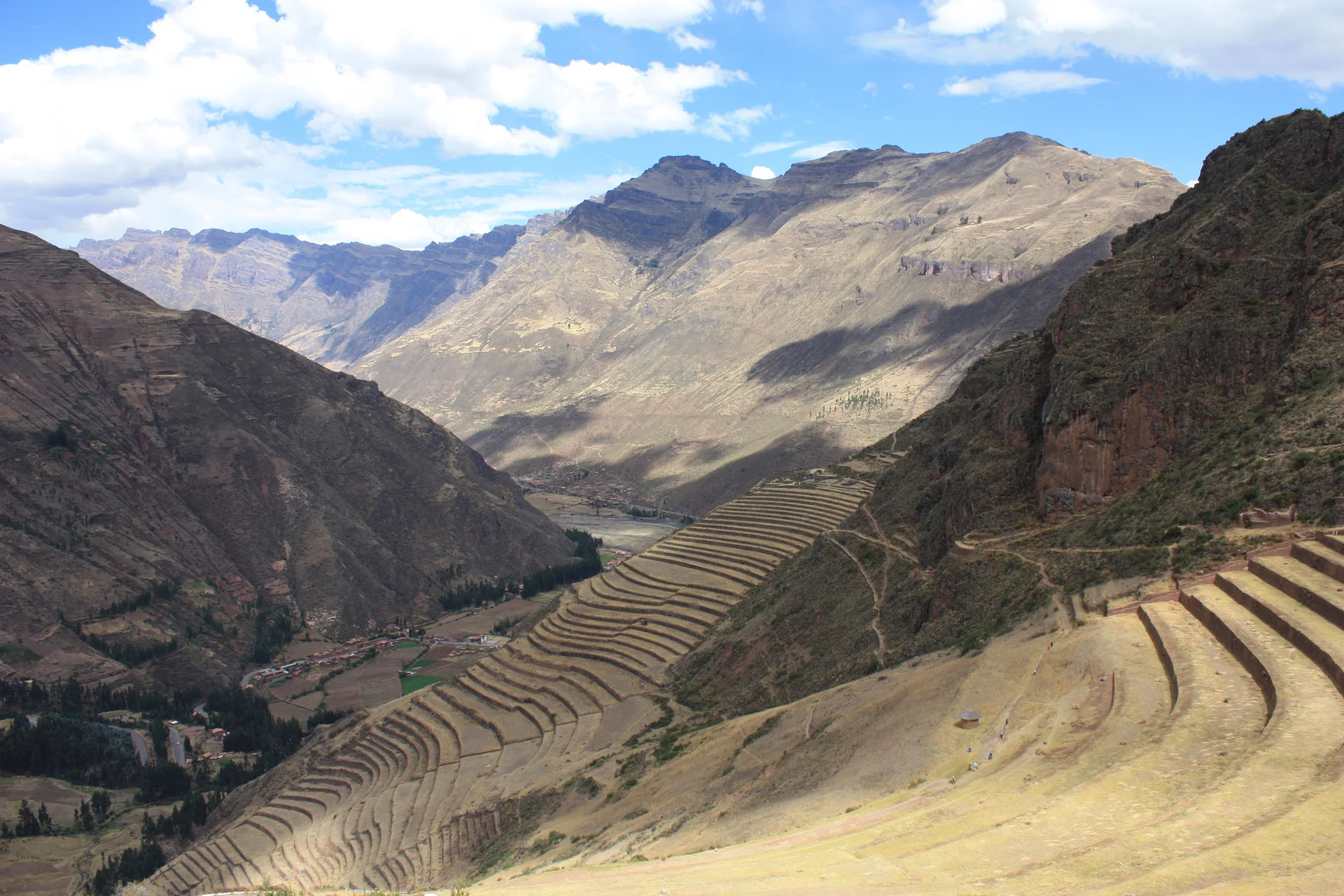
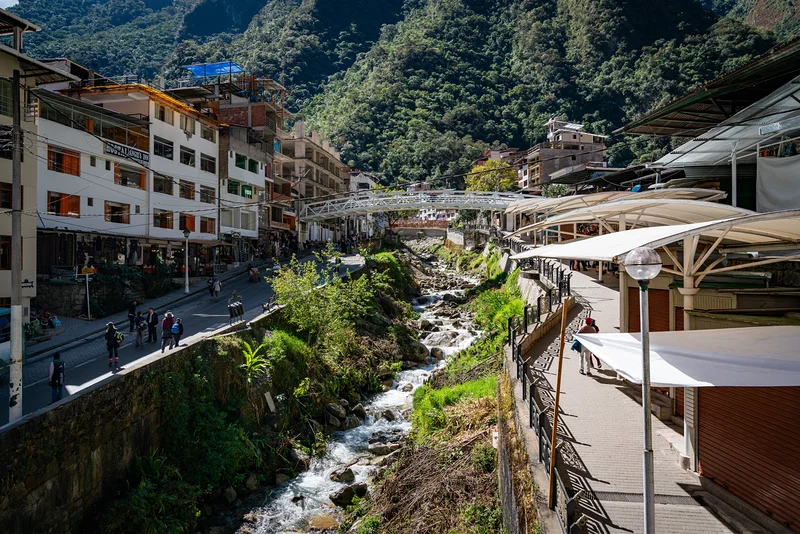
Machu Picchu sits at over 7,900 feet above sea level, and the altitude hits you before the view does. You can get there via the classic Inca Trail (a multi-day trek) or by train from Cusco, which is the more common option for most visitors. Either way, the citadel delivers. The Sacred Valley of the Incas, stretching between Cusco and Aguas Calientes, is loaded with impressive ruins of its own, particularly at Pisac and Ollantaytambo, both worth a half-day each.
The Nazca Lines
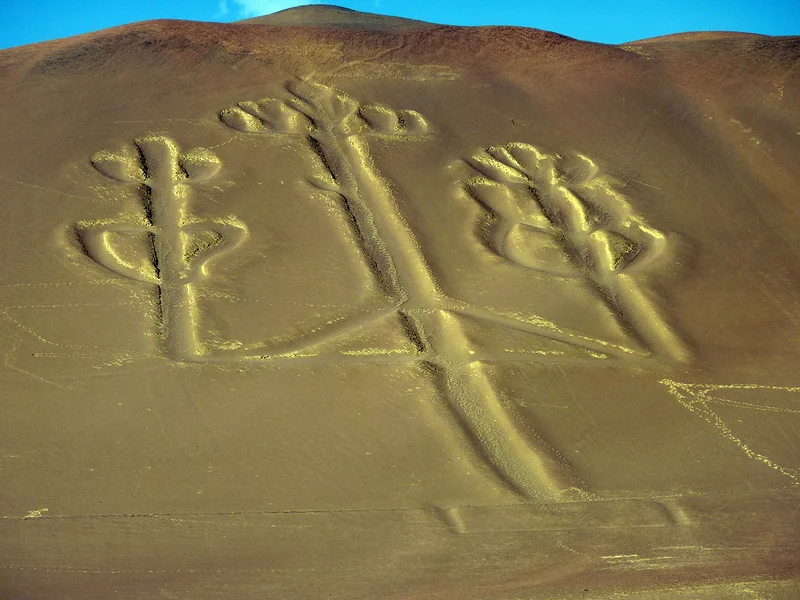
In the southern desert, the Nazca Lines are massive geoglyphs etched into the ground more than 1,500 years ago. The figures, which include animals, geometric shapes, and human outlines, are only visible from the air. Nobody fully agrees on what they mean or why they were made, which is part of what makes them so compelling. A short scenic flight over the desert is the standard way to see them properly.
Lake Titicaca
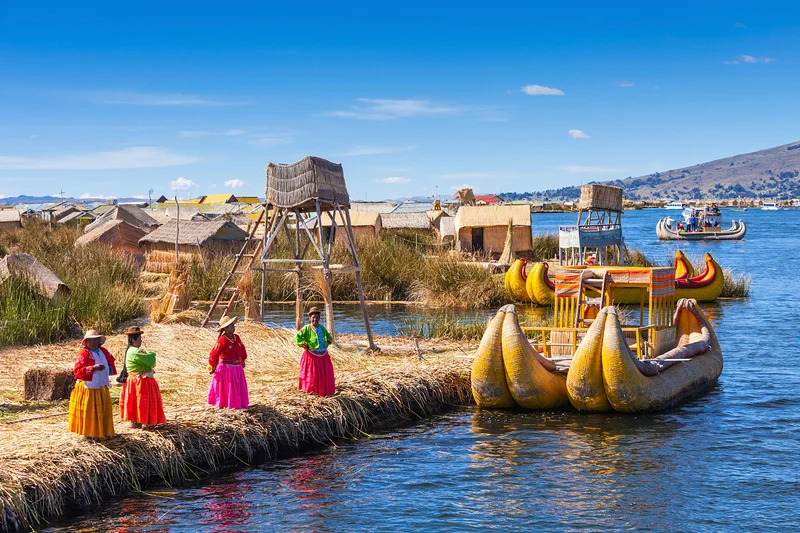
Straddling the border between Peru and Bolivia, Lake Titicaca is the world's highest navigable lake. Its shores and islands are home to communities that have maintained their traditions for centuries. The Uros floating islands, built entirely from totora reeds, give you a close-up look at a way of life unlike anything else. The islands of Amantani and Taquile, farther out on the lake, offer a more immersive experience if you have the time to stay overnight.
The Peruvian Amazon
The northeastern part of the country opens into the Peruvian Amazon, reachable from Iquitos (accessible only by boat or plane) or Puerto Maldonado. The biodiversity here is on a different level: monkeys, caimans, pink river dolphins, and hundreds of bird species. Most jungle excursions run by dugout canoe, and wildlife sightings are common. Think of it as the Amazon with easier logistics than Brazil.
The Food Scene
Peruvian food has earned its global reputation. Ceviche here is the real thing: raw fish cured in fresh lime juice, tossed with red onion and corn. If you've only had ceviche in the US, Peru's version is a different dish entirely. Another staple worth ordering is aji de gallina, a slow-cooked chicken stew in a sauce made from yellow chili peppers and peanuts. It's rich, slightly spicy, and deeply satisfying.
For drinks, the Pisco Sour is the national cocktail: pisco (a grape brandy), lime juice, and egg white, shaken until frothy. Order one at least once.
When to Go
Peru's climate varies so much by region that there's no single best time to visit. The broad split is between the dry season (April through October) and the rainy season.
In the Andean highlands, the dry season brings pleasant daytime temperatures and cold nights. In Cusco, expect roughly 59-77°F (15-25°C) during the day and near freezing after dark. Skies stay mostly clear and rain is rare, which makes this the ideal window for trekking and ruins.
On the coast, the warmest months run December through March, with temperatures between 77-86°F (25-30°C), no rain, but high humidity. Water temperatures rarely climb above 75°F (24°C) thanks to the cold Humboldt Current running up from the south. Outside those months, a persistent coastal fog settles in and the sun mostly disappears.
In the Amazon, the rainy season runs December through April. If you're planning a jungle trip, aim for the dry season when temperatures hover around 86°F (30°C) and river conditions are more manageable.
Getting There
From most US cities, flights to Lima (Jorge Chávez International Airport) take roughly 6 to 10 hours depending on your departure city, often with one connection. Round-trip fares typically run $600-$1,100, though prices shift with the season. Once in Lima, domestic flights connect to Cusco, Arequipa, Iquitos, and other major destinations quickly.
Getting Around
Buses are the most affordable way to travel between cities, and Peru's intercity bus network is well developed. For longer routes, the premium bus companies offer fully reclining seats, meals, and overnight options that make a 10-hour ride fairly tolerable.
Domestic flights save serious time, especially if you're heading to the Amazon or the far south. In cities, Uber works in Lima and is generally more reliable than flagging down a traditional taxi. For regular taxis, always agree on the fare before you get in.