
Visiting the Palatine Museum
Perched on one of the most iconic hills in Rome, the Palatine Museum serves as a dedicated witness, chronicling the fascinating history of excavations across the site. In Ancient Rome, the Palatine Hill was the epicenter of daily life, serving as the opulent residence for the city's most powerful emperors. The ruins of these treasures cover a significant portion of the hill, and inside the museum, you will find sculptures, fragments of frescoes that once adorned these halls, and even remnants from the Paleolithic period. Two floors stand as a tribute to one of the most critical locations in history.
The Palatine Hill and humanity, a long history
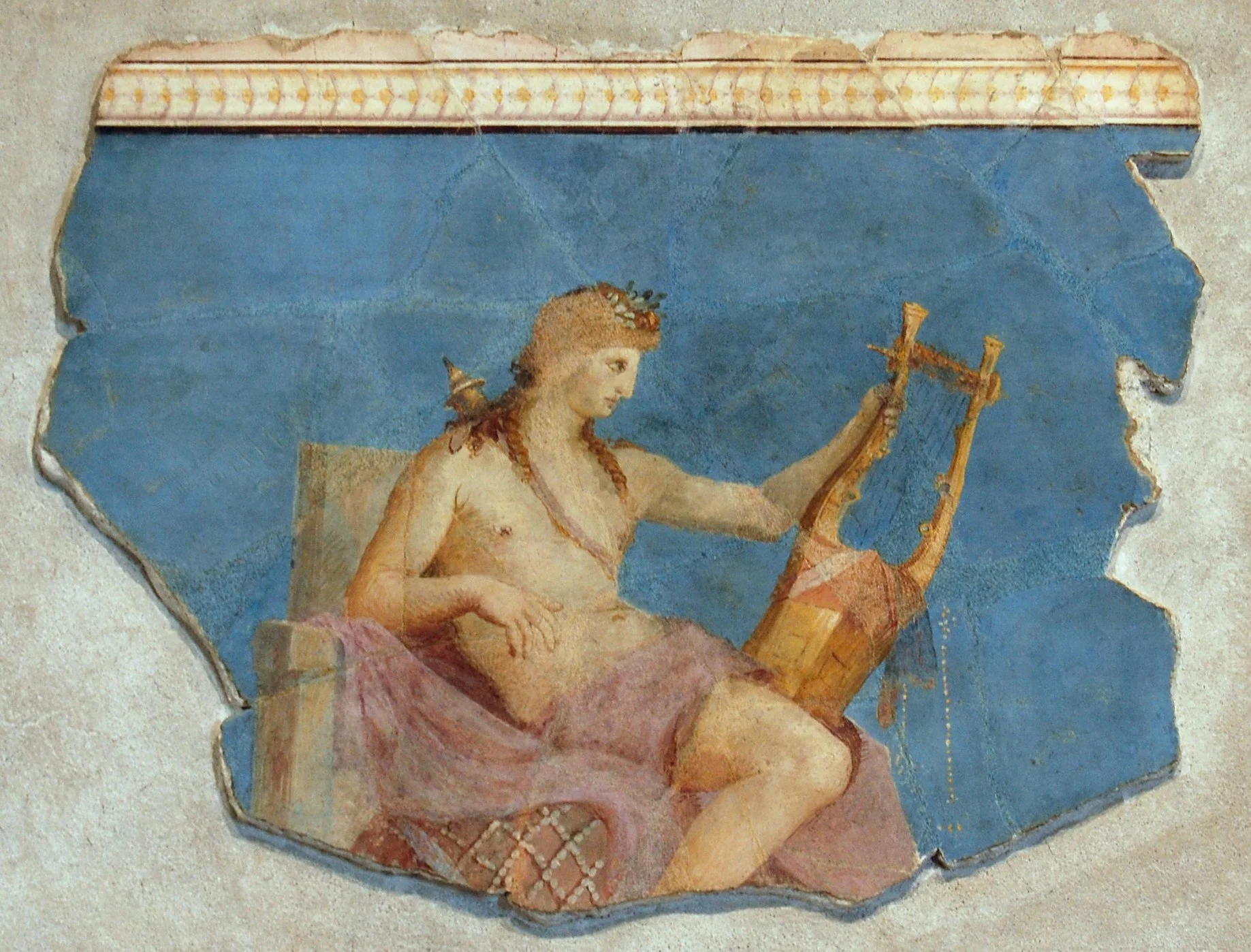
To house the precious sculptures discovered on-site, a museum was first opened in the 19th century, but as excavations of the Roman Forum progressed, a second facility was built to create a connection between the two areas. It was in 1930 that these two floors, each featuring four rooms, opened their doors to reveal a remarkable world. The ground floor gathers the earliest evidence of human activity on the Palatine Hill. You will see vases, tools, terracotta antefixes, and an altar dating back to Sulla. These artifacts trace the transition from prehistoric huts to the origins of Rome and the rise of the Principate in the first century BC. On the upper level, statues, paintings, and decorations from the imperial eras form a magnificent collection. From the time of Augustus, highlights include statues of Hermes and a fresco depicting Apollo, while the Domus transitoria built by Nero has bequeathed sublime paintings and marble work. This is also where you will find the much-discussed Alexamenos graffito, a first-century etching depicting a crucified figure with the head of a donkey. While the museum might seem modest compared to the monumental ruins surrounding it, a visit here is essential for understanding the true significance of this historic hill.

If you enjoyed visiting the forum, you can continue with this museum. That said, it is not the most grandiose in Rome. In fact, it is rather small. The information provides some interesting context on the history of the site, but it is not essential.
Worth a look if you are interested in ancient history and archaeology!