
Behind an austere facade, the baroque explosion of the Knights of Malta
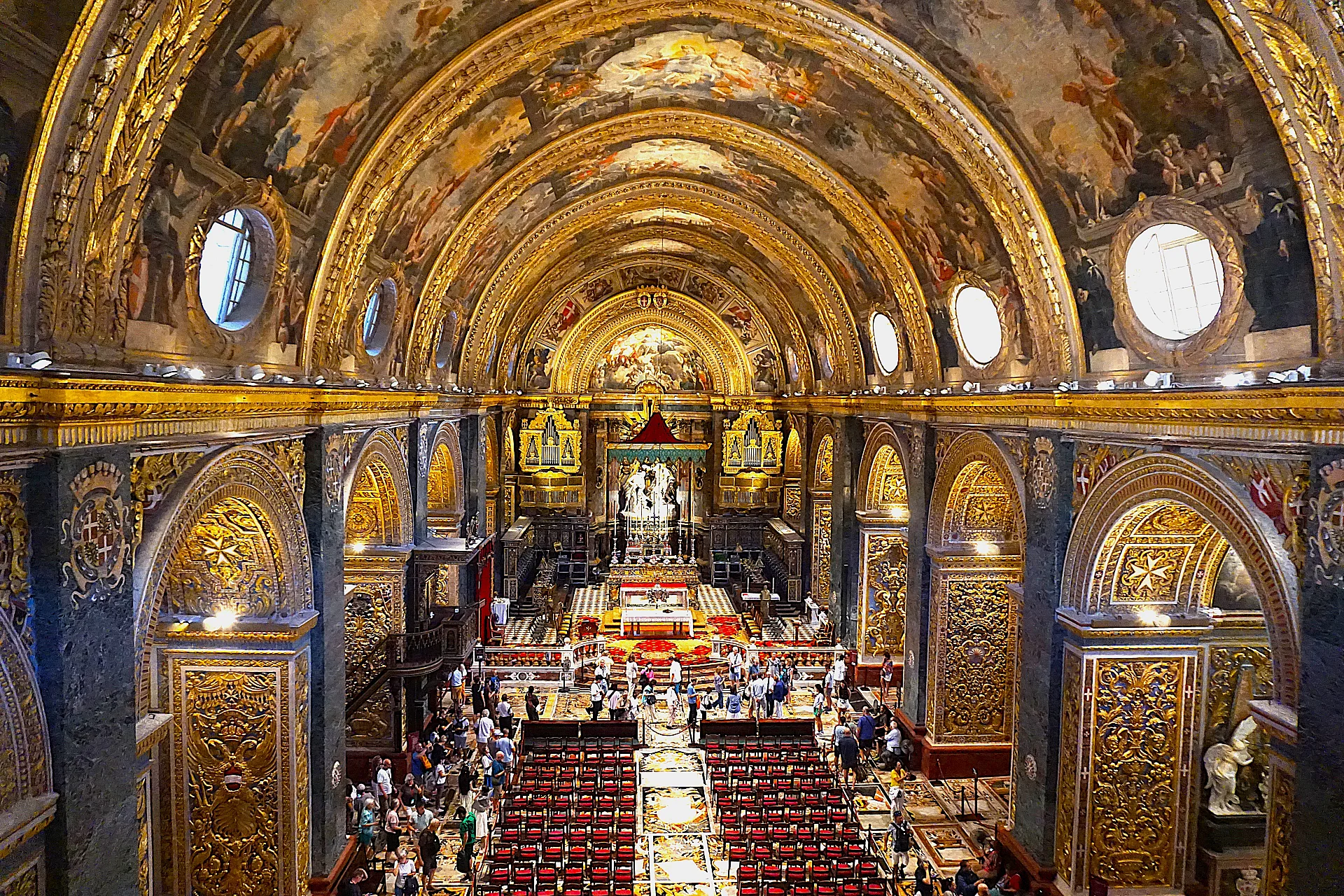
From the outside, nothing hints at what awaits visitors. The exterior remains understated and almost military. Yet the interior of Co-cathédrale Saint-Jean unfolds an exuberant Maltese baroque splendor, a contrast that surprises every single time.
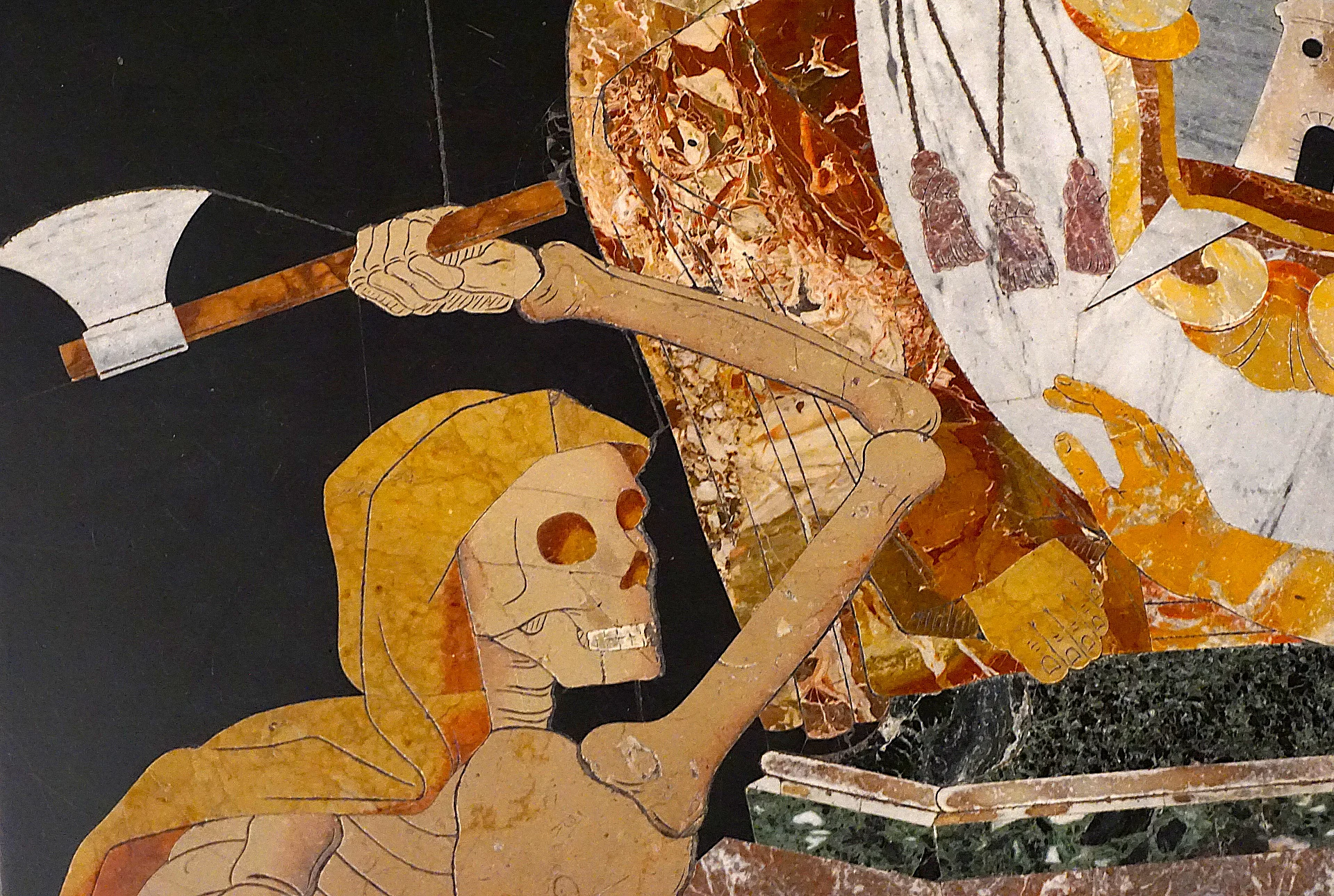
The floor immediately commands attention, completely paved with inlaid marble tomb markers bearing the coats of arms of the knights resting below. Imported from Italy, most often from Carrara, this marble creates a funerary mosaic unlike any other.
Why visit Co-cathédrale Saint-Jean
Construction of the building was ordered in 1572 by Grand Master Jean de la Cassière to serve as the conventual church for the Order of the Knights of Malta, based on plans by Maltese architect Gerolamo Cassar. The church was later elevated to the rank of cathedral by Pope Pius VII in 1816.
It holds the title of co-cathedral because it shares that status with the cathédrale Saint-Pierre-et-Saint-Paul in Mdina, the island's former capital. The interior decoration itself follows the designs of painter Mattia Preti.
Caravaggio and the grand masters' tombs
The oratory houses the largest work signed by Caravaggio, and the only one that bears his signature: the canvas depicting the Beheading of Saint John the Baptist. It remains one of the primary draws bringing visitors to this site.
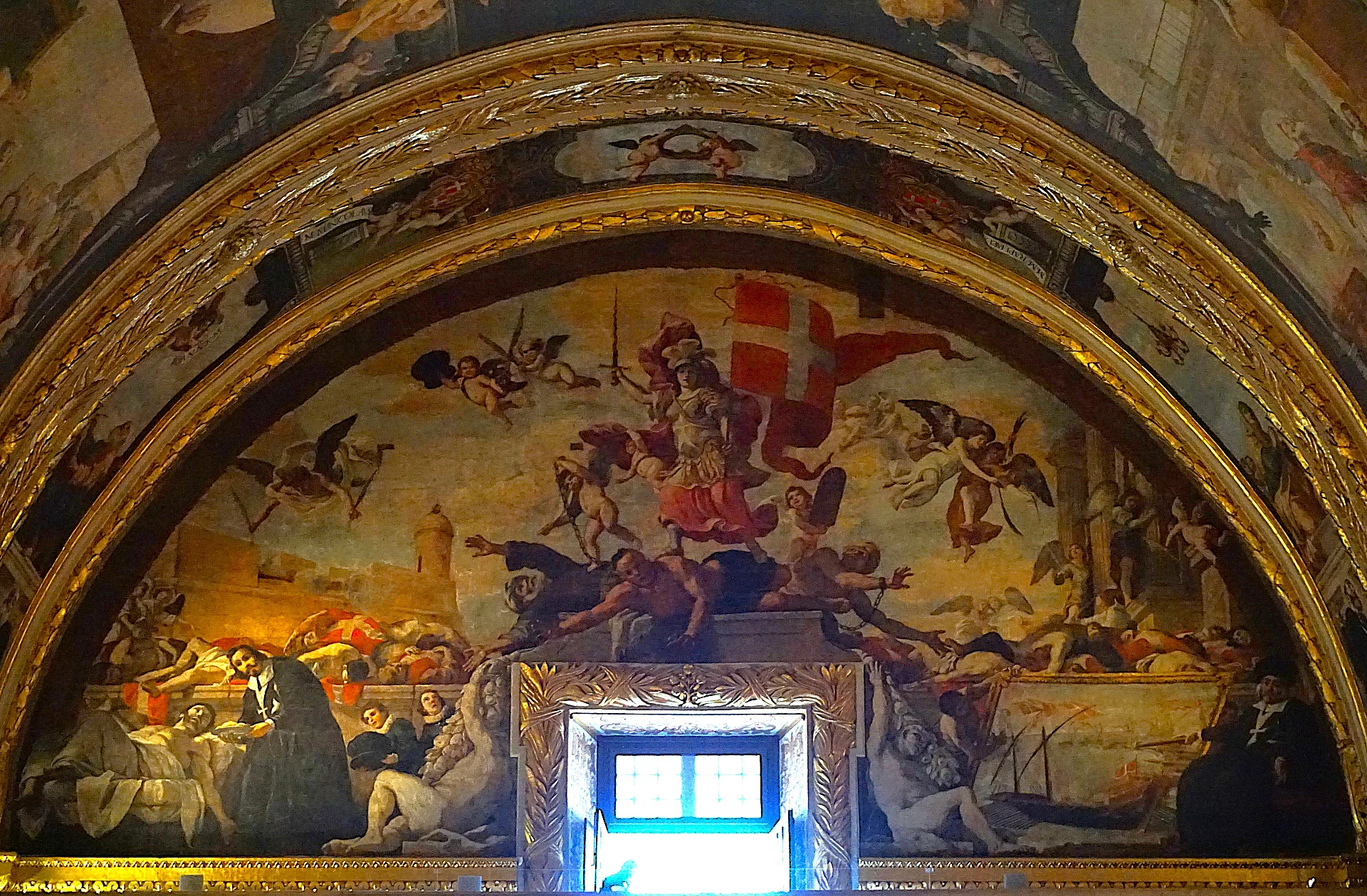
The central nave is flanked by eight side chapels, each dedicated to a different langue of the Order. The remains of Jean Parisot de La Valette, founder of the city that bears his name, rest here among the tombs of other grand masters.
Highlights
- The only signed Caravaggio work visible in Malta
- An unmatched inlaid marble funerary floor
- Optional access to the bell tower for an additional fee
Things to watch out for
- Strict dress code requiring shoulders and knees to be covered
- Access may be restricted without prior notice for religious services
Friendly tip: Leave the stilettos behind, as they are prohibited because they damage the historic marble floor. Wear flat shoes and an outfit that covers your shoulders and knees, or entry may be refused.
Opening hours
| Monday | 09:00-16:45 |
|---|---|
| Tuesday | 09:00-16:45 |
| Wednesday | 09:00-16:45 |
| Thursday | 09:00-16:45 |
| Friday | 09:00-16:45 |
| Saturday | 09:00-16:45 |
| Sunday | Closed |
Dernière admission à 16h15.
How long for this activity
Plan on 45 minutes to 1 hour to walk through the entire building and take your time looking at the marble floor.
*Information subject to change

Culture moment: do you know why it is called a "co-cathedral"? Because this church is consecrated, but the main seat of the diocese is at Mdina Cathedral.
From the outside, the building is elegant and relatively understated, like many other buildings in Valletta.
Inside, it is a whole different story. Gilding and paintings everywhere, it is stunning. Even the marble floor is covered with patterns. By the way, all those marble slabs cover the bodies of knights of the Order of Saint John who distinguished themselves during their lifetime. Yes, you will be walking on tombs without even realizing it.
Other things to know: there are 2 Caravaggio paintings to see inside, and you can add €5 to the standard admission ticket for a guided tour of the upper levels, a centuries-old clock mechanism, and the bell tower. Interesting, it is worth the trip.