



Why use a travel agency for Ethiopia
Ethiopia is not a destination you approach like a standard beach vacation. Distances between the historical North (Lalibela, Gondar, Axum) and the South (Omo Valley) often involve domestic flights, rough unpaved roads, and a level of logistics that few independent travelers master on their first try.
This is where the difference between a generalist tour operator and a Horn of Africa specialist becomes clear. A good agency knows local flight connections, the seasons when certain dirt roads become nearly impassable, and dependable local guides.
Guided group tours versus custom travel in Ethiopia
The vast majority of travel options for Ethiopia are escorted tours rather than resort stays. Two main formats dominate the market:
- Cultural tour of the North: Addis Ababa, Lalibela, Gondar, Axum, and sometimes the Simien Mountains. This is the top-selling option, usually run as a small group tour or private trip with a dedicated driver.
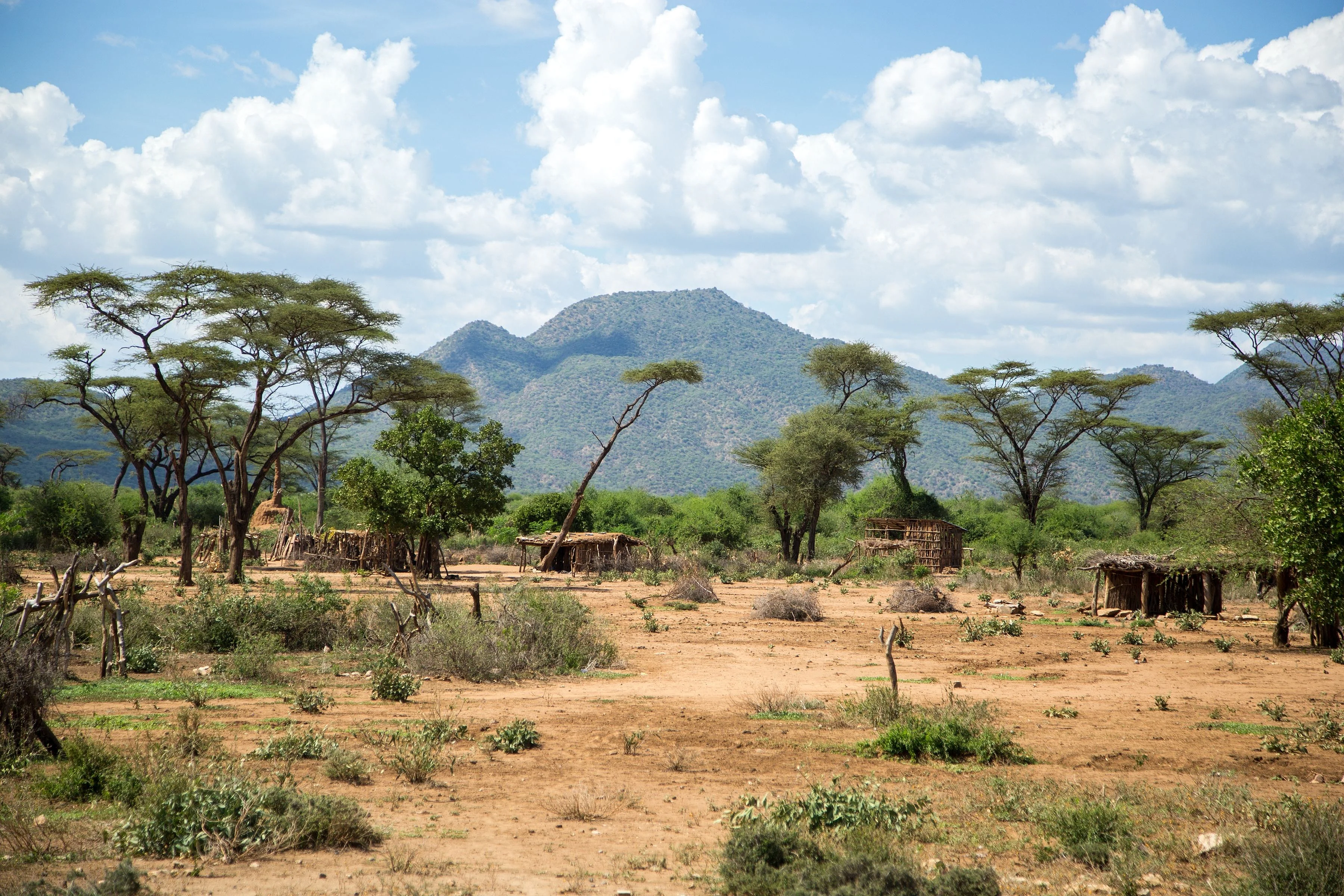
- Expedition to the Omo Valley: Visiting the ethnic groups of the south, a much more demanding terrain typically handled by specialized agencies due to road conditions and tribal logistics.
- Northern and Southern combo or Danakil extension: For travelers looking to add the Danakil Depression and its active volcanoes, an environment requiring serious professional support because of extreme heat and remoteness.
Tailor-made itineraries exist but remain less common than pre-packaged circuits, though they are often flexible regarding duration and specific stops.
How much does an agency-booked trip to Ethiopia cost
Pricing varies significantly based on tour type, length, and accommodation tier. As a baseline, an 8-day itinerary with a driver-guide starts around $1,450* (about $1,400), international flights excluded. For a more extended thematic journey, a 12-day coffee route tour runs around $2,370* (about $2,300) per person.
| Trip Type | Duration | Estimated Budget |
|---|---|---|
| Historical Route (North) small group tour | 7 to 9 days | $1,360 to $1,810* |
| Thematic tour or North and Danakil combo | 10 to 13 days | $2,260 to $3,380* |
| Grand North and South (Omo) private tour | 15 to 18 days | $3,380 to $6,190* |
These amounts generally do not cover international airfare. Depending on how you arrange it, a self-organized trip costs between $1,300 and $1,750* per person for a 7-day stay including flights, giving you a useful benchmark against agency quotes.
Seasonality also impacts pricing. Peak season runs from October to January, with rates typically 20% higher during this window.
Keep in mind: a quote noticeably below these ranges warrants a close check on the number of hotel nights, included domestic flights, and the type of vehicle provided.
Key questions to ask before booking your Ethiopia trip
Beyond standard vetting criteria for any tour operator, a few questions are specific to this destination.
Domestic flights and ground logistics
Are domestic flights included and confirmed? Ethiopian Airlines operates most of the domestic network, with flight frequencies sometimes limited to regional airstrips like Lalibela or Axum.
Is the assigned vehicle suited for rough terrain? A four-wheel-drive vehicle is often necessary outside major highways, particularly for the Danakil region or rural southern zones.
Guides in the South and sensitive areas
Who leads the tour through the Omo Valley? This region involves village visits, a sensitive context requiring a guide thoroughly experienced in local protocols.
Support when unexpected issues arise
What does the support plan cover if a flight is canceled or delayed? Domestic flight cancellations are not uncommon during the rainy season, and a solid operator has a clear backup plan in place before departure.
Local Ethiopian agencies versus specialized international operators
What locally based Ethiopian agencies offer
Agencies headquartered in Addis Ababa generally offer more competitive pricing and intimate ground knowledge. However, pre-trip communication can sometimes be less responsive depending on time zones and local business habits.
What specialized international operators offer
Agencies specializing in the Horn of Africa or East Africa provide a point of contact in your language throughout the planning phase. Their rates are typically higher since they subcontract part of the ground operations to local partners.
How to choose between them
In either case, confirm who actually handles the on-the-ground execution. Some European-based agencies fully delegate their tours to an Ethiopian ground handler, which is not an issue in itself, but needs to be transparent before payment.
When to book your trip to Ethiopia
The dry season, the most popular period
The dry season, lasting roughly from October to March, concentrates most tour departures, peaking around Christmas for the Ethiopian Genna holiday and Timkat in January in Gondar. These periods feature higher prices and tighter domestic flight availability.
Planning ahead for religious holidays
Booking several months in advance is essential if your travel dates coincide with these major celebrations, which draw strong interest from travelers keen on Ethiopian Orthodox culture.
Specific paperwork to prepare
Visas and entry documents
Entering Ethiopia requires a visa, which most European and American travelers secure online (e-visa) prior to departure. Some agencies include assistance with this step in their packages, while others leave the entire responsibility to the traveler.
Health and vaccinations
Yellow fever vaccination may be required depending on your recent travel history, and antimalarial medication is generally recommended for certain regions. While these health steps are your responsibility, a reputable agency should at least point you toward official health resources before departure.
Frequently asked questions
Can you visit the Omo Valley without going through a specialized agency?
Can an agency organize the Danakil extension safely?
- Presence of a guide who knows the tracks toward Erta Ale and Lake Assale
- Recent 4x4 vehicle with water and fuel reserves
- Existence of a local contact in case a zone closes for security reasons