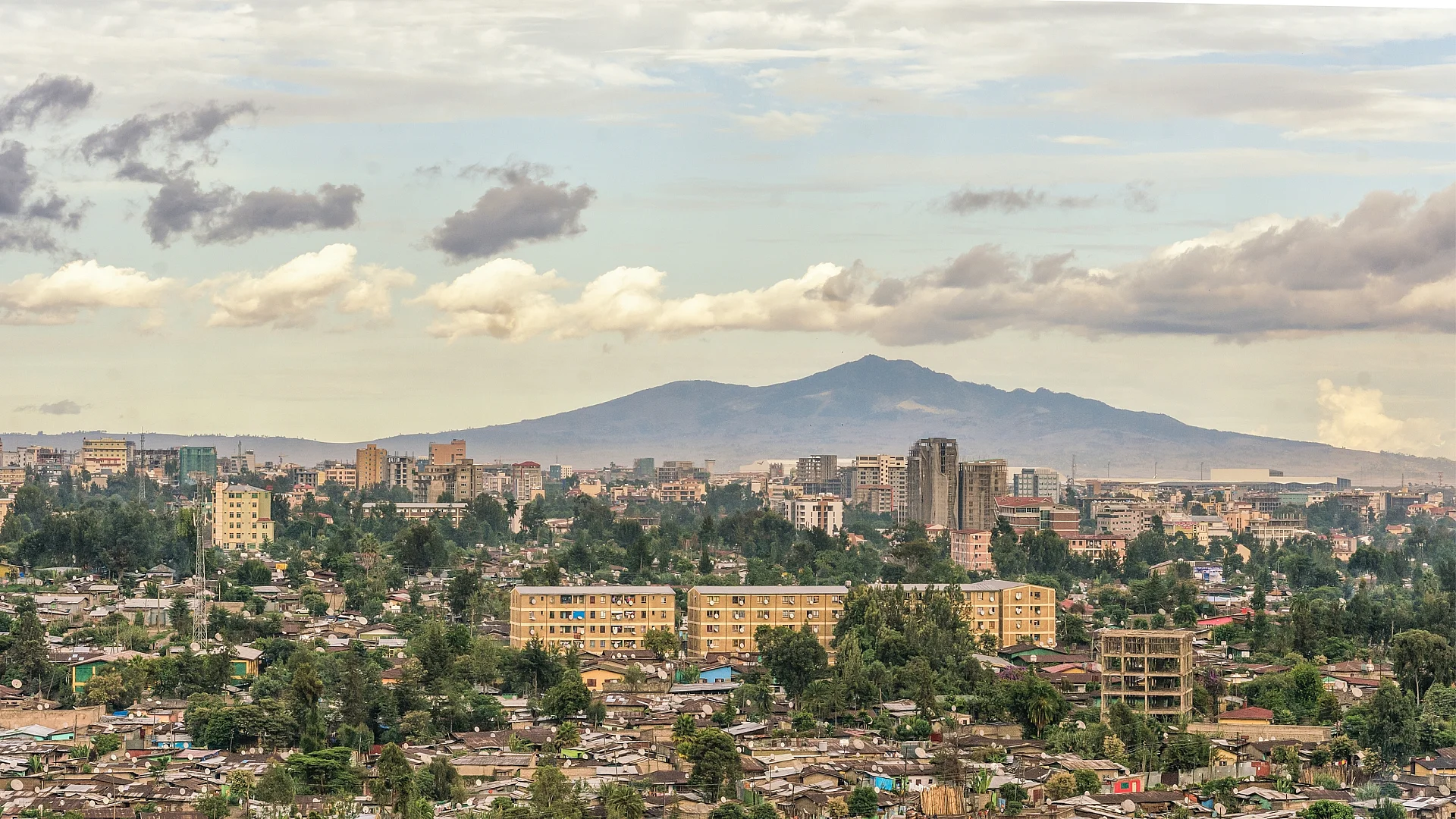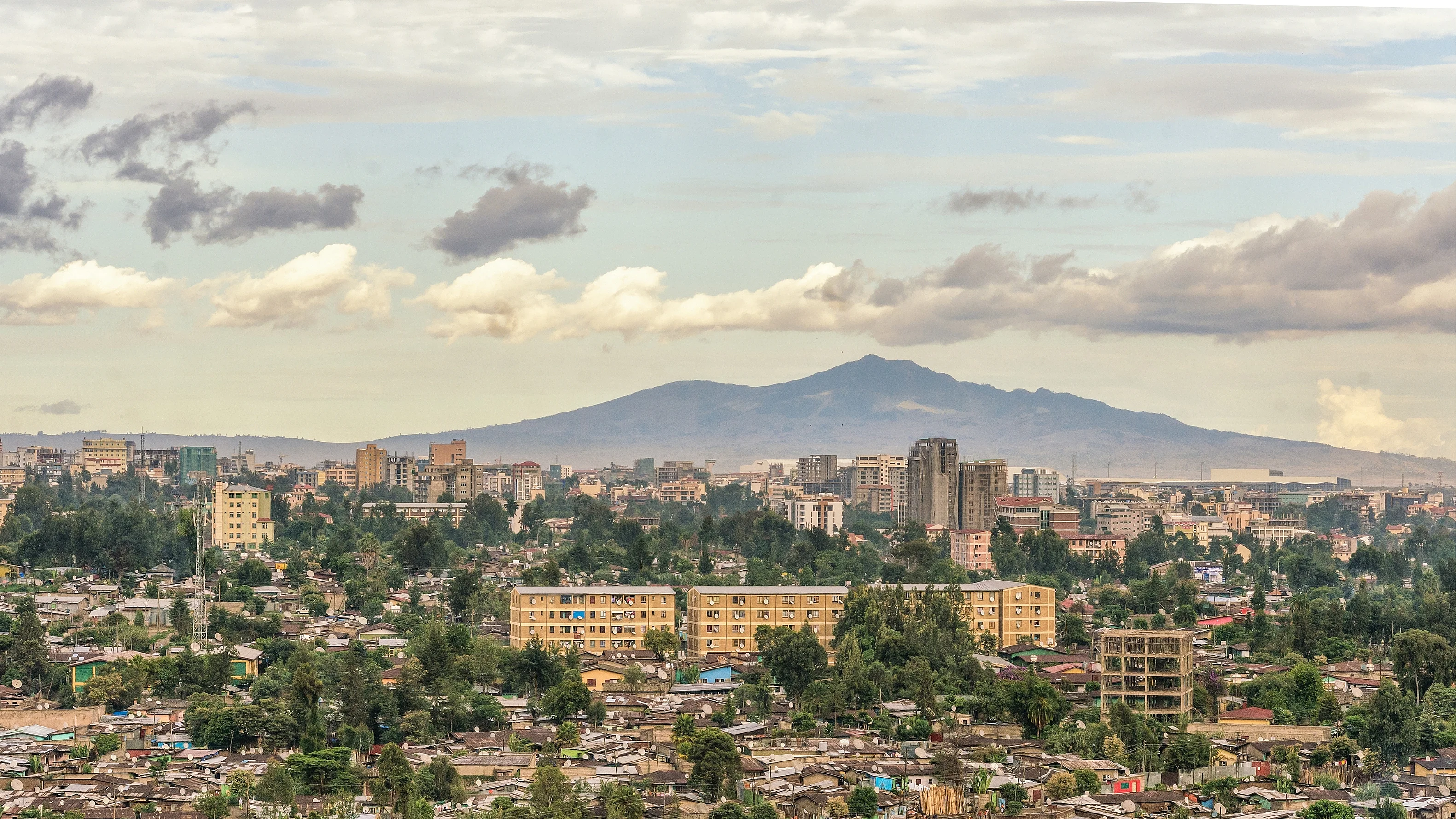
Addis Ababa, the capital that breathes at 2,400 meters elevation
In Addis Ababa, you notice the thin air right away. That makes sense since the city sits between 2,300 and 2,500 meters above sea level, making it one of the highest capital cities in the world.
Then comes the scent of roasted coffee drifting from neighborhood snack spots at dawn, mixing with the smell of spices and exhaust fumes. It is a city unlike any other African capital, raw and endearing all at once.
Is this destination for you?
If you like capitals that do not put on a show for tourists, Addis Ababa will appeal to you. It is a working city of markets, with sharp architectural contrasts between brand-new high-rises and corrugated-iron neighborhoods. History and spirituality enthusiasts will also find plenty to interest them, thanks to Orthodox churches and museums that tell the unique story of Ethiopia, which was never colonized for long.
On the other hand, if you are looking for a polished, clean capital that is easy to walk around without a second thought, you are in the wrong place. Traffic is heavy, sidewalks are often broken, and you have to accept a degree of roughness to appreciate the city.
Good destination for:
- History and ancient civilization enthusiasts
- Coffee lovers and authentic market seekers
- Travelers transiting to the rest of Ethiopia
- Budget travelers looking for an affordable African stopover
Not recommended for:
- People sensitive to pollution and urban noise
- Travelers looking for beach resorts or pure relaxation
- Anyone who dreads high altitude (shortness of breath is common the first few days)
A very accessible budget compared to Europe
| Expense | Range |
|---|---|
| Night in a simple guesthouse | $12 to $23* |
| Night in a comfortable hotel | $45 to $90* |
| Meal at a local restaurant | $2.30 to $5.60* |
| Meal at an expat-oriented spot | $12 to $17* |
| Taxi ride (short distance) | $2.30 to $5.60* |
Estimated rates subject to change
Practical realities to know before you go
English is somewhat limited outside of hotels and tourist zones. The Ethiopian birr is the local currency, and cash is still king, though credit cards are starting to be accepted at major hotels. The climate is a pleasant surprise. Thanks to the elevation, temperatures stay mild year-round and rarely feel oppressive.
General safety is decent in central and crowded areas, but visible poverty and begging can catch first-time visitors off guard. It is best to avoid walking alone at night in poorly lit neighborhoods, and you should take a taxi for trips after dark.
Piazza, the historic and lively neighborhood
This is the older heart of the city, shaped by the Italian occupation of the 1930s. You will find a distinct architectural mix here, featuring crumbling colonial buildings alongside noisy storefronts. The Saint George Cathedral (Kidus Giyorgis), built in an octagonal shape in the early 20th century, stands out as a key landmark in the area.
Piazza buzzes with street vendors, tailors, and tiny coffee shops. Many travelers use this as their starting point before venturing further out.
Merkato, Africa's largest open-air market
Merkato is known as one of the most expansive markets on the continent. You can find practically anything here, including spices, textiles, auto parts, coffee beans, and sometimes livestock. The atmosphere is dense, loud, and sometimes chaotic.
Friendly tip: leave valuables and visible jewelry back at the hotel, keep your camera secure, and aim for a morning visit when activity peaks before the afternoon heat sets in.
Bole, the modern business and expat district
In sharp contrast to Piazza, Bole is packed with glass high-rises, international restaurants, and Bole International Airport (ADD). This is the neighborhood to stay in if you want modern comfort, reliable internet, and a more cosmopolitan vibe.
The National Museum and the origins of humanity
Do not miss the National Museum of Ethiopia, which houses a cast of the fossilized remains of Lucy, one of the oldest hominids ever discovered, dating back about 3.2 million years. Taking a full tour, ideally with a local guide, helps explain why Ethiopia is often called the cradle of humanity.
Where to eat and drink in Addis Ababa?
The must-try national dish is injera, a spongy, fermented flatbread made from teff, served with spicy stews known as wat. Also make sure to try tibs, which are pieces of meat sautéed with spices, and of course experience the coffee ceremony. This is a social ritual where coffee beans are roasted, ground, and brewed right in front of you, often alongside burning incense.
Where to stay in Addis Ababa?
Bole remains the most practical neighborhood for short stays, close to the airport and well-stocked with restaurants and hotels across various price points. Piazza suits travelers looking for a more local immersion and lower rates, even if it means sacrificing some modern comforts.
How to get to Addis Ababa?
Bole International Airport (ADD) is served by direct flights from several major global hubs, with flight durations from European gateways like Paris typically running between 6 and 8 hours. Addis Ababa also serves as a major hub for connecting to destinations across East Africa.
How to get around Addis Ababa?
The light rail line (Addis Ababa Light Rail), one of the first in Sub-Saharan Africa, connects major corridors and is very inexpensive. Otherwise, the blue and white minibuses run across the city for very low fares, though using them requires knowing the specific routes.
For greater simplicity, local rideshare apps work well in central areas and save you from the haggling required with traditional taxis.
When to go to Addis Ababa?
The dry season, running from October to March, offers the most pleasant conditions, with clear skies and comfortable temperatures kept mild by the high elevation.
The heavy rainy season, between June and September, makes getting around difficult and brings overcast skies almost daily, so it is best to avoid it if possible.