Visiting New Zealand: When Nature Puts on a Show
Picture a landscape where glaciers sit right next to subtropical beaches, bubbling geysers punctuate unreal green pastures, and adventure waits around every corner. New Zealand is not just a destination. It is a full-scale playground that redefines how you travel. Forget ancient monuments or frantic capital cities here, because Mother Nature in all her raw glory is the undisputed star.
Is This Destination for You?
This country appeals above all to nature lovers and adrenaline junkies. If you dream of epic hikes, bungee jumping over sheer gorges, or kayaking through dramatic fjords, you are in the right spot. Urban souls looking for shopping or high-energy nightlife might be disappointed, as Auckland and Wellington remain modest in size.
Keep the budget in mind, since New Zealand ranks among the most expensive destinations in the world. A simple meal can cost the equivalent of a fine-dining experience back home. Distances on the map are also deceptive. Count on a full day of driving just to cross the South Island from end to end. Finally, the long flight and the massive time change can hit hard during your first few days.
The South Island: A Symphony of Ice and Rock
The South Island packs in the country's most dramatic landscapes. The Southern Alps carve a jagged skyline that rivals the best European peaks, while the fjords of Fiordland offer a wild, breathtaking beauty. Milford Sound remains the absolute icon, with waterfalls plunging into dark, cliff-lined waters.
Mount Cook, the country's highest peak, draws mountaineers from across the globe. Yet even without crampons, the hikes around Lake Pukaki deliver milky turquoise panoramas that defy logic. Further south, the lake region around Wanaka and Queenstown combines natural beauty with extreme sports.
Friendly tip: Avoid Milford Sound in the rain, which happens about 200 days a year. Check the forecast and reschedule if needed, because the experience is entirely different.
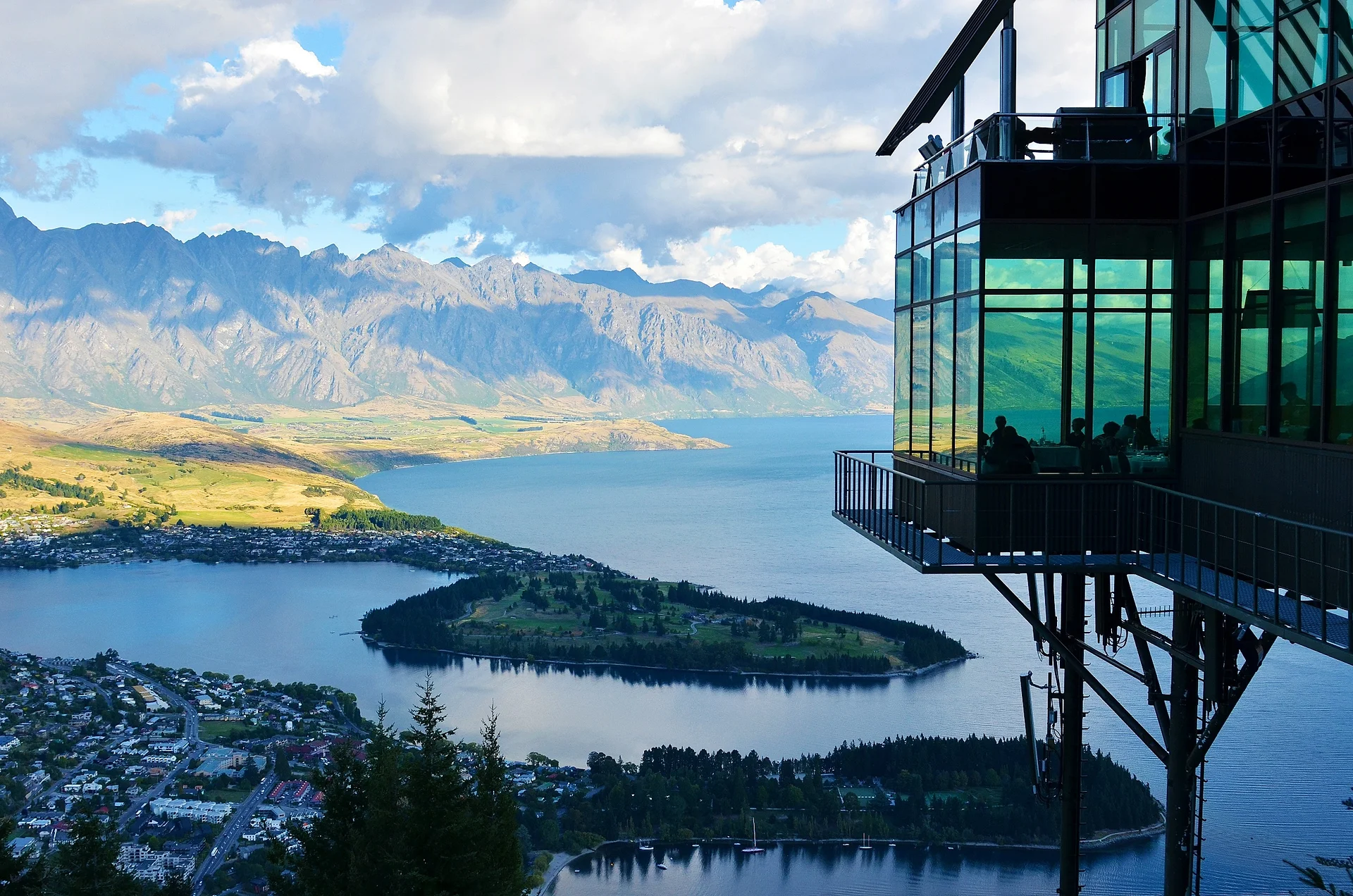
Queenstown, World Capital of Adrenaline
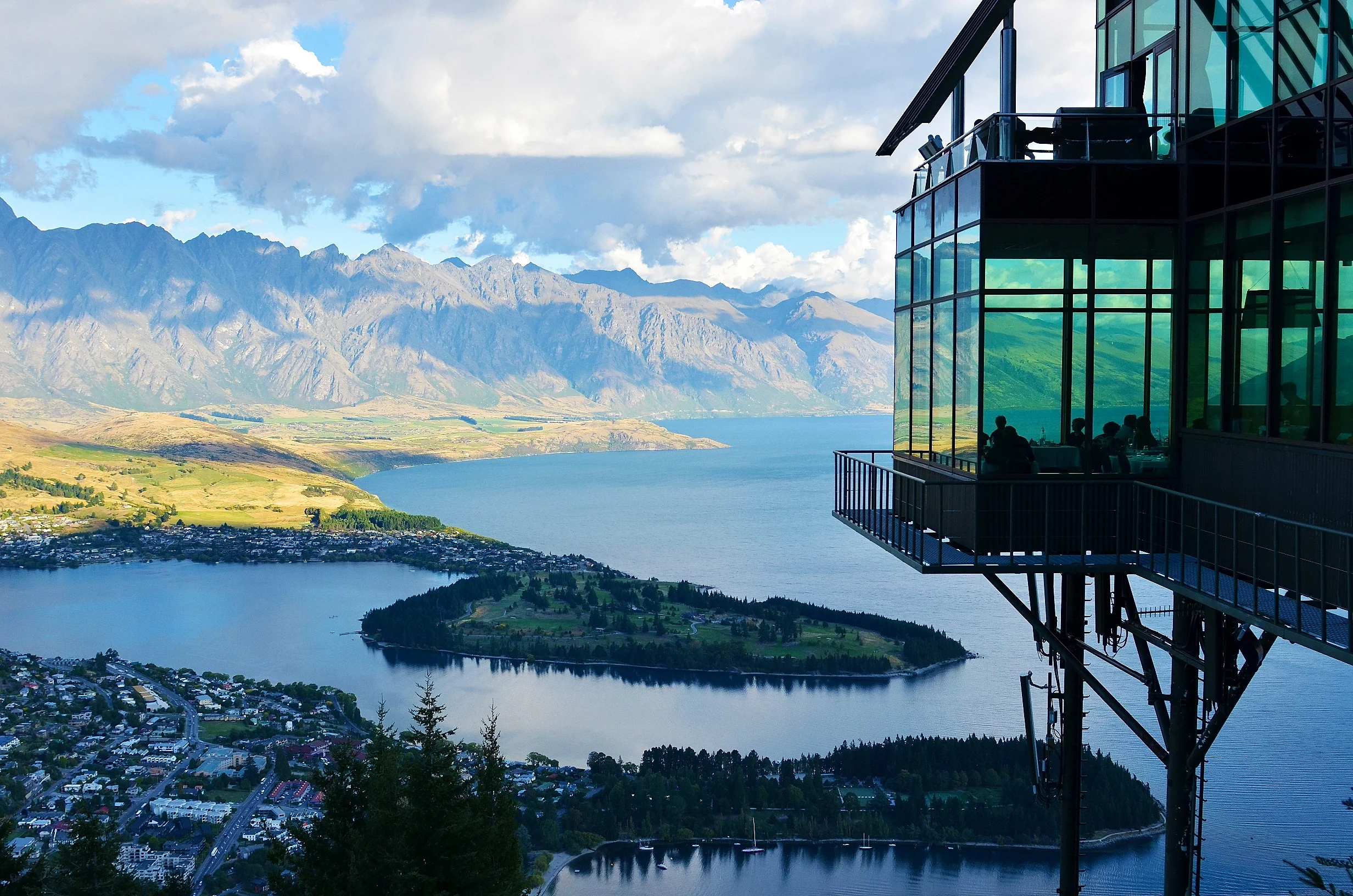
This small town of 15,000 residents revolutionized adventure tourism. Bungee jumping off the Kawarau Gorge Suspension Bridge (the world's first commercial site), paragliding, whitewater rafting, and via ferrata push past your imagination. Even laid-back travelers find plenty to do with gondola rides or cruises on Lake Wakatipu.
The North Island: Between Volcanoes and Māori Culture
The North Island plays a different tune, blending volcanic activity with cultural heritage. The Rotorua region literally bubbles with geysers, hot springs, and mud pools that put on a one-of-a-kind geological show. The sulfur smell takes some getting used to, but you adapt quickly.
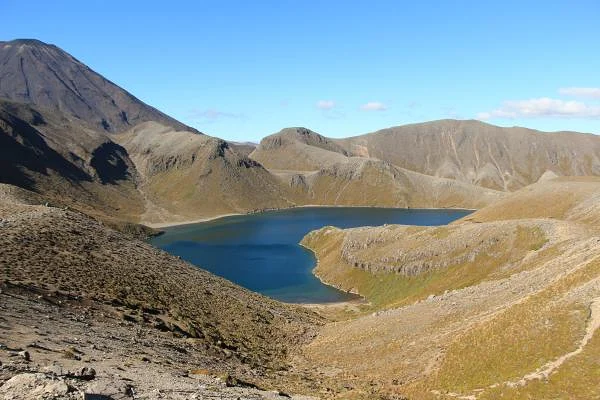
Tongariro National Park shelters three active volcanoes whose cone shapes stood in for Mordor in Peter Jackson's films. The Tongariro Alpine Crossing ranks among the world's best day hikes, cutting through lunar landscapes punctuated by emerald lakes.
The Coromandel Peninsula shows a softer side with golden sand beaches and hidden coves. Hot Water Beach lets you dig your own natural spa pool in the sand at low tide, which makes for a genuinely unique afternoon.
Friendly tip: Book your lodging in Rotorua several months ahead. This town of 70,000 residents welcomes over a million visitors every year.
In the Footsteps of Hobbits and Māori
You cannot talk about New Zealand without mentioning The Lord of the Rings legacy. Hobbiton in the Waikato region faithfully recreates the Shire with its round hobbit holes and immaculate gardens. It sounds touristy on paper, but the detail stuns even non-fans.
Māori culture runs deep through New Zealand identity. Traditional performances in Rotorua offer an authentic look into this Polynesian civilization. The haka, a war dance popularized by the All Blacks rugby team, hits differently in its cultural homeland.
Wellington, A Small Capital with Big Character
The New Zealand capital surprises visitors with its compact size and bohemian edge. The Te Papa museum brilliantly traces the nation's story from geology to human migration. The hills ringing the harbor frame gorgeous views, especially from the top of Mount Victoria.
Auckland and Island Magic
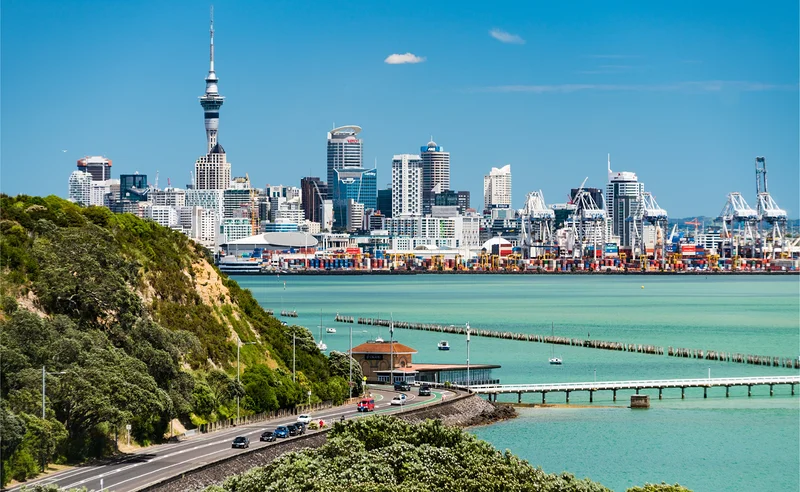
As the country's largest city with 1.6 million residents, Auckland surprises travelers with its exceptional natural setting. Built on an isthmus between two harbors, it features volcanic cones that double as scenic viewpoints. Waiheke Island, reachable in 40 minutes by ferry, mixes vineyards, beaches, and art galleries in an easy island escape.
The Sky Tower dominates the skyline at 328 meters tall and hosts the Southern Hemisphere's highest urban bungee jump. If you prefer keeping your feet on solid ground, the observation deck spans across the city and its twin harbors.
Friendly tip: Avoid driving through Auckland from 7 to 9 AM and 5 to 7 PM. The traffic rivals any major US metro area.
New Zealand on Your Plate: Pacific Fusion
New Zealand cuisine draws from British roots while embracing Asian and Polynesian influences. Lamb remains the undisputed star, tender, rich, and raised on exceptionally pure pastures. Seafood also takes center stage, particularly the giant green-lipped mussels from Marlborough and the famous oysters from Bluff.
Vineyards in Central Otago and Marlborough produce world-class wines, particularly Pinot Noir and Sauvignon Blanc that hold their own against top French bottles. Craft beer is also having a major moment with innovative independent breweries like Garage Project and Epic Brewing.
The pavlova, a meringue and fresh fruit national dessert, sparks fierce ownership debates with Australia. Meanwhile, savory pies remain the ultimate on-the-go snack, available at every gas station across the country.
When to Go to New Zealand
Since the seasons are reversed in the Southern Hemisphere, the summer months from December to February bring the best weather alongside the heaviest crowds. Temperatures hover between 70 and 77°F, which makes it prime time for water sports and high-altitude hiking.
Autumn from March to May often hits the sweet spot. You get milder temperatures, fiery foliage in the Central Otago wine country, and smaller crowds. Accommodation rates drop noticeably by mid-March.
The Southern winter from June to August turns the Southern Alps into a ski paradise at resorts like Coronet Peak and The Remarkables. Crisp, sunny days make this the ideal season for whale watching in Kaikōura.
Spring from September to November brings fields of colorful lupins blooming along the roadsides. Weather stays unpredictable, though, and you can easily experience all four seasons in a single afternoon.
How to Get to New Zealand
Flying is the only practical way to reach the country from North America or Europe. Air New Zealand runs long-haul routes, while major carriers like Cathay Pacific and Emirates offer connections through Asian or Middle Eastern hubs.
Auckland handles the bulk of international flights, but Christchurch serves as an ideal entry point if you want to dive straight into the South Island. Plan your budget carefully based on the season.
The significant time change requires a few days of adjustment. Try to book a flight that lands in the late afternoon local time to help your body clock settle on the first night.
Getting Around New Zealand
A rental car gives you the ultimate flexibility to explore, but remember that traffic drives on the left side of the road. Roads are generally well-maintained, but they tend to be winding and single-lane in each direction. The scenery constantly begs for photo stops, so pad your driving times.
Long-distance bus lines like InterCity serve the main sights with hop-on, hop-off passes. It is a budget-friendly choice, though it lacks the spontaneity of driving yourself.
Domestic flights with Air New Zealand or Jetstar save serious time on long stretches, especially when jumping between the two main islands. The Interislander ferry offers a scenic alternative with a 3.5-hour crossing across the Cook Strait that counts as one of the world's great boat rides.