
Visiting Auckland, a Metropolis Between Volcanoes and Ocean
Located on the North Island, Auckland is the largest city in New Zealand and a primary entry point for travelers. Between its volcanic landscapes, access to the Pacific Ocean, and cultural diversity, it offers an interesting mix of urban planning and nature. While it may not be the most picturesque city in the country, it is worth lingering to explore its lively neighborhoods, museums, and numerous islands accessible by ferry.
The Waitematā Harbor and Maritime Vibe
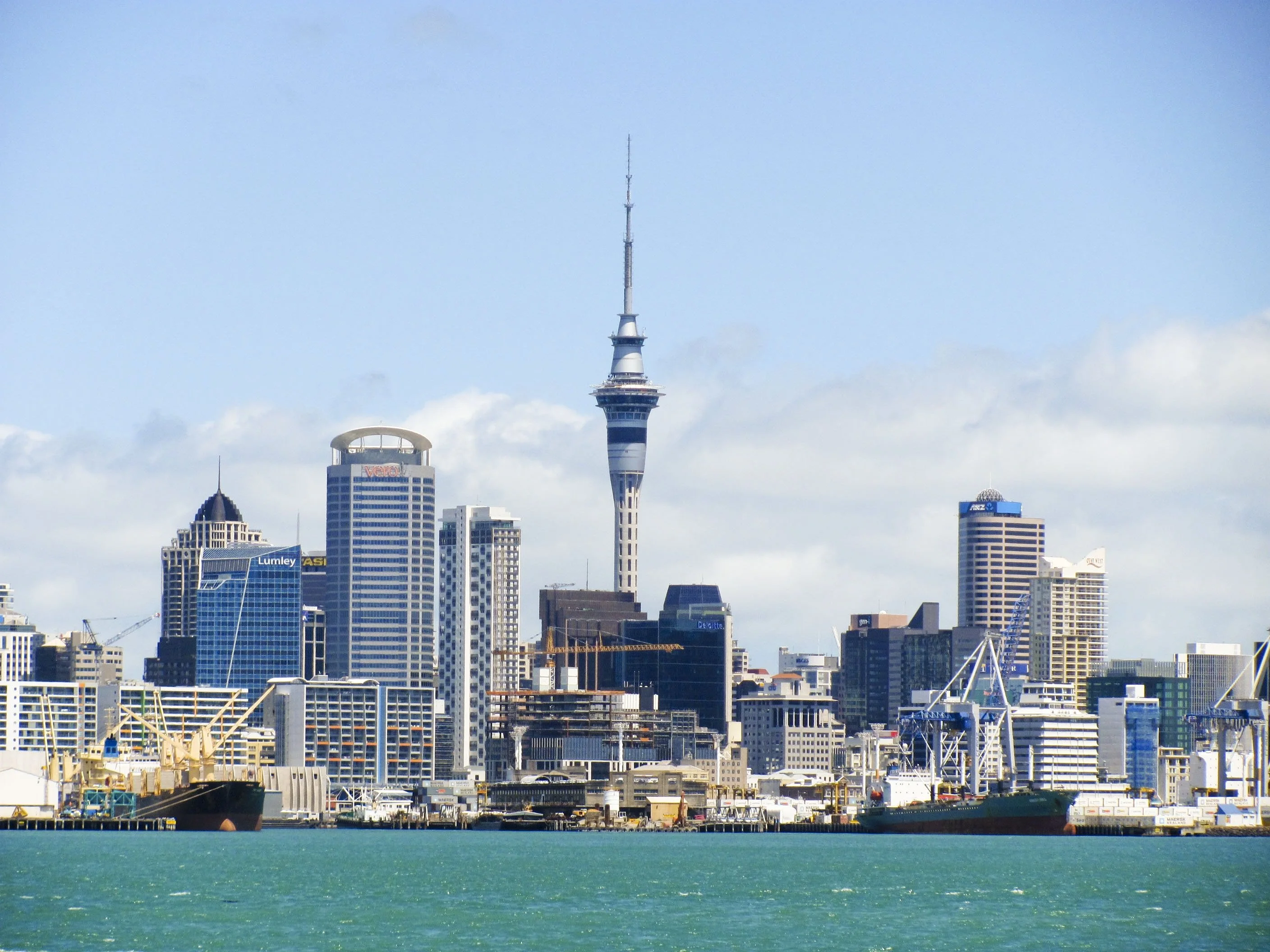
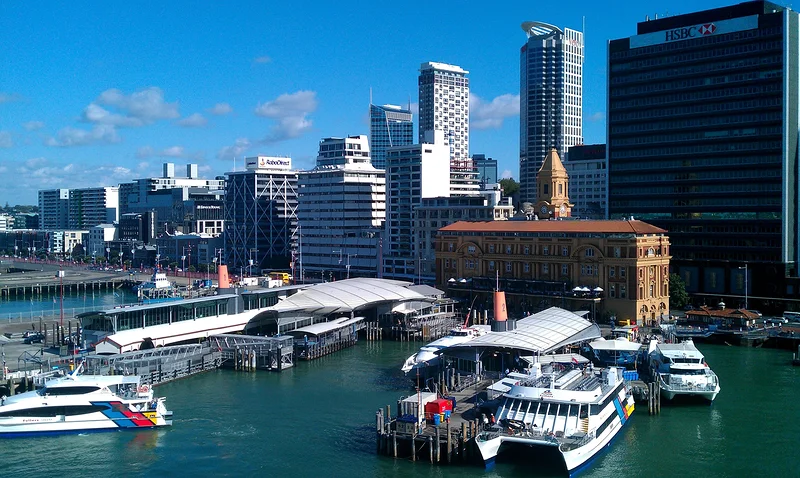
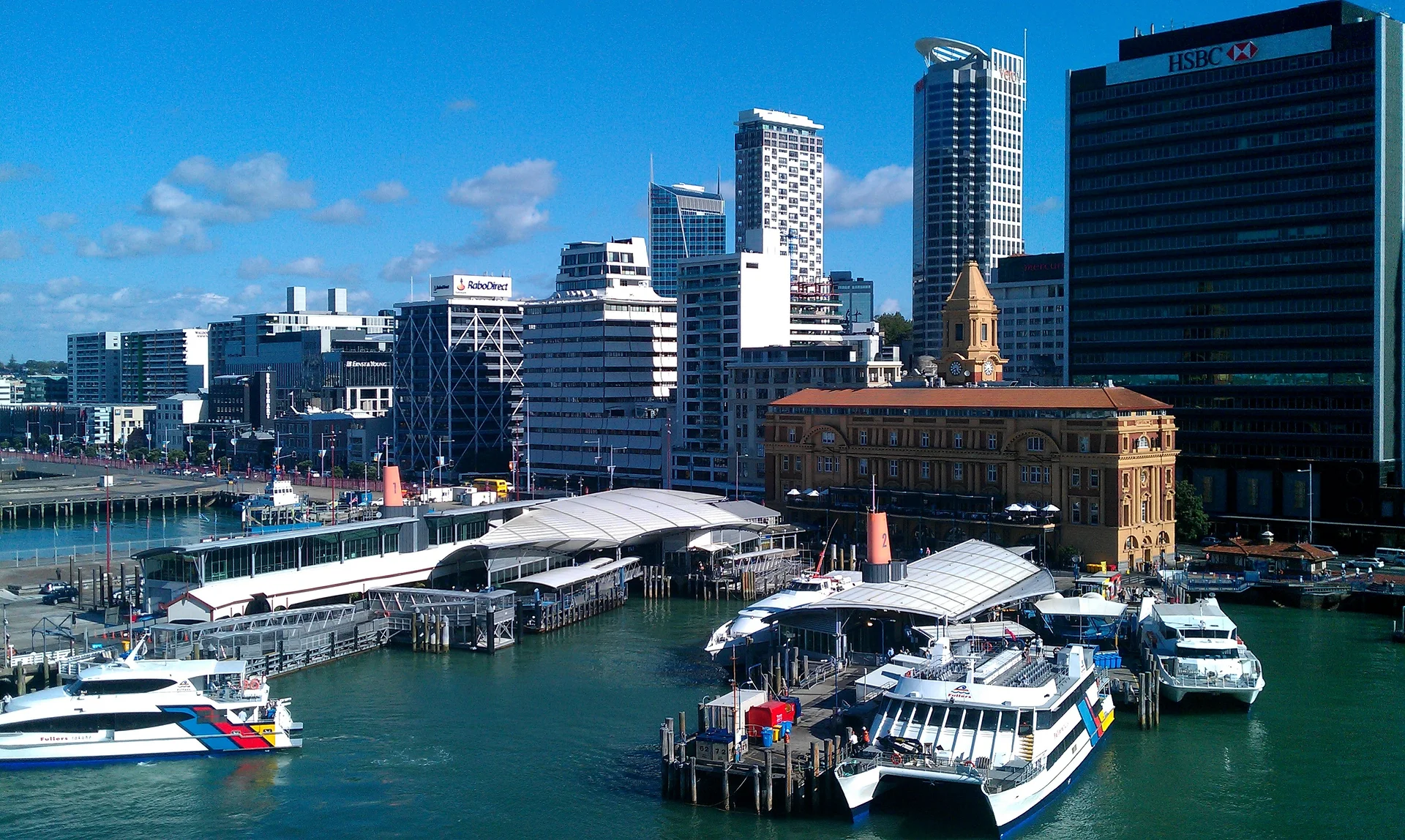
The Waitematā harbor is the maritime heart of Auckland. With its quays lined with restaurants and bars, it provides a pleasant setting for a seaside stroll. Viaduct Harbour, formerly a fishing port, is now a lively district, while Wynyard Quarter offers green spaces and pop-up markets. From there, ferries make it easy to reach the islands of the Hauraki Gulf.
Sky Tower and Urban Panorama
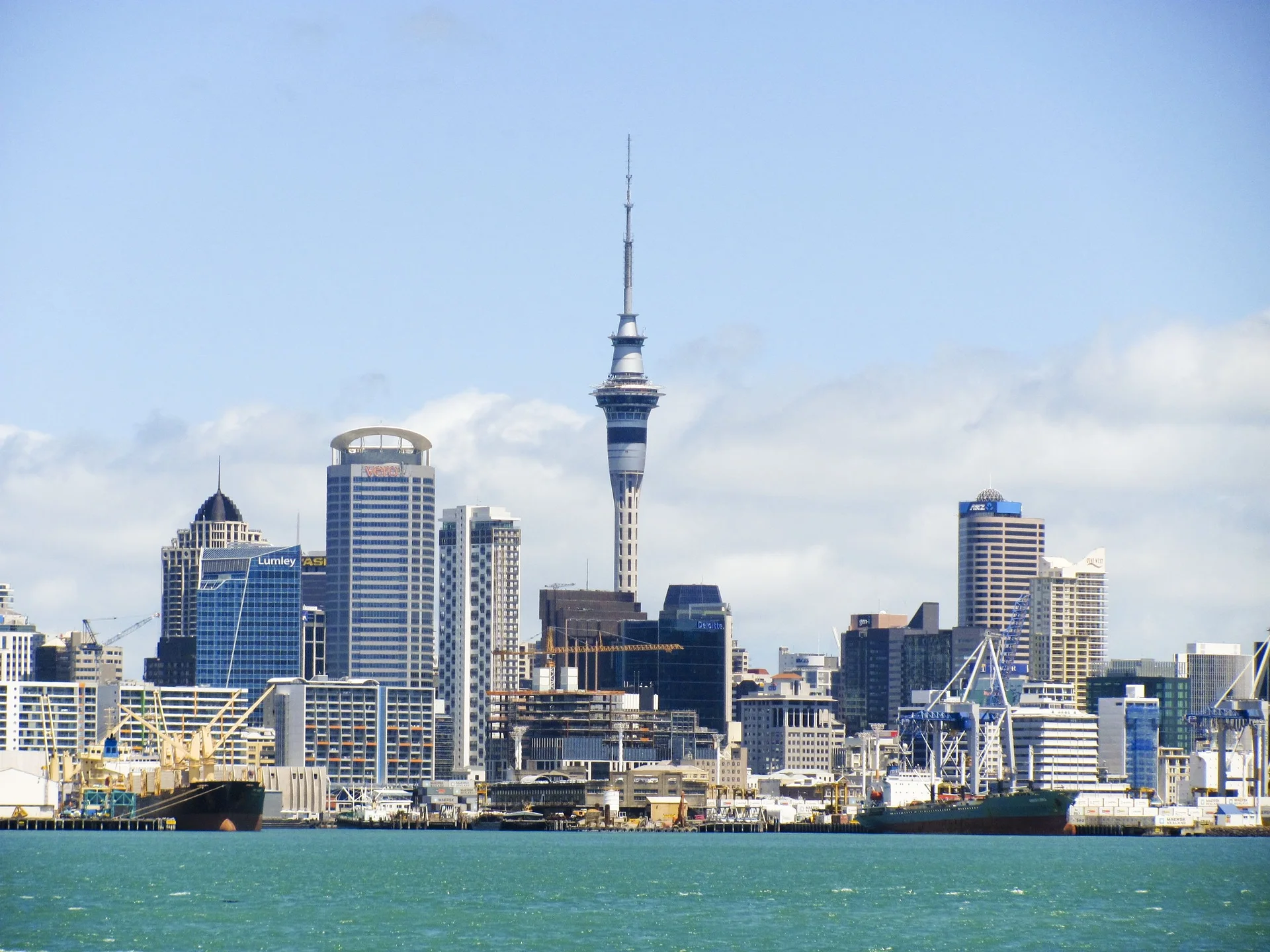
Dominating the city from a height of 328 meters, the Sky Tower is Auckland's most iconic building. Its observation deck offers a 360-degree view of the city and surrounding bays. For thrill-seekers, bungee jumping or a rooftop walk are available at the summit. The surrounding neighborhood, Federal Street, brings together several renowned restaurants and a lively nightlife scene.
The Volcanoes of Auckland, Between Nature and Panoramas
Auckland is built on a volcanic field featuring over 50 extinct craters. Among the most accessible, Mount Eden offers an unobstructed view of the city from its summit, while One Tree Hill, steeped in Māori history, is surrounded by a large park. For a more immersive excursion, the volcanic island of Rangitoto, accessible by ferry, allows for a hike through solidified lava landscapes and unique vegetation.
Beaches and Surrounding Islands
Although the city faces the ocean, the best beaches are located on the outskirts. To the west, Piha Beach is famous for its black sand and waves favored by surfers. On the north coast, Takapuna Beach offers a more family-friendly atmosphere.
Wine and nature lovers can take a ferry to Waiheke Island, a rolling island that is home to several vineyards and peaceful beaches.
A Culinary Scene Shaped by the Sea and Cultural Diversity
Auckland's cuisine reflects its multiculturalism, with strong Asian and Pacific influences. Local specialties include bluff oysters, those deep-south New Zealand oysters renowned for their briny taste, and fish and chips, very popular by the water. Meat lovers will appreciate the lamb roast, often served with vegetables and mint sauce.
Where to Eat?
- Depot Eatery (Downtown): a popular spot for fresh seafood and oysters.
- Giapo (Downtown): an ice cream parlor known for its original creations.
- Ostro (Britomart): an elegant brasserie overlooking the harbor.
- Sidart (Ponsonby): a fine dining restaurant serving modern New Zealand cuisine.
Where to Stay?
- The Hotel Britomart (Britomart): an eco-friendly hotel with a modern design.
- SkyCity Grand Hotel (Downtown): upscale lodging just steps from the Sky Tower.
- Haka Lodge (Ponsonby): a well-located and friendly hostel.
- Hilton Auckland (Viaduct Harbour): a hotel with harbor views and direct ferry access.
When to Go?
Auckland has a temperate climate, with mild summers and cool but rarely cold winters. The best time to visit runs from November to April, when temperatures are pleasant and water activities are accessible. In January, the Laneway festival hosts outdoor concerts.
How to Get There?
The main entry point is Auckland International Airport, located 20 km from downtown. From North America, nonstop flights operate from Los Angeles, San Francisco, Houston, and Vancouver. From Sydney, the flight takes about 3 h. Shuttles and buses connect the airport to the city center.
How to Get Around?
Auckland's public transit network includes buses, trains, and ferries. To get around central neighborhoods, the InnerLink bus system is practical. Car rentals are recommended for exploring the surrounding beaches and volcanoes.
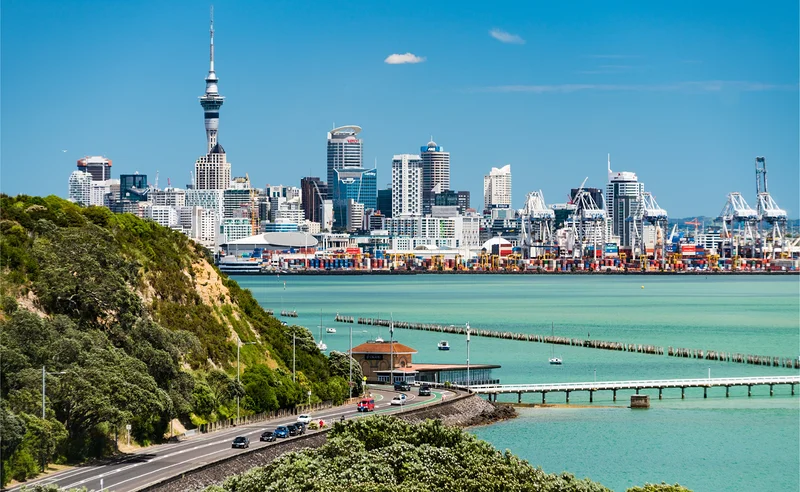
When heading to New Zealand, I had images of wide open, wild spaces in my mind. I had forgotten that it is a modern country with a thriving economy.
Auckland is there to remind you of that, with its tall modern buildings, cosmopolitan population, office workers in suits, bars, and restaurants.
Even so, the hustle and bustle does not seem to turn into stress, and traffic or public transit does not seem saturated like in other big cities.
I really loved walking around the harbor area. The sound and smell of the sea make you forget the city a bit. There are some cool boat excursions to do, like Rangitoto.
Another positive point is that there is greenery and parks everywhere. In short, it is a big modern city that lets its inhabitants breathe.