Visiting New Zealand: Where Nature Runs the Show
Editorial note, updated 09/25/2025
Glaciers within driving distance of subtropical beaches. Geysers bubbling up through impossibly green pastures. A country where you can ski in the morning and surf in the afternoon. New Zealand doesn't do subtle. There are no ancient cathedrals or sprawling megacities pulling focus here. The landscape is the whole point, and it delivers on a scale that's hard to process until you're standing in the middle of it.
Is This Trip Right for You?
New Zealand is built for outdoor obsessives and adrenaline seekers. If your idea of a great trip involves epic hiking, bungee jumping over gorges, or kayaking through fjords, you'll be in your element. If you're more into nightlife, serious shopping, or big-city energy, temper your expectations. Auckland and Wellington are pleasant but small by US standards.
Budget carefully. New Zealand is one of the more expensive destinations in the world. A casual lunch can easily run NZD 25-35 (about $15-21), and a sit-down dinner for two with drinks will typically set you back NZD 120-180 (roughly $72-108). Distances on the map are also deceptive. Crossing the South Island end to end can eat up a full day of driving. And the jet lag from the US East Coast (roughly 17-18 hours ahead of Eastern Time) is real. Plan a buffer day when you arrive.
South Island: Ice, Rock, and Fjords
The South Island is where the scenery gets serious. The Southern Alps run the length of the island like a jagged spine, rivaling anything you'd see in the Rockies for sheer drama. To the southwest, Fiordland delivers raw wilderness on a scale that's hard to find anywhere else on earth. Milford Sound is the iconic stop: waterfalls dropping hundreds of feet into black water flanked by sheer cliff walls.
Aoraki/Mount Cook, the country's highest peak, draws serious mountaineers from around the world. But you don't need crampons to be impressed. The trails around Lake Pukaki offer views of milky turquoise water that looks digitally enhanced in person. Further south, the Wanaka and Queenstown lake district layers that natural beauty on top of a full menu of adventure activities.
Insider tip: Skip Milford Sound on a rainy day, and the area gets around 200 rainy days per year. Check the forecast before you commit to the drive. The difference between a clear day and an overcast one is not minor.
Queenstown: Adventure Capital of the World
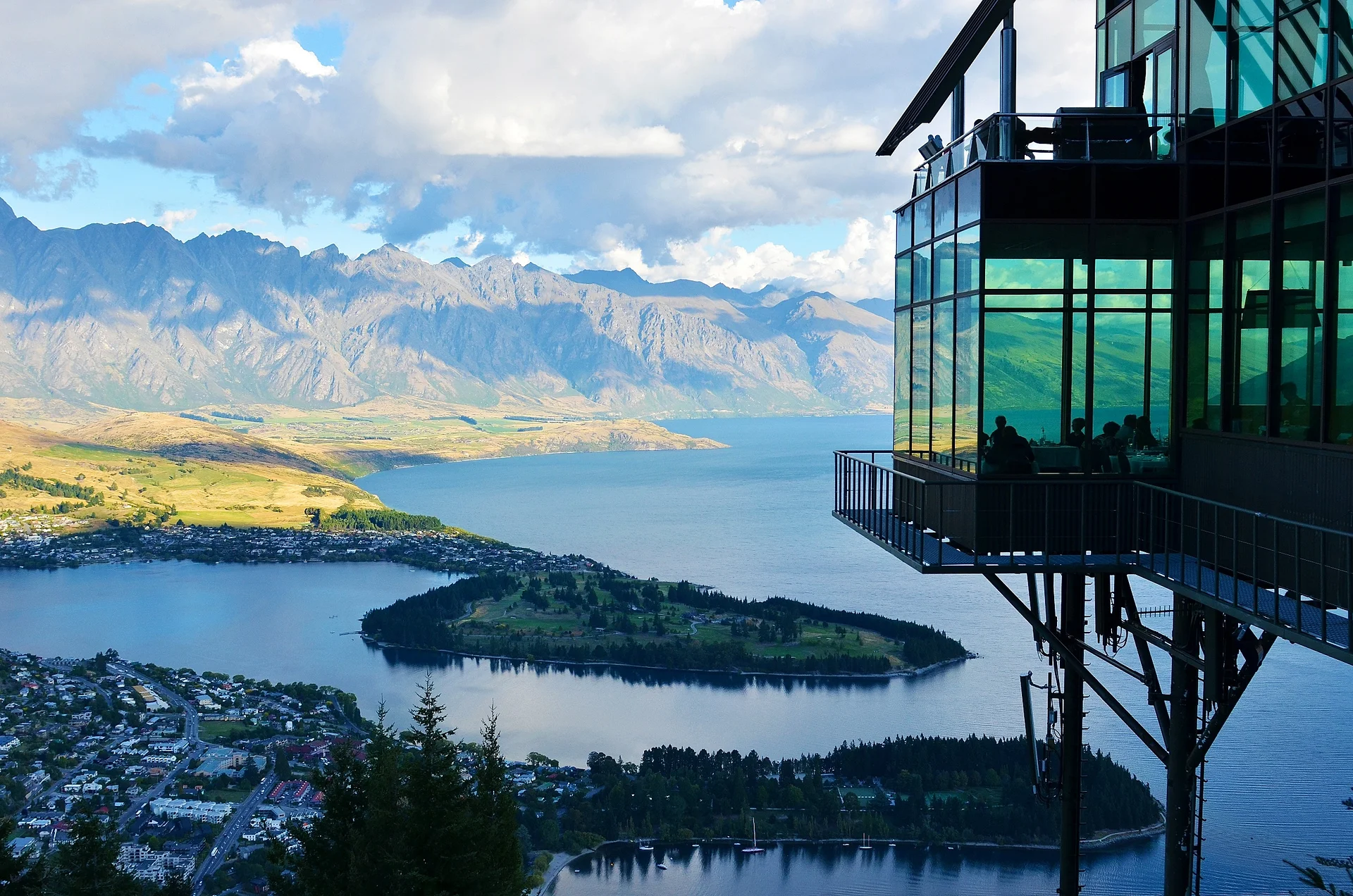
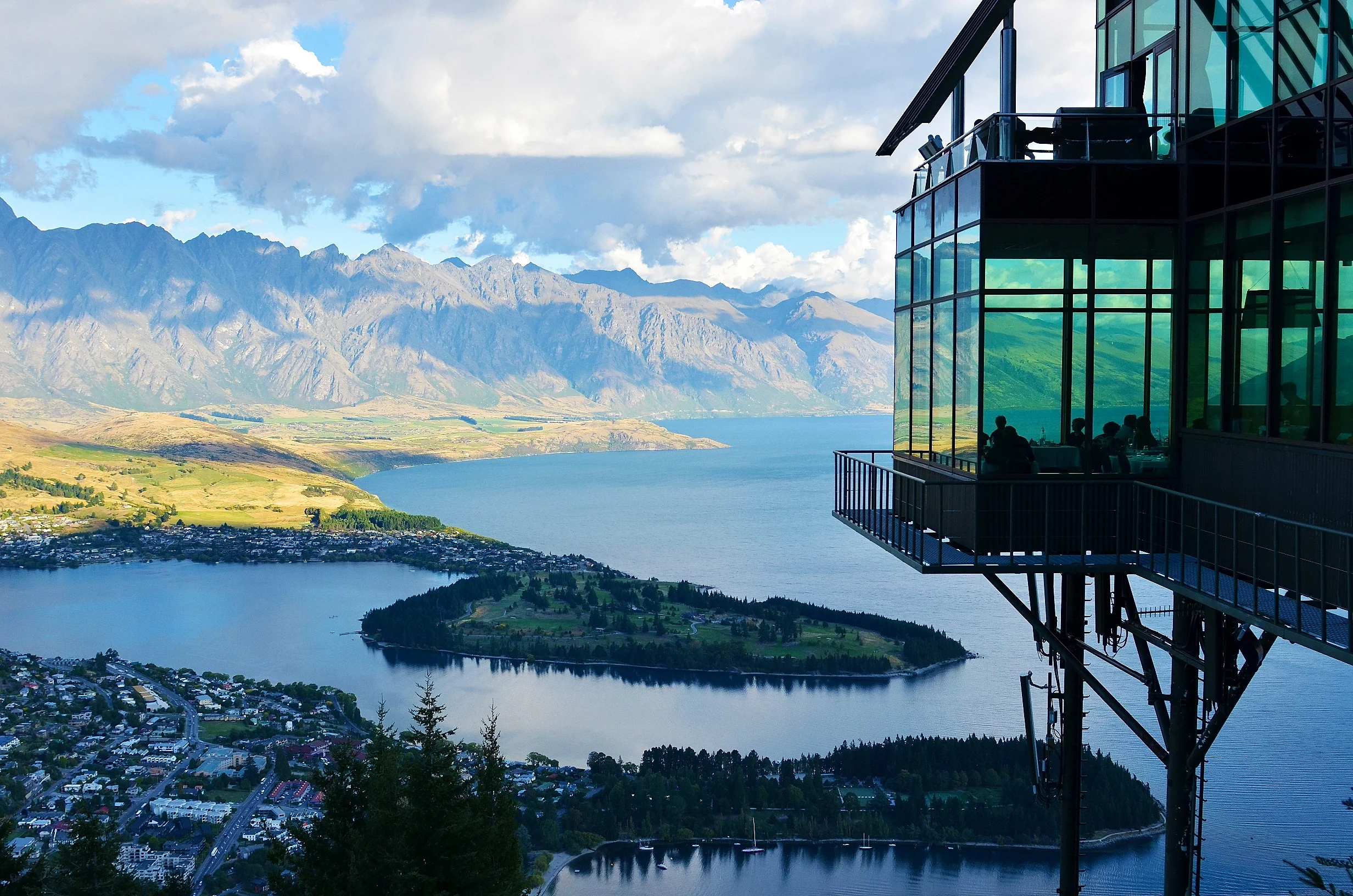
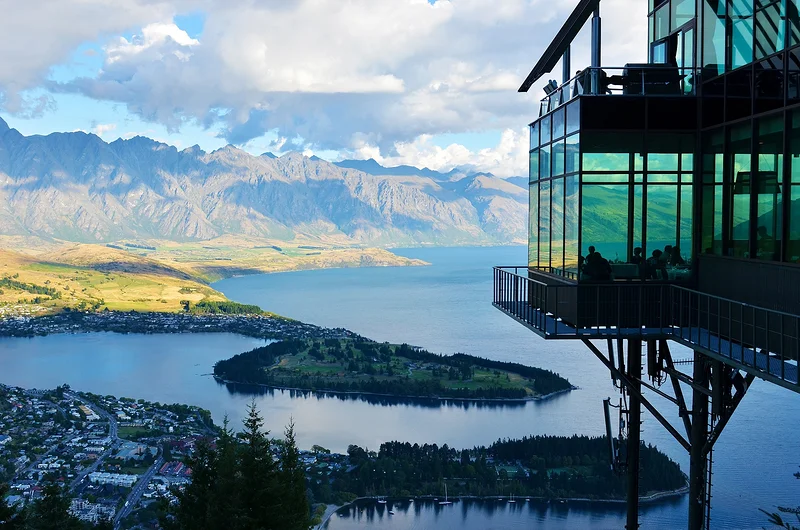
A town of about 15,000 people that essentially invented commercial adventure tourism. The Kawarau Bridge here was the world's first commercial bungee jump site, and the activity menu has only grown since. Paragliding, white-water rafting, via ferrata, skydiving. If you want to do it, someone in Queenstown will sell it to you. Not into the adrenaline stuff? Gondola rides and lake cruises on Lake Wakatipu cover the scenic side without the heart rate spike.
North Island: Volcanoes and Maori Culture
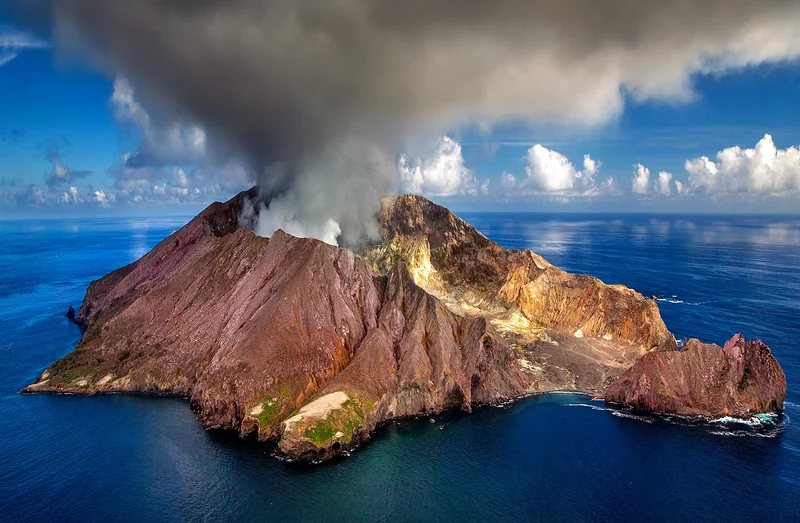
The North Island operates on a completely different register. Rotorua is geothermally active in a way that's genuinely surreal: geysers, hot springs, and bubbling mud pools scattered across the landscape. The sulfur smell hits you before you even get out of the car. You do get used to it.
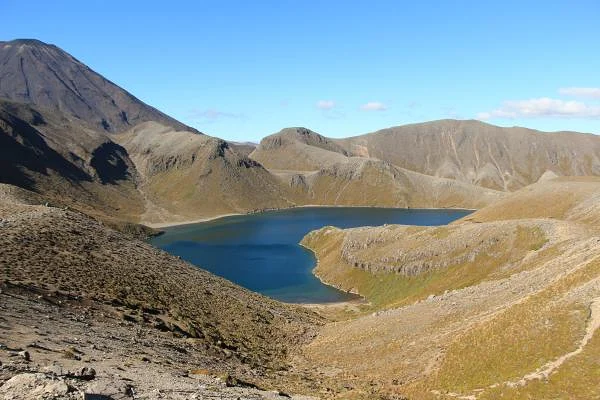
Tongariro National Park is home to three active volcanoes whose conical silhouettes served as the visual inspiration for Mordor in the Lord of the Rings films. The Tongariro Alpine Crossing is widely considered one of the best single-day hikes in the world, cutting through lunar lava fields and past emerald crater lakes. Plan for 7-8 hours on the trail.
The Coromandel Peninsula offers a softer side of the North Island, with golden-sand beaches and sheltered coves. Hot Water Beach is genuinely one of a kind: at low tide, you can dig your own personal hot tub right in the sand as geothermal water seeps up from below.
Insider tip: Book accommodations in Rotorua months in advance. This town of 70,000 people pulls in over a million visitors a year, and inventory gets tight fast.
Hobbits and Maori Heritage
You cannot talk about New Zealand without addressing the Lord of the Rings factor. Hobbiton in the Waikato region is a full-scale recreation of the Shire, complete with round doors, manicured gardens, and a working pub. Yes, it's a tourist attraction. It's also remarkably well done, and even people who haven't seen the films tend to come away impressed by the craftsmanship.
Maori culture runs deep in New Zealand's national identity in a way that goes well beyond museum exhibits. The traditional performances in Rotorua offer a genuine window into Polynesian history and tradition. The haka, the war dance most Americans know from All Blacks rugby pre-game footage, carries a completely different weight when you see it performed in its original cultural context.
Wellington: Small Capital, Big Personality
New Zealand's capital punches above its weight. It's compact, walkable, and has a creative, slightly bohemian energy. The Te Papa museum covers the country's full story from geological formation to Maori migration to European settlement, and it does it well. The hills surrounding the harbor are worth the climb, especially from Mount Victoria, for the panoramic views over the city and port.
Auckland and the Islands
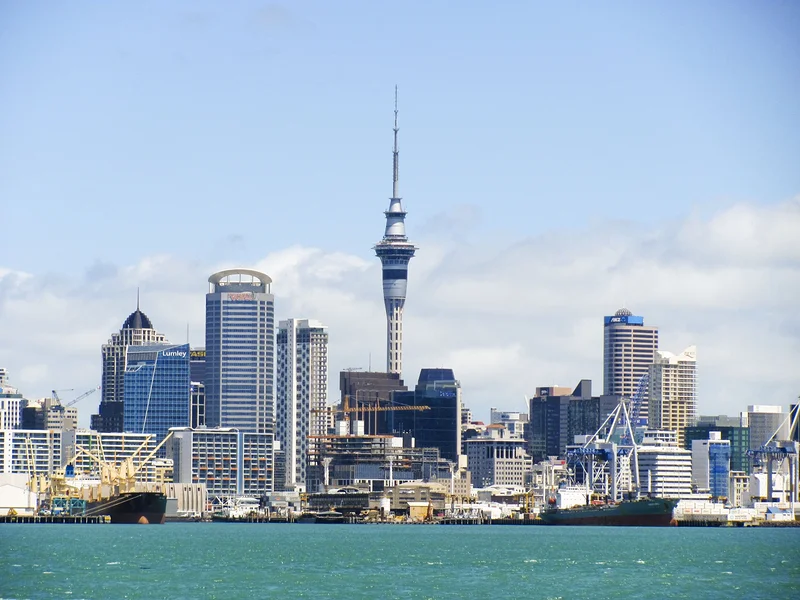
With 1.6 million people, Auckland is New Zealand's largest city by a wide margin. It sits on a narrow isthmus between two harbors, dotted with volcanic cones that double as viewpoints. Waiheke Island, a 40-minute ferry ride from downtown, packs vineyards, beaches, and art galleries into a compact island setting that feels like a world away from the city.
The Sky Tower tops out at 1,076 feet (328 meters) and holds the title of the highest urban bungee jump in the Southern Hemisphere. If jumping off it isn't your thing, the observation deck still gives you a solid 360-degree view over the city and both harbors.
Insider tip: Avoid driving in Auckland between 7-9am and 5-7pm. Rush-hour traffic here rivals what you'd find in a major US metro, which catches a lot of visitors off guard.
Eating in New Zealand: Pacific Fusion on a Plate
New Zealand's food scene starts with British roots and layers in strong Asian and Polynesian influences. Lamb is the star protein, raised on clean pasture and genuinely excellent. Seafood is a serious priority too, especially the Marlborough green-lipped mussels and the prized Bluff oysters from the far south.
The wine is world-class. Central Otago Pinot Noir and Marlborough Sauvignon Blanc are exported globally for good reason, and drinking them at the source, near the vineyards, is a different experience entirely. The craft beer scene has also exploded, with breweries like Garage Project and Epic Brewing leading the charge.
Pavlova, a meringue-based dessert topped with fresh fruit, is the national dessert and the subject of an ongoing (and entirely serious) dispute with Australia over who invented it. For a quick snack, grab a pie (savory meat pastry) from any gas station convenience store. They're everywhere, they're cheap, and they're genuinely good.
When to Go to New Zealand
New Zealand's seasons are flipped from the US. The austral summer (December through February) brings the best weather, temperatures in the low-to-mid 70s°F (20-25°C), ideal for hiking and water activities, but also the biggest crowds and peak prices.
Fall (March through May) is often the sweet spot. Temperatures are still comfortable, the vineyards in Central Otago turn spectacular colors, and the crowds thin out noticeably. Accommodation rates start dropping meaningfully after mid-March.
Winter (June through August) turns the Southern Alps into a ski destination, with resorts like Coronet Peak and The Remarkables near Queenstown drawing serious skiers. Days stay sunny even when it's cold, and this is the best season for whale watching at Kaikōura.
Spring (September through November) brings colorful lupins blooming along the roadsides in some of the country's most scenic corridors. Weather is unpredictable though. Four seasons in a single day is not an exaggeration here.
Getting to New Zealand
Flying is your only option from the US. From the West Coast, expect roughly 12-13 hours to Auckland nonstop. From the East Coast, connections through Los Angeles or Asian hubs add several hours. Air New Zealand flies direct from Los Angeles. Singapore Airlines, Cathay Pacific, and Emirates often offer competitive fares with a layover in Asia, which can break up the journey usefully.
Auckland handles the majority of international arrivals, but Christchurch is worth considering as an entry point if the South Island is your primary focus. Round-trip fares from the US West Coast typically run NZD 2,000-3,500 (roughly $1,200-2,100) depending on season and carrier.
The time difference from the US East Coast runs about 17-18 hours ahead (depending on daylight saving time in both countries). Give yourself a day to adjust before you start any serious hiking or driving. Arriving in the late afternoon local time helps you get to sleep at a reasonable hour on night one.
Getting Around New Zealand
A rental car is the most flexible way to see the country. Just remember: traffic drives on the left, same as the UK and Australia. Roads are generally well-maintained but often narrow and winding, especially on the South Island. Budget extra time everywhere. The scenery will make you stop constantly, and that's not a complaint.
Hop-on, hop-off bus passes through operators like InterCity and Naked Bus connect the major sights and work well for solo travelers on a tighter budget. Less flexible than a car, but significantly cheaper.
Domestic flights with Air New Zealand or Jetstar save serious time on longer routes, particularly between the North and South Islands. The Interislander ferry is the scenic alternative, a 3.5-hour crossing through the Marlborough Sounds that's consistently rated among the most beautiful ferry routes in the world. Worth doing at least one way if your schedule allows.