Yulara, the Red Gateway to Uluru
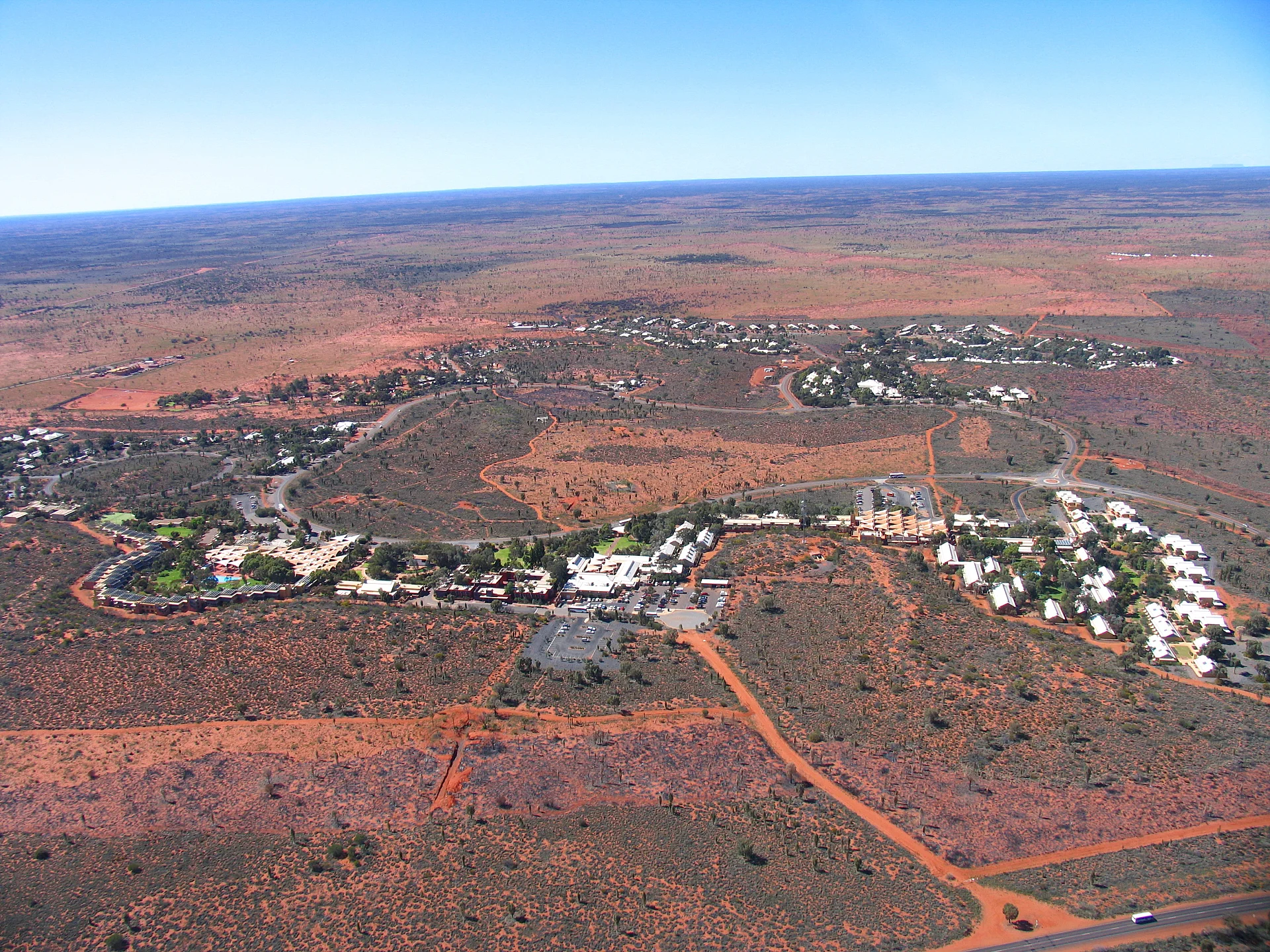
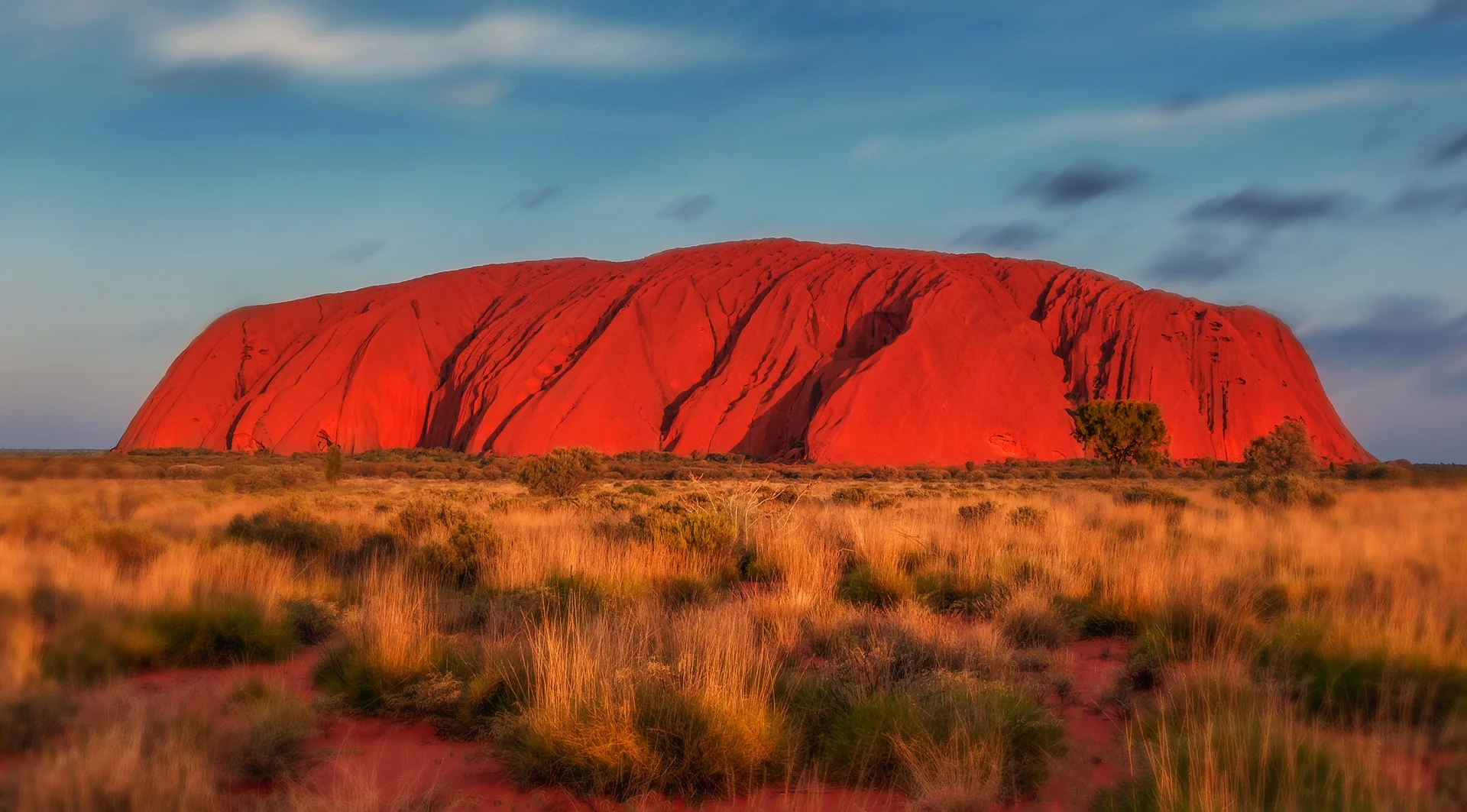
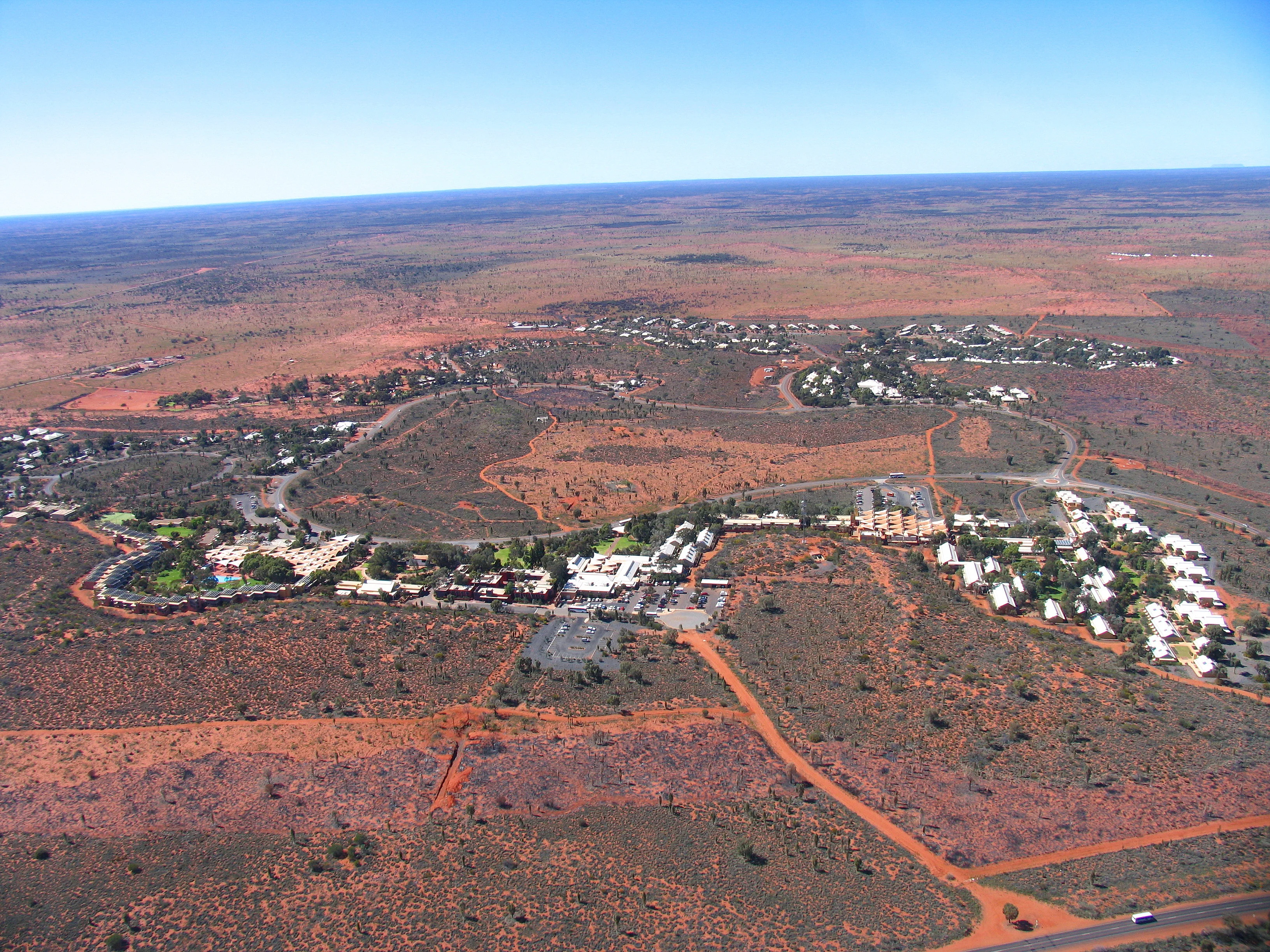
The ground is a deep orange, the vegetation sparse, and the horizon flat to the point of absurdity. Then, at daybreak, a dark sandstone mass takes shape in the distance. Yulara is not a town in the usual sense: it is a resort village built to accommodate visitors to Uluru-Kata Tjuta, right in Australia's Red Centre.
A Destination Right for You?
Yulara suits travelers who come for the landscape and Indigenous culture, and who accept the high cost of isolation. The entire trip revolves around Uluru and Kata Tjuta, about a twenty-minute drive away.
On the other hand, it disappoints those expecting a real town with bustling streets, nightlife, or a la carte dining options. Here, people turn in early and get up before the sun.
Suitable for:
- Fans of sweeping landscapes and early morning hikes
- Those interested in Anangu culture
- Sunrise and sunset photographers
- Travelers on a Red Centre road trip
Not suitable for:
- Tight budgets
- Nightlife seekers
- Travelers who struggle with heat
- Very short trips with heavy transit times
High Prices Come with Isolation
Everything is hauled in from a very long way off, and prices reflect that reality. Accommodations operate almost as a monopoly: budget generously, especially in peak season, and book early.
Practical Realities
The village is compact and walkable: lodgings, Town Square with its grocery store, shops, and handful of restaurants, along with a post office and visitor center. Flies are a major nuisance, making a head net, which is inexpensive on-site, well worth buying.
Water is a safety issue, not a comfort factor. In summer, temperatures regularly top 40 °C: hikes happen at dawn, and you need to carry as much water as possible.
Uluru and Kata Tjuta, the Heart of the Experience
Uluru
The monolith stands roughly 348 metres high and nearly 10 km in circumference. Its colors shift with the light, moving from red-brown at dawn to glowing orange at sunset. The climb has been closed since October 2019 out of respect for the rock's sacred status among the Anangu, its traditional owners.
Visitors experience it differently now: via the roughly 10 km Base Walk around the base, shorter trails leading to waterholes and rock art sites, or watching the shifting reflections from a designated viewpoint.
Kata Tjuta
Roughly thirty rock domes sit about fifty kilometres from Yulara. The Valley of the Winds hike offers a wilder and less crowded setting than Uluru. It closes during extreme heat, so get an early start.
Friendly tip: start at the Uluru-Kata Tjuta Cultural Centre near the rock. It provides the context needed to understand the site before exploring it, transforming your perspective on the walks that follow.
Evenings Under the Stars
Far from any light pollution, the Milky Way is spectacular. Several operators offer dinners or guided stargazing sessions, which make up the main evening activity in Yulara once night falls. These are a better bet than the pricier dinner-show packages.
Where to Eat and Drink in Yulara?
Dining options concentrate around Town Square and within the hotels, ranging from cafes, pizza spots, pubs, and grills to a few upscale venues. You can also self-cater by shopping at the grocery store, which is much cheaper, especially when camping or staying in self-catering apartments.
For a local taste, try kangaroo meat or barramundi, which restaurants feature regularly, alongside dishes prepared with native Australian spices and desert berries.
Where to Stay in Yulara and Around?
The resort concentrates all comfort levels within a single perimeter: a camping ground with sites and cabins, simple dorm or motel rooms, and several higher-end hotels. Virtually no lodging exists outside the village, save for isolated roadhouses and fuel stops along the highway.
How to Get to Yulara?
Connellan Airport (Ayers Rock, code AYQ) sits just minutes from the village. It connects to Sydney, Melbourne, Cairns, and Alice Springs. Travelers from North America typically fly via a major US or Asian hub and connect through an Australian gateway like Sydney or Melbourne.
By road, Alice Springs is about 450 km away, translating to a drive of over 4 hours and 30 minutes via the Lasseter Highway. Avoid driving at dusk, as kangaroos and livestock frequently cross the road.
How to Get Around Yulara?
The village is easily explored on foot, and a complimentary shuttle runs between the accommodations and the town center. For Uluru and Kata Tjuta, choose between a paid shuttle bus, an organized tour, or a rental car. Renting a vehicle provides the freedom to head out before dawn.
National park entry requires a fee: a multi-day pass generally offers better value than a single-day ticket.
When to Go?
From May to September, daytime temperatures remain manageable and nights turn chilly, occasionally dipping near freezing. This is prime hiking season. From December to February, searing heat dominates, and hiking trails face frequent midday restrictions. Book well in advance if traveling during Australian school holidays.