
Visiting Nevsehir, the gateway to another world
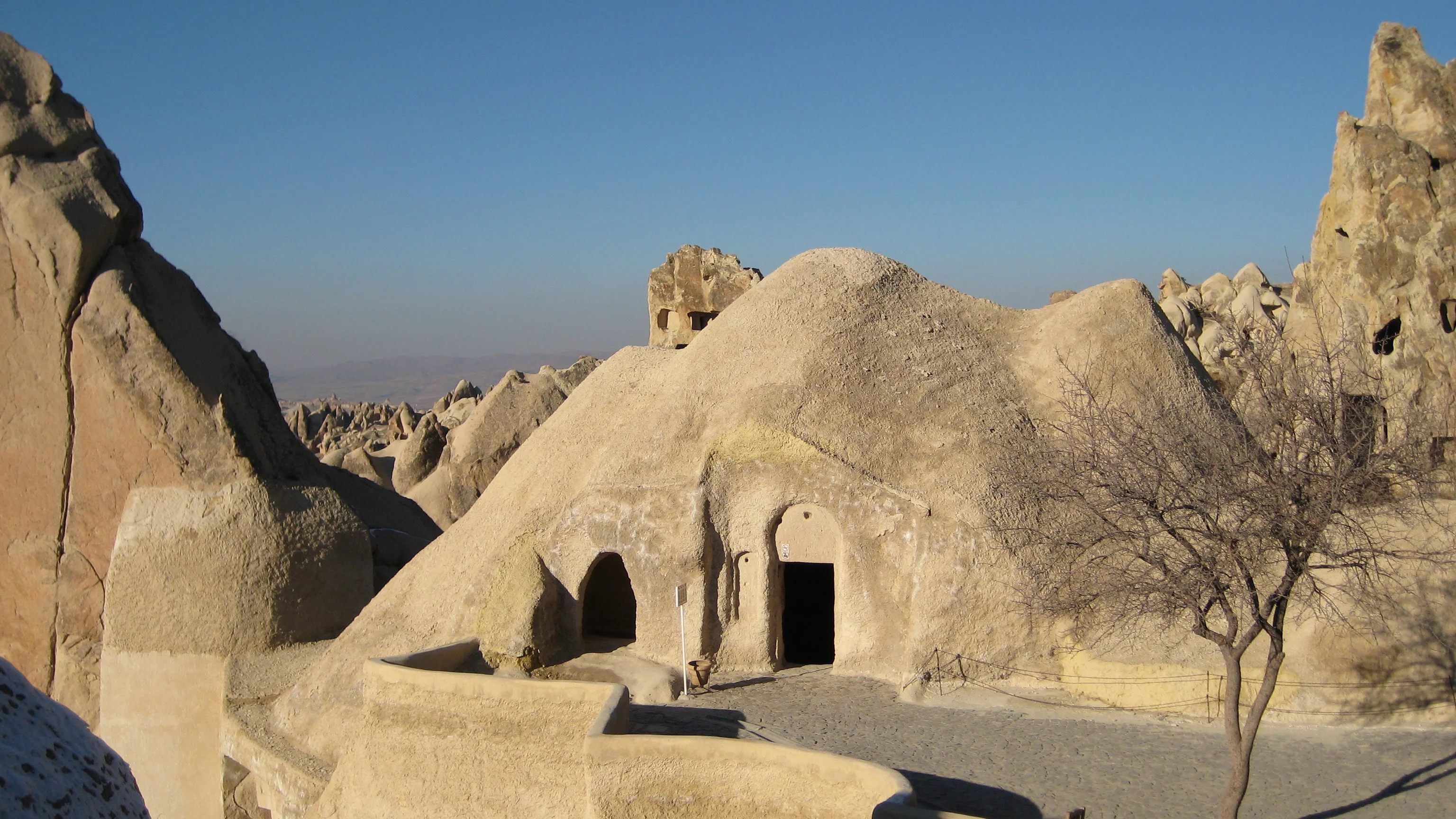
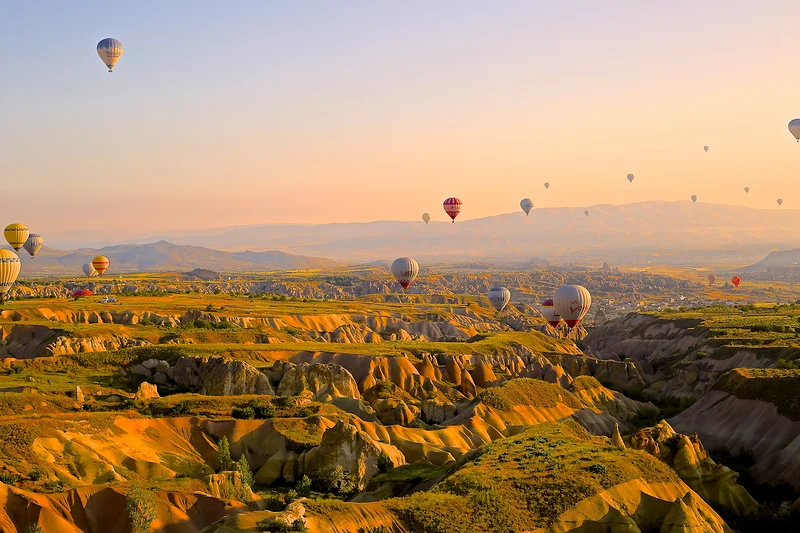
Imagine a region where civilizations have carved their homes into the living rock for thousands of years. Where, every single morning, dozens of hot air balloons color the sky at sunrise. Where entire cities hide beneath your feet, plunging several stories deep into the earth.
This is what awaits you when you land in Nevsehir, the quiet but strategic capital of Cappadocia. Many travelers pass through without stopping, eager to reach the more famous sites nearby. That is a mistake.
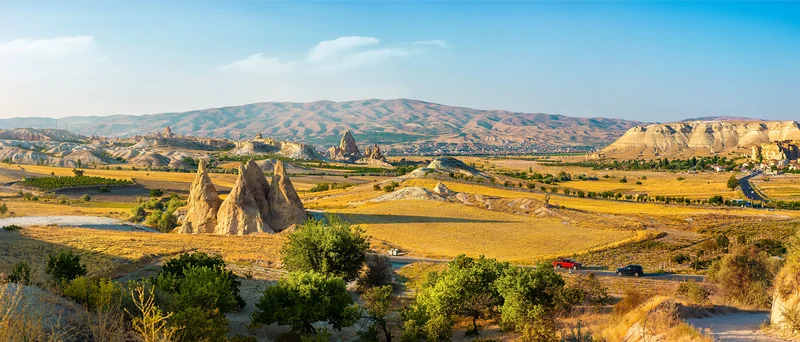
This modern high-altitude city keeps its secrets well: a castle illuminated at night perched on a rocky promontory, remnants of twenty successive civilizations, and an authentic local life far from tourist traps. It remains the ideal base camp for exploring the lunar wonders of the surrounding region.
Who is this destination for?
If you love surreal landscapes and deep history, you are in the right place. The region is an exceptional playground for photographers, hikers, and anyone dreaming of taking a hot air balloon flight over geological formations found nowhere else on earth.
On the other hand, if you are looking for beach days or wild nightlife, you will not find it here. The Anatolian continental climate brings hot, dry summers and occasionally snowy winters. You should also plan for a significant budget for signature activities like ballooning, which costs 150 to 250 euros (about $165 to $275).
A rental car makes exploring the scattered sites much easier, even if tourist shuttles do exist. Plan on at least three days to fully enjoy the region without feeling rushed. Families will appreciate how accessible many sites are, though some valley hikes require a decent level of fitness.
Taking flight over fairy chimneys
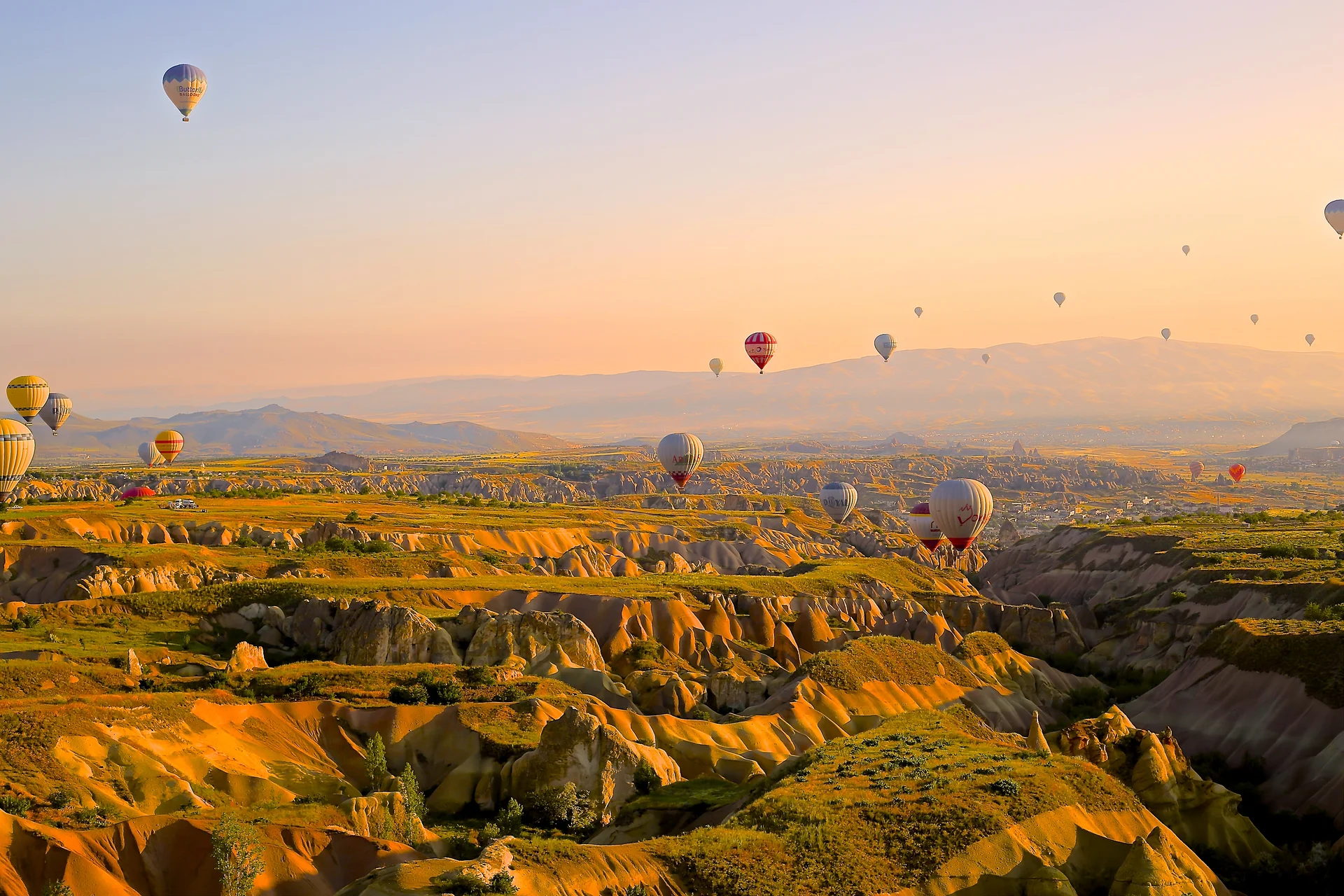
The hot air balloon flight at sunrise is the quintessential experience that justifies the trip on its own. Starting as early as 4 a.m., you will board a basket for an hour of magic over the Goreme valleys and the rock formations known as fairy chimneys.
The spectacle is two-fold: below, the lunar landscape sculpted by volcanic erosion; around you, 80 to 300 balloons (depending on the season) drifting in silence through the golden morning light. It is expensive and popular, but it is truly unforgettable.
Pro tip: Book your flight for your first morning. Flights are weather-dependent and can be grounded by wind, rain, or snow. If your flight is rescheduled, you will still have a few days of buffer to try again.
Exploring the valleys and cave villages
Goreme and its open-air museum
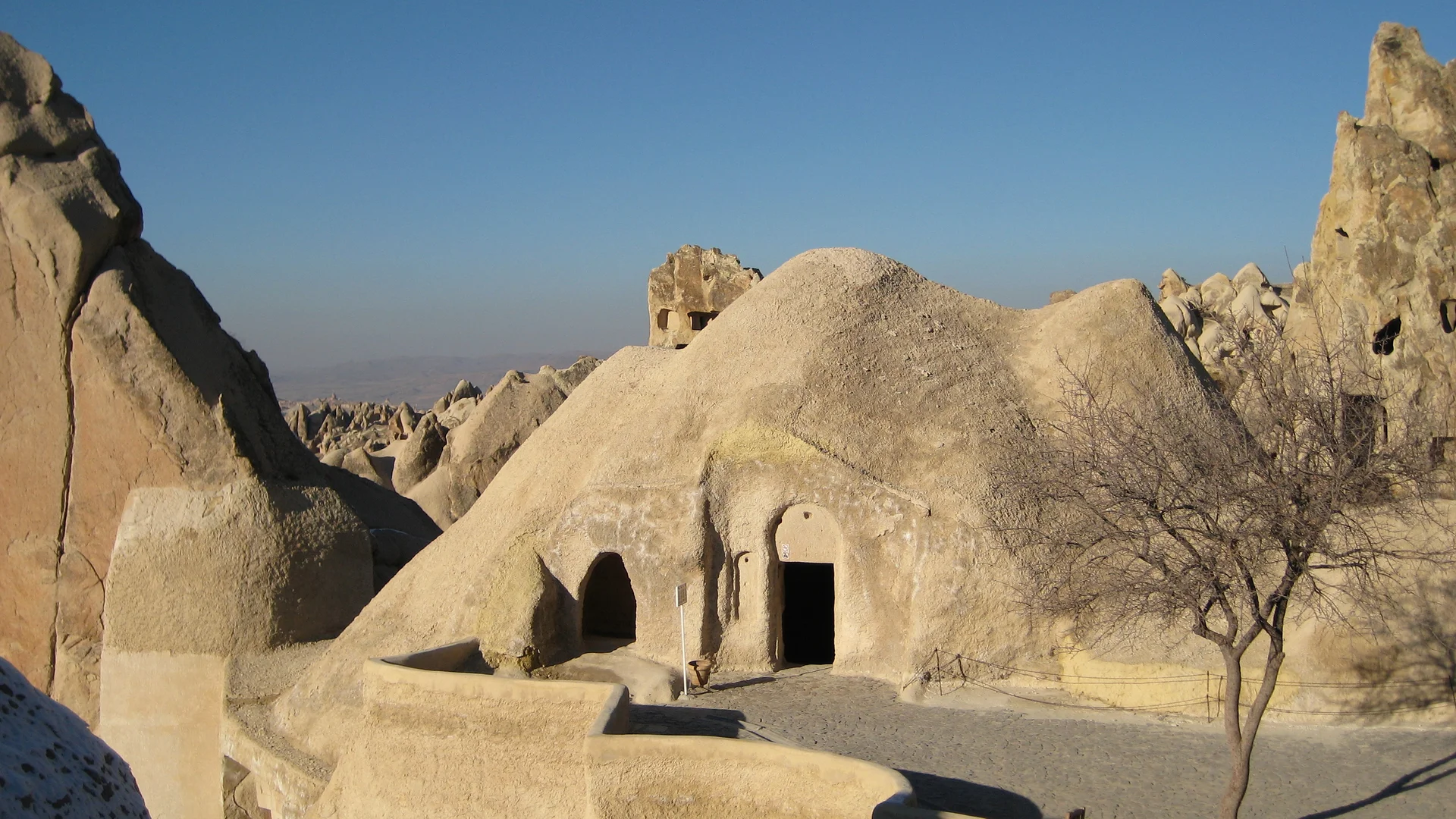
About 6 miles from Nevsehir, Goreme packs in the best of Cappadocian cliffside heritage. Its open-air museum, a UNESCO World Heritage site, gathers an exceptional Byzantine monastic complex with dozens of churches carved into the rock between the 10th and 13th centuries.
The interior frescoes, which are remarkably well-preserved, tell the story of early Christians who took refuge here to escape persecution. Admission is around 15 euros (about $16). Arrive early in the morning to avoid the tour buses that begin pulling in at 10 a.m.
Underground cities: Kaymakli and Derinkuyu
Hidden beneath your feet are entire cities carved into volcanic tuff. Kaymakli and Derinkuyu are the most impressive, with eight underground levels (four of which are open to visitors). Tight corridors, communal rooms, churches, wine cellars, and ventilation shafts: everything was designed to house thousands of people for months at a time.
The experience can feel claustrophobic due to the low, narrow passages, but it remains fascinating. Allow 1.5 hours for the visit and bring a sweater, even in summer, as the temperature stays a constant 55°F (13°C) underground.
Pro tip: If you are short on time, choose Derinkuyu. It is the deepest and best-organized of the two, with clear English-language signage and a well-marked tour route.
Colorful valleys for hikers
The Rose Valley, Red Valley, and Pigeon Valley offer miles of trails winding through ochre and pink rock formations. Hikes last from 1 to 4 hours depending on the route, offering exceptional panoramic views at sunset.
The Ihlara Valley, further south (about 53 miles away), is worth the detour despite the distance. This 9-mile lush canyon, lined with rock-cut churches, offers an atmosphere completely different from the rest of Cappadocia. Be prepared: there are 300 steps to descend into the valley.
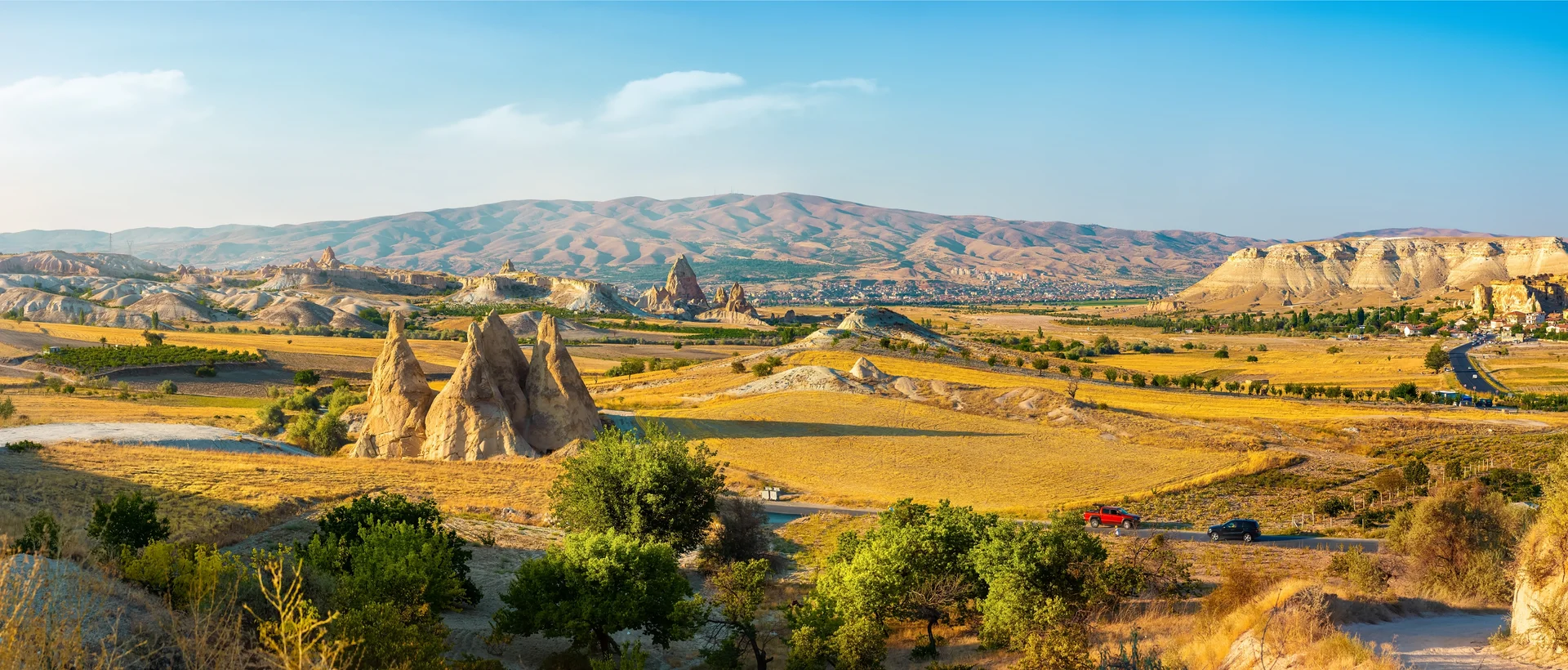
For those who love unusual rock formations, do not miss Love Valley with its spectacular phallic-shaped pillars, or Pasabag with its triple-headed fairy chimneys, which are the most photogenic in the region.
Nevsehir city center is worth a look too
Its Ottoman castle, perched at an altitude of 4,400 feet, dominates the modern city. Its 48 battlements are illuminated every night and offer a fantastic viewpoint over the surrounding plains. Access is free and the climb is quick.
The Museum Mudurlugu, on Evler Street, houses a beautiful collection of bronzes, pottery, and artifacts from local archaeological digs. It is not world-changing, but it is interesting for understanding the 20 civilizations that succeeded one another here, from the Hittites to the Ottomans.
For modern shopping, the Forum Kapadokya is a dense mall with all the standard brand names. It is useful for emergencies, but not very interesting for those seeking authenticity.
Pro tip: Instead, stroll around the Cocuk Parki urban garden where local shops sell handicrafts and regional products. This is where you will find real Cappadocian pottery, not mass-produced imitations.
Where to eat and drink in Nevsehir?
Cappadocian cuisine blends Ottoman and Anatolian influences. The star dish? Testi kebab, meat and vegetables slow-cooked for hours in a terracotta jar that is broken open in front of you with a bit of theatrical flair. It is expensive (20 to 30 euros, or about $22-$33) but memorable.
The local manti are different from standard Turkish ravioli: here, they are rolled into cylinders before being cooked, then topped generously with garlic yogurt and melted butter. It is comforting and filling. Also try the bamya corba (okra soup) and the mezzes that precede every meal.
For the adventurous, ayva dolmasi (quince stuffed with spiced meat) offers a surprising sweet-and-savory mix. Kuru kaymak, a highly concentrated dried cream produced in the village of Kaymakli, is a perfect addition to a traditional Turkish breakfast.
Cappadocia also produces excellent wines that age in cave cellars. Wineries like Kocabag or Turasan offer tastings and tours for 6 to 10 euros (about $7-$11). Restaurants around Goreme (like Seten) offer the best price-to-quality ratio with stunning views.
Where to sleep in Nevsehir and surroundings?
In Nevsehir itself, hotels are functional but lack specific charm. The real draw lies in the surrounding villages, which offer cave hotels built into ancient rock dwellings.
Goreme, Uchisar, and Urgup have the best options, ranging from luxury boutique hotels with panoramic terraces (200 euros and up, or $220+) to affordable family-run guesthouses (40 to 60 euros, or $44-$66). Sleeping in a room carved into the rock, complete with a fireplace and heated floors, is an experience in itself.
Book several months in advance for April-May and September-October. Prices jump 30 to 50% during peak season. In winter, many establishments slash their rates, and the region under snow has a fairy-tale charm, even if some balloon flights are canceled.
For smaller budgets, Avanos, 20 minutes from Goreme, offers cheaper lodging while remaining well-located. This workshop-town, famous for its potters, has kept its authentic village atmosphere.
How to get to and around Nevsehir?
Nevsehir Airport is located 18 miles from the center, with buses and taxis providing connections (about 15 euros, or $16). From abroad, expect a mandatory layover in Istanbul, followed by a 1.25-hour connecting flight. Kayseri airport, which is larger, is an alternative 50 miles away with more international connections.
Without a car, you will rely on organized tours or dolmus (shared minibuses) that serve the main sites. It is convenient but restrictive in terms of schedules. Renting a vehicle (30 to 50 euros/day, or $33-$55) truly changes the game for exploring at your own pace, especially for remote valleys like Ihlara.
Distances between sites are short: 6 miles to Goreme, 12 miles to Uchisar, 19 miles to the underground cities. The road network is decent. Be careful in winter: snow can make some roads slippery, and the slopes around Nevsehir are steep.
Long-distance buses connect to Istanbul (a 9-10 hour trip, 20-30 euros, or $22-$33), Ankara (4 hours), and all major Turkish cities. Comfortable and reliable, they are a good alternative to flying.
When to go?
The months of April-May and September-October offer the best compromise: pleasant temperatures (60-77°F), vibrant landscapes (wildflowers in spring, golden tones in autumn), and moderate crowds. Hot air balloons take off regularly thanks to stable weather and light winds.
Summer (July-August) attracts crowds, and the heat can hit 100°F during the day, even if mornings and evenings remain bearable. It is also the most expensive season, with up to 300 balloons in the sky each morning. If you can handle the bustle, festivals like Cappadox in June are worth the detour.
Winter turns the region into a snowy postcard and you will have the sites almost to yourself. But prepare for the cold (often below 32°F) and the possibility of balloon flight cancellations due to weather. December and January remain very quiet in terms of tourism.
Avoid at all costs: early April when strong winds disrupt balloon flights, and major Turkish holiday weekends when locals flood the region.
Nevsehir is an essential village in Cappadocia. I was lucky enough to visit this unexpected region of Turkey before it became ultra-popular on social media. We took an inexpensive organized tour from Antalya with some really beautiful cave accommodations. It allowed us to visit all the geological wonders in the area. If you are staying in Turkey, you absolutely have to stop by, if possible off-season to limit the crowds.