Slovenia, Central Europe's Best-Kept Secret
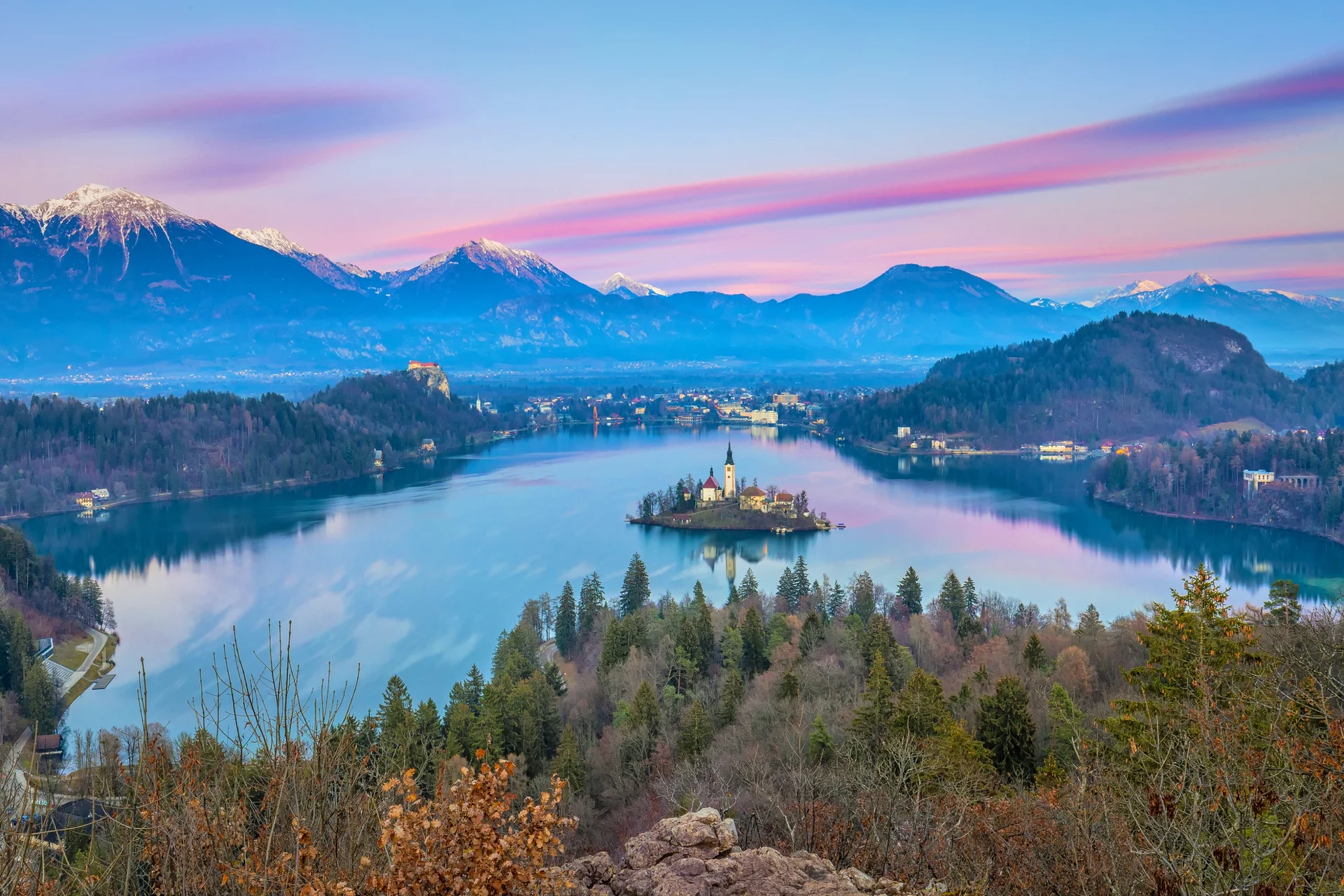
A turquoise lake holding an island topped by a white church, alpine peaks nearing 10,000 feet, and an emerald river winding through sheer gorges. Slovenia packs into 20,000 km² what other countries spread across vast territories. This tiny nation wedged between Italy, Austria, Hungary, and Croatia packs in a diversity of landscapes that defies geographic logic.
Is This Destination Right for You?
Slovenia appeals to travelers who love nature without compromise. Here, you hike, you pedal, you paddle. Cafe loungers will find their fix in Ljubljana or Piran, but the country truly rewards those willing to lace up hiking boots.
Tourism infrastructure remains modest compared to Austrian or Swiss alpine standards. English is widely spoken, public transit runs reliably between major sites, and living costs are lower than major Western European hubs. The only catch: headline spots like Lake Bled draw serious crowds in July and August. To dodge the pack, aim for May, June, or September.
Lakes That Capture the Imagination
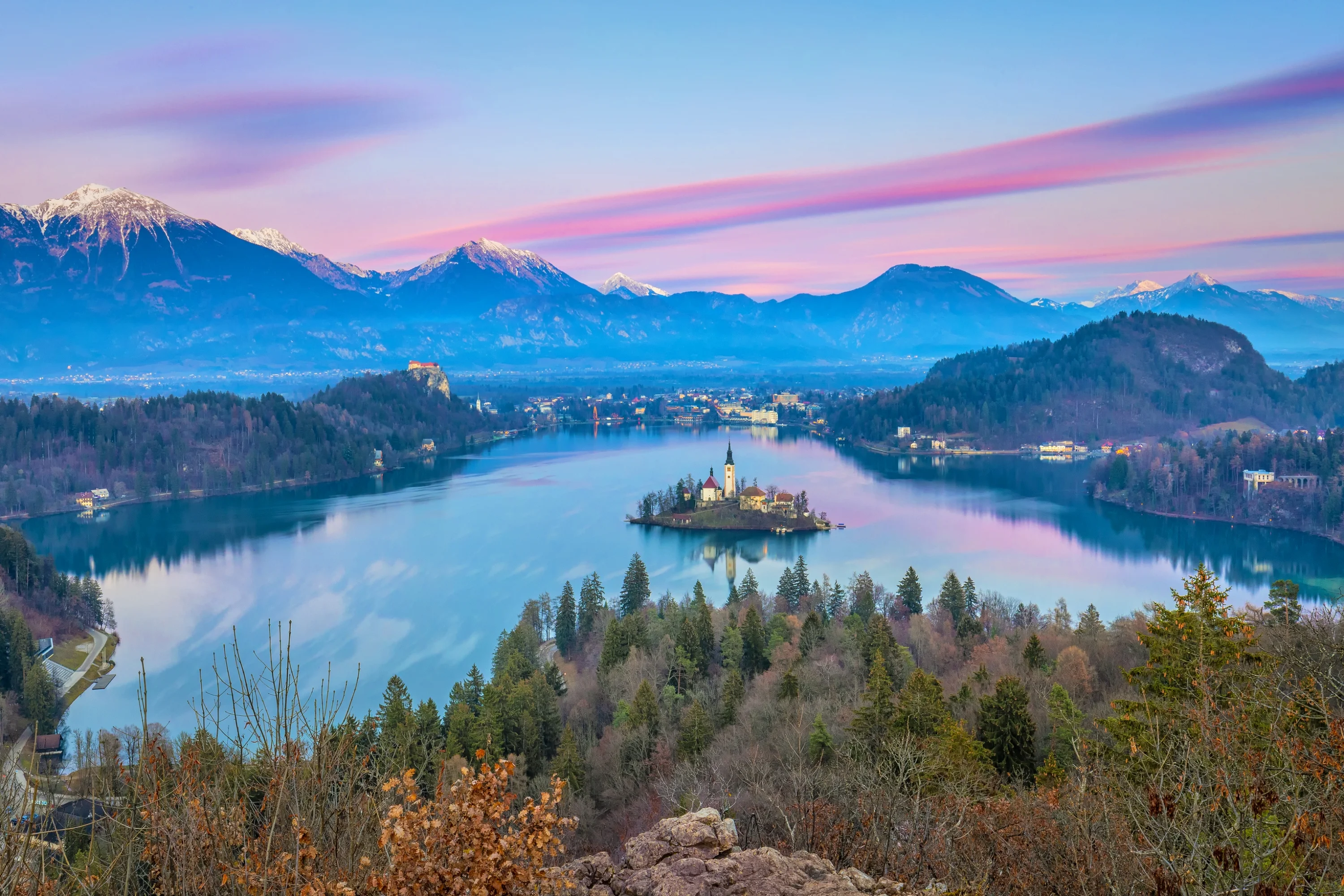
Lake Bled single-handedly defines the visual identity of Slovenia. This living postcard with its island, clifftop castle, and clear waters earns its reputation despite heavy visitor traffic. Traditional wooden boats called pletna ferry visitors to the church sitting in the middle of the lake. Walking the shoreline takes two hours, offering shifting views of the Julian Alps in the background.
Just 30 km away, Lake Bohinj offers a wilder alternative. Less developed and larger, it draws travelers seeking solitude. The Vogel cable car climbs up to sweeping panoramas of the surrounding peaks. The Savica waterfall, reached via a short climb, rounds out the outing nicely.
Friendly tip: Get to Lake Bled before 8:00 AM for magical morning light and an almost empty shoreline. Tour buses typically roll in around 10:00 AM.
The Soča Valley, Playground for Adventurers
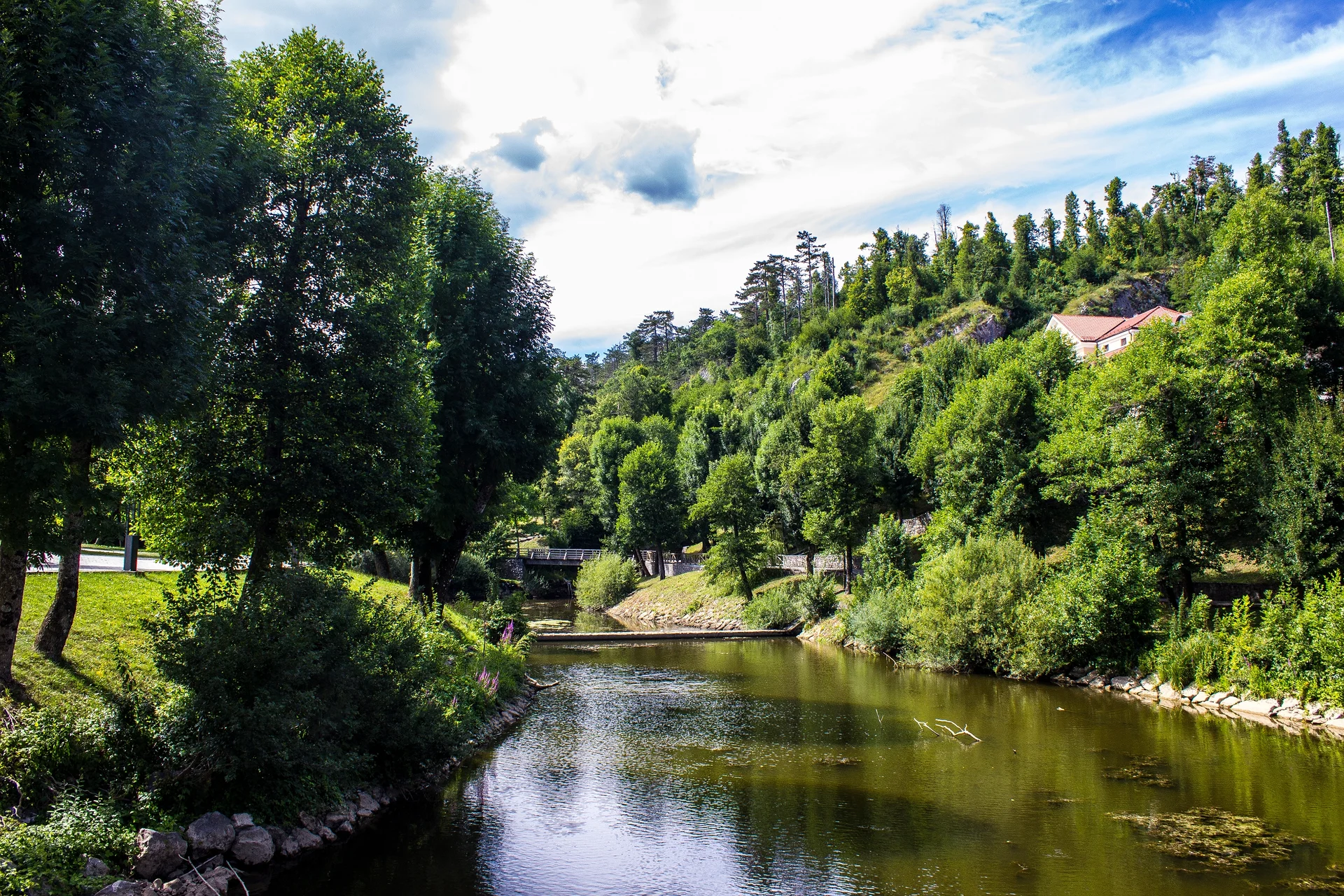
The turquoise waters of the Soča rank among the finest rivers in Europe. That unreal, almost artificial blue comes from minerals washed down from the glaciers of the Julian Alps. The valley draws whitewater enthusiasts for rafting, kayak runs, and canyoning. Beginners find manageable routes while experts tackle technical rapids.
The town of Bovec acts as base camp for these outdoor runs. The Tolmin gorges further south offer natural swimming pools. The trail hugging the river reveals hidden waterfalls and suspension bridges hanging over deep chasms.
The Underground World of the Karst
Slovenia hides an extraordinary network of caves beneath its rolling hills. The Postojna Caves stand as the country's most visited site after Bled. A small electric train carries visitors deep into miles of galleries decorated with stalactites and stalagmites shaped by millions of years of erosion.
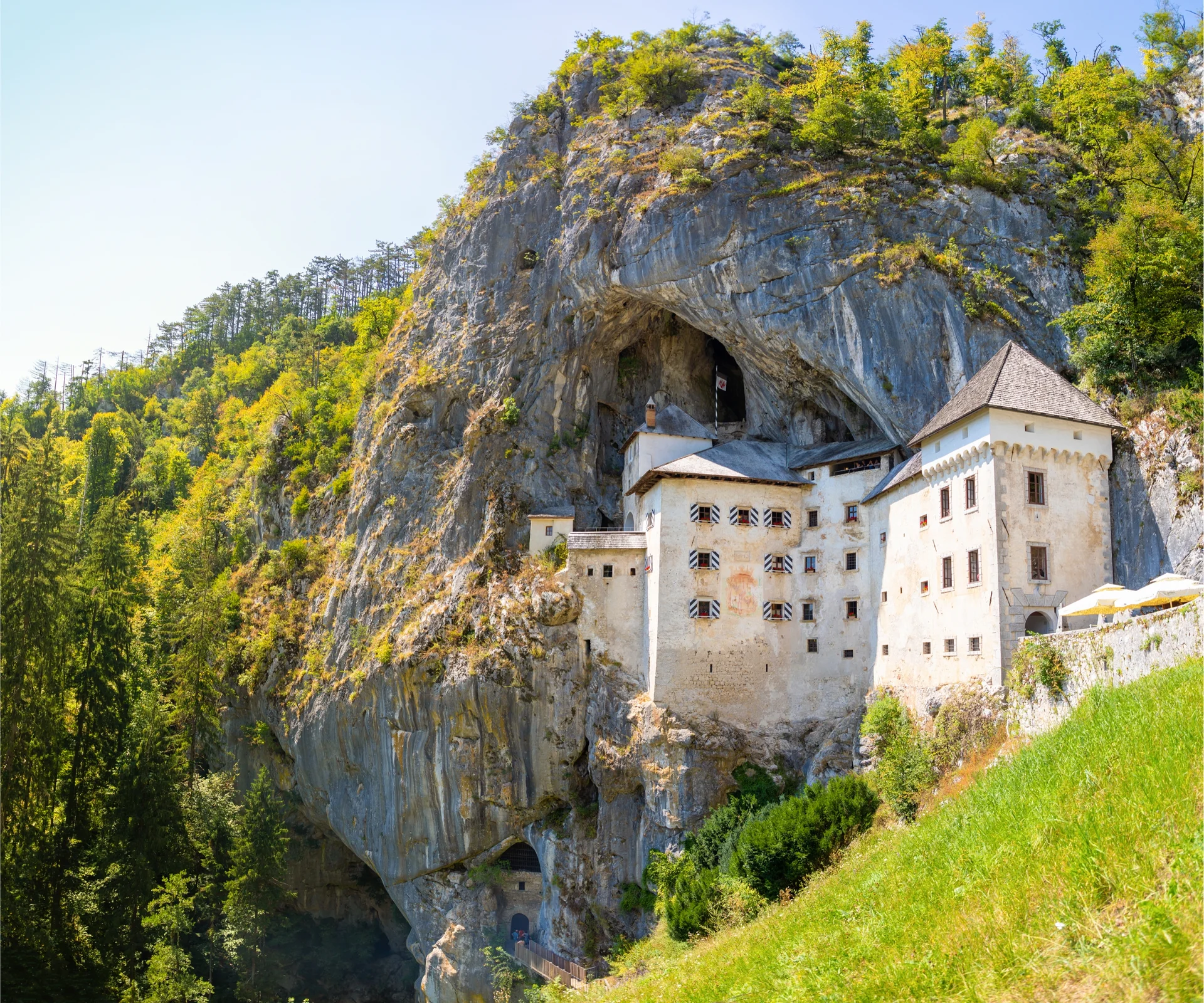
A few kilometres away, Predjama Castle defies gravity. This medieval fortress built directly into a cliff face at a cave mouth holds a Guinness World Record. Visiting both sites on the same day from Ljubljana is entirely doable.
The Škocjan Caves, recognized as a UNESCO World Heritage site, pack an even stronger punch for thrill-seekers. The sheer scale of the underground chambers and the canyon carved by the Reka River boggle the mind.
The Adriatic Coast and Venetian Heritage
Slovenia has just 29 miles of coastline, but every foot of it counts. Piran feels like a miniature Venice set on a narrow peninsula. Narrow alleys, ochre facades, and a tall bell tower reflect five centuries of Venetian rule. The view from the old town walls stretches across the Gulf of Trieste to the Croatian coast.
The active salt pans of Sečovlje preserve centuries-old traditions. Piran salt, harvested through artisanal methods, is a point of pride for Slovenian food culture.
Friendly tip: The Slovenian coast shines brightest in the shoulder season. In May or September, you can claim a table at a Piran cafe without the summer rush, and accommodation rates drop significantly.
Slovenian Plates: Alpine Flavors and Mediterranean Influences
Slovenian cooking draws on four distinct traditions: alpine, Mediterranean, Pannonian, and Balkan. Štruklji, rolled pastries stuffed with walnuts, cottage cheese, or tarragon, accompany meat dishes. Potica, a traditional rolled nut pastry saved for holidays, comes in more than 80 regional variations.
By the shores of Lake Bled, order a slice of kremna rezina, the rich vanilla custard pastry invented in 1953 at the Park Hotel. In mountain huts, ask for žganci, a buckwheat polenta served with curdled milk that served as high-energy fuel for local shepherds and hikers.
The Vipava valley and the rolling hills of Goriška Brda produce wines still largely unknown across borders. Teran, a bold red from the Karst region, pairs brilliantly with local cured ham.
When to Visit Slovenia
The prime window runs from May to September, with May, June, and September offering the best mix of pleasant weather and manageable crowds. July and August bring ideal conditions for lake swimming and river sports, though major spots overflow with visitors.
Slovenia turns vibrant in autumn as forests covering 60% of the territory shift into gold and deep red. It is also grape harvest season, highlighted by St. Martin's Day on November 11th celebrating the year's new wine.
Winter draws skiers to resorts tucked into the Julian Alps. Kranjska Gora hosts World Cup events at prices far below major French or Swiss alpine resorts.
How to Get to Slovenia
Ljubljana Airport sits 26 km from the capital and 30 minutes from Lake Bled. There is no nonstop from North America: you fly transatlantic into Munich, Frankfurt, Zurich, or Vienna and pick up a short connection from there. Booking early is key.
A smart workaround involves flying into Venice, under a two-hour drive from the Slovenian border. Budget airlines run frequent flights into Venice Treviso. Grabbing a rental car right at the terminal gets you straight to Ljubljana or Bled.
Trains link Ljubljana to major European capitals. Long-distance buses operated by companies like FlixBus offer direct routes from various European cities at competitive rates.
Getting Around Slovenia
Renting a car remains the most practical way to see the country. Distances are short: Ljubljana sits an hour from Bled and two hours from Piran. Buying an e-vignette is mandatory for driving on highways. It costs $18* for 7 days and is available online through official channels or at border gas stations.
Local buses connect major tourist sights efficiently straight from Ljubljana. Buses to Bled run hourly, and coastal routes operate regularly. Schedules are easily checked through platforms like getbybus.com or the Arriva app.
Friendly tip: If you pick up a rental car directly in Slovenia, the highway vignette is usually included in the rate. Double-check this detail when booking to avoid paying twice.