
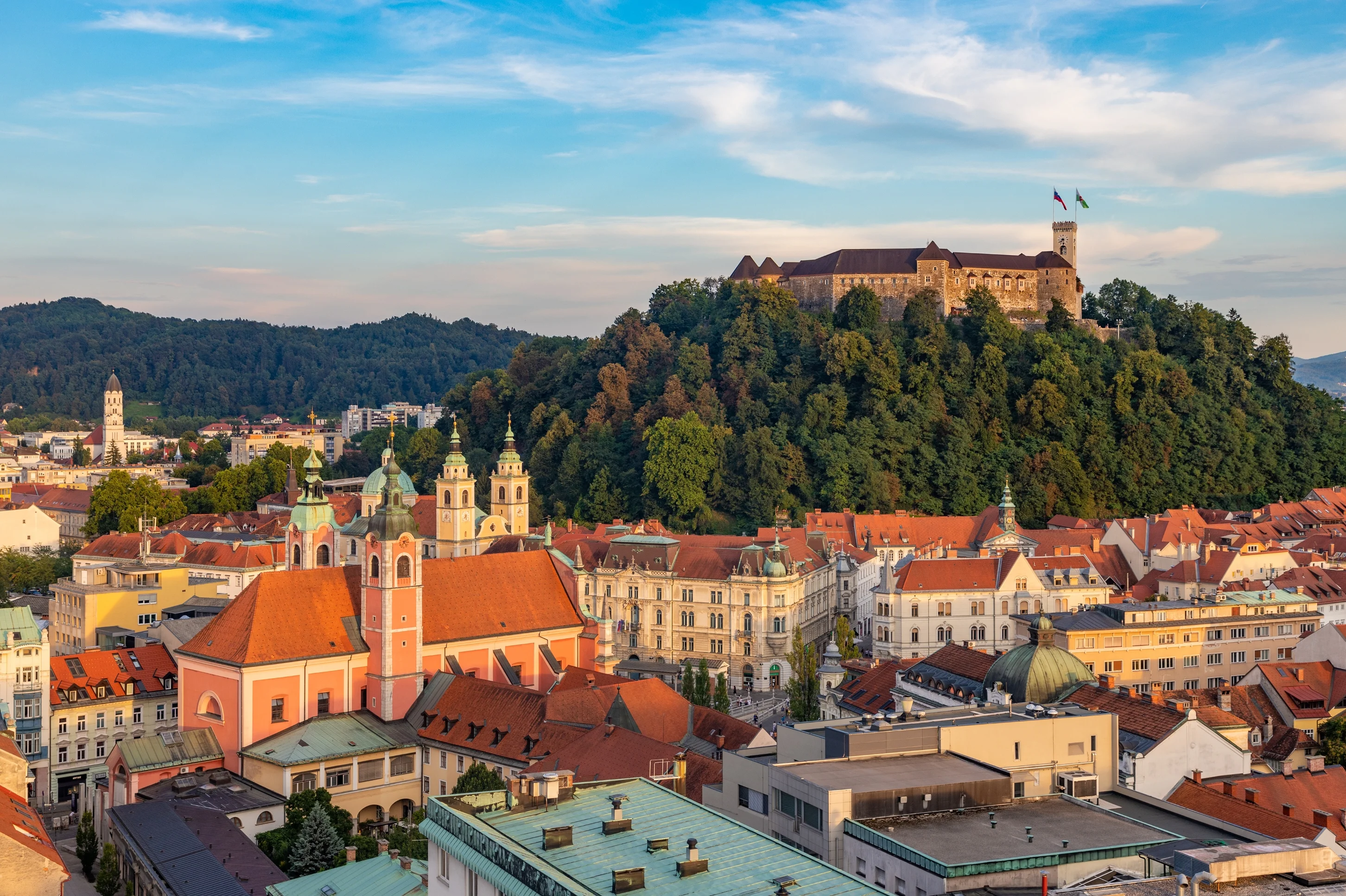
Ljubljana, the Slow-Paced Capital
Simply pronouncing the name is a challenge. Visitors stumble over it, and audio guides stammer. Yet once you arrive, Ljubljana becomes entirely clear. An emerald river cuts through a completely pedestrian historic center. Copper dragons stand guard over an Art Nouveau bridge. Everywhere, the mark of a visionary architect turned this compact city into an open-air museum.
With 280,000 residents, the Slovenian capital feels more like a large village than a metropolis, and that is precisely where its charm lies.
A Capital for Strollers, Not the Rushed
If you want a European city shielded from mass tourism, Ljubljana checks every box. The 50,000 students filling its streets give the city a young and relaxed energy. Here, time moves to the rhythm of outdoor cafe tables along the Ljubljanica river, not endless lines outside monuments.
Lovers of massive museum attractions or heavy nightlife might find things quiet here. Ljubljana shines through its atmosphere, walks, and food, not blockbuster tourist sights. It works wonderfully as a base for exploring Slovenia, with Lake Bled sitting just an hour away by car.
A Reasonable Budget
Plan for between $68 and $113* per day for a comfortable trip: $45-$79* for a decent double room, $12-$17* for a meal at a local restaurant, and most sights are free or cheap. The funicular up to the castle costs $4.50* one way, and the center is entirely walkable.
The Old Town and Plečnik's Bridges
Everything starts at Prešeren Square, dominated by the pink Franciscan church and the statue of the national poet. From there, the Triple Bridge invites you to cross over into the medieval core. This unique structure, designed by architect Jože Plečnik in the 1930s, sums up Ljubljana in a single glance: a city where bold architecture fits in naturally.
The Dragon Bridge, a few minutes' walk away, draws every photographer. Its four copper statues with fixed gazes recall the legend of Jason and the Argonauts, who supposedly defeated a monster in the surrounding marshes. Between the two bridges, the banks of the Ljubljanica line up cafes and terraces where locals kill time with rare skill.
Friendly tip: The newer Butchers' Bridge is worth a detour for its unusual sculptures and rows of love locks. Walk across in the late afternoon when the low light reflects off the river.
The Castle and the Hill of a Thousand Trails
Perched on its hill, the Ljubljana Castle has watched over the city since the 12th century. The funicular lets you skip the 15-minute walk uphill, but the forested paths winding toward the summit are well worth the effort. The inner courtyard and ramparts are free to access and offer the best view over the old town rooftops.
Skip the combined ticket because the castle exhibition rooms are nothing special. Instead, take your time walking the fortifications over to the hidden cafe in the back, where you can sip a spritz with Ljubljana at your feet.
Krakovo, the Village Within the City
Ten minutes from the center, the Krakovo neighborhood keeps a surprisingly rural atmosphere. Vegetable patches fill backyards, a small stream flows between houses, and older women chat on their doorsteps. This village swallowed by urban expansion never gave up its identity.
This is where you will find Pri Škofu, a favorite restaurant for locals. Traditional Slovenian cooking, attentive service, and a shaded terrace make it the ideal spot to try štruklji or kranjska klobasa, the Carniolan sausage protected by Europe.
Metelkova, the Other Ljubljana
As night falls, the Metelkova district comes alive. This former military barracks converted into a cultural squat gathers the city's boldest street art. Underground bars, impromptu concerts, and walls covered in murals contrast sharply with the quiet, bourgeois center. Night owls will love it, while others can simply drop by during the day to admire the wild facades.
Where to Eat and Drink in Ljubljana?
The Central Market, designed by Plečnik, is in full swing every morning except Sunday. Slovenian honey, pumpkin seed oil, and kajmak cheese pile high on the stalls. On Fridays, Odprta Kuhna turns the square into a street food festival where around thirty chefs share their creations.
For a sit-down lunch, Pri Škofu remains a solid choice. For pastries, Fétiche serves the best cakes in town. To finish the day, the wine bar Šuklje introduces visitors to Slovenian grape varieties that deserve far more attention.
Where to Stay in Ljubljana?
The historic center and the Krakovo neighborhood offer the best balance of charm and practicality. Apartments near Tromostovje, right next to the Triple Bridge, let you wake up right in the middle of the action. For smaller budgets, Hostel Celica occupies a former prison where artists redecorated the cells to offer a unique experience.
How to Get There and Around Ljubljana?
Jože Pučnik Airport sits 26 km from the center. Direct flights are rare, and most connections go through Munich, Frankfurt, or Zurich. From North America you will connect through a European hub, and the final leg into Ljubljana takes about an hour. An economical alternative involves flying into Venice and renting a car for the 2-hour drive to Ljubljana.
Once you arrive, leave the car behind. The pedestrian center is entirely walkable. Buses run regularly to reach outlying neighborhoods, and a ticket costs $1.40* with the Urbana card. The city also features 200 km of bike lanes.
When to go?
From May to September, Ljubljana enjoys a mild climate and intense street life. Outdoor tables spill onto the riverbanks, and festivals follow one another. Slovenian winters can be harsh, but the Christmas markets and the quiet atmosphere of the city under the snow appeal to travelers who do not mind the cold.
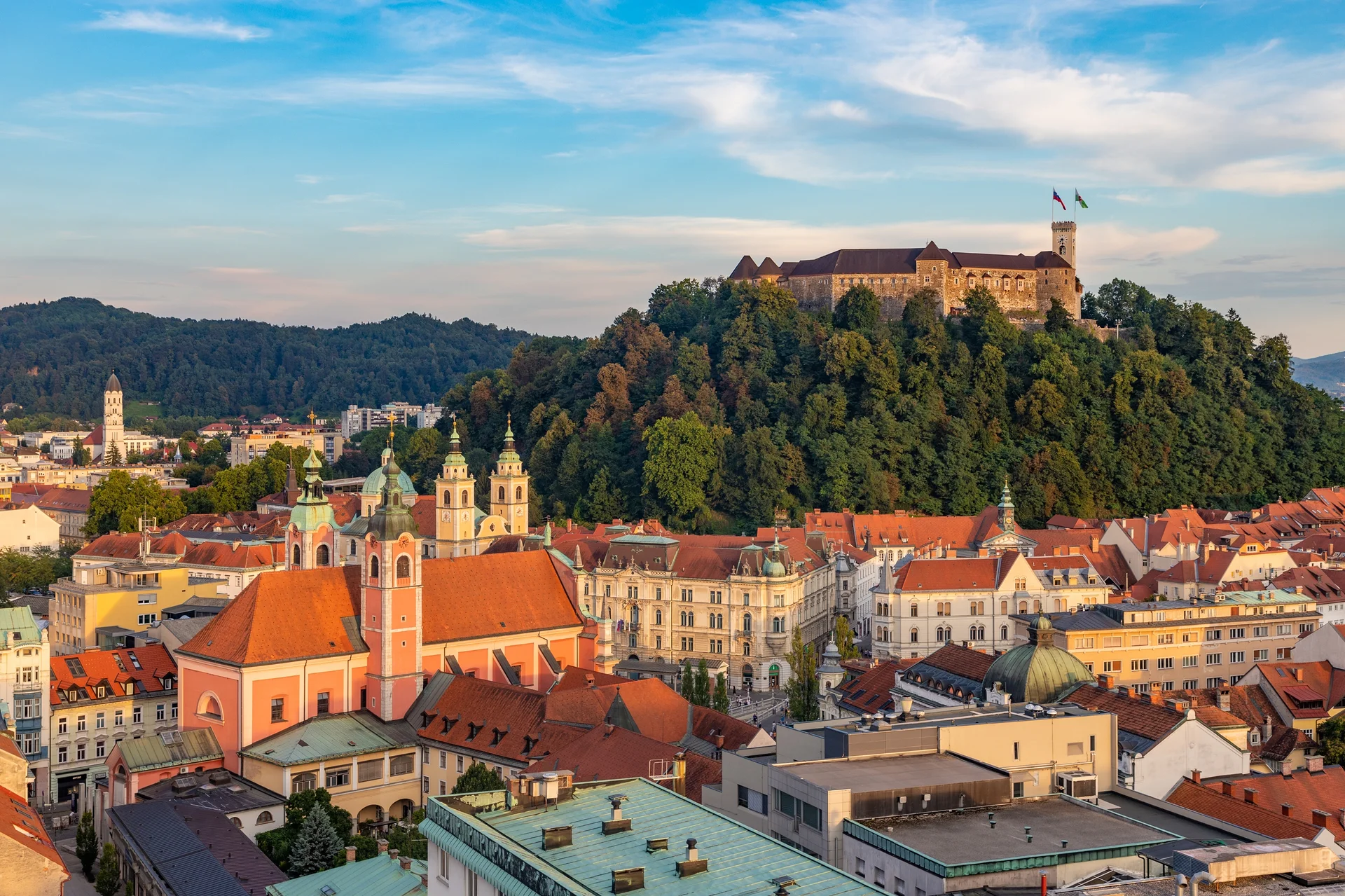
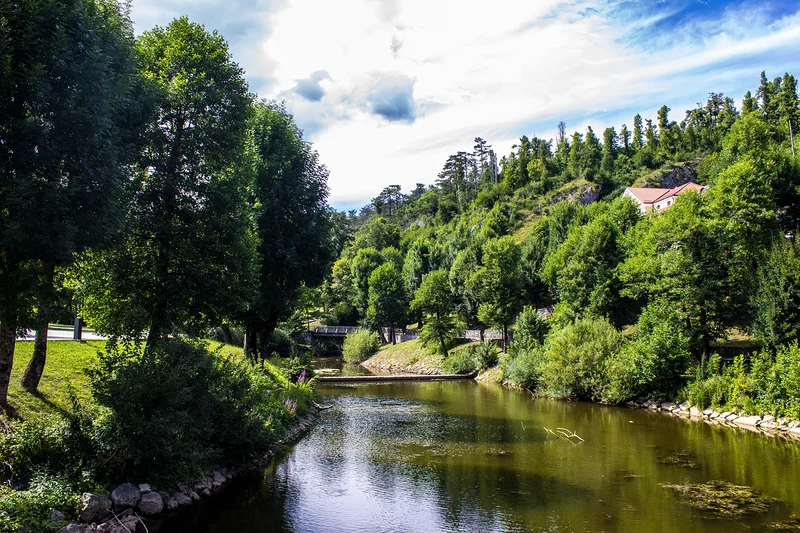
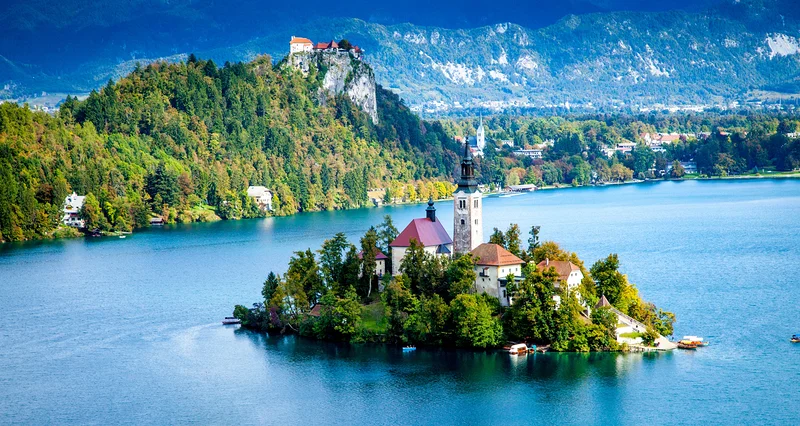
I really loved my trip to this city. The center is very pretty and manageable in size. You can easily visit everything on foot. There are a lot of things to see, and it is very lively. Nearby, I recommend visiting Lake Bled, which is an absolute must-see.