Visiting Stintino
Perched at the tip of the peninsula that shares its name, Stintino sits well away from the frantic pace of larger cities. It fiercely guards its rugged, natural landscape, a key ingredient in a town that possesses a thousand different charms. Located on the far northwestern coast of Sardinia, this small village was founded in 1885, and nothing in its early history suggested it would become a world-class beach destination. Its creation was tied to the establishment of a quarantine station and a penal colony on the nearby island of Asinara. When 45 fishing families were displaced to make room for the facility, they formed a cooperative known as the "Communion of the 45." While the old tuna processing buildings still stand, the area is now defined by its beaches, which many argue are the finest in Italy.
A Picturesque Village
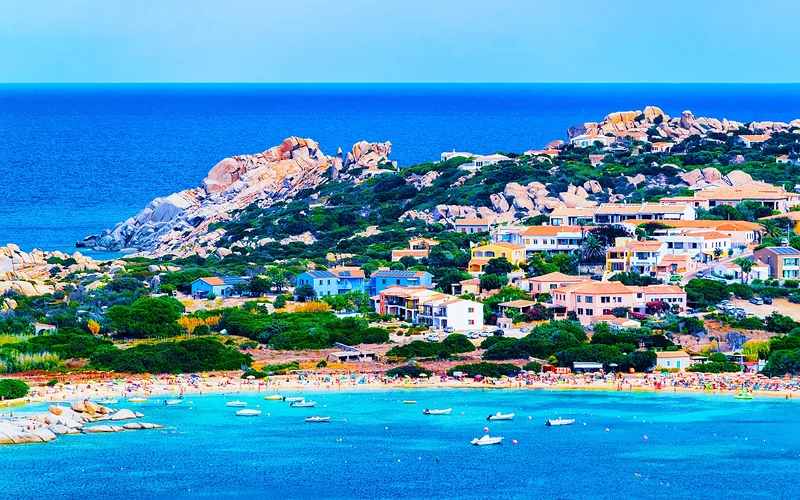
Even before you arrive, the scenic coastal road sets the stage for a dramatic landscape. The drive offers clear views of the sea and hidden coves, eventually leading to the village's low-slung, pastel-colored houses. The streets are narrow and charming. On rue Lepanto, the war memorial anchors the Place of the 45, the town's main social hub. Further along near rue Sassari, the Parish Church of the Immaculate Conception (1930) stands out with its simple tower and pale pink facade. The center is compact, filled with small shops, local crafts, and a variety of restaurants. Those lining the Marina are essential, as the waterfront is split into three ports that offer a scenic backdrop for a meal.
Watching sailboats, fishing vessels, and yachts pass by while dining waterfront is a local staple. The local cuisine is defined by fresh fish and shellfish. Look for fresh seafood pasta, lobster potato soup, octopus salad, and, of course, grilled tuna. You should also try bottara di tonno (cured tuna roe), tumbarella (a ricotta-based dessert), and tiricche, which are traditional honey-and-nut cookies.
To understand the link between Stintino and the sea, the Tonnara Museum pays homage to the historical tuna fishing industry. The museum is designed to replicate an actual tuna processing site, guiding visitors through the history of the catch using archival photos and original tools.
Paradise Beaches
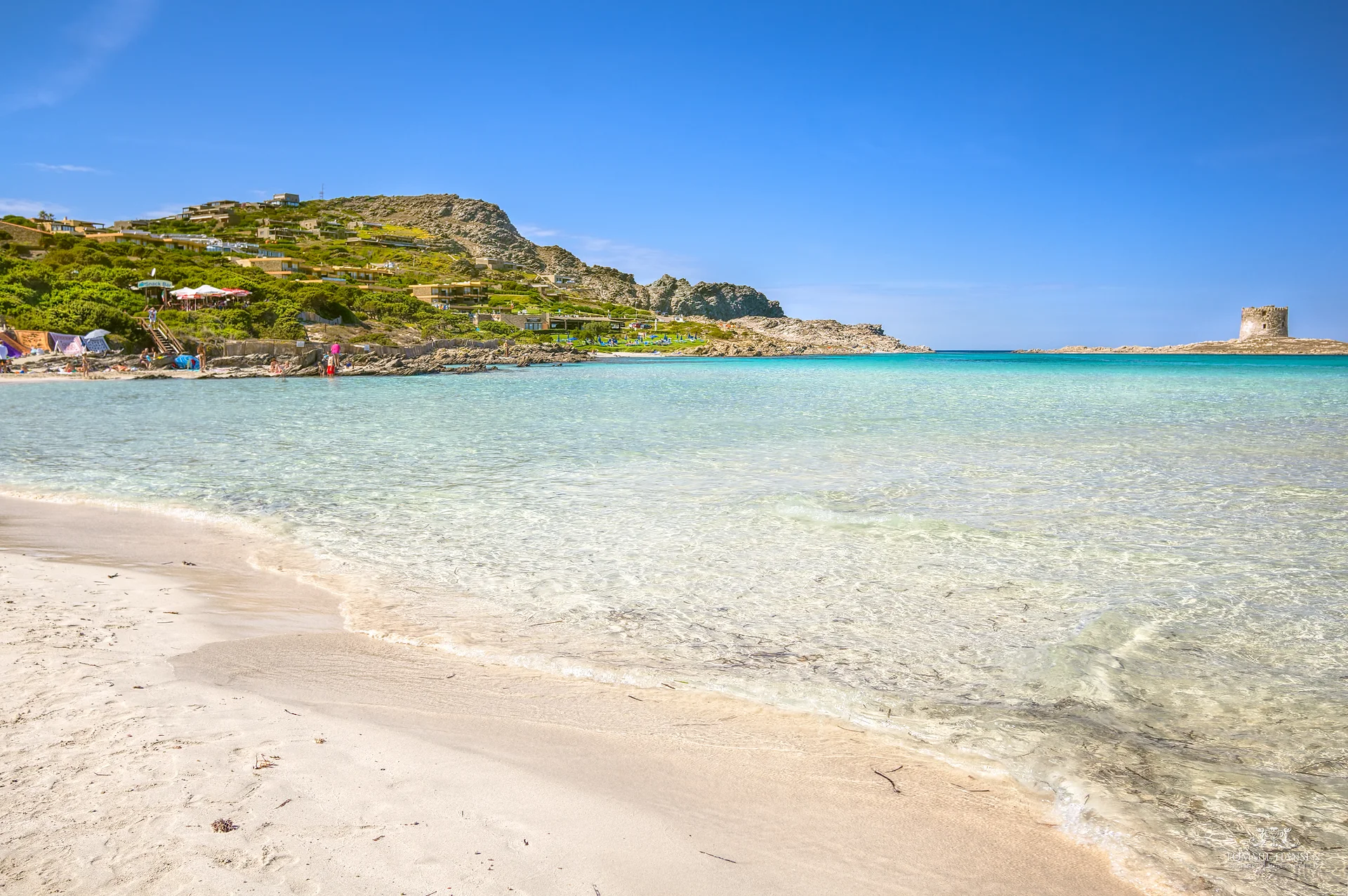
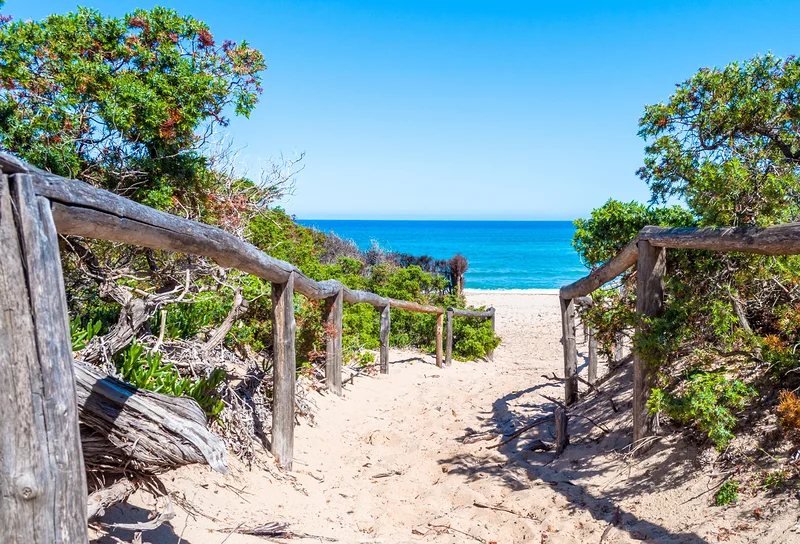
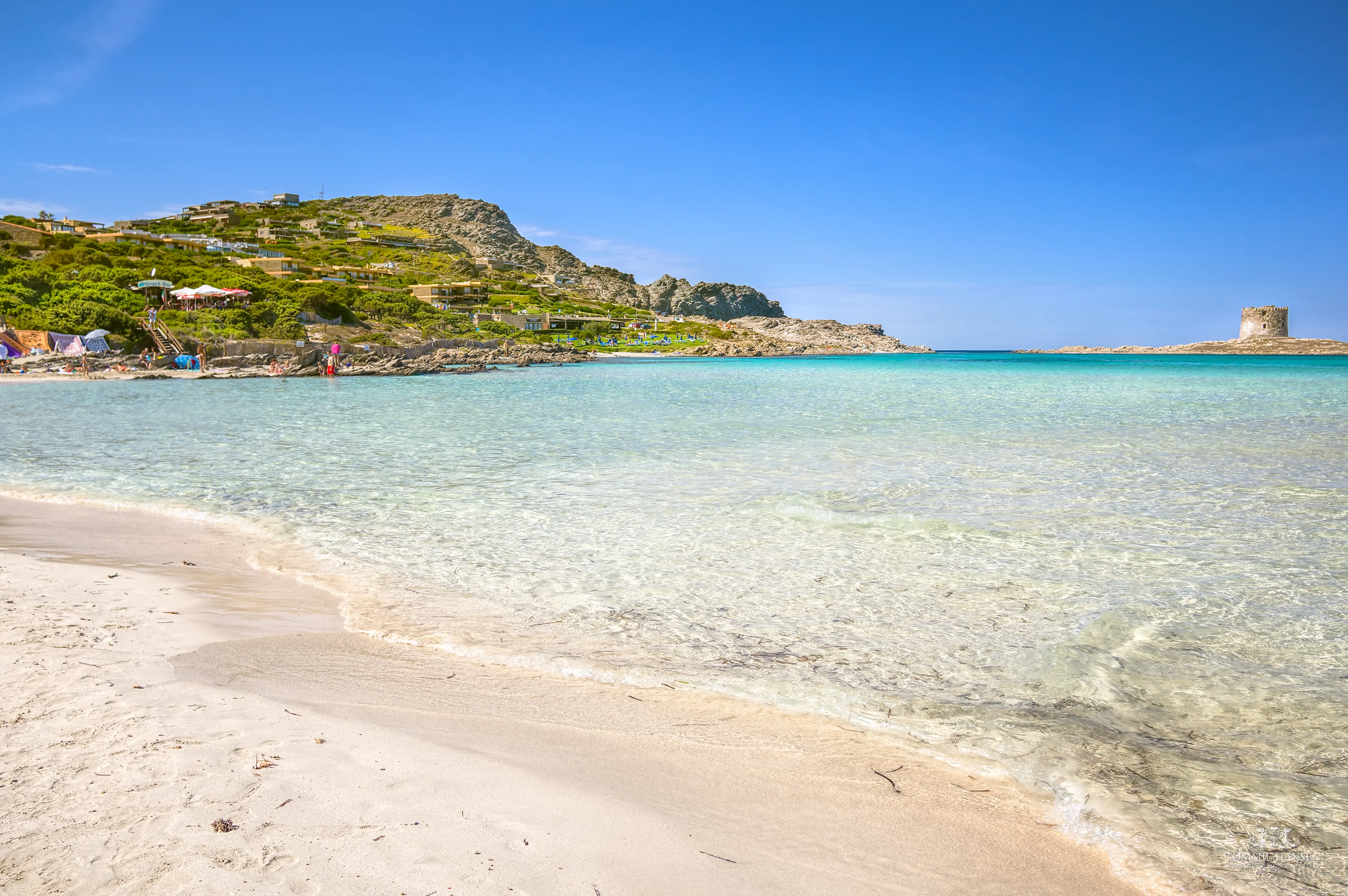
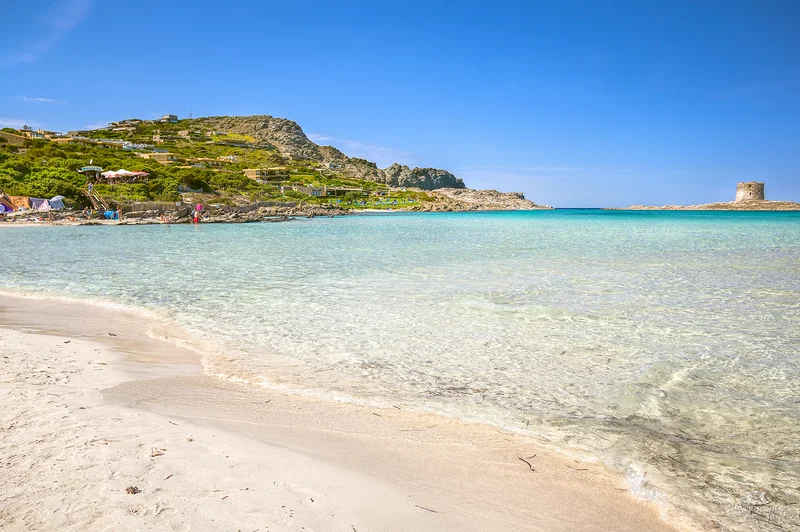
The true draw here is the coastline. Several beaches feature fine white sand and water so clear it mirrors the turquoise tones of the Caribbean. Less than 2 kilometers away, La Pelosa is arguably one of the most beautiful beaches in the entire Mediterranean. It is a vast stretch of shoreline facing the town's icon, the Torre della Pelosa, an Aragonese fortification built in 1578. The water is shallow for a long distance, making it ideal for worry-free swimming. Further north, La Pelosetta sits beneath the cliffs of Capo Falcone, where a terrace 200 meters up offers an expansive view. Falcons nest in these cliffs, and birdwatchers can also head to the Casaraccio Pond to spot cormorants and terns. At Cala Lupo beach, which is slightly more secluded, the atmosphere is quiet and the water is excellent for snorkeling, much like the rocky shoreline of Punta Negra di Stintino. The protected natural areas of Asinara Island are another wonder, home to rare wildlife, historic ruins, and pristine beaches.
When to Go
The climate is mild year-round, but to enjoy the beaches without the intense crowds, May, June, and September are the best months. The water is warm enough for swimming during these times, whereas La Pelosa becomes very crowded throughout July and August.
Getting There
The nearest airport is Alghero-Fertilia, located 35 kilometers away. Public and private bus lines connect the airport to the town in about one hour, with five departures daily during peak season. You can also take a ferry from Nice. Once you arrive, renting a car is the best way to maintain independence while exploring Sardinia.