
Visiting Reykjavik, a capital on a human scale in the heart of Iceland
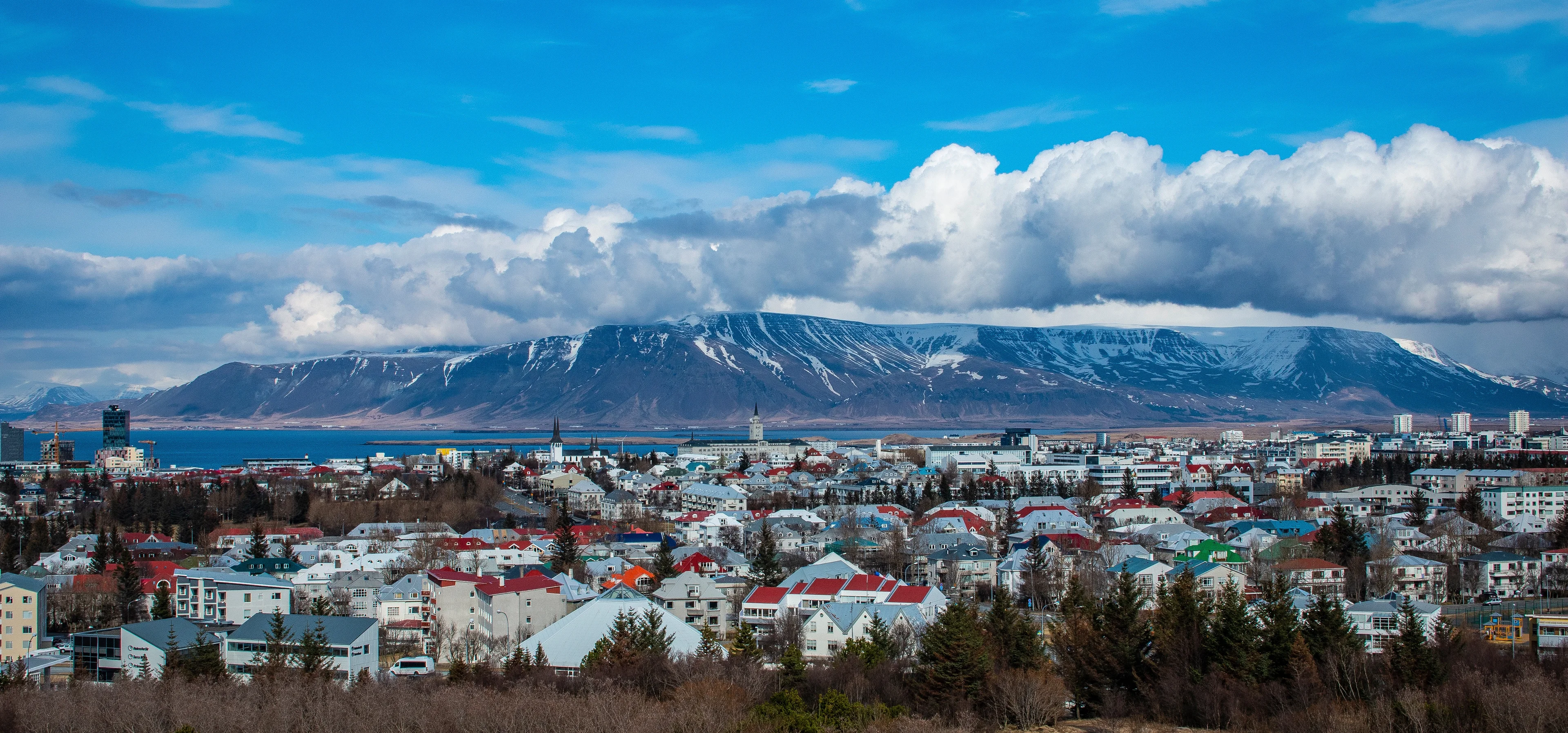
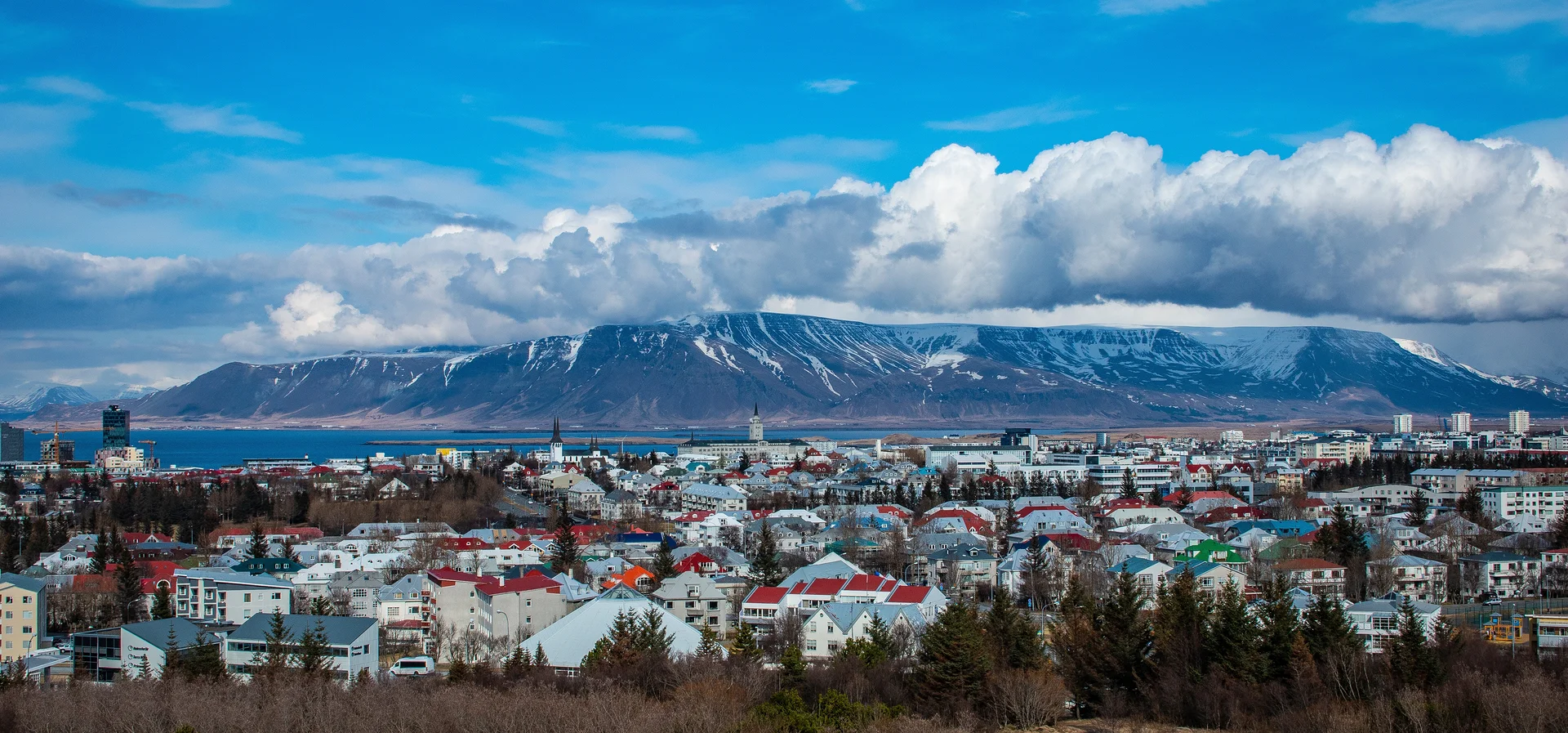
Located on the northern edge of Europe, Reykjavik offers a capital city experience that feels intimate, blending raw nature with understated modernity. Bordered by the Atlantic Ocean and surrounded by volcanic terrain, the city has a distinct atmosphere that encourages both exploration and quiet reflection.
Distinctive, minimalist architecture

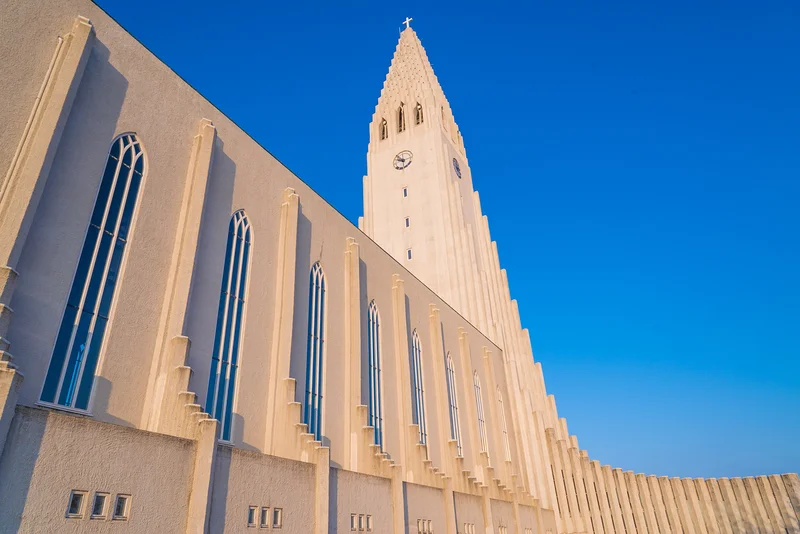
Architecture in Reykjavik plays with the elements. You will see Hallgrímskirkja, the city's iconic rocket-shaped church that towers over the skyline. Its brutalist style, inspired by basalt columns, captures the Icelandic spirit, which is both stripped-back and majestic.
Do not miss the Harpa, a concert hall and opera house with an iridescent glass facade that mimics the shifting colors of the northern lights. This contemporary structure has become one of the city's primary cultural landmarks.
Museums blending history and contemporary art

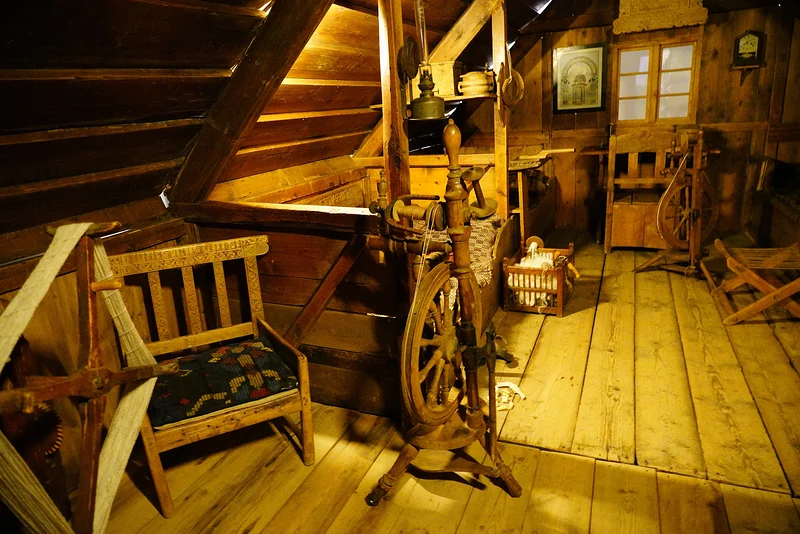
Reykjavik offers a deep cultural landscape. The National Museum of Iceland traces the country's history from the arrival of the first Viking settlers to the modern era. Inside, you will find significant medieval artifacts.
For those interested in the arts, the Reykjavik Art Museum displays works by both Icelandic and international contemporary artists. Several independent galleries also support the local scene, offering an approachable and friendly environment.
Natural spaces at the city limits
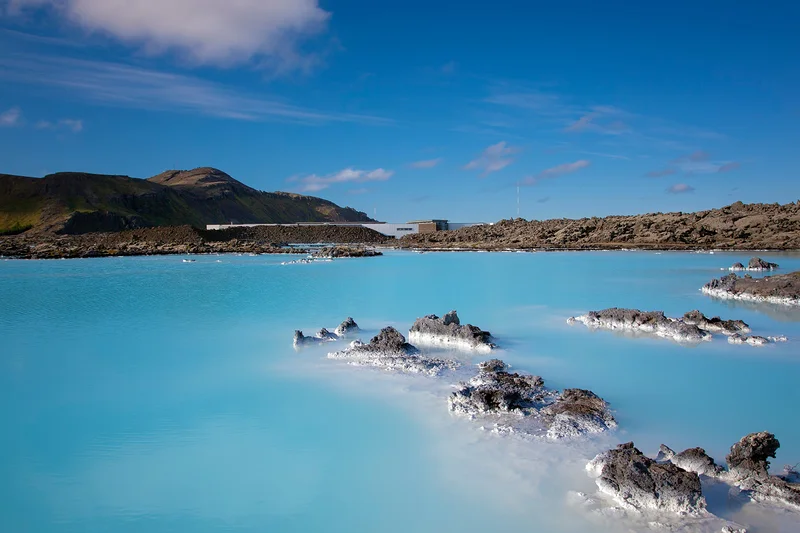
Reykjavik serves as the perfect base for immersing yourself in the Icelandic landscape. Just a few miles from the city center, you can swim in the heated waters of the Nauthólsvík geothermal beach, a unique experience that combines golden sand with thermal baths. Think of it as a Nordic take on a classic beach day, just much colder outside the water.
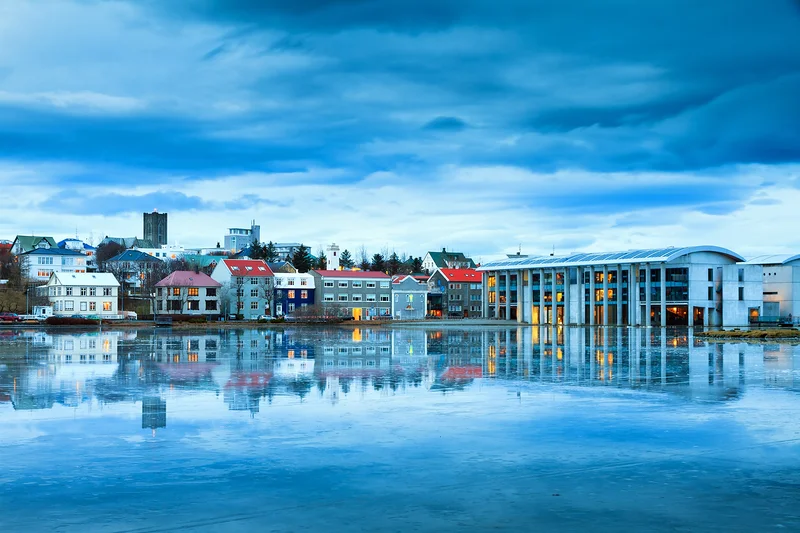
For a walk, head to Tjörnin lake, a peaceful haven for watching swans and ducks. The paths around the water provide clear views of the downtown area and the mountains in the distance.
A quiet city with an active soul
Despite its modest size, Reykjavik holds surprises. The Old Harbor neighborhood hosts numerous cafes, bars, and restaurants with a laid-back vibe. On weekends, locals participate in the "runtur," a friendly tour of the city's bars.
For those staying up late, the northern lights are sometimes visible from the outskirts of the city between September and March, when the nights are long and clear.
Authentic marine flavors
In Reykjavik, the cuisine prioritizes seafood and local specialties. Do not leave without trying hákarl, a fermented shark with a pungent flavor that remains a true culinary curiosity. For something more approachable, plokkfiskur, a fish and potato stew, perfectly illustrates the simplicity and heartiness of Icelandic cooking. If you are looking for a drink, try a glass of Brennivín, nicknamed "Black Death," a potent, anise-flavored national schnapps.
Where to eat?
- Fiskfélagið (Old Harbor): Known for inventive seafood and fresh ingredients.
- Íslenski Barinn (City Center): An authentic tavern for sampling classic Icelandic dishes in a casual setting.
- Sægreifinn (Old Harbor): Famous for its signature lobster soup and grilled fish skewers.
- Dill Restaurant (Hlemmur): The first Michelin-starred restaurant in Iceland, focusing on creative, locally-sourced Nordic cuisine.
Where to stay?
- Center Hotel Arnarhvoll (City Center): Located across from the Harpa, ideal for a modern stay with harbor views.
- Reykjavik Residence Hotel (City Center): Comfortable apartments, great for families or longer stays.
- Kex Hostel (City Center): A trendy, social hostel with sea views.
- Canopy by Hilton Reykjavik City Centre (City Center): A stylish, centrally located hotel for those prioritizing modern amenities.
When to go?
The best time to visit Reykjavik is from June to August, when temperatures are mild and the days are endless thanks to the midnight sun. To see the northern lights, plan your trip between September and March, though you should expect a much harsher climate.
How to get there?
Reykjavik is accessible via direct flights from major hubs, with travel times around 3.5 hours from Western Europe. Fares typically range from 150 € to 400 € (about $165 to $440) depending on the season. Keflavík International Airport is a 45-minute drive from the city center.
Getting around
The Reykjavik city center is highly walkable. To explore the surrounding areas, you will find reliable local buses and rental car services that allow you to travel at your own pace.
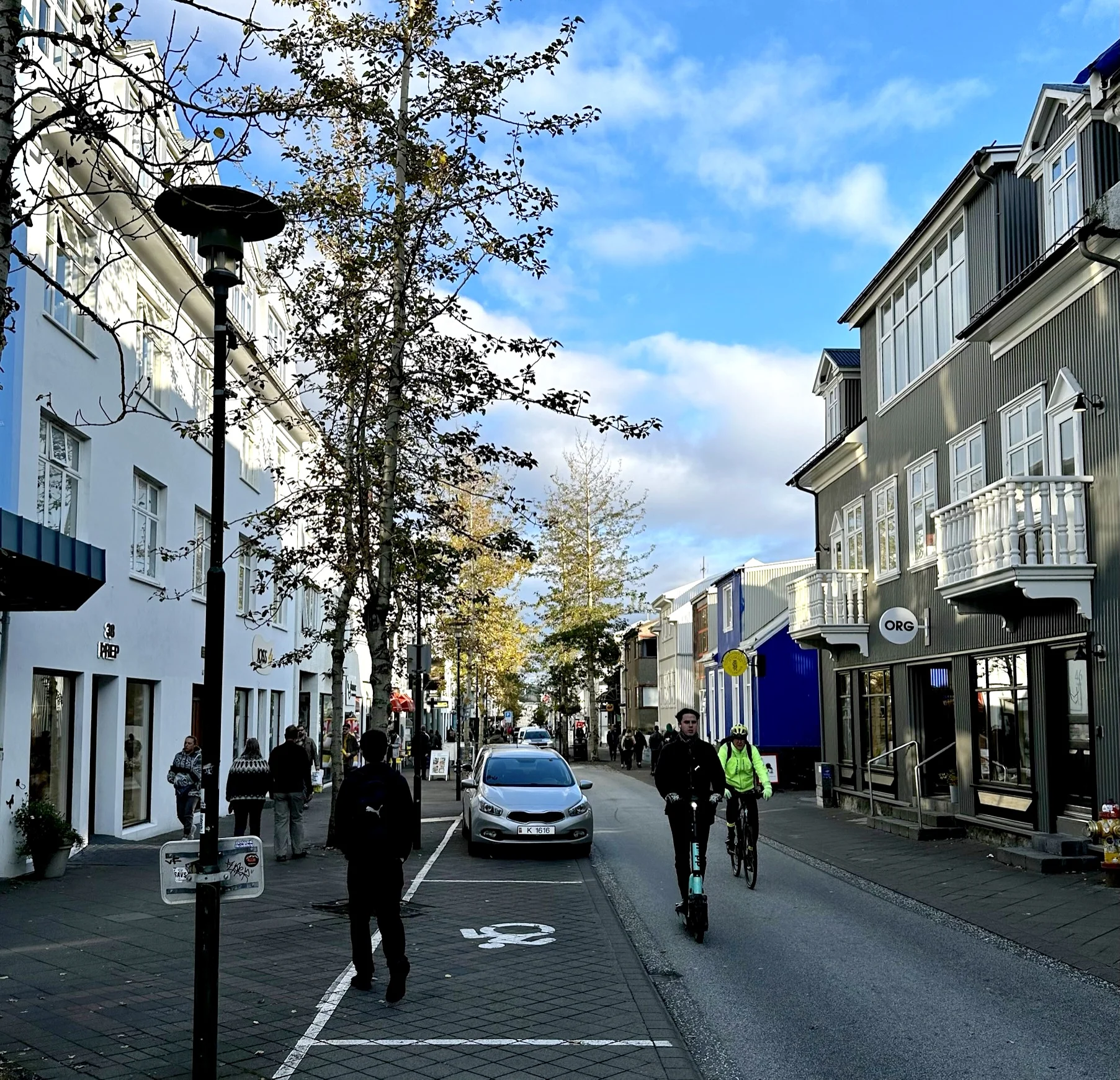
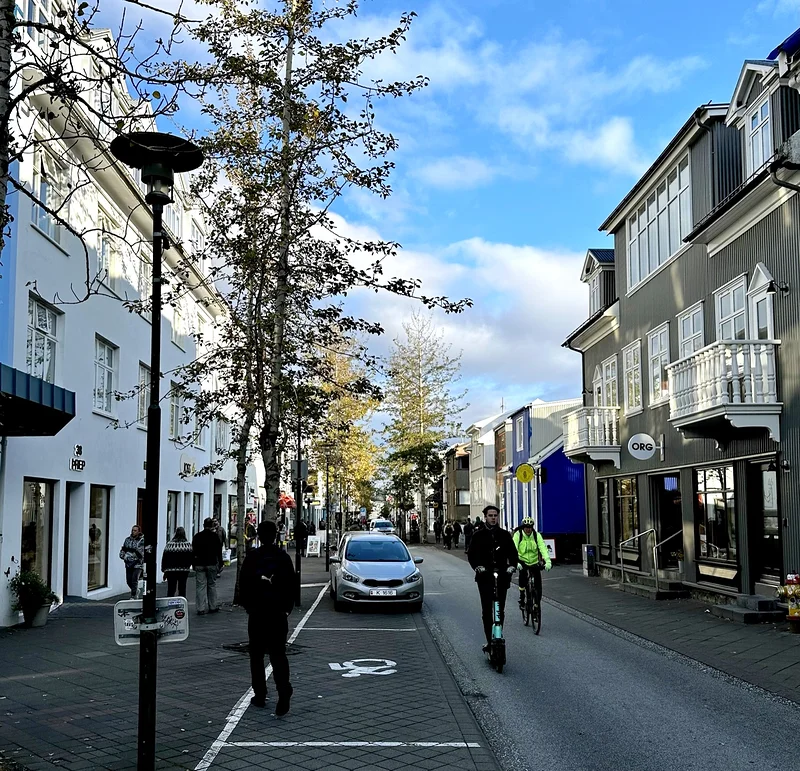
I enjoyed Reykjavik both times I went there. The first time was at the beginning of autumn, when the weather was still pretty nice. I loved the street art, the simplicity of the bars, and the sweaters on the trees (yes, really, it was a trend!). The second time, I liked Reykjavik even more under the snow. I took advantage of a public swimming pool in the middle of winter, as well as all the new facilities for tourists like the Lava Show.