
Visiting Monemvasia
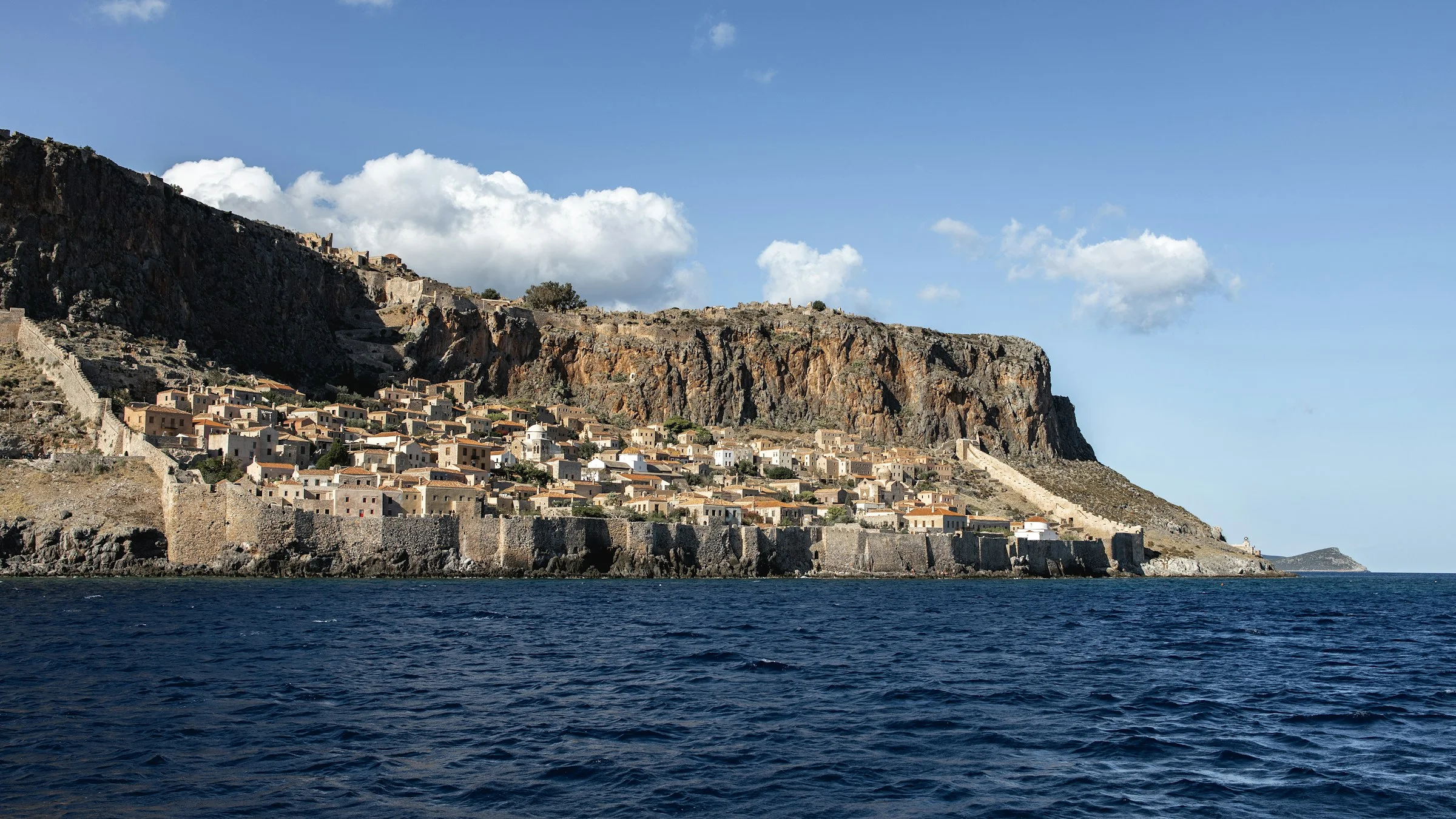
Walking into this town in the southern Peloponnese feels like stepping straight into a history book, and carrying the name Monemvasia sets a high bar. Founded in the 6th century, this former Byzantine stronghold started out as a busy trading hub thanks to its harbor and its famous Malvasia wine, which was exported all over Europe. It survived the first Frankish invasion in 1204, weathered a three-year siege by land and sea, endured famine, acted as a shelter port, and faced pirate raids, pillaging, Turkish corsairs, and Ottoman rule. Restored to Greece in 1821, it is now a character-filled destination prized for its unusual layout: the old town is built on a massive rock while the modern town sits on the mainland, making this Greek Gibraltar genuinely captivating.
A medieval town on a rock
A causeway connects the rock to the mainland, and Venetian ramparts enclose what is known as the Kastro. Split into an upper and a lower section, this fortified town bans cars but welcomes an almost fairytale atmosphere around every corner. Wandering through narrow alleyways overhung by stone arches makes you half expect to see knights emerge from the shadows. Every single house is made of stone, and the preserved medieval architecture is remarkable. Commercial Mesi Odos street and its small shops lead to the central square, framed by trees and set against the sheer cliffside. The Christos Elkomenos church and its 17th-century bell tower border the square, serving as a former Byzantine monastery facing the sea in a striking setting. A fairly steep path leads to the summit through a heavily reinforced gateway where wild flowers bloom near the ruins of a 17th-century hammam right on the cliff edge, culminating at the impressive Byzantine church of Agia Sofia, which dates back to 1150. Its wall frescoes rival the views over the lower town and its architectural treasures below.
Beaches and local food
The modern neighborhood of Gefyra feels almost ordinary after such wonders, yet it holds plenty of charm with its small fishing port and marina. Local restaurants showcase the rich gastronomy of Laconia, particularly gongoues artisanal pasta, saitia cheese pastries, and traditional almond sweets. Honey, olive oil, mead, and local wine are absolute essentials here. For swimming, the Portello beach sits right among the ramparts, though beachgoers often head a few kilometers away to Pori Beach for wider expanses of sand. Easily reached by ferry, the island of Elafonisos delivers a taste of the Caribbean with powdery shores, dramatic landscapes, and crystal-clear water, functioning as Monemvasia's ultimate offshore escape. It is a destination that leaves a lasting impression.
When to go
April through November brings ideal weather, peaking with heat and heavier visitor numbers in August. The shoulder seasons work best for experiencing the town at a quieter pace. July brings lively celebrations for the town's liberation anniversary.
How to get there
Monemvasia sits 322 km from Athens, and regular bus service connects the two. The closest airport is in Kalamata, about 190 km away by road, with seasonal flights available from major European hubs.
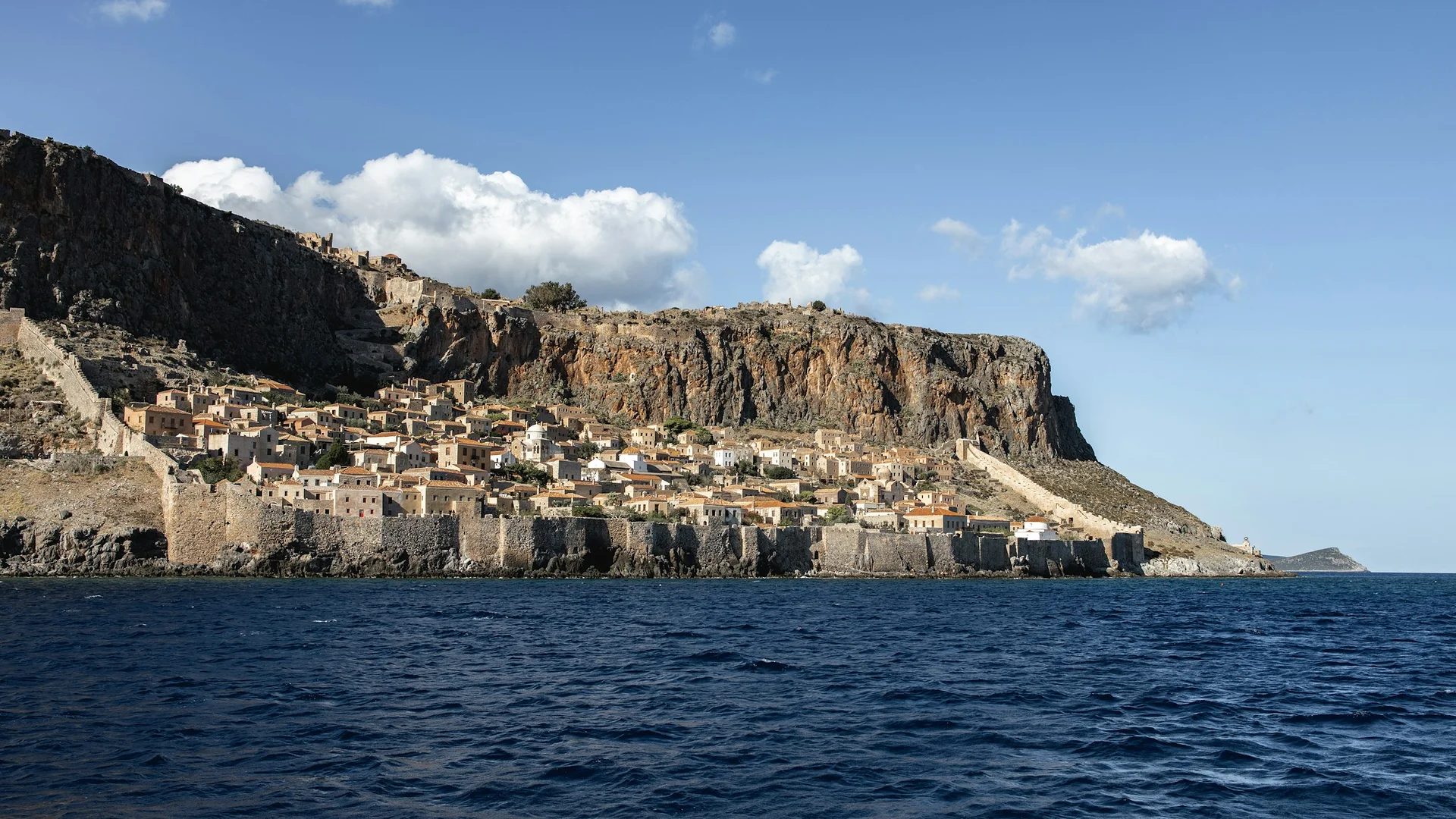
I loved Monemvasia for its old fortified medieval village. Old stone houses built on a rocky promontory overlooking the sea, surrounded by ramparts, and accessible via a causeway spanning the water.
It could be the Mont Saint-Michel of Greece.