
Visiting Corfu, the Greek Island with a Venetian Soul
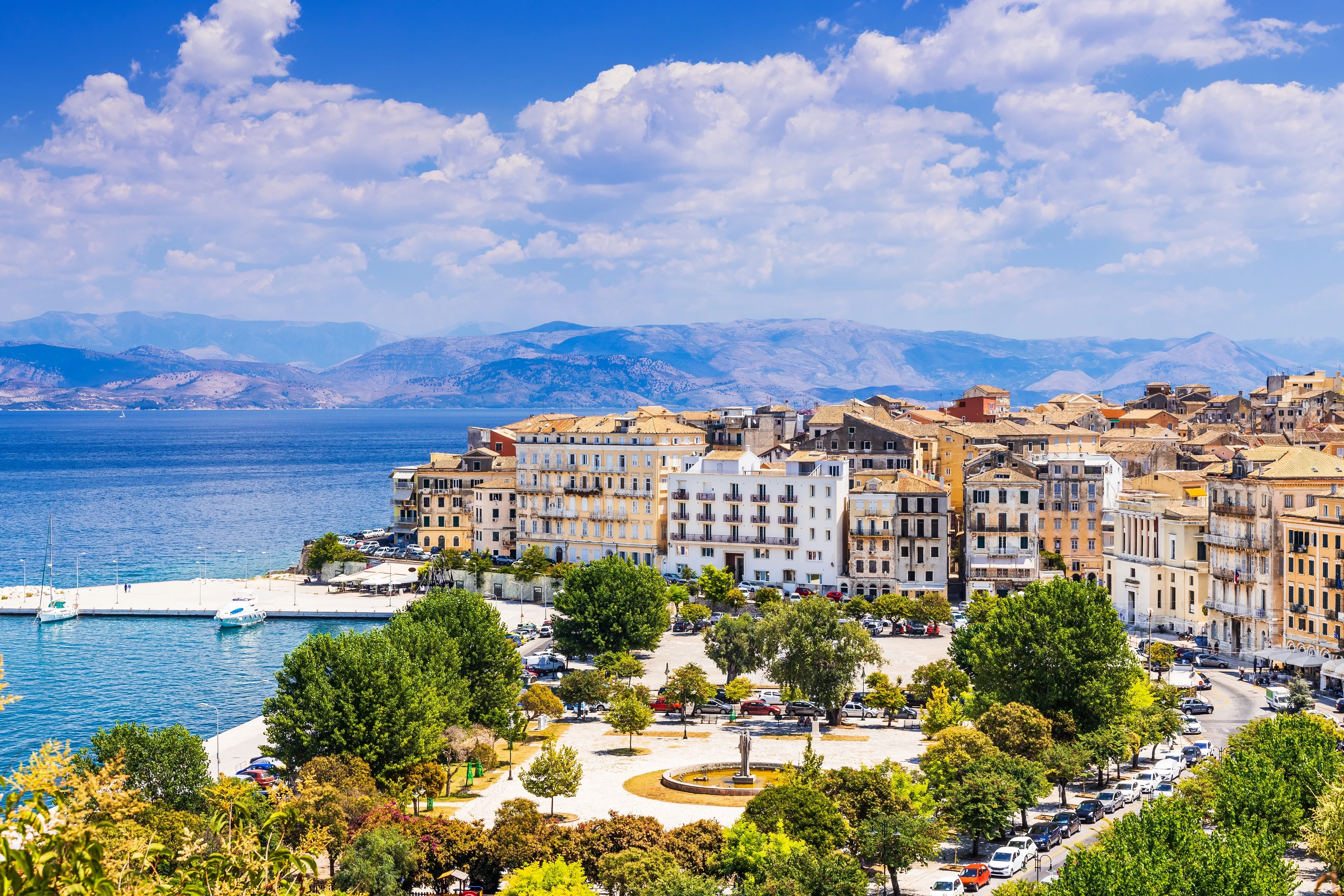
Do you expect to bump into a gondola while sailing the Ionian Sea? It sounds like a stretch, but wandering the narrow alleys of Corfu Old Town offers a strange sensation of having crossed the Adriatic into an Italian maze. Between the ochre facades, green shutters, and laundry drying in the breeze, the vibe is unmistakable.
Here, Greece flirts with the Venetian Republic, and this hybrid identity defines the charm of this 228-square-mile island, a designated UNESCO World Heritage site.
Corfu: The Mediterranean destination for those who want it all
Corfu is built for travelers who refuse to choose between culture and lounging. If you are the type to pair a monastery visit in the morning with a dive in the afternoon, you will fit right in. Families appreciate the relaxed pace, accessible beaches, and straightforward transit. Couples seeking romance find it in the perched hilltop villages and secluded coves.
A word of warning: July and August turn popular spots into tourist bottlenecks. If you prefer to avoid the crowds, aim for May-June or September-October.
Regarding your budget, expect mid-range Greek island pricing: a solid meal runs 15-20 EUR (about $16-22) per person, and a double room averages 60-100 EUR/night (about $65-110) depending on the season. Renting a car is practically mandatory if you want to explore beyond the capital city (40-60 EUR/day, or about $44-66).
The Old Town and its architectural treasures
Start your exploration in the historic heart, an Old Town that feels more like a Tuscan city than a Cycladic village. Get lost in the maze of Campiello, the medieval quarter with alleys so narrow you can touch both walls by stretching out your arms. The worn stairs, vaulted passages, and shaded squares create a timeless atmosphere.
The Saint Michael and Saint George Palace, once home to British governors, commands the north end of the esplanade with its neoclassical silhouette. Its majestic arcades now house the Museum of Asian Art, a surprising collection to find in the middle of the Mediterranean. Nearby, Saint Spyridon Church is easy to spot thanks to the bright red dome towering over the rooftops. Inside, the frescoes by Panagiotos Doxaras are worth the stop, as is the silver sarcophagus of the island's patron saint.
Pro tip: Grab a seat on the Liston, an elegant arcade-lined promenade inspired by the rue de Rivoli in Paris, to watch the evening parade of locals. Order a kumquat frappe, the local specialty, and enjoy the free show.
In the footsteps of empresses and ancient heroes
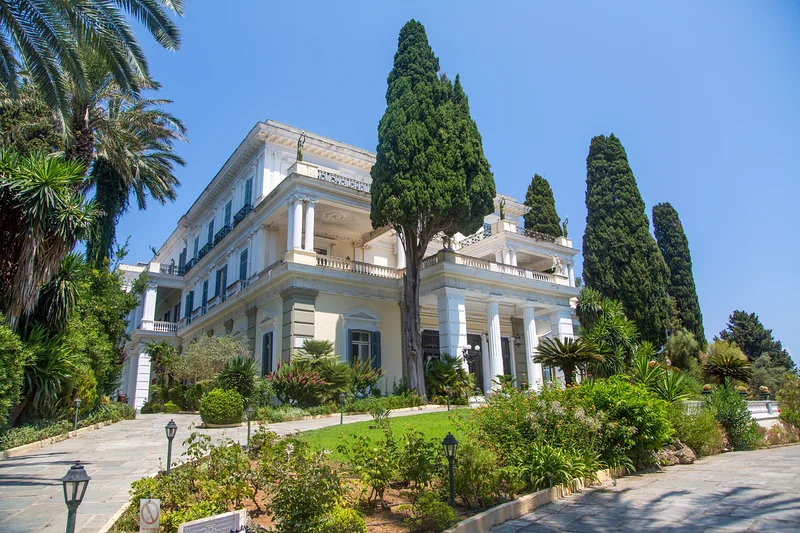
About six miles south of the city stands the Achilleion Palace, an architectural whim of Empress Sissi of Austria. This late 19th-century neoclassical villa reflects her intense fascination with Greece and mythology. The terraced gardens offer spectacular views of the sea and surrounding hills. Monumental statues of Achilles are scattered throughout the park, marking Sissi's obsession with the Greek hero.
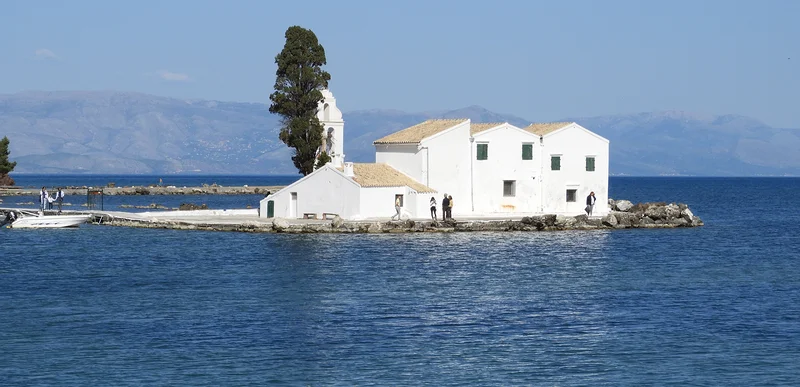
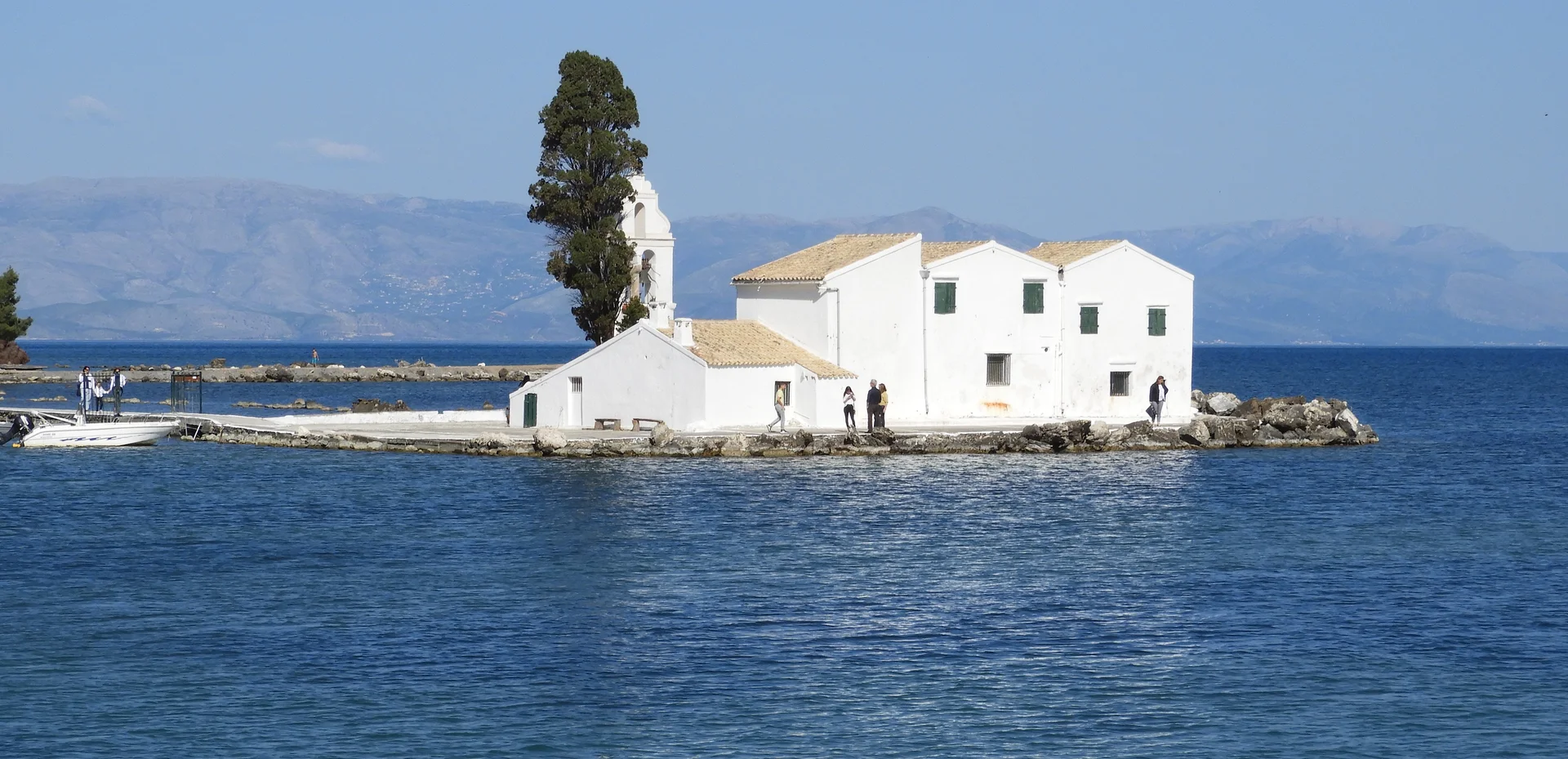
For something different, take a boat to the Pontikonissi islet, accessible from the Vlacherna Monastery for a few euros. This tiny rock topped with a white chapel is said to be the petrified ship of Odysseus, frozen by Poseidon. It is one of the most photographed spots on Corfu, especially at sunset.
Pro tip: Avoid the Achilleion in the middle of the day when tour buses arrive in force. Aim for a late afternoon visit, around 5 p.m., when the golden light hits the gardens and the crowds have thinned out.
Beaches and natural wonders
Coastal highlights
Paleokastritsa Beach, on the west coast, earns its reputation. A series of coves with turquoise water tucked between green cliffs, it is a prime spot for divers. The seafloor is packed with underwater caves and marine life. Several dive centers offer introductory sessions and excursions for all experience levels.
To the south, Agios Georgios stretches out a long ribbon of golden sand for nearly two miles. The dunes bordering the beach provide natural shade, which is a welcome relief in mid-summer. The shallow water makes it a paradise for families with young children.
Lake Korission, a wild sanctuary
A stone's throw from Agios Georgios, Lake Korission offers a completely different vibe. This 15,000-acre lagoon, separated from the sea by a narrow strip of dunes, is an exceptional bird sanctuary. Pink flamingos, herons, egrets, and dozens of migratory species gather here. Rent a kayak to explore this protected environment away from the resort bustle.
Pro tip: To experience Paleokastritsa without the crush, hire a water taxi early in the morning to reach the isolated coves to the north. You will have these little paradises to yourself until 11 a.m. before the organized excursion boats arrive.
Hilltop villages and the Corfiot interior
The mountainous interior, carpeted with olive groves and cypress trees, hides traditional villages where time seems to stand still. Pelekas sits high on a hill and offers a 360-degree view of the island from the Kaiser's Throne. Lakones and Makrades, clinging to the mountainsides overlooking Paleokastritsa, are worth the drive for their family-run tavernas and dizzying views.
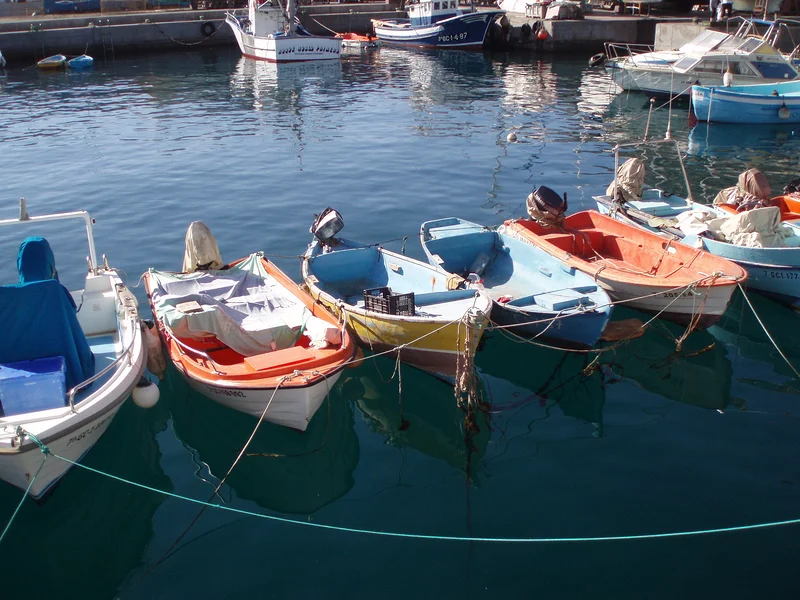
To the northeast, the villages of Kassiopi and Kouloura have maintained their authentic fishing-port feel despite the summer influx. Colorful boats bob in tiny, protected bays where you can eat grilled fish right by the water.
Where to eat and drink in Corfu?
Corfiot cuisine blends Venetian influences with Greek tradition. Do not miss sofrito, a signature dish of beef slow-cooked in a garlic and white wine vinegar sauce, a direct legacy of Venetian rule. Bourdeto, a fish stew spiced with paprika, is perfect for cooler evenings. As for sweets, the kumquat reigns supreme, appearing in everything from liqueurs to jams and candied fruit.
In the Old Town, skip the tourist traps on the esplanade and venture into the Campiello alleys to find authentic family-run tavernas. The covered market near the new port stocks local fruits, vegetables, and cheeses every morning except Sunday. Corfu Graviera, a hard sheep's milk cheese, pairs perfectly with a glass of local white wine.
Where to stay in Corfu?
To soak up the island's unique atmosphere, look for lodging in the Old Town. Several renovated traditional houses offer guest rooms and small apartments within the maze of alleys. You will be in the heart of the nightlife, yet still able to enjoy the quiet mornings before the day-trippers arrive.
If you are looking for the beach, the west coast offers the best balance of natural beauty and infrastructure. The area around Paleokastritsa and Ermones has hotels and apartments with sea views. Families often prefer the Agios Gordios area, which is quieter and less expensive than the large northern resorts.
For a more authentic experience, choose a stay in an inland village like Pelekas or Sinarades. You will save on accommodation and discover real Corfiot life, far from the tourist circuit.
How to get to and around Corfu?
Corfu International Airport is located just two miles south of the city. Several low-cost airlines offer direct flights from cities like Paris, Marseille, Lyon, or Nantes between April and October, costing 80-150 EUR (about $88-165) round-trip depending on the season. The flight takes about 2 hours and 45 minutes. Outside of high season, connect through Athens for a domestic flight (1 hour, 40-70 EUR or about $44-77) or take a ferry from Igoumenitsa (1 hour and 30 minutes).
Once you arrive, renting a car is essential for exploring the island thoroughly. Roads are decent, though winding in the mountain areas. Budget 40-60 EUR (about $44-66) per day depending on the season. Local buses link the capital to the main beaches and villages, but the limited schedules make spontaneous exploration difficult.
The historic city center is pedestrian-only, as the narrow alleys and stairs forbid vehicle traffic. Wear comfortable shoes and leave your car in one of the paid parking lots on the periphery (approx. 2 EUR/hour, or about $2.20).
When to go?
Corfu's exceptionally mild climate makes it a year-round destination. To enjoy the beaches without the crowds and crushing heat, target May-June or September-October. You will find water temperatures around 72-75 degrees Fahrenheit, plenty of sun, and lower prices. July and August regularly see temperatures hitting 82-90 degrees Fahrenheit and turn popular sites into human anthills.
The Corfiot winter remains pleasant, rarely dropping below 50 degrees Fahrenheit. This period suits hikers and culture lovers, though most tourist infrastructure closes from November to March. If you visit for Orthodox Easter, you can witness the spectacular Saint Spyridon processions in the Old Town.
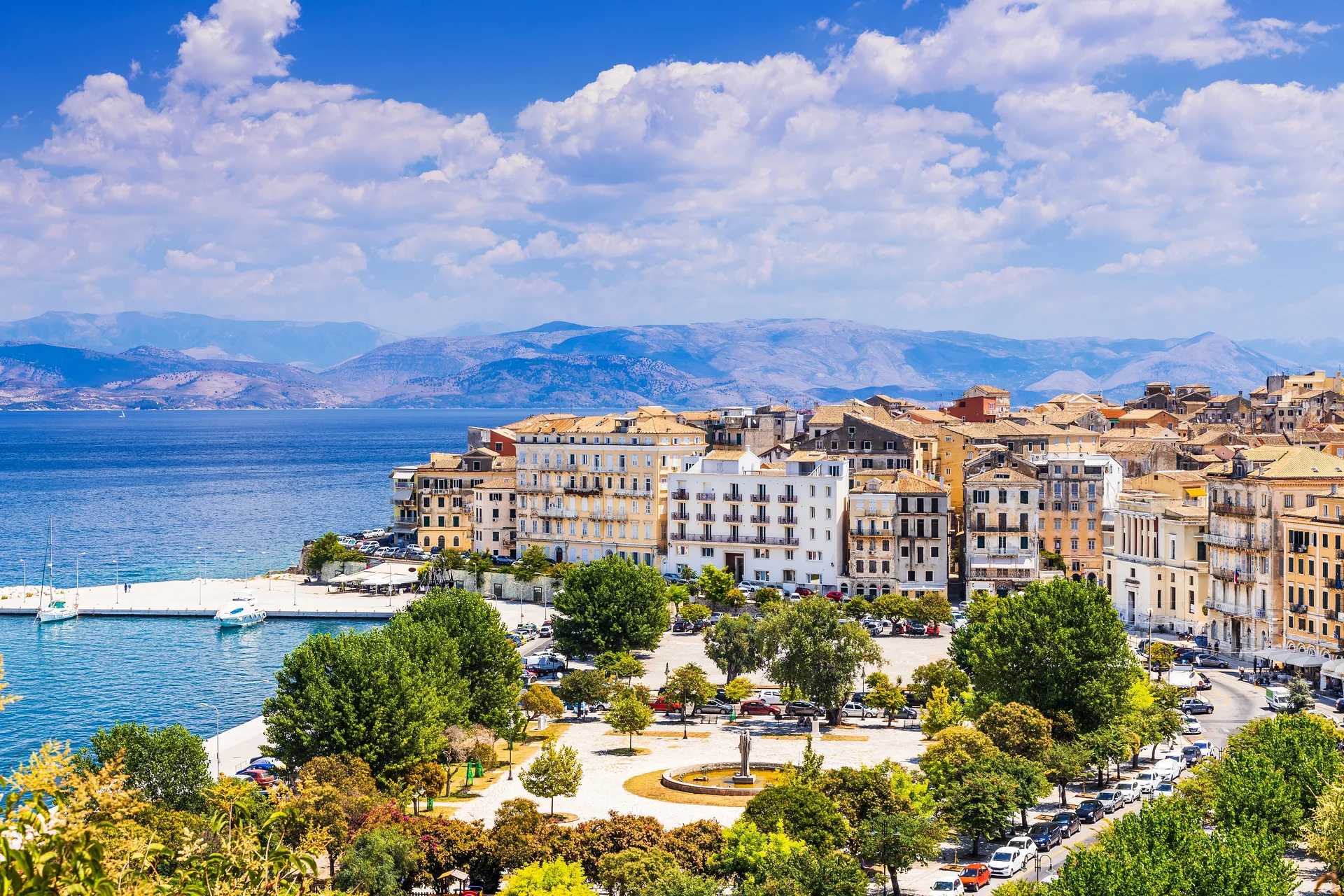
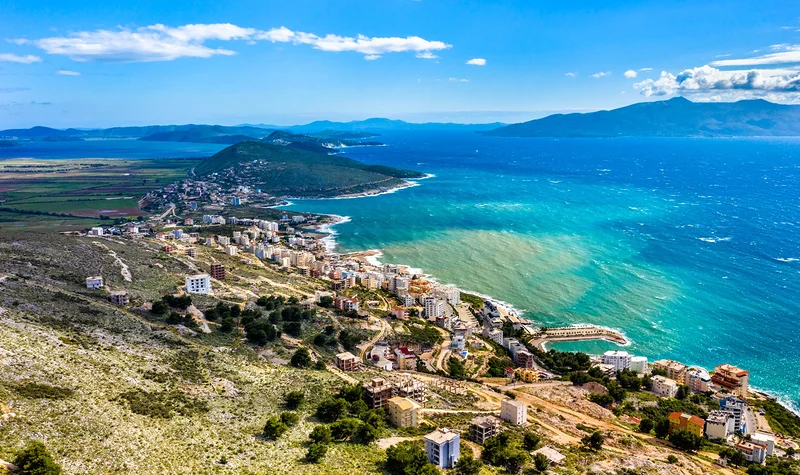
Even though Corfu is the capital of the island, the city remains quite charming and authentic. I really loved its lively atmosphere, even late at night. You eat really well there and there are plenty of cool places to grab a drink. The center is pretty with beautiful, well-preserved buildings.